You're planning a trip to Hiroshima, and the Peace Memorial Park is at the top of your list. You've got your camera, your map, but then a thought hits you—what should I wear? Is there a dress code for the Hiroshima Peace Memorial? It's a question that doesn't always get a straightforward answer online, but it's crucial for showing respect. Let's clear it up.
The short answer is no, there isn't a formal dress code posted at the gates. But that's where the real question begins. Visiting the Genbaku Dome (A-Bomb Dome) and the surrounding memorials isn't like going to a temple with strict rules, but it's also not a casual day at the beach. It's a place of profound reflection, and your clothing is part of that experience.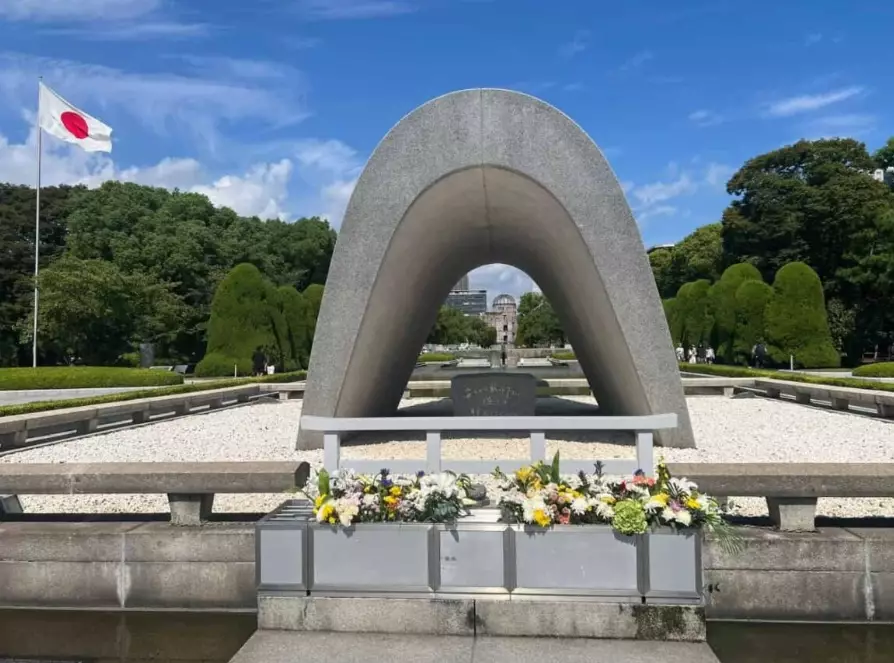
What You'll Find in This Guide
Why Your Clothing Choice Matters Here
Think about the last time you attended a memorial service or visited a cemetery. You probably didn't wear your loudest Hawaiian shirt. The Hiroshima Peace Memorial Park serves a similar, albeit larger, purpose. It's a space dedicated to the memory of over 140,000 people who lost their lives. For many Japanese visitors, it's a pilgrimage site to honor ancestors. For international visitors, it's a powerful lesson in history and a call for peace.
Dressing respectfully is a non-verbal way of acknowledging that weight. It shows you understand the context. I've visited dozens of times, and the difference in atmosphere between a group in thoughtful attire and a group in club-ready outfits is palpable. The latter often seems disconnected, their behavior becoming louder without them even realizing it. Your clothes set your own mental tone for the visit.
This isn't about judgment from others. It's about your own participation in the solemnity of the place. Choosing conservative, neat attire helps you blend into the reflective atmosphere rather than stand out from it.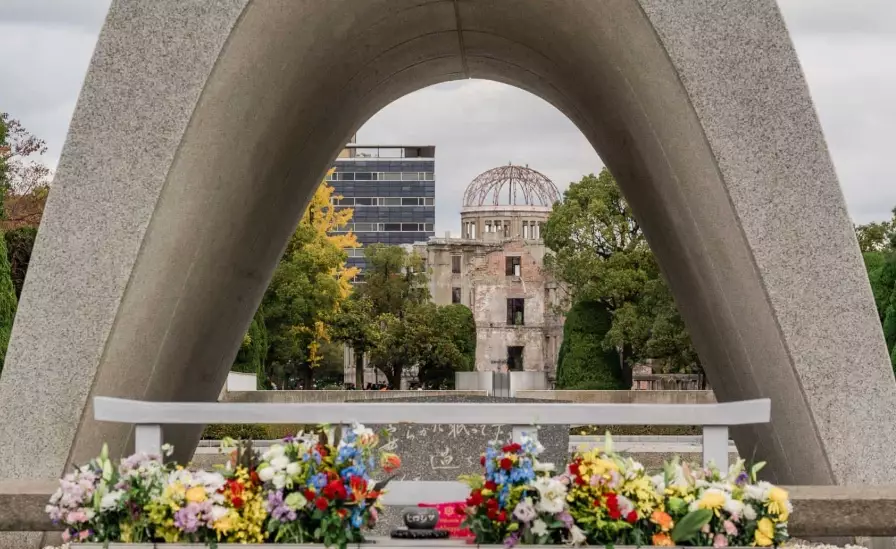
A Practical Guide: What to Wear and What to Avoid
Let's get specific. You're packing your bag for the day. Here’s how to think about your outfit.
The Foundation: Smart Casual is Your Safe Bet
If you remember one thing, make it this: smart casual covers 99% of the expectation. For men, this means collared shirts (polo or button-down), neat trousers or chinos, and clean shoes. For women, blouses, modest dresses, skirts, or trousers work perfectly. Darker, neutral colors (navy, grey, black, beige) are always a safe choice, but colors aren't forbidden. The goal is looking put-together.
Now, the gray area a lot of tourists struggle with: shorts and t-shirts.
Japanese summers are brutally hot and humid. You will see people wearing shorts and t-shirts in the park. You won't be stopped at the entrance. However, there's a spectrum. Knee-length shorts or tailored Bermuda shorts with a plain, non-graphic tee are widely accepted. The extremely short athletic shorts or ripped jean shorts paired with a slogan tee? That starts to push against the unwritten rule. It reads as beach or gym wear, not memorial wear.
A Quick Comparison: What Works vs. What's Iffy
Generally Fine: Polo shirt + knee-length chino shorts, Sundress (with straps thicker than 1 inch), Button-down shirt with sleeves rolled + trousers, Clean sneakers or walking shoes.
Might Feel Out of Place: Sports team jersey, Crop top or muscle tank, Very short shorts (like hot pants), Clothing with large, distracting logos or potentially offensive graphics, Flip-flops (impractical for walking anyway).
Items to Definitely Leave at the Hotel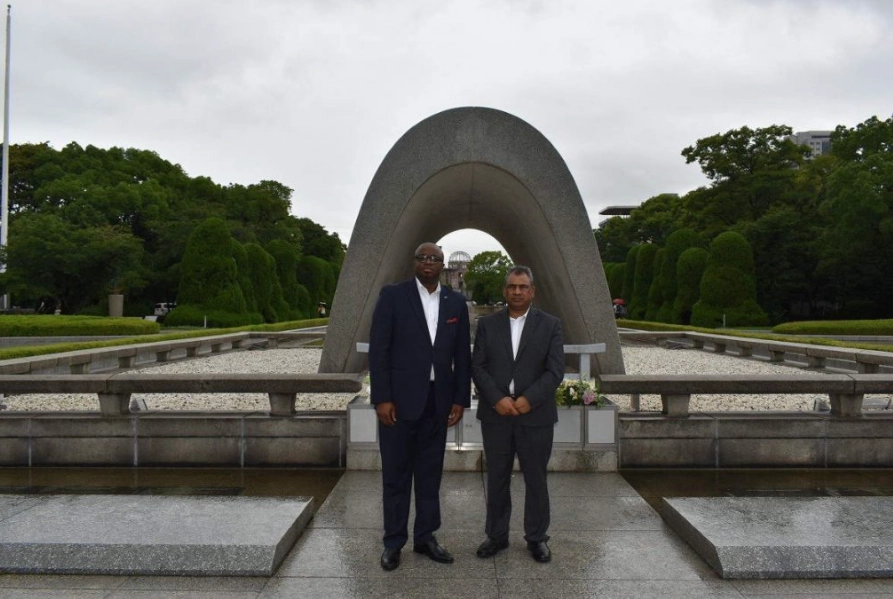
Some things are clear no-gos. Avoid anything overly revealing. This includes low-cut tops, spaghetti straps (unless covered by a shawl), and super short skirts/shorts. Clothing with politically charged, violent, or just plain silly slogans is disrespectful. Remember, you might be in the background of someone else's solemn photo.
One subtle point about hats. Outdoors, a hat for sun protection is completely fine and smart. However, when you enter the Peace Memorial Museum's main hall or approach the Cenotaph, it's customary for men to remove any hats as a sign of respect, much like you would in a solemn indoor space. Women's fashion hats are less of an issue, but baseball caps should come off.
Seasonal and Practical Considerations
Hiroshima's weather dictates practicality. Your respect shouldn't come at the cost of heatstroke.
Summer (June-August): It's sweltering. Prioritize lightweight, breathable fabrics like linen or cotton. A collared linen shirt is more respectful and often cooler than a synthetic tee. Carry a small towel for sweat. I always recommend a light cardigan or shawl in your bag. The Peace Memorial Museum is heavily air-conditioned, and the temperature drop can be shocking.
Winter (December-February): It can be chilly and damp. Layering is key. A respectful outfit here is easily achieved with a sweater over a collared shirt. The park is expansive, and you'll be walking outdoors between memorials, so a warm coat, scarf, and comfortable, closed-toe shoes are essential.
Footwear is critical year-round. The park is large. You'll walk from the Genbaku Dome past the Cenotaph, the Children's Peace Monument, to the Museum. That's easily a couple of kilometers on flat but hard pavement. Stylish sandals with no support or new, stiff shoes will make your visit miserable. Comfortable walking shoes are the single most important item in your “dress code.”
Etiquette Beyond Clothing: Behavior at the Memorial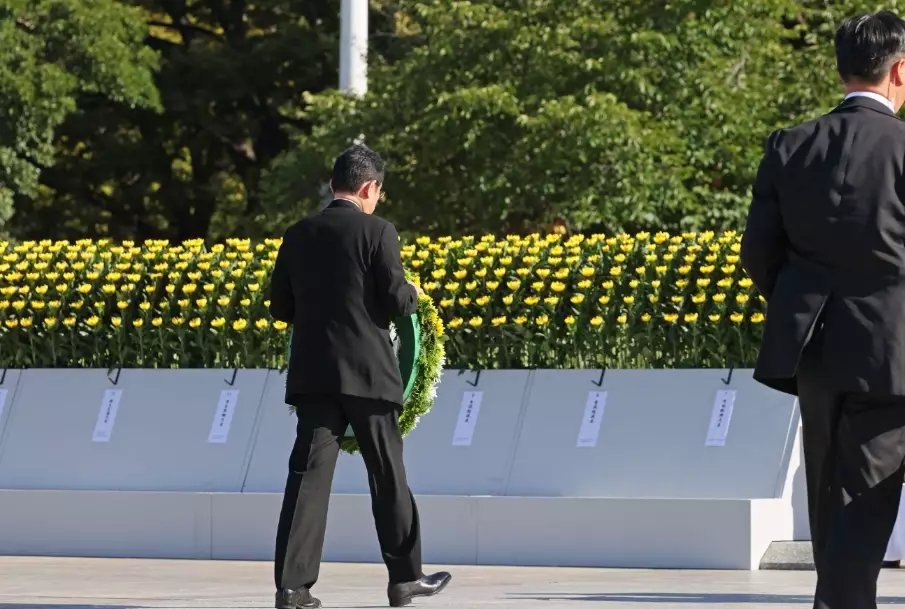
What you do matters as much as what you wear. The clothing sets the tone, but your actions complete the picture.
Silence your phone. Not just on vibrate. Fully silent. The sound of a ringing phone or a notification chime in the Museum hall or near the Flame of Peace is jarring.
Speak quietly. Have conversations in low tones. This is especially important inside the Museum, where the exhibits are graphic and emotionally heavy. I've seen school groups hushed by their teachers for good reason.
Photography. Photography is generally permitted outdoors. Be mindful. Don't pose with overly cheerful or “funny” poses in front of the A-Bomb Dome. It's not a tourist attraction in the lighthearted sense. Photography is strictly prohibited inside most sections of the Peace Memorial Museum. Signs are clear. Respect them.
The ritual. Many visitors, especially Japanese, will pause at the Cenotaph, bow slightly, and perhaps clap their hands softly in prayer (a Shinto practice). You don't have to participate, but you should pause and walk around quietly, not through, people who are engaged in this moment.
Your Questions Answered
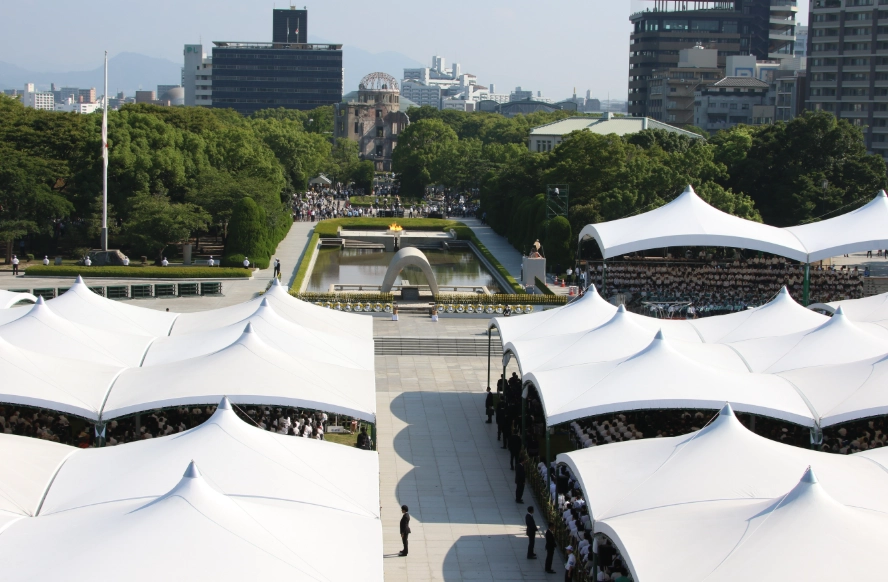 So, as you pack for Hiroshima, think of your visit to the Peace Memorial Park as you would a visit to an important museum or a place of quiet reflection back home. Dressing smartly isn't a burdensome rule—it's a simple, powerful way to connect with the purpose of your visit. It prepares you mentally to engage with the history and the message of peace. And trust me, your feet will thank you for those comfortable shoes after a day of meaningful exploration.
For the most current information on opening hours and exhibitions, always check the official Hiroshima Peace Memorial Museum website before your visit.


Share Your Thoughts