Ask anyone "What is the famous market in Japan?" and you'll likely hear "Tsukiji" shouted back. But here's the thing—that answer misses the mark. Japan isn't a one-market country. It's a archipelago of distinct regions, each with its own culinary heartbeat and shopping culture, often centered around a legendary local market. Fixating on just one means missing the vibrant, salty, sweet, and chaotic soul of Japanese daily life found in these places.
I've spent years getting lost in these alleys, eating where the chefs eat, and watching tourists make the same few mistakes. This isn't just a list. It's a curated guide to five iconic markets that define the Japanese market experience, chosen not just for fame, but for the unique slice of life they offer.
Your Quick Guide to Japan's Famous Markets
- 1. Tsukiji Outer Market (Tokyo): The Seafood Powerhouse
- 2. Nishiki Market (Kyoto): Kyoto's 400-Year-Old Pantry
- 3. Ameya-Yokocho (Tokyo): The Bargain Hunter's Paradise
- 4. Kuromon Ichiba (Osaka): Osaka's Kitchen
- 5. Nijo Market (Sapporo): Hokkaido's Fresh Bounty
- How to Choose the Right Market for You
- Japan Market FAQs: Your Questions Answered
1. Tsukiji Outer Market (Tokyo): The Seafood Powerhouse
Yes, the famed wholesale inner market moved to Toyosu in 2018. But the surrounding Tsukiji Outer Market is very much alive and is, in many ways, more accessible and enjoyable for visitors. This is where the energy of old Tsukiji lives on—a dense network of narrow lanes packed with over 400 stalls selling fresh seafood, knives, kitchenware, snacks, and full meals.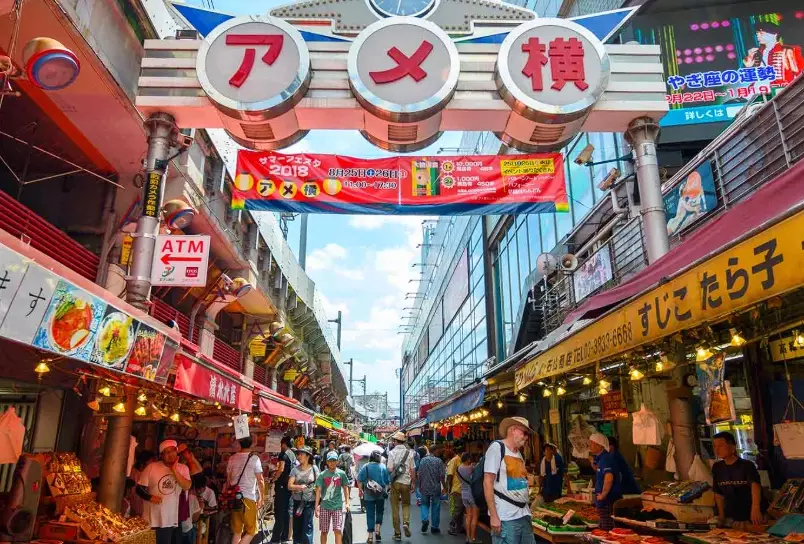
The mistake most make? They queue for 45 minutes at the one or two "Instagram-famous" tuna bowl spots. The smarter move? Walk two alleys over. The quality of seafood here is uniformly exceptional. Look for smaller shops with a steady stream of locals in work attire—they're the suppliers and restaurant staff grabbing lunch.
Essential Info:
Address: 4 Chome-16-2 Tsukiji, Chuo City, Tokyo. It's not a single address; just head to the Tsukiji area.
Nearest Station: Tsukiji Station (Hibiya Line) or Tsukijishijo Station (Oedo Line). A 5-10 minute walk from either.
Hours: Most shops open from 5:00 AM - 2:00 PM. Many close around noon or early afternoon, and most are closed on Sundays and Wednesdays. Go early.
Admission: Free to enter the market streets.
What to Eat at Tsukiji
Skip the generic grilled scallop on a shell. Go for the uni (sea urchin) fresh from Hokkaido, served in its wooden box. Try anago (saltwater eel)—it's often more delicate and less fatty than unagi. Find a stall doing katsuobushi (bonito flakes) shavings over hot rice with a raw egg. The umami is unreal. For a sit-down meal, look for a tiny sushi bar with about 8 seats—they often serve the "chef's choice" (omakase) at lunch for a fraction of dinner prices.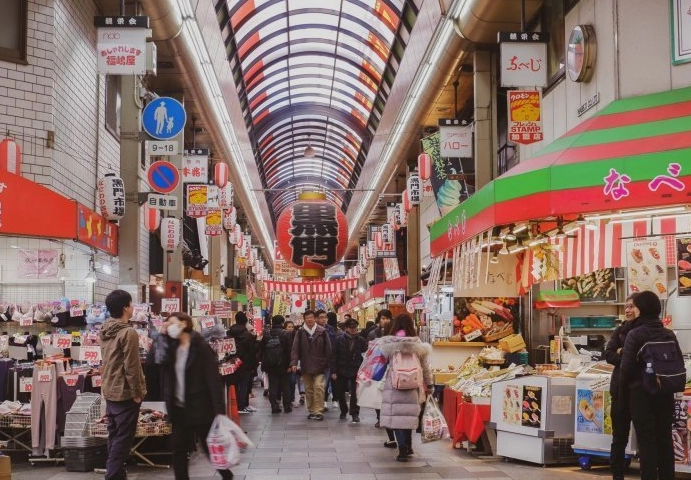
2. Nishiki Market (Kyoto): Kyoto's 400-Year-Old Pantry
If Tsukiji is about raw power, Nishiki Market is about refined tradition. Nicknamed "Kyoto's Kitchen," this narrow, covered arcade stretches for about 400 meters. It's less about grabbing a quick bite and more about exploring the ingredients that define Kyoto's sophisticated Kyo-ryori (Kyoto cuisine). You'll find pickles (tsukemono) in every hue, high-quality tea, delicate wagashi (Japanese sweets), and prepared foods you won't see elsewhere.
A common oversight? People treat it like a food court, rushing through. Nishiki rewards slow browsing. Talk to the vendors. Sample the myriad pickles. Notice the difference between shibazuke (cucumber and eggplant pickled with red shiso) and senmaizuke (turnip pickles).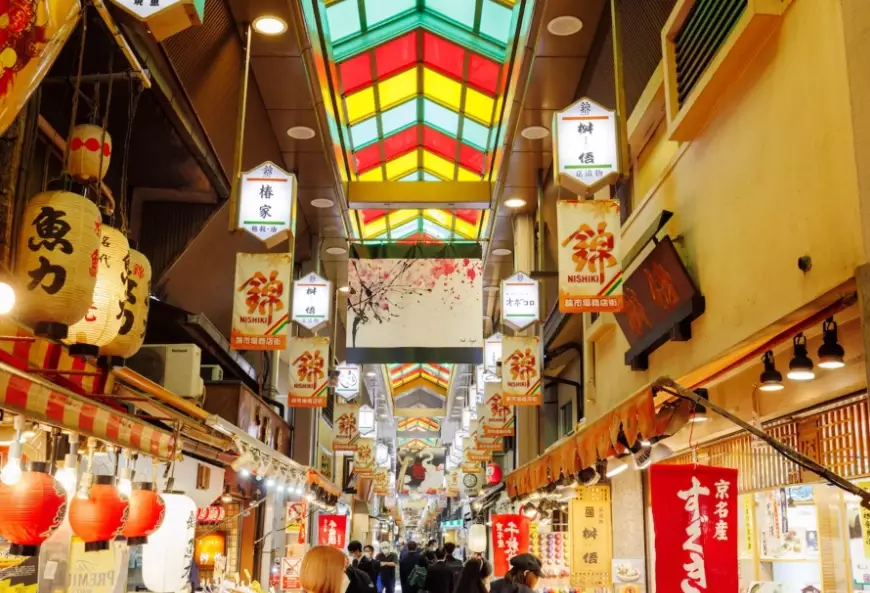
Essential Info:
Address: Nakauoyacho, Nakagyo Ward, Kyoto. Runs parallel to Shijo-dori.
Nearest Station: A short walk from Karasuma or Shijo stations on the Kyoto Subway, or from Gion-Shijo Station on the Keihan Line.
Hours: Generally 9:00 AM - 6:00 PM, but individual shop hours vary. Many close around 5 PM. Some shops close on Wednesdays.
Admission: Free.
3. Ameya-Yokocho (Tokyo): The Bargain Hunter's Paradise
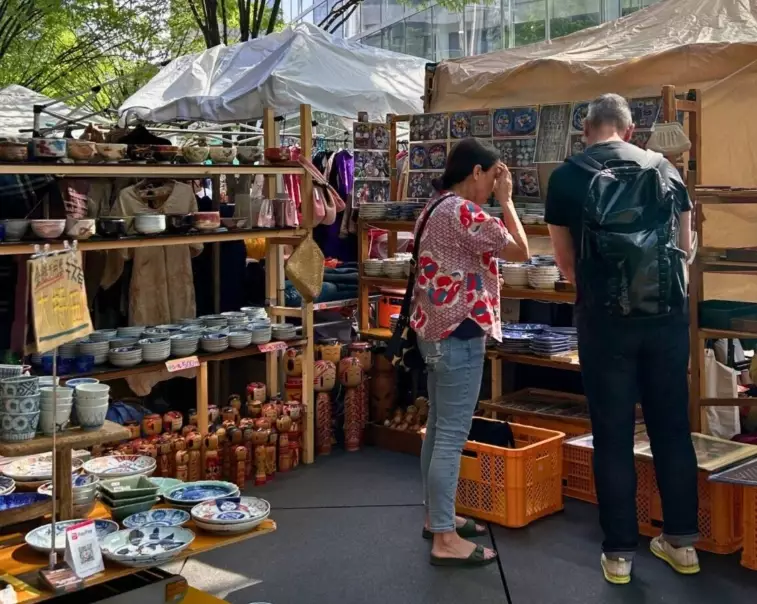
"Ameyoko" is a different beast. Under the railway tracks between Ueno and Okachimachi stations, this open-air market is pure, unadulterated chaos and charm. Its post-WWII roots as a black market for American goods (hence "Ame"rica "Yoko"cho) evolved into a bustling discount district. You'll find everything: cheap clothing, sneakers, cosmetics, dried fish, spices, fresh produce, and incredible street food, all at some of Tokyo's best prices.
The vibe here is loud, fast, and haggling-friendly (to a point). It's where Tokyoites come for affordable groceries and students shop for clothes. The food stalls are unbeatable for value—giant crab legs, grilled prawns, juicy strawberries in winter, all for a few hundred yen.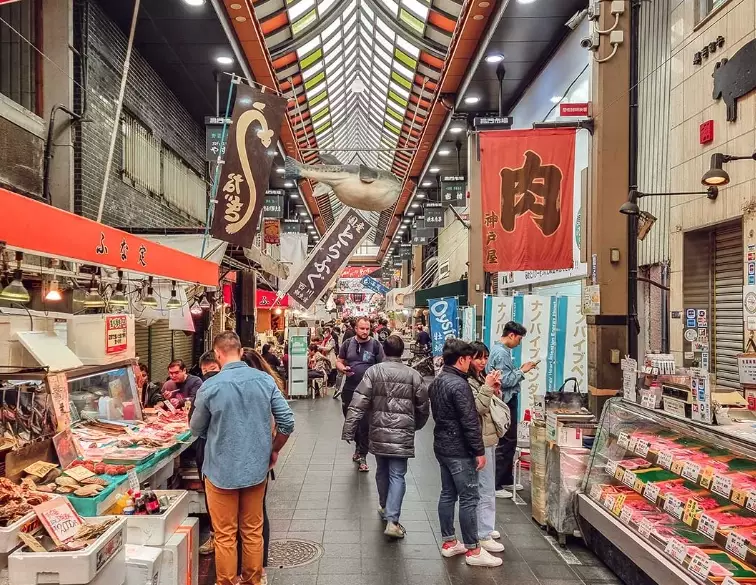
Essential Info:
Address: 4 Chome Ueno, Taito City, Tokyo. Runs along the Yamanote Line tracks.
Nearest Station: Ueno Station (multiple lines) or Okachimachi Station (Yamanote Line). The market is directly below the tracks.
Hours: Shops typically open 10:00 AM - 8:00 PM. Gets incredibly crowded on weekends.
Admission: Free.
4. Kuromon Ichiba (Osaka): Osaka's Kitchen
Osaka's answer to Tsukiji and Nishiki, Kuromon Ichiba is a covered market street with over 150 shops. It embodies Osaka's kuidaore ("eat until you drop") spirit. The focus is overwhelmingly on food, especially seafood ready to eat on the spot. The atmosphere is more boisterous and direct than Kyoto's Nishiki—very Osaka.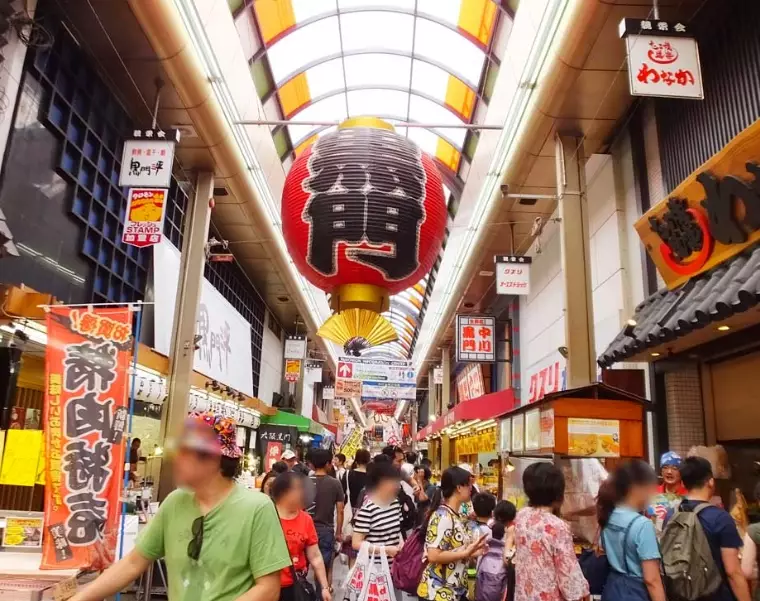
This is the place to try fugu (pufferfish) from licensed vendors, giant oysters grilled right in front of you, and incredibly fresh sashimi platters. Don't miss the stalls selling high-quality Kobe and Matsusaka beef, often available as small skewers so you can taste the luxury without a full steakhouse bill.
Essential Info:
Address: 2 Chome Nipponbashi, Chuo Ward, Osaka.
Nearest Station: Nippombashi Station (Sakaisuji Line, Kintetsu Line) or Namba Station (multiple lines), both a 5-minute walk.
Hours: Most shops 9:00 AM - 6:00 PM, with some food stalls opening earlier. Many closed on Wednesdays.
Admission: Free.
5. Nijo Market (Sapporo): Hokkaido's Fresh Bounty
For a taste of Japan's northern island, Nijo Market in Sapporo is essential. Hokkaido is synonymous with agricultural and maritime riches: sweet corn, potatoes, dairy, crab, salmon roe (ikura), and sea urchin (uni). Nijo Market, while smaller than others, is a concentrated hub for these delights.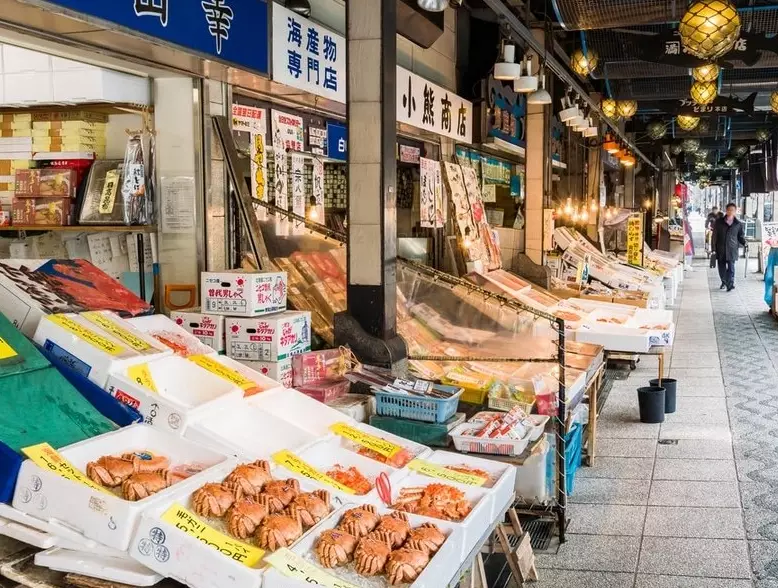
Come here for the quintessential Hokkaido breakfast: a bowl of rice topped with a mountain of fresh, glistening ikura and uni. The kani (crab) is a star—you'll see whole king crabs and snow crabs crawling in tanks. It's less of a wandering market and more of a destination for a specific, unforgettable meal.
Essential Info:
Address: 1 Chome Minami 3 Johigashi, Chuo Ward, Sapporo, Hokkaido.
Nearest Station: Odori Station (about a 10-minute walk) or bus services stop nearby.
Hours: Approximately 7:00 AM - 5:00 PM (some shops close by 3 PM). Most closed on Sundays.
Admission: Free.
How to Choose the Right Market for You
Not sure which famous market to visit? Your choice should depend on your location and interests. Here’s a quick breakdown:
| Market | Best For | Vibe | Top Tip |
|---|---|---|---|
| Tsukiji Outer | Ultra-fresh seafood snacks & sushi; kitchen knives. | Busy, professional, food-focused. | Go before 10 AM. Avoid the longest lines. |
| Nishiki | Kyoto specialties, pickles, tea, traditional sweets. | Refined, historical, sensory. | Take your time; sample and learn. |
| Ameya-Yokocho | Bargain shopping, cheap & cheerful street food, local vibe. | Energetic, chaotic, bargain-friendly. | Great for souvenirs and snacks on a budget. |
| Kuromon Ichiba | Seafood feasting, trying fugu, Kobe beef bites. | Lively, indulgent, "eat-till-you-drop". | Go hungry and share dishes to try more. |
| Nijo Market | Hokkaido's best: crab, ikura, uni, dairy. | Compact, destination-dining, fresh. | Plan for a lavish seafood breakfast. |
If you're in Tokyo with limited time and love seafood, Tsukiji is non-negotiable. If you're in Kyoto, Nishiki is a cultural must-do. For a raw, local experience in Tokyo, Ameyoko wins. Foodies in Osaka must hit Kuromon. And if you're up in Hokkaido, Nijo is your breakfast spot.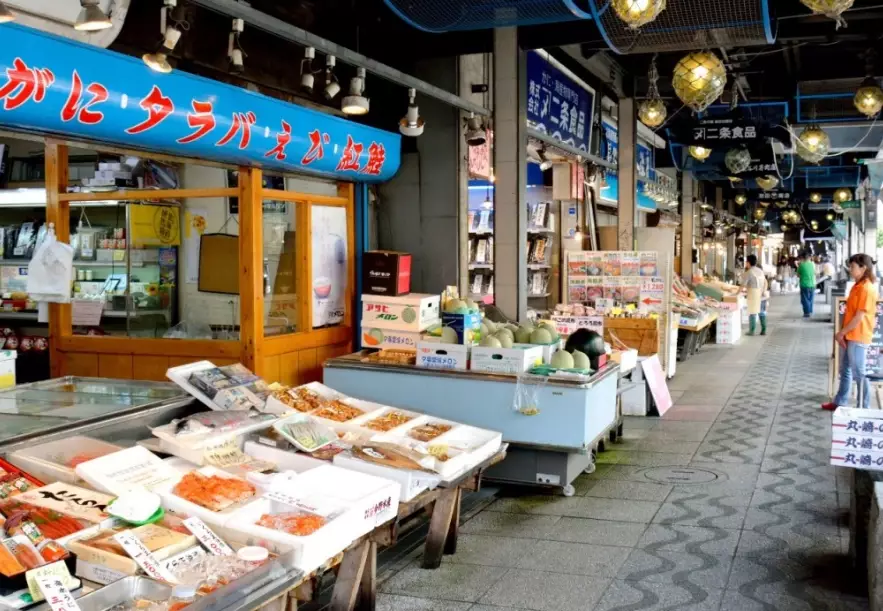
Japan Market FAQs: Your Questions Answered
Each of these famous Japanese markets tells a different story. Tsukiji speaks of the ocean's daily harvest. Nishiki whispers centuries of Kyoto tradition. Ameyoko shouts with post-war hustle. Kuromon revels in Osaka's gourmet pride. Nijo showcases Hokkaido's cold, rich bounty. So, the next time someone asks you about the famous market in Japan, you can tell them: there isn't just one. There's a whole world of them, each waiting to be explored on its own terms.
For official tourism information on visiting Tokyo's markets, you can check the Tokyo Metropolitan Government's GoTokyo website. For Kyoto, the Kyoto City Tourism Association site is a great resource.

Share Your Thoughts