You've seen the pictures. The serene bamboo groves, the pristine temples, the orderly queues at famous crossings. Then you arrive, and it's a different story. Crowds that make quiet contemplation impossible, souvenir shops selling identical trinkets made elsewhere, and a feeling that you're on a conveyor belt, not a journey. Japan felt this tension deeply. The solution wasn't to build more theme parks, but to build better tourism. That's where the Japan Sustainable Tourism Standard for Destinations (JSTS) comes in.
This isn't just another eco-label for a single hotel. It's a comprehensive framework for entire towns, cities, and regions to get certified. Think of it as a blueprint for destinations to thrive without being loved to death. For you, the traveler, it's a map to a deeper, more respectful, and ultimately more rewarding Japanese experience.
What You'll Find in This Guide
What Exactly is the Japan Sustainable Tourism Standard for Destinations?
Launched by the Japan Tourism Agency, the JSTS is a voluntary certification system modeled on global best practices (like the GSTC criteria). A destination—which could be a city like Kamakura, a town like Shirakawa-go, or a whole region like the Amami Islands—undergoes a rigorous audit. They don't just get a passing grade; they have to demonstrate active, ongoing management across four core pillars.
Here’s the breakdown that matters to you: The audit looks at how a place manages its environmental impact (waste, water, protecting nature), its socio-cultural fabric (preserving heritage, involving locals, managing visitor behavior at sacred sites), its economic sustainability (do tourism dollars stay local? Are workers treated well?), and finally, its governance and management (having a real plan, monitoring crowds, collecting data to improve).
The key word is management. It’s not about being perfectly untouched. It’s about having a plan to handle tourism’s downsides. A temple can be popular, but does it have a system to manage noise and foot traffic to prevent damage? A hot spring town can be busy, but is it dealing with its wastewater properly and sourcing food locally? That’s what JSTS certification verifies.
How the JSTS Certification Benefits You as a Traveler
This is where it gets personal. Why should you seek out or prioritize these certified places? It’s not about feeling virtuous (though that’s a nice bonus). It’s about a tangibly better trip.
You Get a More Authentic Experience
Because the standard pushes for economic benefit to stay local, you’re more likely to find yourself in a family-run ryokan instead of an international chain hotel, eating at a restaurant that sources from nearby farms, or buying crafts from a sixth-generation artisan. The money you spend has a better chance of supporting the community you came to see.
It’s Easier to Travel Responsibly
Figuring out the right thing to do in a new culture is hard. Certified destinations make it easier. They’ll have clear signage (often in multiple languages) about cultural norms. They’ll promote local transport options and walking routes. They might offer reusable discount schemes for bringing your own cup. The sustainable choice becomes the default, easy choice.
You Help Preserve the Places You Love
This is the long game. By choosing destinations that are actively managing their tourism, you’re casting a vote for a tourism model that ensures these places will be just as captivating for future visitors. You’re helping to combat overtourism at its root by supporting the solutions.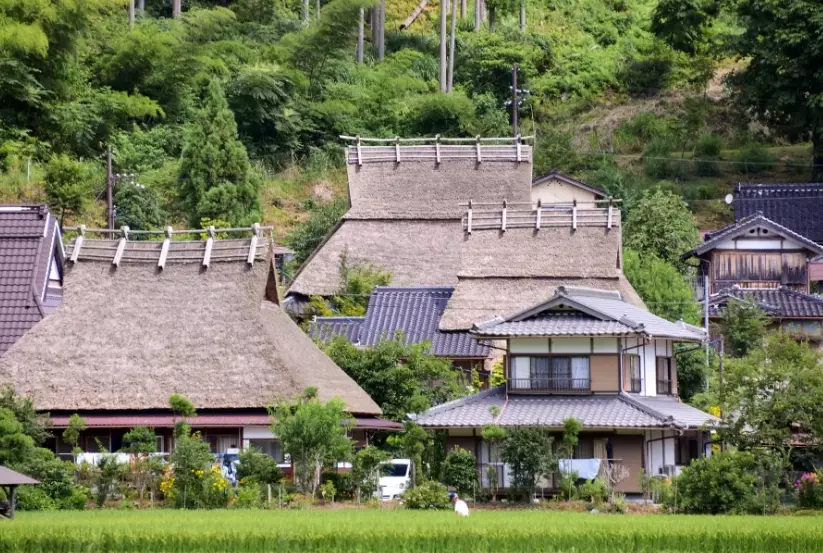
How to Find and Support JSTS-Certified Destinations
The official list is maintained by the Japan Tourism Agency. You can search for it directly. But let’s be practical—most people don’t start their trip planning on a government portal. Here’s how to weave this into your normal planning:
1. Look for the Logo: When browsing a destination’s official tourism website (like "Visit Nikko" or "Welcome to Shirakawa-go"), look for the JSTS logo or a dedicated sustainability page. They’re proud of this certification and will display it.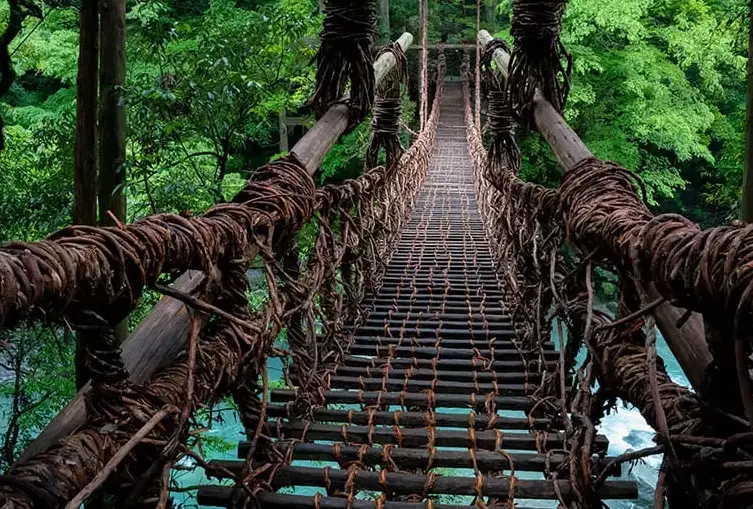
2. Ask Specific Questions: When booking accommodations or tours, ask: “Are you involved in or do you support the local JSTS initiatives?” or “How does your business contribute to the local community and environment?” The answers will tell you a lot.
3. Prioritize Certified Regions in Your Itinerary: If you’re choosing between two similar destinations, let JSTS status be the tie-breaker.
Real Destinations Leading the Way: What It Looks Like on the Ground
Let’s move from theory to concrete examples. Here are a few JSTS-certified places and what they’re doing differently.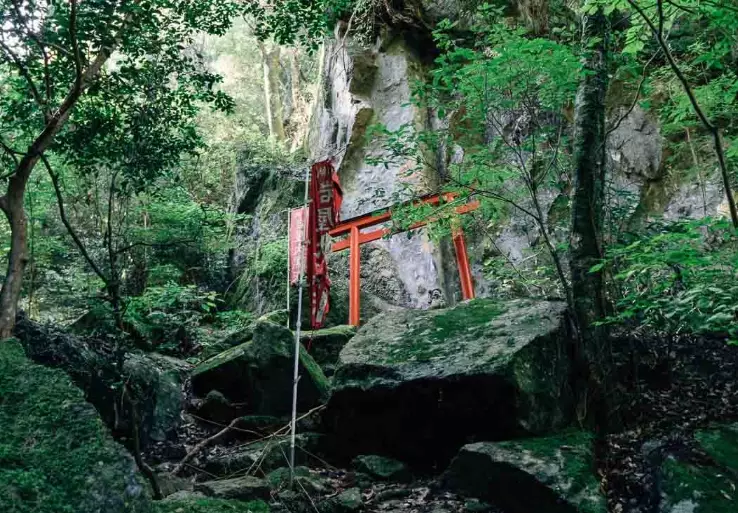
| Destination | Key Sustainable Actions (What You'll Notice) | Traveler Takeaway |
|---|---|---|
| Shirakawa-go, Gifu (Historic Village) | Strict visitor caps and timed entry for private vehicles, promoting off-season visits, managing parking and shuttle buses to reduce congestion, preserving the gassho-zukuri farmhouses through tourism revenue. | You need to book parking/bus in advance. It ensures the village isn't overwhelmed, making your visit more peaceful and preserving the scene you came for. |
| Nikko, Tochigi (Cultural Heritage Area) | Integrated public transport passes (like the "World Heritage Pass") to reduce car use, promoting longer stays to disperse visitors, restoring natural forests around sacred sites, clear cultural protocols at shrines. | Take the bus from the station. Consider staying a night to explore beyond Toshogu Shrine. The experience is more seamless and less stressful. |
| Amami Islands, Kagoshima (Natural Paradise) | Protecting rare ecosystems (Amami rabbit, mangrove forests), strict guidelines for eco-tours, promoting locally-owned guesthouses, tackling marine plastic waste with community clean-ups. | Choose a tour operator with a strong environmental ethic. Your visit directly funds conservation and supports island families. |
One thing I learned from visiting Shirakawa-go after its certification: it’s still popular. You won’t have the place to yourself. But the difference was palpable. The flow of people was managed. There were quiet corners. The focus felt more on the majestic architecture and less on frantic souvenir hunting. It felt dignified.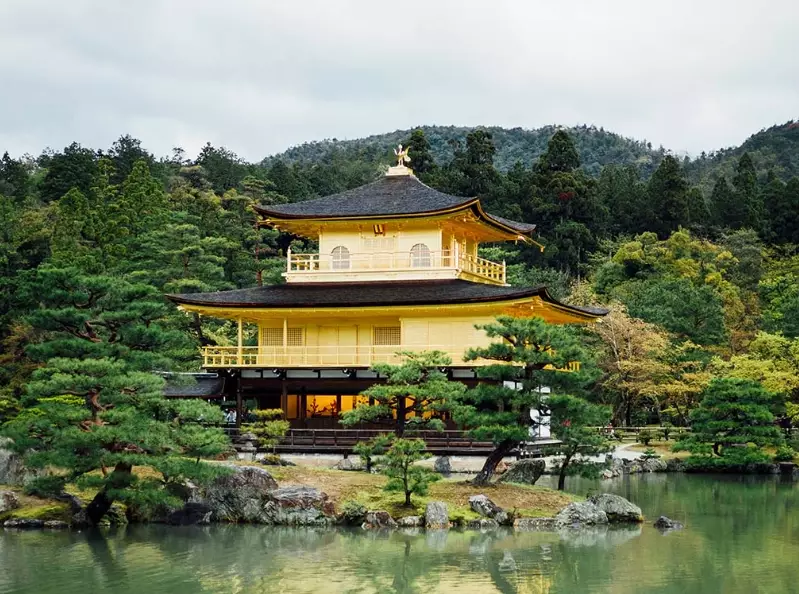
Your Role in the Bigger Picture
The JSTS is a tool for destinations, but it needs conscious travelers to work. Your mindset shift is the final piece.
Think of yourself as a temporary resident, not just a consumer. Be curious about where your money goes. Be patient with rules designed to protect a place. Embrace the slightly less convenient but more local option. Spread your travel across more days or into the shoulder season if you can.
The biggest misconception? That sustainable tourism means going somewhere barren and uncomfortable. It’s the opposite. It’s about going to amazing places and ensuring they stay that way, through smarter choices by everyone involved. The Japan Sustainable Tourism Standard gives you a clear signal for where those smarter choices are being made at a community level. All you have to do is follow the sign.



Share Your Thoughts