Explore the Guide
- When to Go: Catching the Lights at Their Best
- Top 3 Winter Illuminations in Japan You Can't Miss
- Your Practical Guide to Navigating the Winter Lights
- Beyond the Big Cities: Discovering Hidden Gem Illuminations
- Frequently Asked Questions (Stuff You Really Want to Know)
- Wrapping It Up: Making Your Winter Lights Dream a Reality
Let's be honest. When you first think of winter in Japan, maybe you picture snow monkeys in hot springs or skiing in Hokkaido. But for me, and for millions of visitors each year, the real magic happens after the sun goes down. That's when the country transforms. We're talking about the winter illuminations Japan is famous for—entire parks, castles, and city streets draped in millions of tiny, twinkling lights.
It's not just Christmas decoration on steroids. There's a whole culture around it. A reason why locals brave the cold to see the same displays year after year. I remember my first time at one of the big ones, shivering in the cold, and then turning a corner to see a tunnel of light so dense it felt like walking into a galaxy. My brain just sort of short-circuited. It was beautiful, sure, but it was also strangely moving. Peaceful.
The Core Idea: Japanese winter illuminations (イルミネーション) are seasonal light festivals that typically run from late October/November through February or even early March. They are artistic installations, often with themes, music synchronization, and storytelling elements, designed to bring warmth and wonder to the coldest season.
So why does Japan do this so well? Why do these displays feel different from the holiday lights in other countries? Part of it is sheer scale and technology. Part of it is the Japanese attention to detail—the way lights are meticulously placed to mimic cherry blossoms, waterfalls, or even mythical creatures. But a bigger part, I think, is the intent. It's less about celebrating a single holiday and more about creating a shared experience of beauty in the depths of winter. A reason to go out, to gather, to feel a collective “wow.”
When to Go: Catching the Lights at Their Best
Timing is everything, and it's the first question everyone has. You don't want to show up in early November only to find scaffolding still up, or in March when it's all been taken down.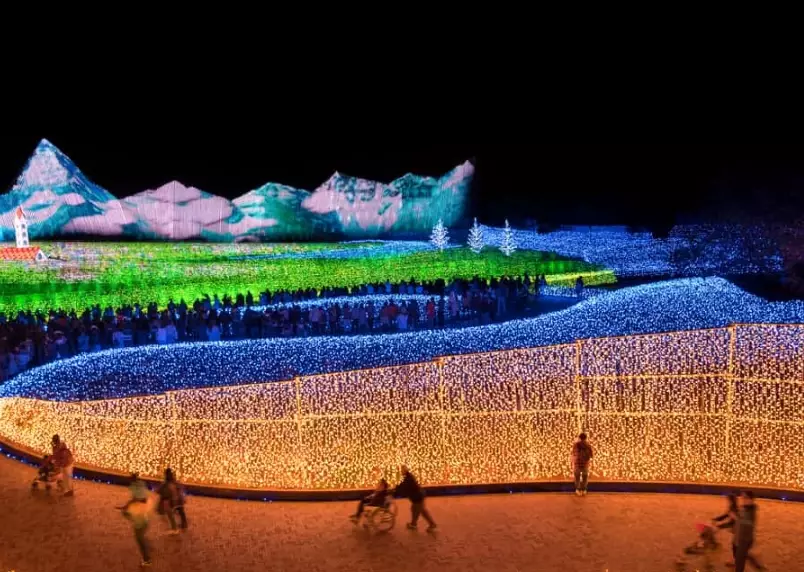
The season is long, but it has peaks and valleys.
Pro Tip: While many illuminations start in early November, the absolute best time to visit for the full, polished experience is from mid-December to late February. This is when everything is fully operational, the festive atmosphere is at its peak, and the winter chill makes the warm glow of the lights even more inviting.
Let's break it down:
- Late Oct - Late Nov (The Soft Launch): Some places, especially botanical gardens or theme parks, start early. The crowds are thinner, which is a huge plus. But sometimes not all features are turned on yet. It's a trade-off.
- Early Dec - 25 Dec (The Christmas Rush): This is peak festive energy. The crowds build significantly, especially on weekends. Hotels are more expensive. But the atmosphere is electric, with Christmas markets popping up alongside the lights. If you love the holiday buzz, this is your window.
- 26 Dec - Early Jan (New Year Lull & Reset): A strange little period. Many Japanese are traveling to their hometowns (Oseibo) or staying in for the New Year holidays. Some illuminations might close for a day or two around Dec 31/Jan 1. Crowds can dip temporarily, then surge again for the first shrine visits of the year (Hatsumode). It's a bit unpredictable.
- Mid-Jan - Feb/Mar (The Winter Magic): My personal favorite period. The Christmas-specific decor might be gone, but the core light displays remain and are often breathtaking. Crowds are more manageable on weekdays. The winter nights are long and crisp, perfect for light-viewing. This is when you can really take your time.
One more thing about timing: check the specific end date! Some end in early January, others go until early April. The official Japan National Tourism Organization (JNTO) website is a reliable, authoritative source for seasonal event calendars and can help you confirm dates.
Top 3 Winter Illuminations in Japan You Can't Miss
Alright, let's get to the good stuff. With hundreds of displays across the country, how do you choose? Based on scale, originality, and that undeniable “wow” factor, here are three that consistently top the lists (and for good reason).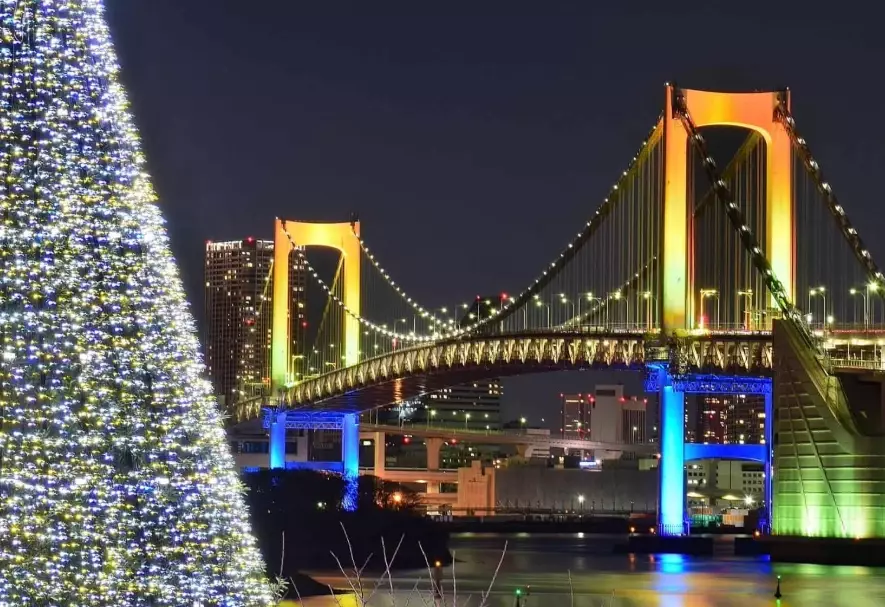
1. Nabana no Sato (Island of Nonoha), Kuwana, Mie Prefecture
This one is a legend. It's not in Tokyo or Osaka, but in a massive flower park near Nagoya, and people make pilgrimages for it. The scale is almost incomprehensible. We're talking over 8 million LED lights.
The main attraction is the “Sea of Light,” a vast, immersive field that changes color. But the real showstopper is the tunnel. I'm not exaggerating when I say it's probably the most photographed tunnel of lights in the world. Walking through it feels surreal.
Vibe: Spectacular, theme-park-like, incredibly photogenic. More focused on natural landscapes (flowers, tunnels, rivers of light) than characters.
Best for: Photographers, couples, families who don't mind crowds for an unparalleled visual experience.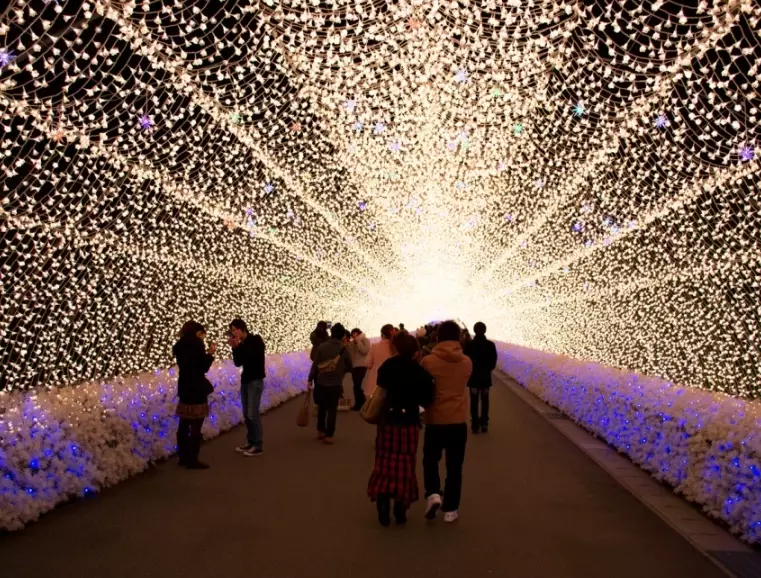
Downside: It's a dedicated park, so there's an entrance fee (which includes a garden voucher). It can feel very crowded, and it's a bit out of the way if you're not already in the Chubu region.
2. Caretta Shiodome Illumination, Tokyo
This is the quintessential Tokyo winter illuminations experience. Glamorous, sleek, and set against the backdrop of Shinbashi's skyscrapers. For years, their theme was “The Forest of the Sea and Sky,” a stunning, synchronized light and music show in the plaza's reflecting pool area.
The themes change periodically, so it's worth checking what the current year's show is. The production value is always sky-high. It feels like a professional stage show, but with lights and water.
Vibe: Urban, sophisticated, artistic. Less “wander through a garden” and more “watch a breathtaking performance.”
Best for: Adults, couples on a date, anyone who wants a free, high-class illumination experience right in the heart of Tokyo. It's close to Ginza and Hamarikyu Gardens, perfect for an evening stroll.
Downside: It's a show you watch from the perimeter, not one you walk through. The viewing area gets extremely crowded, especially right after the show starts. You need to stake out a spot early or be prepared to watch from the back.
3. Kobe Luminarie, Hyogo Prefecture
This one is different. It has soul. The Kobe Luminarie wasn't created for tourism or profit. It was first held in 1995 as a memorial and symbol of recovery for the Great Hanshin Earthquake. That origin story gives it a powerful, solemn, and hopeful atmosphere that you can feel in the air.
The design is Italian-made, featuring intricate, cathedral-like arches of light that fill entire city blocks. The color palette is often more regal—golds, ambers, deep blues—compared to the rainbow spectacles elsewhere.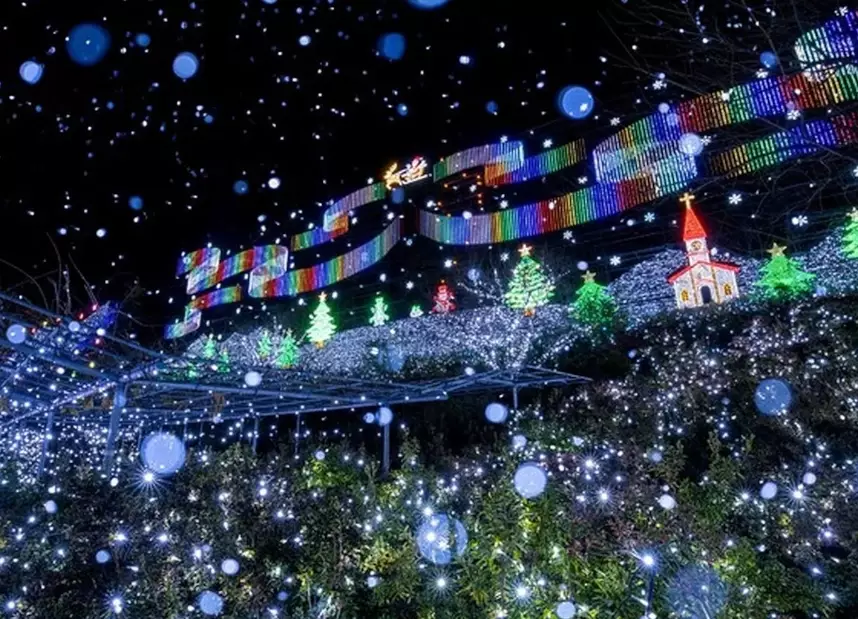
Vibe: Solemn, majestic, deeply meaningful. It's a moving community event as much as a light display.
Best for: Travelers interested in history and culture, those seeking a more reflective experience. It's a powerful reminder of resilience.
Downside: It runs for a limited time only (usually about 10 days in early December). Crowd control is strict, with long, snaking queues to enter the illuminated zone. You will be walking slowly in a massive crowd. Patience is required.
But wait, there are so many more! To help you compare some other heavy-hitters, here's a quick look at a few other famous winter illuminations Japan offers:
| Illumination Name | Location | Key Feature / Vibe | Good For |
|---|---|---|---|
| Ashikaga Flower Park Illuminations | Ashikaga, Tochigi | Fantastical flower & plant themes. Famous wisteria tunnels lit up. | Nature lovers, romantic settings, fewer city crowds. |
| Sagamiko Resort Pleasure Forest | Sagamihara, Kanagawa | Massive, hillside displays with music sync. “Mega Illumination” scale. | Families, a full evening out (has rides & activities). |
| Tokyo Midtown & Roppongi Hills | Roppongi, Tokyo | Two neighboring, upscale urban displays. Often chic, design-forward themes. | Easy Tokyo access, combining dinner/shopping with lights. |
| Huis Ten Bosch | Sasebo, Nagasaki | Entire Dutch-themed park illuminated. One of the largest in scale nationally. | A full getaway destination. Stunning, immersive, but requires travel to Kyushu. |
Your Practical Guide to Navigating the Winter Lights
Knowing where to go is half the battle. The other half is knowing how to go. Let's talk logistics, because a bad experience with crowds or cold can ruin the magic.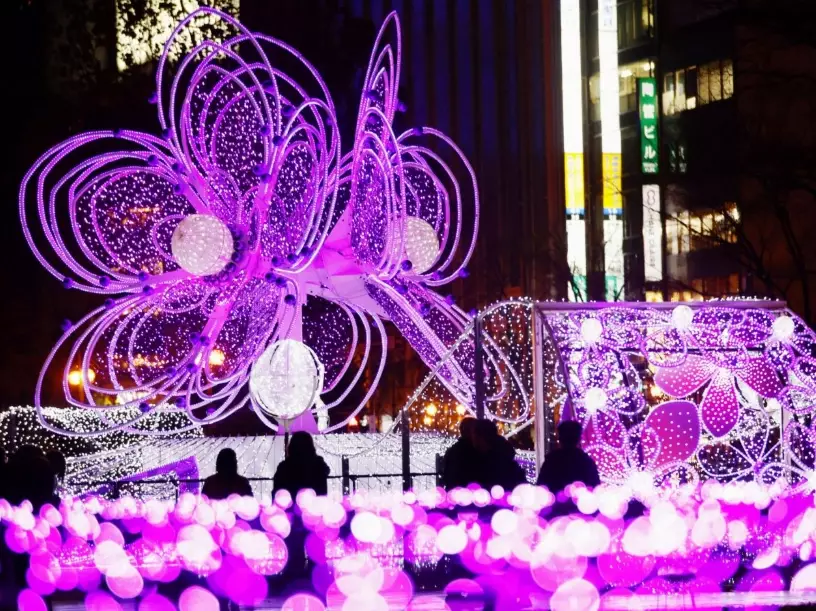
What to Wear: This is Non-Negotiable
You will be outside, standing or walking slowly, for potentially hours. Japanese winters, especially in Tokyo and northward, are damp and cold. That chill seeps into your bones.
- Layers are your best friend: Thermal base layer, a warm middle layer (fleece, wool), and a windproof/water-resistant outer shell.
- Extremities matter: A beanie or ear-covering headband, thick socks (consider heat packs for your shoes), and gloves you can use your phone camera with.
- Footwear: Waterproof or water-resistant boots with good insulation. Trust me on this.
Beating the Crowds: A Survival Guide
Crowds are the single biggest pain point for experiencing winter illuminations in Japan. Here’s how to minimize the pain:
- Go on a Weekday: This is the golden rule. Tuesday through Thursday are infinitely better than Friday to Sunday.
- Go Early or Very Late: Most people arrive between 6-8 PM. Try getting there right as the lights turn on (often 5-5:30 PM) or after 8:30 PM. The atmosphere is different later—quieter, more serene.
- Embrace the Weekday in January/February: After New Year's, the domestic tourist rush calms down significantly. A January Wednesday is your best friend.
- Check if Timed Tickets are Available: Some popular spots now offer timed entry tickets online. It's worth the extra planning and small fee to bypass the general admission line.
- Have a “Bail-Out” Plan: If the crowd at your first choice is insane, have a backup. Often, smaller, local station illuminations or shopping street displays can be just as charming and far less stressful.
Getting Around & Finding Info
Google Maps is your friend for train schedules. For illumination-specific info, I rely on a mix of:
- Official City/Tourism Websites: Like Tokyo's Official Travel Guide or the Osaka Official Guide. These are authoritative and have the most accurate dates and times.
- Dedicated Illumination Aggregator Sites: Websites like “Illumi-Navi” (in Japanese, but Google Translate works) are fantastic for discovering smaller, local displays.
- Train Station Flyers: Seriously! Local train lines often have flyers or posters advertising illuminations near their stations. It's a great way to find hidden gems.
Beyond the Big Cities: Discovering Hidden Gem Illuminations
While the famous ones are famous for a reason, some of my most memorable experiences have been at smaller, local displays. The pressure is off. You can breathe. You can actually hear the music synced to the lights.
Look for illuminations at:
- Local Parks or Botanical Gardens: Often funded by the city, they can be surprisingly elaborate and beautiful.
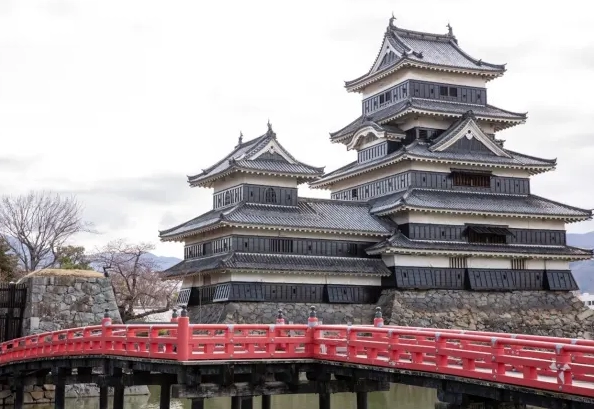
- Illuminated Castle Grounds: Places like Himeji Castle or Matsumoto Castle sometimes have special winter light-ups. Seeing a historic castle framed by lights is magical.
- Shopping Arcades (Shotengai): Local shopping streets often put up lovely, humble displays to attract customers. It feels community-focused and cozy.
The charm here is in the lack of international crowds. It feels more “Japanese,” more intimate. You might be sharing the view with a handful of locals and their kids.
Frequently Asked Questions (Stuff You Really Want to Know)
Wrapping It Up: Making Your Winter Lights Dream a Reality
Planning a trip around Japan's winter illuminations is one of the best travel decisions you can make. It's a unique cultural phenomenon that blends art, technology, and seasonal tradition into something genuinely magical.
The key is to manage expectations. It will be cold. The famous spots will be crowded. But if you plan smart—pick your spots, go on a weekday, dress like you're climbing a mountain—you'll unlock an experience that's straight out of a fairy tale.
Start with one or two of the big names to get that iconic experience. Then, leave an evening free to wander and discover a smaller, local display. That combination gives you both the spectacle and the soul of Japan's winter light culture.
Finally, remember that these illuminations are a gift of the season. They're temporary, fleeting. That's part of their beauty. So take a deep breath of the cold air, look up at the millions of tiny lights pushing back the winter darkness, and just enjoy the moment. It's pretty amazing.
For the most reliable, up-to-date planning information, always cross-reference with official sources like the Japan National Tourism Organization and the official websites of the cities or prefectures you plan to visit. They have the facts you need to build your perfect winter lights itinerary.
Share Your Thoughts