A Japan pottery tour isn't just shopping for bowls. It's a journey into the soul of Japanese aesthetics, where earth, fire, and centuries of skill converge. You'll stand where legendary kilns once roared, feel the cool clay spin under your fingers, and learn to see the quiet beauty in a single glaze crackle. Forget the generic tourist trails. This is about connecting with the makers and the making. I've spent over a decade exploring these ceramic towns, and the biggest mistake I see is visitors treating them like museums—passive observers behind glass. The real magic happens when you get your hands dirty. Let's plan a trip that goes deeper.
Your Journey at a Glance
- Why a Pottery Tour is the Best Way to See Japan
- Planning Your Route: The Three Must-Visit Kiln Towns
- Arita: The Birthplace of Japanese Porcelain
- Mashiko: The Heart of Mingei Folk Pottery
- Seto: Japan's Oldest Ceramic Center
- Finding & Booking Hands-on Pottery Workshops
- Essential Travel Tips for Pottery Tourists
- Your Pottery Tour Questions Answered
Why a Pottery Tour is the Best Way to See Japan
Most tours show you Japan. A pottery tour lets you feel it. You travel by local train through landscapes that supplied the clay. You stay in towns where the rhythm of life is set by firing schedules. You meet the artisans—the shokunin—whose families have done this for generations. It's slow travel with a purpose. Every piece you later use at home becomes a tangible memory. It's also surprisingly practical. These towns are often off the crowded Golden Route, offering more authentic interactions and better value. You're not just a spectator; you're a participant in a living tradition.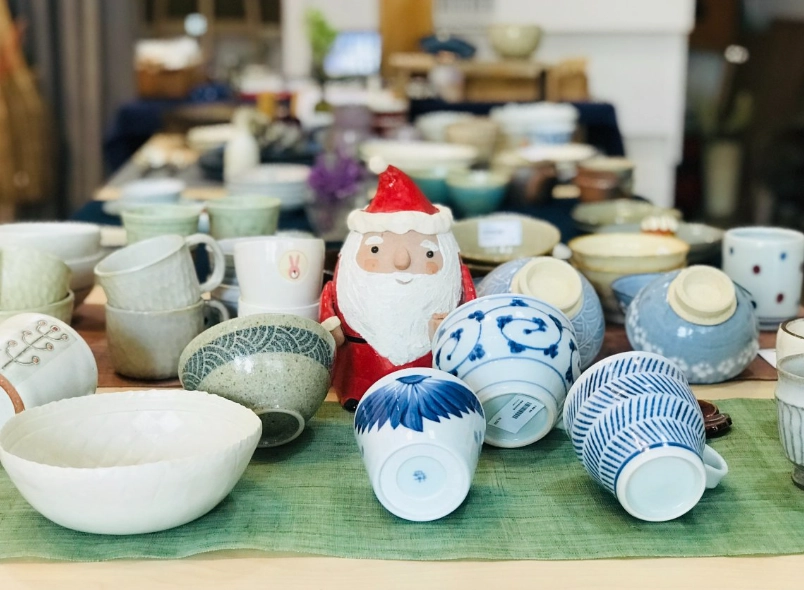
Planning Your Route: The Three Must-Visit Kiln Towns
Japan has dozens of pottery regions, but for a first tour, focus on three that offer contrast in style, history, and experience. I recommend a 7-10 day trip linking them. Here’s the core comparison:
| Town & Region | Signature Style | Best For | Nearest Major City/Transport Hub |
|---|---|---|---|
| Arita (Saga Prefecture, Kyushu) | Elegant, white porcelain with cobalt blue underglaze painting (Arita-yaki). | History buffs, collectors of fine tableware, seeing iconic Imari ware. | Take the JR Limited Express from Fukuoka (Hakata Station) to Arita Station (≈1.5 hours). |
| Mashiko (Tochigi Prefecture, Kanto) | Rustic, sturdy folk pottery with thick glazes (Mashiko-yaki). | Hands-on workshops, affordable everyday pieces, a relaxed, artistic vibe. | From Tokyo, take the JR Utsunomiya Line to Utsunomiya, then transfer to the JR Mito Line to Mashiko Station (≈2.5 hours total). |
| Seto (Aichi Prefecture, Chubu) | Diverse styles, known for high-quality glazes and modern tableware (Seto-yaki). | Seeing a working "kiln town" integrated into a city, modern ceramic art. | From Nagoya Station, take the JR Chuo Line to Seto Station (≈25 minutes). |
The logical route is: Fly into Fukuoka for Arita, then take the Shinkansen to Tokyo, base for Mashiko, then Shinkansen to Nagoya for Seto before departing. It gives you a perfect cross-section.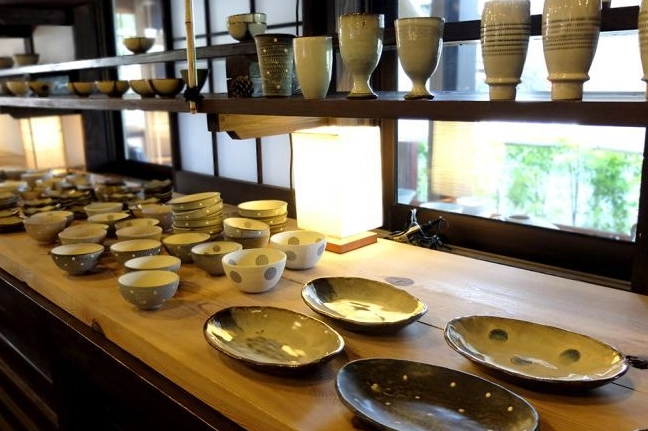
Arita: The Birthplace of Japanese Porcelain
Walking through Arita is like stepping into a history book. In the early 1600s, Korean potters discovered kaolin clay here, and Japanese porcelain was born. The town is compact, with old kiln sites and merchant houses tucked along the hills.
What to Do and See in Arita
The Arita Porcelain Lab is a good, modern starting point. It's not a lab in the science sense, but a beautifully curated showroom explaining the history and styles. Free entry. From there, hike up to the Izumiyama Quarry. This is the sacred source—the raw mountain of white stone that started it all. It’s humbling.
The Arita Ceramic Art Museum (¥300, closed Mondays) has a stellar collection. Don't just look at the patterns; get close and see the incredible thinness and translucency of the early pieces. That's the skill.
For shopping, the Tōzan Shrine area has galleries in old samurai residences. Kami-Arita (Upper Arita) street is lined with flagship stores of major kilns like Imaizumi Imaemon and Fukagawa Seiji. Be prepared for prices that match the quality—a fine tea bowl can easily be over ¥50,000. But smaller items like kobachi (small dishes) are more accessible.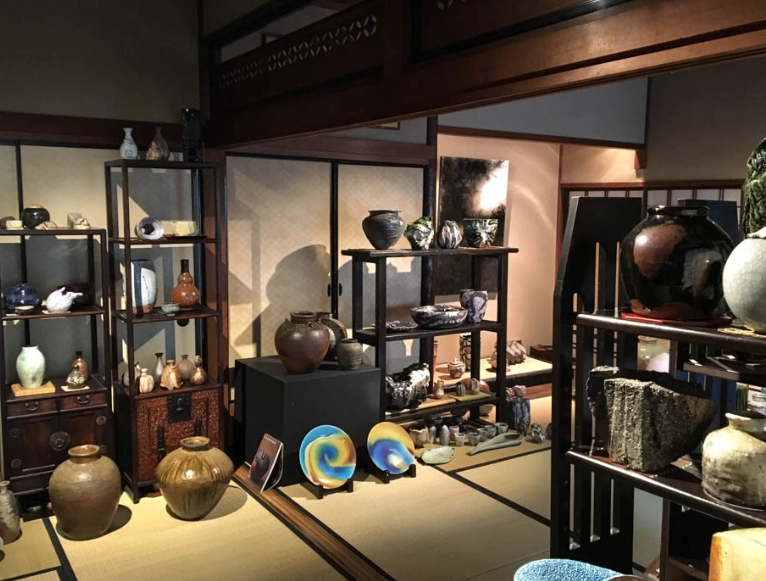
Local Insight: Many tourists miss the smaller, active kilns just off the main streets. Look for signs that say "kama" or "kōbō". Kilns like Ryūzanjō often allow quiet viewing of their grounds and have showrooms with stunning, contemporary takes on classic Arita blue-and-white. The Japan National Tourism Organization's website has a good map, but the Arita Tourist Association office right outside the station has the best paper maps with all current kilns marked.
Mashiko: The Heart of Mingei Folk Pottery
Mashiko is the polar opposite of Arita. Where Arita is refined and historic, Mashiko is earthy, approachable, and alive with working potters. It was put on the map by the philosopher Shōji Hamada, a Living National Treasure who championed the mingei (folk craft) movement. His ethos—that beautiful, functional pots should be part of daily life—still defines the town.
The Mashiko Experience
First stop should be the Mashiko Sankōkan Museum (¥800, closed Thursdays). It's Hamada's former home and workshop, preserved exactly as he left it. Seeing his kick-wheel and the ash deposits in his noborigama (climbing kiln) is incredibly powerful. You understand the man through his space.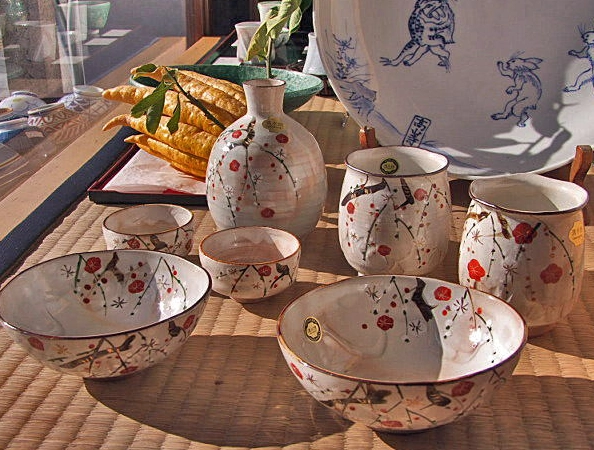
The town is a sprawling collection of hundreds of small kilns and studios. Rent a bicycle from the station (around ¥500/day) to explore. You'll find everything from traditional donabe (clay pots) to wild, sculptural pieces.
Timing is everything. If you can, plan your visit for one of the major Mashiko Pottery Fairs (held in late April/early May and early November). The whole town turns into a massive market with over 500 stalls. It's chaotic, wonderful, and the best place to buy directly from potters at great prices. Accommodation books up a year in advance for these, though.
Seto: Japan's Oldest Ceramic Center
Seto is where the word for ceramics in Japanese, setomono, literally "things from Seto," originates. It's less of a quaint town and more of a city built around ceramics. The industry is visible, with factory outlets alongside ancient kiln ruins.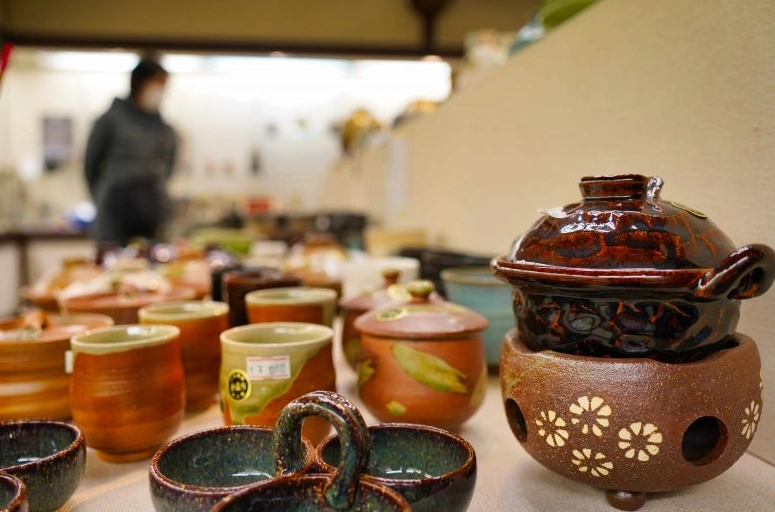
Navigating Seto's Ceramic Landscape
The Seto-Gura area is the cultural heart. It's a complex of red-brick former factory buildings now housing museums, galleries, and workshops. The Seto City Ceramic Center here is excellent for hands-on experiences (more on that below).
You must visit the Seto Ceramic and Glass Art Center (SCG) (free entry). Its permanent collection walks you through a thousand years of technical innovation, from early ash-glazed jars to cutting-edge art. It contextualizes everything you've seen in Arita and Mashiko.
For a unique view, hike the Ceramic Footpath (Setomono Kaidō). This 6km trail connects old kiln sites, shrines dedicated to clay gods, and lookout points over the city. It’s a physical journey through ceramic history. Pick up a map at the tourist info center.
Shopping here is fantastic for modern, functional tableware. The Kameyama area has clusters of studio-showrooms. Don't be shy about going in; potters are usually happy to talk if they're not at the wheel.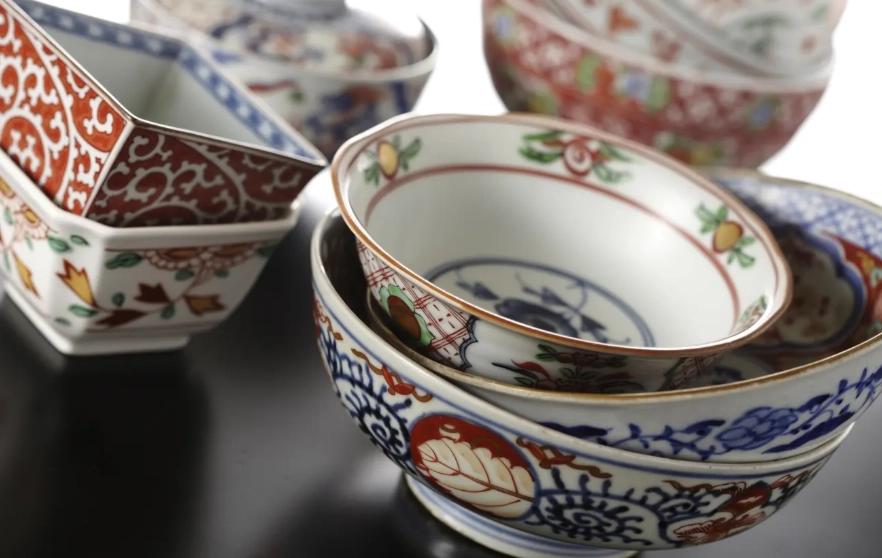
Finding & Booking Hands-on Pottery Workshops
This is the non-negotiable part of the tour. Making something, however lopsided, changes how you see every piece afterwards.
- In Mashiko: Dozens of studios offer short workshops. Tsukamoto Masahiro's Studio is a favorite. He speaks some English and is wonderfully patient. A 90-minute wheel-throwing session where you make 1-2 pieces costs about ¥3,500. They'll glaze and fire them for you (shipping costs extra, takes 2-3 months). Book via email a few weeks ahead.
- In Seto: The Seto City Ceramic Center (in Seto-Gura) is the most foreigner-friendly. They have structured courses (painting, wheel-throwing) with English pamphlets. A painting workshop on a pre-made plate is about ¥2,000 and you can take your piece home after an hour of drying. Wheel-throwing is also available. Book on their website or just walk in.
- In Arita: Hands-on experiences are less common but growing. Arita Porcelain Park offers painting workshops on bisque-fired porcelain. It's more touristy but a good option if you're short on time.
My pro tip: Don't aim for perfection in a workshop. Embrace the wobble. The value is in the process—the feel of centering the clay (it's harder than it looks), the sound of the wheel. That memory is your real souvenir.
Essential Travel Tips for Pottery Tourists
Shipping Your Treasures: This is the biggest headache. Don't assume studios will handle it. Many small places only ship domestically. Your best bet is to visit the local Yamato Transport (Kuroneko) or Japan Post (Yūbin) office yourself. Bring a roll of bubble wrap. They sell sturdy boxes and will pack and ship internationally right there. Sea mail is cheap but takes 2-3 months. Air mail is faster but pricey for heavy items. Insure it.
What to Buy: Resist buying the first thing you see. By day three, you'll have a better eye. Look for pieces that speak to you, not just the "famous" style. A tiny Mashiko yunomi (tea cup) you'll use daily is better than a costly Arita vase that sits in a cabinet. Check for cracks or glaze flaws—a small kannyū (crackle) is often desirable, but a sharp crack isn't.
Etiquette at Studios: If a studio has a "Showroom" or "Gallery" sign, it's open. If it just says "工房" (workshop), it's polite to knock or call out "Gomen kudasai" (Excuse me). Don't touch tools or unfired work. Photos usually require permission—just ask "Shashin o totte mo ii desu ka?"
Getting Around: A JR Pass is worth it for the long Shinkansen legs between regions. Locally, buses are infrequent in these towns. Renting a car (international license required) gives incredible freedom to visit remote kilns, but parking can be tight. Bicycles are ideal for Mashiko and parts of Arita.
Where to Stay: Opt for local guesthouses (minshuku) or small hotels. In Mashiko, Pension Yururi is a lovely, pottery-themed B&B run by a friendly potter. In Arita, the Arita Hotel is a bit dated but full of character. Book early, especially outside major cities.

Share Your Thoughts