Let's clear something up right away. When you hear "winter illuminations in Japan," your mind might jump to the famous, ticketed events like Nabana no Sato or Ashikaga Flower Park. They're stunning, sure. But what if I told you some of the most magical, awe-inspiring light displays across Tokyo, Osaka, and other cities cost absolutely nothing? The secret is that Japan's public spaces, shopping districts, and even corporate plazas put on shows that rival the paid attractions. The challenge isn't finding them—it's knowing *which* free ones are worth your cold winter night and how to experience them like a pro.
Your Quick Guide to Free Winter Lights in Japan
Tokyo's Must-See Free Illuminations
Tokyo is a goldmine for free winter lights. The trick is timing and location. Forget just wandering around—here’s where you need to be.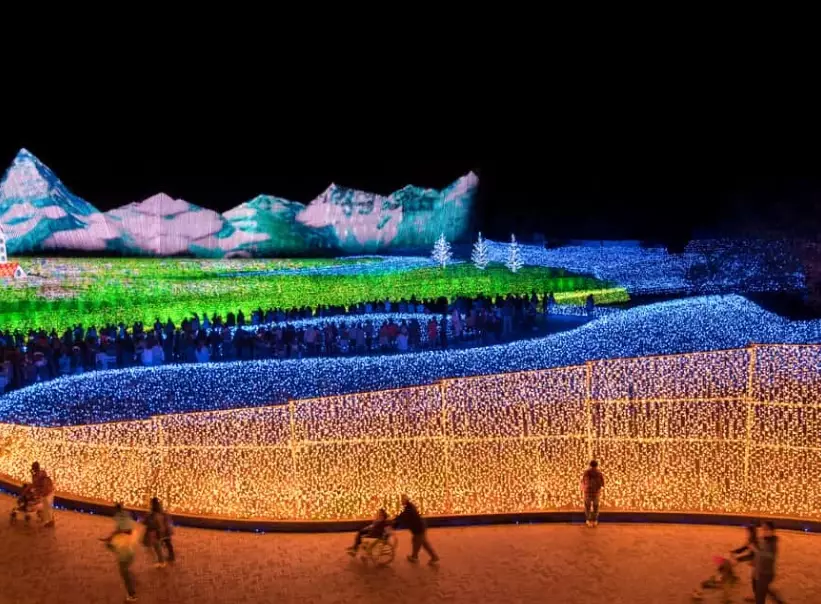
1. Marunouchi / Tokyo Station Area
This is classic, elegant Tokyo. The Chiyoda Ward office and local businesses sponsor the Marunouchi Illumination. Imagine about 200 trees along the boulevard between Tokyo Station's Marunouchi exit and the Imperial Palace, wrapped in over a million champagne-gold LEDs. It feels luxurious but is completely free.
Key Info: It typically runs from early November to late February. Lights are on from 5:00 PM to 11:00 PM (sometimes until midnight). The closest exit is the Marunouchi Central Exit of Tokyo Station. A pro move? View it from the pedestrian paths in the middle of the street for the best photos.
2. Roppongi Hills & Midtown Area
Roppongi is illumination central. While the Roppongi Hills complex itself has paid areas, the public spaces are fantastic. The Keyakizaka Street leading up to the Mori Tower is lined with trees glowing in sync with music. Just a short walk away, Tokyo Midtown illuminates its garden with themed displays. Stroll between them—it's all free outdoor viewing.
I made a mistake here once. I went on a Saturday at 8 PM. It was a wall of people. Now, I go on a Tuesday around 6:30 PM. The experience is ten times better.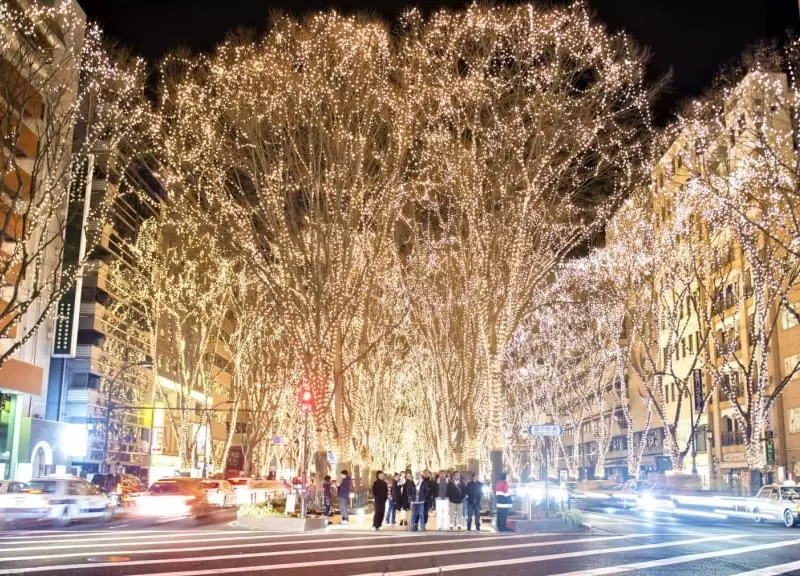
3. Shinjuku Southern Terrace
Directly connected to Shinjuku Station's South Exit, this is the ultimate convenient spot. The Shinjuku Southern Terrace Illumination features a canopy of blue and white lights. It's not the largest, but its location is unbeatable if you're short on time. Combine it with a visit to the free observatory at the Tokyo Metropolitan Government Building for a full evening.
| Location | Main Feature | Typical Dates | Nearest Station | Pro Tip |
|---|---|---|---|---|
| Marunouchi | Champagne-gold tree-lined boulevard | Early Nov - Late Feb | Tokyo Sta. (Maru. Exit) | Best for a classic, romantic stroll. |
| Roppongi Area | Music-synced lights on Keyakizaka St. | Early Nov - Late Dec | Roppongi Sta. | Visit on a weekday evening to avoid crushing crowds. |
| Shinjuku S. Terrace | Blue/white light canopy | Mid Nov - Mid Feb | Shinjuku Sta. (South Exit) | Perfect for a quick visit before or after dinner. |
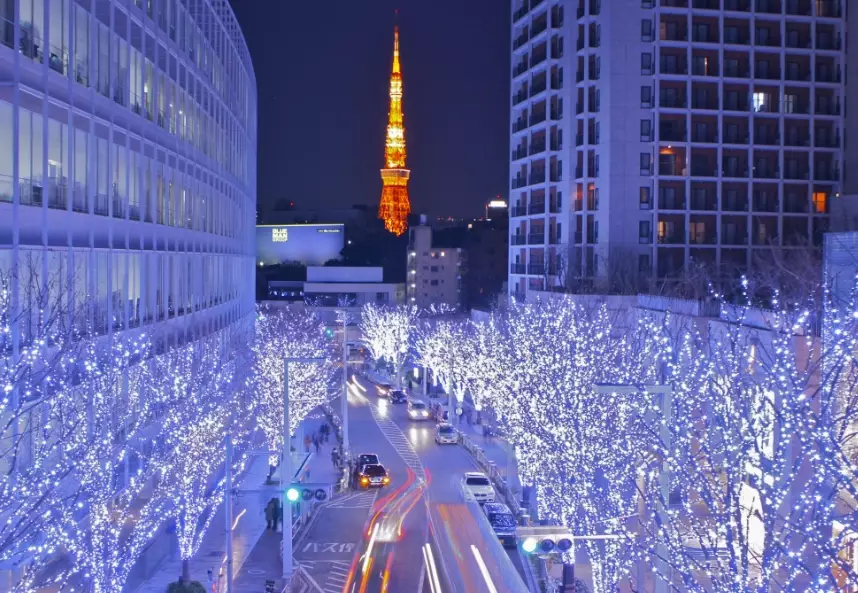
| Shibuya Blue Cave (Note: Sometimes free, sometimes scaled back) | Blue tunnel of lights along streets | Late Nov - Late Dec | Shibuya or Omotesando Sta. | Check current year's status, as it has changed format. |
Osaka & Kansai's Dazzling Free Displays
Kansai gives Tokyo a run for its money (pun intended) with sprawling, vibrant free displays.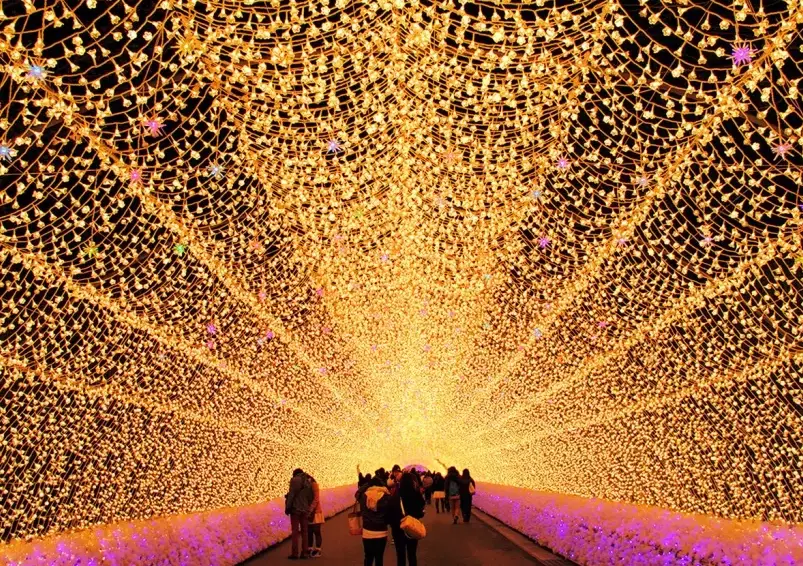
Midosuji Illumination (Osaka)
This is Osaka's iconic display. For nearly 4 kilometers along Midosuji Boulevard, the ginkgo trees are illuminated with different themes for each block. It's entirely free to walk along. Start at Osaka Station (Umeda) and walk south towards Namba, or just hop off at any subway station along the Midosuji line like Shinsaibashi. The scale is what's impressive here—it feels endless.
Key Info: Usually runs from early November to late December, then again for a period in February. Lights are typically from 5:00 PM to 11:00 PM. It's a major public project by the Osaka City government, so it's reliably free and well-maintained.
Kobe Luminarie (A Special Case)
I need to be honest about Kobe Luminarie. It's a world-class, breathtaking memorial illumination event. And it's free to enter. However, it's also the most crowded free event you'll ever attend. We're talking hours in a tightly packed queue just to enter the designated walking path. Is it worth it? For the artistry and history, yes, once. But if you dislike immense crowds, a free stroll along nearby Kobe Harborland's more relaxed lights might be a happier choice.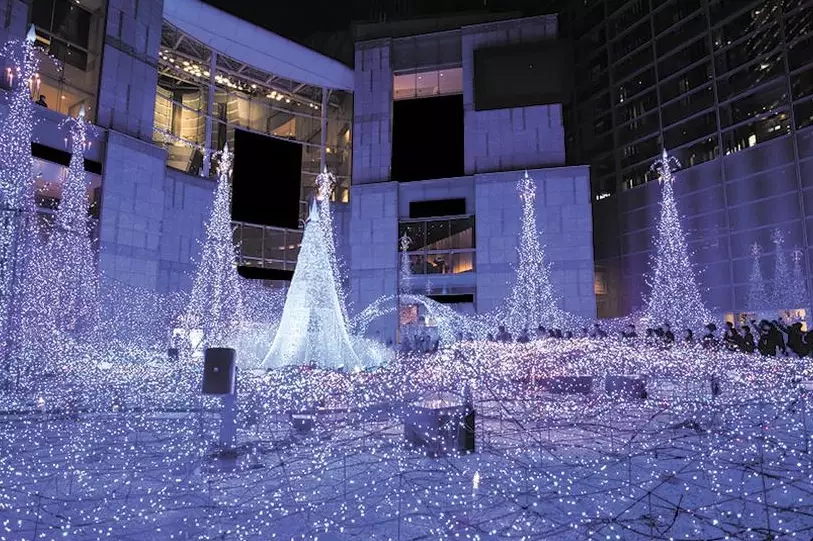
Beyond the Big Cities: Hidden Gems
This is where you beat the guidebooks. Many smaller cities or suburban hubs put on incredible free shows to attract visitors.
- Yokohama Minato Mirai: The area around the Red Brick Warehouse and the waterfront path often has beautiful, free illuminations integrated into its seasonal markets. The view of the lights with the Ferris wheel and ships in the background is postcard-perfect.
- Sapporo White Illumination (Odori Park Site): While some events in Sapporo are ticketed, the illumination along the iconic Odori Park in the city center is free to walk through. Combined with the snow, it's a uniquely Hokkaido winter wonderland.
- Local Station Illuminations: Don't overlook major suburban train stations. Places like Tachikawa Station (Tokyo) or Omiya Station (Saitama) often have impressive free displays in their station squares or nearby parks, designed for local families and commuters.
Insider Fact: Many of Japan's most beautiful free illuminations are funded by local business associations (shōtengai or dōri-kai) or corporate sponsors as a public service and to drive foot traffic. That's why you'll often find them in shopping districts. It's a win-win.
Pro Tips for the Best Free Illumination Experience
Seeing them is one thing. Enjoying them properly is another.
Timing is Everything: Go just after sunset, during what photographers call "blue hour." The sky has a deep blue hue that makes the lights pop incredibly in photos. By 7:30 PM, the sky is just black. Weekdays are always, always less crowded than weekends.
The Dress Code is Warmth: You will be standing and walking outside, potentially for hours. This isn't a dash from a taxi to a door. Thermal layers, a good hat, gloves, and warm, comfortable boots are non-negotiable. I see too many people shivering in fashionable but thin coats, utterly miserable.
Photography Hack: If you're using a smartphone, tap and hold on the brightest part of the lights on your screen to lock the focus and exposure. This stops the phone from constantly adjusting and darkening the beautiful lights. A tiny portable tripod can work wonders for sharp shots.
Check Official Sources: Dates and times can shift slightly year to year. Before you go, a quick search for the current year's event on the official city tourism website (like the Tokyo Official Travel Guide) or the ward's website is worth five minutes. It confirms the details and might reveal a new, hidden spot.
Your Questions Answered
The magic of Japan's winter isn't locked behind a ticket booth. It's lining the streets, welcoming everyone. With this map of where to go and how to do it right, you're set for an unforgettable, and completely free, sparkling adventure.

Share Your Thoughts