Essential Guidepoints
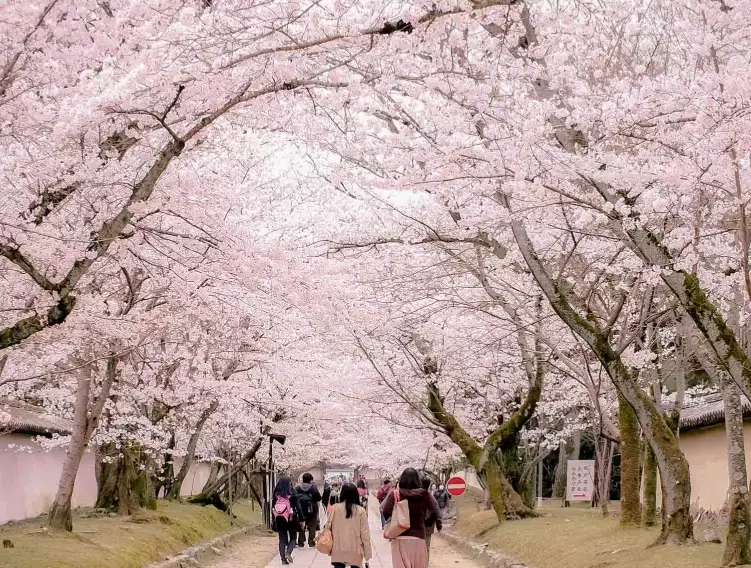
Let's be real for a second. You've probably seen those dreamy videos of cherry blossoms in Kyoto, or the insane energy of Shibuya Crossing, and thought, "I want to live there." It's a common dream. But then, a quiet, nagging worry creeps in. What are the actual Japanese rules for foreigners? Is it all just bowing and taking your shoes off, or are there real, concrete laws that can get you in trouble if you mess up?
The short answer is yes, there are plenty. But here's the good news: most of them are just common sense wrapped in a layer of cultural nuance. The problem is, nobody sits you down when you land at Narita and gives you the rulebook. You're expected to just... know. Or figure it out after you've accidentally offended someone or gotten a fine.
I've been there. I remember my first month in Tokyo, standing frozen in front of a bank of seven different trash bins, clutching a yogurt container like it was a live grenade. I've also been on the receiving end of that very polite but firm stare from a train conductor for talking just a bit too loudly on my phone. It's a learning curve.
So, consider this your unofficial, practical handbook. We're not just talking about etiquette here. We're diving into the legal stuff, the administrative hurdles, and the daily life protocols that form the real framework of Japanese rules for foreigners. This isn't about memorizing every single law; it's about understanding the mindset so you can navigate life here smoothly, avoid unnecessary headaches (and fines), and actually enjoy your time.
The Big One: Immigration and Your Legal Status
This is the absolute foundation. Everything else—opening a bank account, renting an apartment, getting a phone—flows from your visa status. Ignorance is not an excuse with Japanese immigration, and overstaying or working on the wrong visa can lead to deportation and a ban from re-entering.
Your visa or status of residence defines what you can do. A tourist visa means you're a guest. A work visa means you're employed by a specific sponsor. A student visa means you're here to study. Cross those lines, and you're in violation.

Key Statuses of Residence You Need to Know
Japan has a bunch of these. Here are the ones you're most likely to encounter or aim for:
- Tourist Visa (Temporary Visitor): Usually 90 days for many nationalities. No work allowed. Zero. Not even remote work for a company outside Japan if you're being paid—this is a gray area that's getting more scrutiny.
- Work Visas: These are specialized. Engineer/Specialist in Humanities/International Services, Instructor, Skilled Labor, etc. Your company sponsors you, and the visa is tied to that job. Want to change jobs? You need to notify immigration and often get a new certificate.
- Student Visa: Allows part-time work up to 28 hours a week (40 during long vacations) with prior permission.
- Spouse or Child of Japanese National/ Permanent Resident: Fewer work restrictions.
- Permanent Residency (PR): The holy grail. Takes years of continuous residence (usually 10, or 5 if on a points-based Highly Skilled Professional visa), stable income, and good conduct. It gives you the freedom to work anywhere and stay indefinitely.
So, what's the first thing you do after getting a mid-to-long-term visa? You cannot just go to your new apartment and start living.
The Resident Registration Tango: Jūminhyō and Zairyū Card
Within 14 days of moving into your address, you must go to the local city ward office (kuyakusho or shiyakusho). This is non-negotiable. You bring your passport, visa, and probably a rental contract. They will register your address and give you a Jūminhyō (Resident Record) extract. More importantly, they will register your address on your Zairyū Card (Residence Card).
This little plastic card is your lifeline. You must carry it with you at all times by law. A police officer can ask to see it. If you lose it, report it immediately to the police and then to immigration. If you move, you have to repeat the ward office process within 14 days of moving to your new place. Forget this, and you're looking at fines.
It sounds bureaucratic, and it is. But it's the core of your legal identity here. No registered address? Good luck getting a bank account, a phone contract, or even certain point cards.
Navigating Daily Life: The Unspoken Social Contract
Okay, legal stuff out of the way. Now for the part that can cause daily friction if you don't get it. Japanese society runs on harmony (wa). The overarching principle of Japanese rules for foreigners in daily life is: don't cause trouble or inconvenience to others (meiwaku). This isn't a law, but it's more powerful than many laws.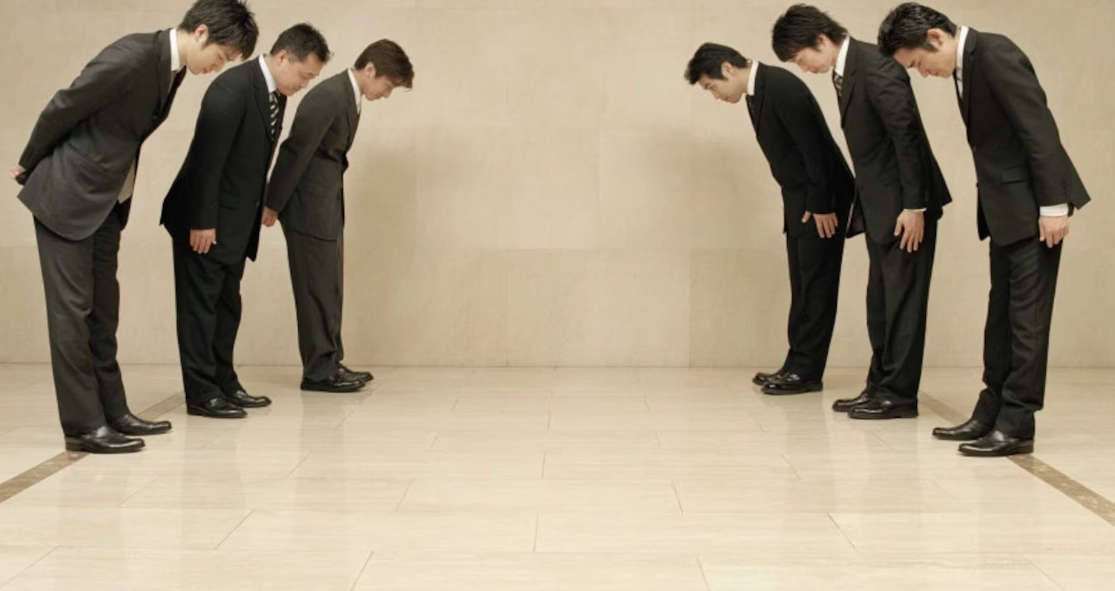
Public Behavior 101
- Trains and Buses: This is a mobile library. Silence is golden. Phone calls are a major taboo—text instead. Set your phone to silent mode (not just vibrate). If you must take a call, go between cars or get off at a station. Talking at a normal volume with your friend is fine, but loud, boisterous laughter or conversations will draw stares. Priority seats are for the elderly, pregnant, infirm, etc. Don't sit there unless you fit the category, and definitely give them up if needed.
- Walking and Smoking: Don't smoke while walking. Many cities have designated smoking areas. Look for them. Also, don't eat while walking. It's considered messy and impolite. Find a bench or stand in a corner.
- Trash Disposal: This is the legendary hurdle. There is no single "Japanese rule for foreigners" on trash—each municipality has its own strict rules. Generally, you'll have burnable, non-burnable, PET bottles, cans, glass, and paper/cardboard. You must sort them, rinse containers, and put them out on the correct day. Miss your day? You keep that smelly bag for a week. Your landlord or city will give you a guide. Study it.

| Common Trash Type | Typical Rules | Common Mistakes |
|---|---|---|
| PET Bottles | Rinse, remove cap and label (often separate). Crush. | Leaving liquid inside, not removing the cap (which is often a different plastic type). |
| Cans (Aluminum/Steel) | Rinse, crush if possible. | Putting aerosol cans (pressurized) in with regular cans. These are often hazardous waste. |
| Glass Bottles | Rinse, often separated by color (clear, brown, other). | Putting ceramics or heat-resistant glass (like Pyrex) in here. That's non-burnable. |
| Burnable (Moeru Gomi) | Food scraps, soiled paper, non-recyclable plastic. | Putting plastic that has the recyclable symbol but isn't collected in your area. |
| Non-Burnable (Moenai Gomi) | Small metal items, ceramics, broken glass, certain plastics. | Putting oversized items or electronics here (they require special pickup). |
See? It's a system. A confusing one at first, but it works.
Money and Tipping
Cash is still king in many smaller establishments, rural areas, and even some older shops in cities. Always carry some. Cards are widely accepted in department stores, chains, and hotels, but don't assume.
There is no tipping culture. None. Leaving money on the table will confuse staff, and they will likely chase you down to give it back. The price you see is the price you pay. Service is included. A nice exception is at high-end ryokan (traditional inns) where you might leave a small cash gift in an envelope for your attendant, but it's not expected from foreigners.
On the Road: Driving Rules That Might Surprise You
If you're thinking of driving in Japan, your home country license usually only lets you drive for one year. After that, you need to get a Japanese driver's license. This often involves a written test and a practical test, which has a reputation for being... nitpicky. Some countries have reciprocity agreements that allow a simple conversion, but many don't.
Driving is on the left. That's the obvious one. Here are some less obvious Japanese rules for foreigners behind the wheel:
- No Turn on Red: Unless there is a specific blue sign with a white arrow that says 「矢印の信号があるときは、矢印の方向に進むことができます」 (you can proceed in the direction of the arrow when the arrow signal is on), you cannot turn on a red light. Ever. This catches so many people out.
- Strict Drunk Driving Laws: The legal limit is extremely low (0.03% BAC). Being "over the limit" can mean one beer. The penalties are severe, including imprisonment. The passenger and the person who served the alcohol can also be held liable. Just don't.
- Headlights: Many older, narrower roads don't have streetlights. Using your headlights at night (and in tunnels) is a must. Daytime running lights aren't a standard rule, but it's good practice.
- Parking: You cannot park just anywhere. Look for proper parking lots (chūshajō). Illegal parking (okushaw) is heavily enforced by roaming tow trucks, and the fines are steep (¥15,000-¥18,000). They are fast.
Honestly? For city living, public transport is so good that you often don't need a car. For rural life, it's essential.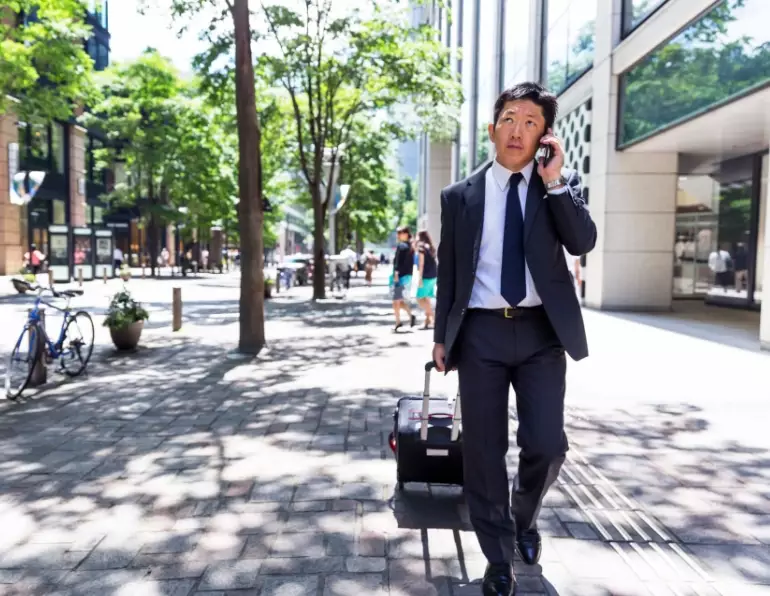
Work Culture: More Than Just Business Cards
If you're here on a work visa, you'll be immersed in this. Japanese work culture is a topic for a whole book, but here are some key Japanese rules for foreigners in the office.
Hierarchy and Respect: It's important. Use honorifics (-san) unless explicitly told not to. The exchange of business cards (meishi) is a ritual. Present and receive with both hands, take a moment to read it, don't just shove it in your pocket. Treat it with respect.
Punctuality: Being on time is being late. Aim to be 5-10 minutes early for meetings.
Consensus and Indirect Communication: Decisions can be slow because they require building consensus (nemawashi). People may be indirect with criticism or disagreement. A "that might be difficult" (muzukashii desu ne) often means "no." Reading the air (kuuki o yomu) is a prized skill.
Taxes and Pension: The Nitty-Gritty
Yes, you have to pay. If you're a resident (living in Japan for over a year), you're liable for income tax (shotokuzei) and resident tax (jūminzei). Resident tax is calculated based on the previous year's income and is billed by your local ward/city office. It often comes as a surprise the second year.
You are also enrolled in the National Pension (kokumin nenkin) and National Health Insurance (kokumin kenkō hoken) systems if you're not covered by your employer's shakai hoken. Paying into the pension is mandatory, and there can be consequences for non-payment if you plan to apply for Permanent Residency later. The health insurance is fantastic—you typically pay 30% of medical costs, and it's capped per month.
Quick-Fire Q&A: Stuff You Were Afraid to Ask
When in Doubt: Resources You Can Actually Trust
Don't just rely on forum posts from 2012. Information changes. For the most authoritative source on immigration and legal status, always refer to the Immigration Services Agency of Japan (ISA) website. It has English sections.
For general living information, your local city or ward office international exchange desk (kokusai kōryū shitsu) is an underused gem. They offer free consultation, Japanese classes, and guides in multiple languages.
The official Japan National Tourism Organization (JNTO) site is great for pre-arrival travel info and has some basic etiquette guides.
The Golden Rule Summary
At the end of the day, navigating Japanese rules for foreigners boils down to a simple mindset: Observe, Ask, and Adapt. Watch what the locals do. If you're unsure, it's okay to ask politely. Most Japanese people are incredibly patient and helpful if they see you're making an effort. And be prepared to adapt your habits. The goal isn't to become Japanese, but to be a respectful and aware guest or resident. Do that, and you'll unlock an incredibly smooth, safe, and rewarding experience in this amazing country.
It's a lot to take in, I know. When I first arrived, I felt like I was walking on eggshells. But after a while, these rules stop being rules and just become... the way things are done. And there's a certain comfort in that predictability. You'll find your rhythm. Just remember to carry your zairyū card, sort your PET bottles, and for the love of all that is good, don't talk on the phone in the quiet car.



Share Your Thoughts