In This Guide
- What Exactly Is the Japan Rail Pass? It's Not What It Used to Be.
- The Million-Yen Question: Is the Japan Rail Pass Worth It Anymore?
- Navigating the New Japan Rail Pass Types and Prices
- What's Covered (and More Importantly, What's Not)
- The Step-by-Step: Buying, Exchanging, and Using Your Pass
- JR Pass FAQs: Answering the Real Questions People Have
- Final Verdict: Should You Buy a Japan Rail Pass?
Let's be honest. You're probably staring at the price of a Japan Rail Pass, doing some frantic mental math, and wondering if it's a genius travel hack or a tourist trap. I was in the same boat before my first trip. The internet is full of glowing reviews, but nobody really talks about the moments of frustration or the times it just doesn't make sense.
I've used the JR Pass on three separate trips now. I've saved a small fortune with it, and I've also had days where I felt it was burning a hole in my pocket for no good reason. This guide isn't going to just regurgitate the official rules. We're going to dig into the real, practical, sometimes messy details of using a Japan Rail Pass. We'll figure out if it's worth it for your specific plans, not just someone else's.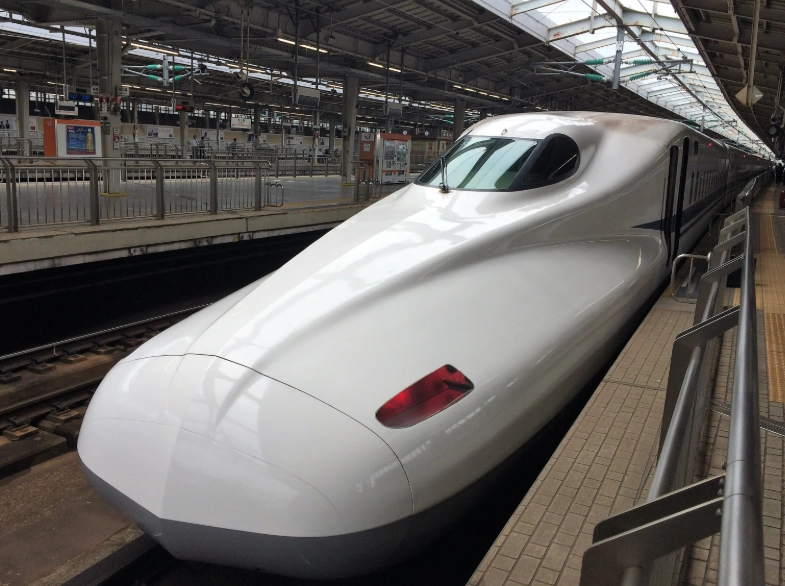
What Exactly Is the Japan Rail Pass? It's Not What It Used to Be.
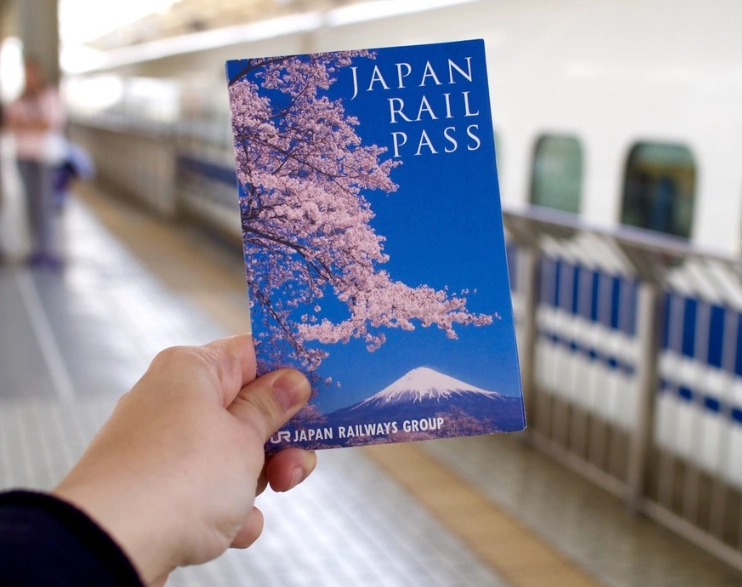
The Japan Rail Pass (often called JR Pass) is a special ticket for foreign visitors. It gives you unlimited travel on most trains operated by the Japan Railways (JR) Group across the country for a set number of consecutive days. Think of it as an all-you-can-ride buffet for trains.
But here's the big change that shocked everyone: the price nearly doubled in October 2023. The old 7-day Ordinary Pass that cost around ¥29,650 jumped to about ¥50,000. Yeah, you read that right. This changes the entire "worth it" calculation dramatically.
It's issued by the JR Group, which is a collection of six regional companies. The pass itself is a physical voucher or an exchange order that you swap for the actual pass when you arrive in Japan. You can't buy the actual pass inside Japan anymore; you must purchase the exchange order before your trip. This is a non-negotiable rule.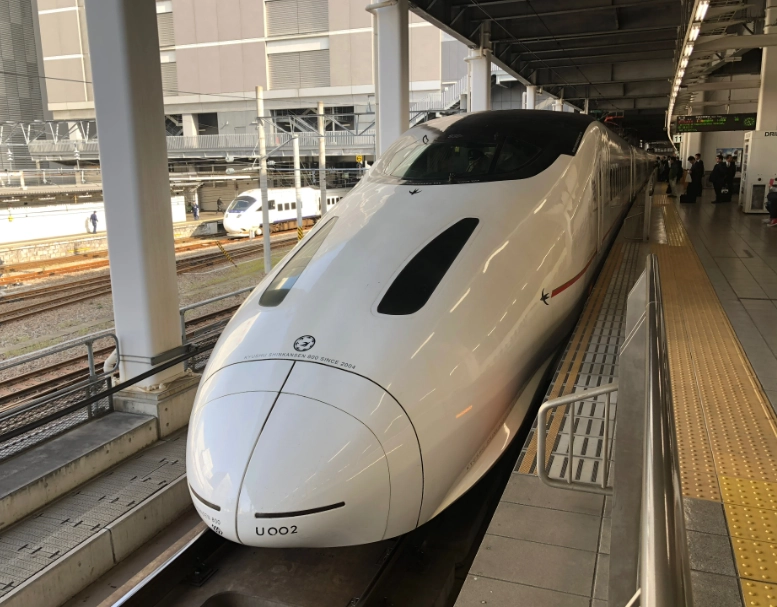
The network it covers is vast. We're talking about the famous Shinkansen bullet trains (with some very important exceptions, which we'll get to), limited express trains, express trains, local trains, and even the Tokyo Monorail to Haneda Airport and the JR ferry to Miyajima. It's seriously comprehensive.
The Million-Yen Question: Is the Japan Rail Pass Worth It Anymore?
This is the only section that matters to most people. With the new prices, the answer is no longer an automatic "yes." It's a solid "it depends." You need to be a savvy planner to make it pay off now.
Forget the old rule of thumb about one round-trip between Tokyo and Kyoto. That trip on the Nozomi Shinkansen might cost you around ¥27,000 round-trip. A 7-day pass is ¥50,000. See the problem? You'd need to add a lot more travel to bridge that gap.
So, who is it still good for?
- The Long-Distance Hopper: If your itinerary looks like Tokyo -> Hakone -> Kyoto -> Osaka -> Hiroshima -> back to Tokyo within 7 or 14 days, you're still a prime candidate. The more long Shinkansen rides you pack in, the better.
- The Spontaneous Traveler (with a caveat): The beauty of the pass is the freedom to hop on any (covered) train without buying a ticket. Saw a cool town on the map? Just go. Missed your train? Next one is free. This peace of mind has value, but it's an expensive kind of freedom now.
- Those Using Regional Passes Too: Sometimes, a combination works. A 7-day nationwide JR Pass to cover your big moves, followed by a cheaper regional JR Pass (like a JR Kansai Pass or JR East Pass) for deeper exploration, can be a smart combo.
And who should skip it?
- The Single-City Basecamper: Staying mostly in Tokyo or Osaka with a few day trips? The math almost never works. Get a Suica/Pasmo card and buy individual tickets for longer day trips.
- The Slow Traveler: If you're spending a week in Kyoto and another week in Tokyo, the consecutive-day rule kills the value. You're paying for days you aren't doing long travel.
- Anyone on a Tight Budget: The high upfront cost can be a shock. If pinching yen is key, booking advance purchase Shinkansen tickets (called "Tokudane" or "Hayatoku" fares) or using overnight buses will be cheaper.
Navigating the New Japan Rail Pass Types and Prices
Gone are the days of just "Ordinary" and "Green." Now there's a third class called "Green Car," which is the premium offering. The prices are steep, so let's break them down clearly.
| Pass Type | 7-Day | 14-Day | 21-Day | Best For... |
|---|---|---|---|---|
| Ordinary Car | ¥50,000 | ¥80,000 | ¥100,000 | Most travelers. Seats are perfectly comfortable and spacious. |
| Green Car | ¥70,000 | ¥110,000 | ¥140,000 | Those who want extra legroom, quieter cars, complimentary drinks (on some trains), and always want a reserved seat without the reservation fee. |
Is Green Car worth the huge premium? For most people, no. Ordinary Class on a Shinkansen is already better than first class on many other countries' trains. The seats recline, there's tons of legroom, and it's clean and quiet. I've only used Green Car once, when a friend insisted. It was nicer, sure, but not ¥20,000 nicer for a week. The only real practical advantage is that Green Car seats are always reserved, so you never have to worry about finding a seat in the non-reserved cars during peak season.
What's Covered (and More Importantly, What's Not)
This is where people get tripped up. The JR Pass covers most of the JR network, but the exceptions are critical.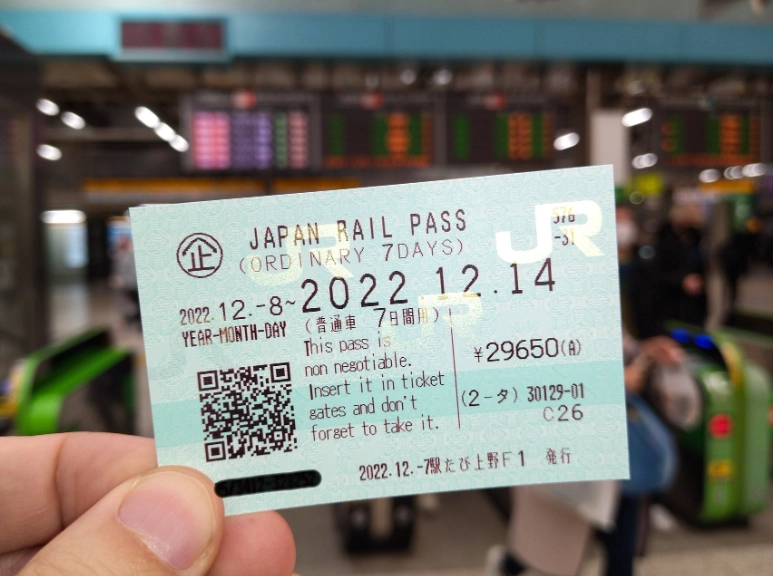
The Big Win: Shinkansen Bullet Trains
This is the main attraction. You can ride almost all Shinkansen lines. The workhorses are the Hikari and Sakura trains on the Tokaido/Sanyo lines (Tokyo to Hakata) and the Yamabiko/Nasuno trains on the Tohoku line (Tokyo to Shin-Aomori). These are incredibly fast and frequent.
The Famous Exception: Nozomi & Mizuho Trains
You cannot use the Japan Rail Pass on the fastest Shinkansen models: the Nozomi (on the Tokaido/Sanyo line) and the Mizuho (on the Sanyo/Kyushu line). This is a major limitation. Why? JR says it's to preserve revenue from business travelers who buy full-fare Nozomi tickets.
What does this mean for you? A trip from Tokyo to Kyoto takes about 2 hours 15 minutes on a Nozomi. On a Hikari (which you can use), it takes about 2 hours 40 minutes. It's a difference, but not a deal-breaker for most. You just need to plan for slightly longer travel times and check schedules for Hikari/Sakura trains.
Local Trains, Limited Express, and Other Goodies
The pass is brilliant for local travel. In Tokyo, you can use it on the JR Yamanote Line (the loop that hits Shinjuku, Shibuya, Tokyo, Ueno, etc.). In Osaka, the JR Loop Line. In Kyoto, the JR Sagano Line to Arashiyama. This can save you a lot on intra-city transport.
It also covers the Narita Express (N'EX) from Narita Airport to Tokyo, the Tokyo Monorail to Haneda Airport, and the JR ferry from Miyajimaguchi to the iconic Miyajima island. These are huge perks that add value.
The Step-by-Step: Buying, Exchanging, and Using Your Pass
This process has a few steps, but it's straightforward once you know the dance.
Step 1: Purchase the Exchange Order (Before You Fly!)
You must buy this from an official sales office outside Japan. The two main official sellers are JAPAN RAIL PASS Net (the official online store) and authorized travel agencies like JTB, Klook, or your local agency. Prices are fixed, so shop around for agency deals or package bonuses.
You'll get a physical "Exchange Order" or a PDF with an QR code if purchased online. Guard this with your life until you get to Japan.
Step 2: Exchanging for the Actual Pass in Japan
Head to a JR Exchange Office ("Midori no Madoguchi") at major airports (Narita, Haneda, Kansai) or major JR stations (Tokyo, Shinjuku, Osaka, Kyoto). You'll need:
- Your Exchange Order (or QR code).
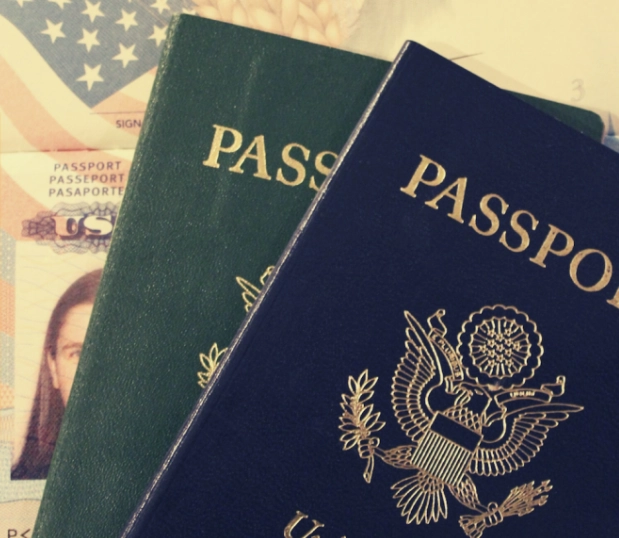
- Your passport with the "Temporary Visitor" stamp.
Here, you decide your start date. It can be any date within 30 days of exchange, but once chosen, the clock starts at midnight on that day. Choose wisely! I always start mine the morning of my first long Shinkansen trip.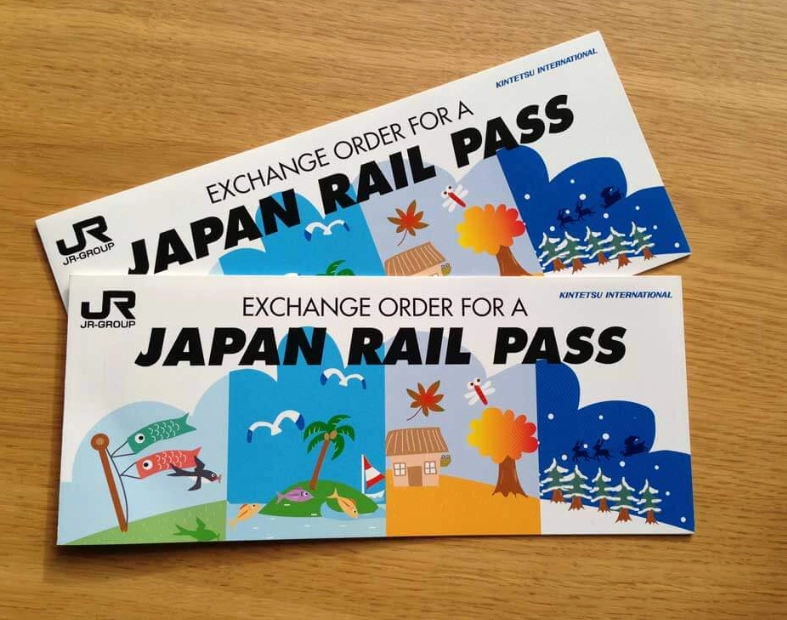
Step 3: Using the Pass & Booking Seats
The pass itself is a small paper ticket. You show it at the manned gate, not the automated ticket gates. Just walk up to the staffed booth, hand them the pass, and walk through.
For Shinkansen and limited express trains, you have two options:
- Non-Reserved Seat: Just get on any car marked "Non-Reserved" (通常車両自由席). It's first-come, first-served. Fine for off-peak travel.
- Reserved Seat: Go to a "Midori no Madoguchi" ticket office or a ticket machine (many have an English menu and a JR Pass slot) and book a specific seat on a specific train for free. This is what you should do for popular routes or during holidays.
JR Pass FAQs: Answering the Real Questions People Have
Let's tackle the stuff you actually google at 2 a.m. while planning your trip.

Final Verdict: Should You Buy a Japan Rail Pass?
After the price increase, the Japan Rail Pass has become a strategic tool rather than a no-brainer. It demands more from the traveler: more planning, more ambitious itineraries, more number-crunching.
My advice? Don't just buy it because it's famous. Sit down with a tool like Jorudan or Google Maps and price out your planned long-distance trips individually. Add them up. Compare that total to the cost of the pass. Be honest about how much local JR travel you'll really do.
If the numbers are close, the convenience and freedom might tip the scales. If there's a big gap, save your money and buy individual tickets. The Japan Rail Pass can still unlock an incredible, seamless journey across Japan, but only if your trip is the right shape to fit its new, higher-priced mold.
It's a phenomenal product, but it's no longer a blanket recommendation. Do the math. Your wallet will thank you.


Share Your Thoughts