Let's be honest. Planning a two-week trip to Japan as a couple can feel overwhelming. You want the postcard moments—the serene temples, the bustling neon streets—but you also crave those intimate, off-the-beaten-path experiences that don't show up in every guidebook. You're balancing must-see sights with the need to actually relax and connect. This isn't just a vacation; it's about creating shared memories.
I've traveled to Japan with my partner multiple times, and our best trips were the ones where we mixed iconic sights with slow afternoons in a local garden or a spontaneous stop at a tiny izakaya. This 14-day Japan itinerary for couples is built on that principle. It's a realistic, step-by-step guide that moves at a pace designed for two, weaving together culture, romance, adventure, and plenty of good food.
Your Journey at a Glance
Days 1-4: Tokyo – Neon Lights & Hidden Gardens
Tokyo is a sensory overload in the best way. The key for couples is to embrace the chaos but also seek out its quiet pockets.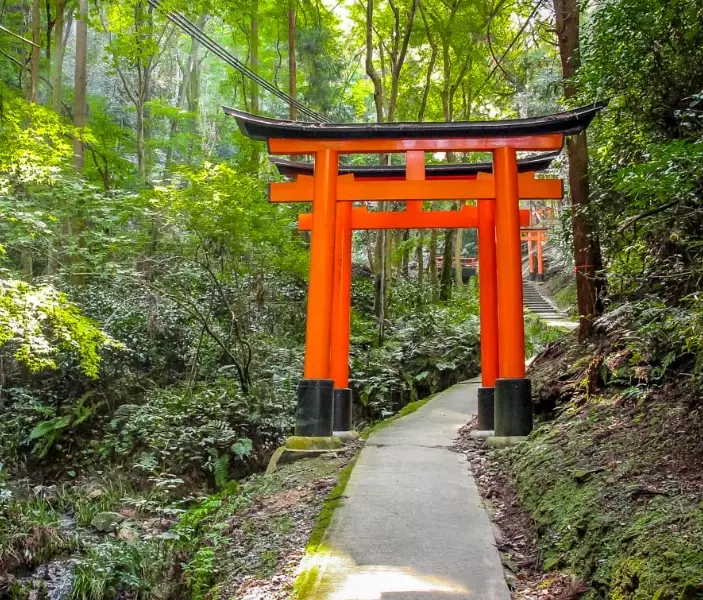
Where to Stay in Tokyo
For a first-time couple, Shinjuku or Shibuya offer maximum convenience. You're on major train lines and surrounded by endless dining options. Consider the Hotel Gracery Shinjuku (famous for the Godzilla head) for fun, or the Cerulean Tower Tokyu Hotel for upscale comfort with killer views. In Shibuya, The Millennials Shibuya offers compact, tech-savvy pods that are surprisingly cozy for two. Budget around ¥20,000 - ¥40,000 per night.
Day-by-Day Highlights
Day 1: Arrival & Shinjuku Immersion. Land at Narita (NRT) or Haneda (HND). Take the Narita Express (N'EX) or limousine bus to your hotel. Fight jet lag with an evening stroll through the Omoide Yokocho ("Piss Alley") for yakitori and atmosphere, then see the free observation deck at the Tokyo Metropolitan Government Building.
Day 2: Shibuya & Harajuku. Start at the Shibuya Scramble Crossing. For a unique couple's photo, head to the Mag's Park rooftop (fee required). Walk to Harajuku. Skip the overcrowded Takeshita Street main drag and explore the side streets. The real gem is Meiji Jingu, a vast, peaceful shrine forest that feels miles away from the city. It's free and opens at sunrise.
Day 3: Asakusa & Tokyo Skytree. Visit Senso-ji Temple early (by 8:30 AM) to beat the tour groups. Grab a melon-pan from one of the street stalls. In the afternoon, head to Tokyo Skytree. Pro-tip: Book tickets online in advance to skip the massive queue. The view is unbeatable, especially before sunset.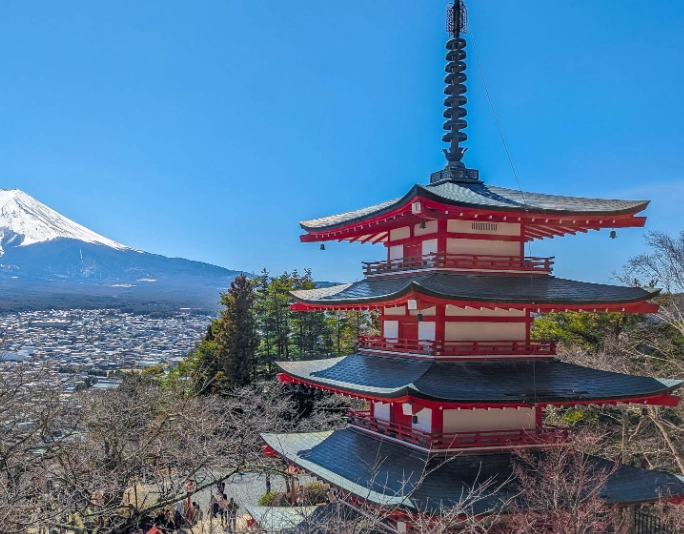
Day 4: A Choice Day. Pick your vibe:
- Option A (Pop Culture): TeamLab Planets in Toyosu (book tickets weeks ahead). It's an immersive digital art museum that's incredibly fun to experience together. Then explore the upscale shops and waterfront at Odaiba.
- Option B (Tradition & Nature): Shinjuku Gyoen National Garden (¥500 entry). It's massive, beautifully landscaped, and perfect for a picnic. Follow it with a relaxed afternoon in the upscale, boutique-filled neighborhood of Daikanyama.
Couple's Tip: Buy a Suica or Pasmo card at any major station as soon as you arrive. It works on almost all trains, subways, and buses in Tokyo (and beyond), and even at convenience stores and vending machines. It saves you from fumbling for change every single trip.
Days 5-8: Kyoto & Nara – Temples, Bamboo & Deer
Take the Shinkansen (bullet train) from Tokyo Station to Kyoto Station. It takes about 2 hours 15 minutes on the Nozomi train. Reserve seats (about ¥14,000 per person) for peace of mind, or use the non-reserved cars.
Where to Stay in Kyoto
Gion or Southern Higashiyama puts you in the heart of the historic geisha district. Staying at a ryokan (traditional inn) here is a quintessential couple's experience. Try Gion Hatanaka for an authentic kaiseki dinner and futon sleep, or The Celestine Kyoto Gion for a more modern take. Budget ¥25,000 - ¥50,000+ per night for a good ryokan with meals.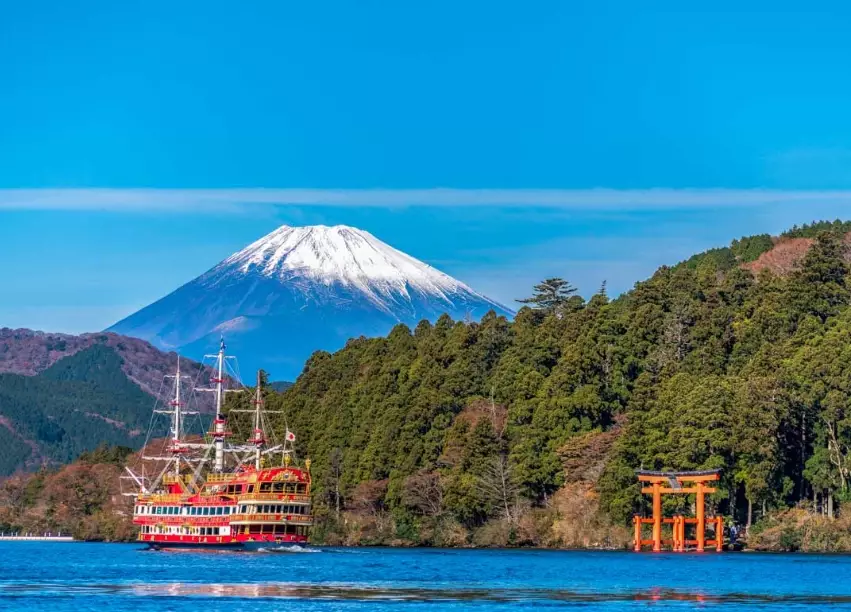
Day-by-Day Highlights
Day 5: Arrival & Gion Evening. Settle into your accommodation. As dusk falls, wander the lantern-lit streets of Gion and Hanamikoji Street. You might spot a geiko or maiko (geisha) hurrying to an appointment. Have dinner at a cozy okonomiyaki restaurant like Chibo in Pontocho Alley.
Day 6: Arashiyama & Kinkaku-ji. Go to Arashiyama Bamboo Grove as early as humanly possible (think 7 AM). By 9 AM, it's a single-file line of people. After the grove, visit the stunning Tenryu-ji Temple garden. In the afternoon, head to Kinkaku-ji (the Golden Pavilion). It's always crowded, but it's breathtaking.
Day 7: Higashiyama & Fushimi Inari. Walk the Historic Higashiyama path from Kiyomizu-dera (get the special night-view ticket if visiting in spring/fall) down through Sannen-zaka and Ninen-zaka preserved streets. For Fushimi Inari, most people give up after the first crowded tunnel of torii gates. The secret? Keep climbing. The paths higher up are almost empty and offer serene forest views. Do this later in the afternoon.
Day 8: Day Trip to Nara. A 45-minute train ride from Kyoto. Feed the (sometimes pushy) deer in Nara Park, but visit the truly awe-inspiring Todai-ji Temple housing the Great Buddha. The scale is humbling. For a quieter experience, walk to the Nigatsu-do and Sangatsu-do halls on the hillside for a panoramic view.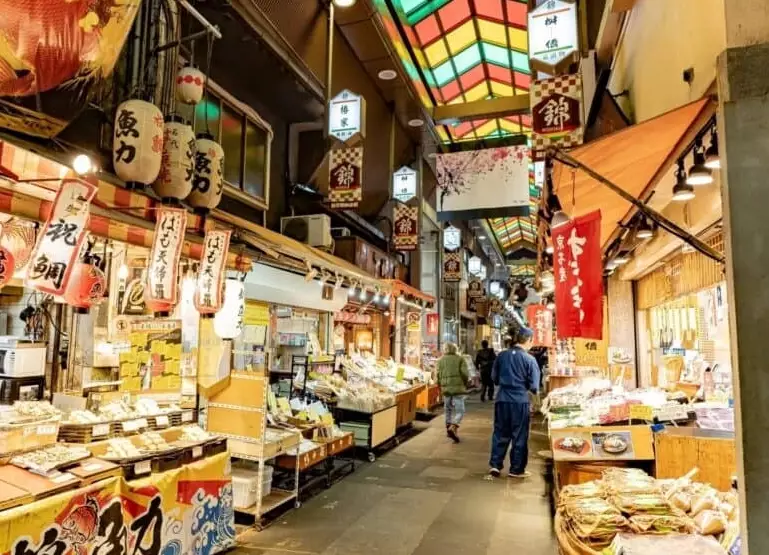
Kyoto taught us to slow down. We made the mistake of trying to see five major temples in one day on our first visit. We remembered none of them. Pick two, maybe three, per day. Spend the rest of the time sitting in a garden, drinking matcha, or getting lost down a side street. That's where the magic happens.
Days 9-11: Osaka – Food, Castle & Modern Thrills
A short 30-minute train from Kyoto. Osaka is Japan's kitchen—energetic, direct, and delicious.
Where to Stay in Osaka
Stay near Namba or Dotonbori for food and nightlife. The Cross Hotel Osaka is stylish and perfectly located. For something more intimate, look for a boutique hotel in the Shinsaibashi area.
Day-by-Day Highlights
Day 9: Dotonbori & Street Food. Check in and head straight to Dotonbori. The giant moving crab and Glico Running Man sign are iconic. This is a graze-as-you-go dinner. Must-tries: takoyaki from Kukuru, okonomiyaki from Mizuno (expect a queue), and kushikatsu (deep-fried skewers).
Day 10: Osaka Castle & Umeda. Visit Osaka Castle (¥600). The museum inside is modern and informative, but the best views are from the surrounding park, especially Nishinomaru Garden. In the evening, go to the Umeda Sky Building Floating Garden Observatory (¥1,500) for a 360-degree open-air city view—incredibly romantic at night.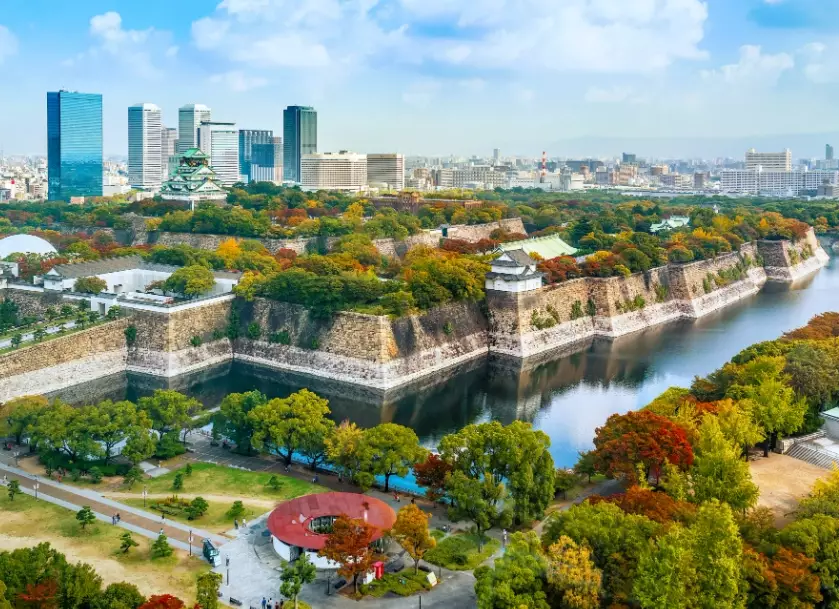
Day 11: Choose Your Adventure.
- Option A (Thrills): Universal Studios Japan. Book tickets online, and seriously consider an Express Pass for popular rides like The Wizarding World of Harry Potter and Super Nintendo World.
- Option B (Culture & Shopping): Explore the Shinsaibashi-suji shopping arcade and the trendy Amerikamura ("America Village") district. Visit the Osaka Museum of Housing and Living to walk through a full-scale Edo-period town.
Days 12-14: Okinawa – Tropical Island Escape (Optional Extension)
If you have more time or want a beach finale, fly from Osaka (ITM) to Naha, Okinawa (OKA). This 2-hour flight changes the scene completely—sub-tropical climate, turquoise water, and a distinct Ryukyu culture.
Day 12: Fly to Naha. Explore Kokusai Dori (International Street), try Okinawan soba and Goya Champuru (bitter melon stir-fry). Stay at a beachfront hotel on Manza Beach or in Naha city.
Day 13: Take a ferry to a nearby island like Tokashiki (45 mins from Tomari Port) for snorkeling in the Kerama Islands' famous blue water.
Day 14: Visit the solemn Okinawa Peace Memorial Park and the majestic Shuri Castle (a UNESCO site, though parts are under reconstruction after a fire). Depart from Naha Airport.
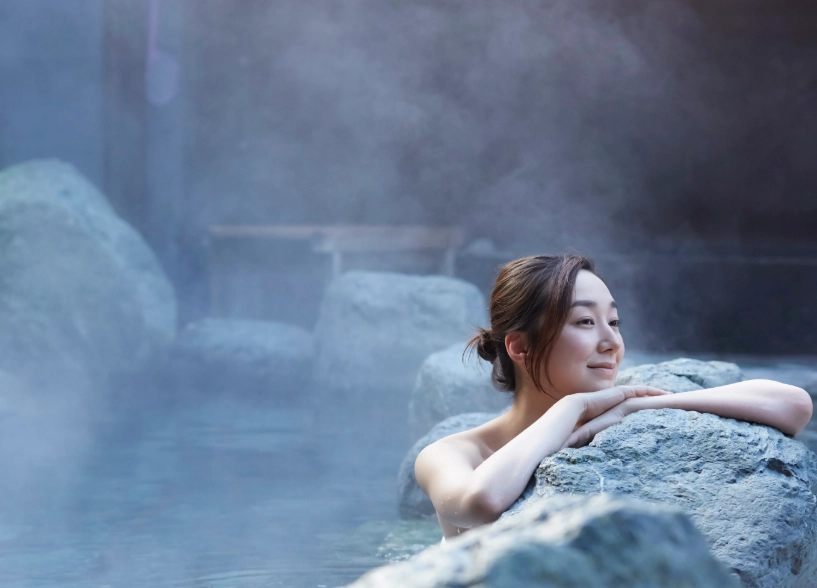
If you skip Okinawa: Use Days 12-14 for a deeper dive elsewhere. Consider a night in a Mount Koya temple lodging, a trip to Hiroshima & Miyajima (the floating torii gate is a powerful sight), or extra relaxation days in Kyoto or Hakone (for onsens).
Getting Around & Practical Tips for Couples
Transport can make or break your trip vibe. Here’s the simple breakdown.
| Transport Option | Best For | Couple's Advice |
|---|---|---|
| Japan Rail Pass (JR Pass) | Long-distance travel across multiple cities (e.g., Tokyo-Kyoto-Osaka-Hiroshima). | Do the math! With this itinerary (Tokyo-Kyoto-Osaka), a 7-day standard pass may just break even if you activate it on your Tokyo-Kyoto travel day. Use a JR Pass Calculator to be sure. The convenience of hopping on any JR train is nice. |
| Individual Shinkansen Tickets | If your long-distance travel is limited or you're on a tight schedule with Nozomi trains (not covered by JR Pass). | More flexible. Book seats online via SmartEX app for discounts. You can choose the faster Nozomi train. |
| IC Cards (Suica/Pasmo) | All local trains, subways, and buses in cities. Also for convenience stores, lockers, vending machines. | Get one each on day one. Load it with ¥3,000-¥5,000. The ultimate hassle-saver. They work in Tokyo, Kyoto, Osaka, and more. |
| Taxi | Late nights, short trips with luggage, or when you're just tired. | More affordable for short distances than you might think, especially for two people splitting the fare. A lifesaver with heavy bags. |
Other Non-Obvious Tips:
- Luggage Forwarding: Use Yamato Transport's Ta-Q-Bin service. Send your large suitcase from Tokyo to your Kyoto hotel (¥2,000-¥3,000). Travel with just a daypack on the Shinkansen. It's worth every yen.
- Money: Despite its high-tech image, Japan is still a cash society in many smaller restaurants, temples, and markets. Always have ¥20,000-¥30,000 in cash on you. 7-Eleven ATMs are the most reliable for international cards.
- Quiet Time: Schedule it. After 3-4 days of intense sightseeing, block an afternoon for nothing. A coffee shop, a park bench, a nap. It prevents "temple fatigue."

Share Your Thoughts