Ask ten people what Tokyo's best kept secret is, and you'll get fifteen different answers. A tiny bar in Golden Gai. A hidden shrine behind a parking lot. A standing soba shop known only to salarymen. The truth is, Tokyo's real secret isn't a single pin on a map. It's the layers of the city that exist just beneath the surface of the Shibuya Scramble and the Senso-ji crowds. It's the Tokyo that breathes when the tour buses leave.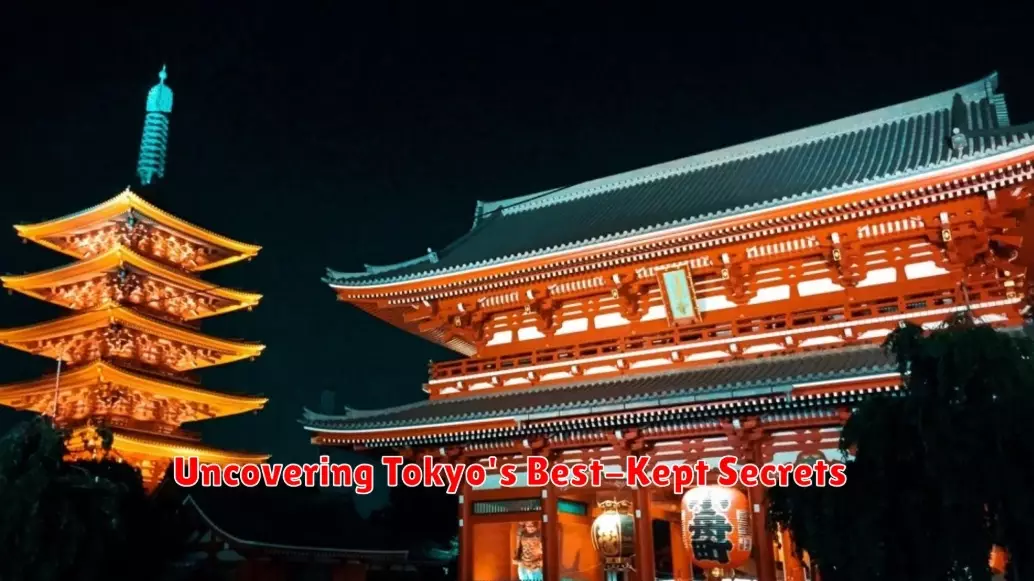
I lived in Tokyo's backstreets for years. The secret I want to share is how to find these places yourself. We'll move beyond the obvious and into three specific categories of hidden gems: the serene temple you'll have to yourself, the underground art space that feels like a discovery, and the local izakaya street where your presence is the novelty. This is a practical guide for the traveler tired of queues and eager for texture.
Your Quick Guide to Tokyo's Hidden Side
1. The Hidden Temple: Where Silence Costs Nothing
Forget the packed grounds of Meiji Jingu for a moment. Tokyo's best kept secret in the temple category is finding one that feels like it's yours alone. My top pick isn't completely unknown, but its magic lies in its design and typical visitor pattern.
Nezu Shrine (Nezu Jinja) in Bunkyo ward is that place. Most guides mention it for its stunning tunnel of vermilion torii gates, which are indeed beautiful. But the common mistake? People come mid-day, snap a photo of the gates, and leave. They miss the secret.
The secret is the sprawling, hillside garden behind the main hall. It's a classic Japanese stroll garden with ponds, bridges, and smaller sub-shrines tucked into the foliage. On a weekday morning, you can have it virtually to yourself. The sound is just wind, water, and your own footsteps. It’s a masterclass in how Tokyo preserves profound quiet.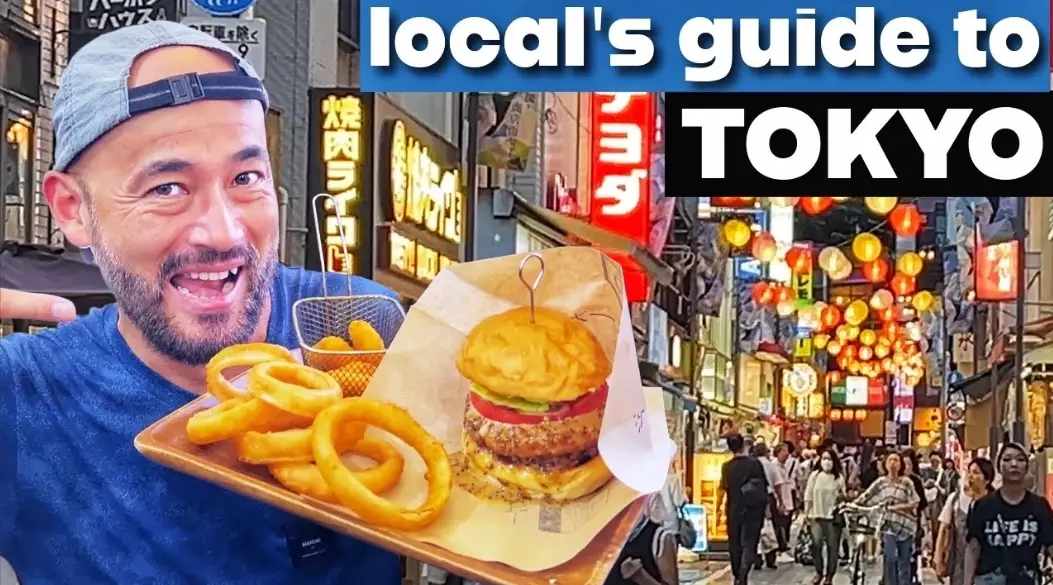
Nezu Shrine Practicals:
Address: 1-28-9 Nezu, Bunkyo City, Tokyo 113-0031.
Access: 5-min walk from Nezu Station (Chiyoda Line) or 10-min from Sendagi Station (Chiyoda Line).
Hours: Grounds are open from sunrise to sunset. The main shrine office is typically 9:00-17:00.
Cost: Free to enter the shrine grounds. (A small fee of 200 yen might apply for special azalea viewing in late April/May).
Pro Tip: Go right after it opens at 9 AM. The light through the torii gates is perfect, and you'll beat the handful of tourists who do come. Spend at least an hour wandering the back paths.
2. Underground Art in Unlikely Places
Tokyo's contemporary art scene has a vibrant, secretive underbelly. It's not in Roppongi's mega-museums (though those are great). It's in converted warehouses, basement galleries, and private viewing rooms in residential neighborhoods. These spaces aren't secret to the art world, but they are to the average traveler.
One standout is SCAI The Bathhouse. The name tells the story. It's a leading contemporary gallery housed in a beautifully renovated, 200-year-old public bathhouse in Yanaka. The juxtaposition is incredible: cutting-edge installations in a space that still feels serene and traditional. You're as likely to see a major international artist's work here as in New York, but with a fraction of the people.
Another layer down is the "do-it-yourself" gallery scene in Koenji or Kichijoji. Tiny spaces run by artists pop up in apartments and street-level shops. You find them by walking and looking for handmade signs. There's no website, no Google Maps pin. You just have to be there.
| Gallery Name | Area | Concept / Vibe | Best For | How to Find It |
|---|---|---|---|---|
| SCAI The Bathhouse | Yanaka (Near Ueno) | High-end contemporary in a historic bathhouse | Serious art lovers, photography | Official website for current exhibition. Easy to find. |
| Koenji Gallery "Momentum" | Koenji (North exit alleyways) | Emerging artists, punk/DIY ethos | Discovering new talent, raw energy | Wander the shotengai (shopping streets) off the main drag. Look for flyers. |
| Factory Art Gallery | Koto Ward (Near Toyosu) | Art in a working industrial zone | Large-scale sculptures, unique location | Requires a bit of a trek. Check if they have an open day event listed online. |
The key here is to check local English-language event sites like Tokyo Art Beat for listings of smaller gallery shows happening during your visit. It's the single best resource for this secret layer of the city.
3. The Local Izakaya Street: Where You Are the Tourist Attraction
Every neighborhood (chome) in Tokyo has its own drinking street—a narrow lane packed with tiny bars and izakayas, each seating maybe eight people. The secret is finding one that isn't in the guidebooks for "quaint old Tokyo." Skip the well-trodden Omoide Yokocho in Shinjuku for something more authentic.
My recommendation is Harmonica Yokocho in Kichijoji. It's less discovered by foreign tourists than its Shinjuku counterparts but deeply loved by locals. It's a maze of micro-bars, yakitori stalls, and standing sake counters under low-hanging lanterns. The air is thick with the smell of grilling chicken and tobacco. It feels chaotic, alive, and real.
Here's the non-consensus advice most blogs won't give you: Don't try to "conquer" it. The mistake is bar-hopping like you would in the West. Pick one spot that looks busy with locals, squeeze in, order a beer and a plate of whatever looks good. Stay for an hour. Let the conversation (or the comfortable silence) happen. The owner might offer you a mystery snack (otoshi) you didn't order—it's a cover charge, usually 300-500 yen, and it's standard. Just go with it.
Harmonica Yokocho Logistics: It's right outside the North exit of Kichijoji Station (JR Chuo Line, Keio Inokashira Line). No specific address—just follow the crowd or the smell of charcoal. Most stalls open from around 5 PM until midnight or later. Bring cash. Very few places take cards. A meal and drinks will run you 2,500-4,000 yen per person comfortably.
How to Find Your Own Secrets: A Practical Method
You don't need my list. You can build your own. The mindset shift is simple: Get purposefully lost one station away from a major hub.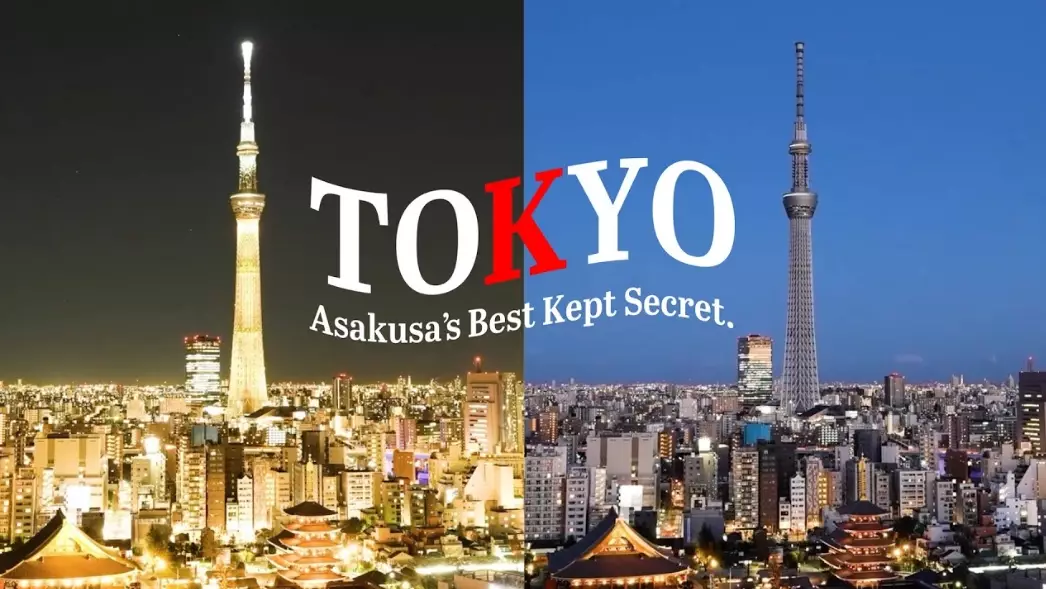
Instead of spending all your time in Shibuya, get off at Yutenji or Gakugei-daigaku on the Tokyu Toyoko Line. Instead of Shinjuku, try Nakano or Ogikubo one stop further on the Chuo Line. These are fully functional, vibrant Tokyo neighborhoods with zero obligation to entertain tourists. Their shotengai (shopping streets) are for buying groceries, their cafes are for students to study, and their bars are for friends to unwind.
Walk for 20 minutes in any direction. Look for:
- A tiny shrine squeezed between two apartments.
- A coffee shop with no English menu and a single, ancient master running it.
- A bakery selling melon pan that's famous in that one neighborhood.
That's the secret. It's the Tokyo that exists for itself, not for you. And you're welcome to visit.
Why Most People Miss This
Time pressure. It's the biggest killer of discovery. People have a checklist: Senso-ji, Skytree, Shibuya Crossing, teamLab. They race between them on the efficient subway. The secret Tokyo requires slack in your schedule. It requires you to block out a morning or an evening with no plan other than to wander a single neighborhood. It's not inefficient travel; it's the only way to feel the city's rhythm.
Your Questions, Answered (The Real Stuff)
 Aren't these "secrets" just going to become crowded once they're written about online?
So, what is Tokyo's best kept secret? It's the confidence to step away from the itinerary, to value a quiet moment in an unnamed garden over a crowded photo op, and to understand that the most memorable parts of a city are often the ones you can't pre-book. It's all there, waiting just one train stop beyond where everyone else gets off.

Share Your Thoughts