Key Points
- What Exactly Is the Japan Rail Pass (And What's Changed)?
- The Brutal Math: Current Costs & The Break-Even Point
- When the Japan Rail Pass IS Absolutely Worth It (The Sweet Spot)
- The Hidden Catches & What the Brochures Don't Tell You
- The Powerful Alternatives (When the JR Pass Isn't Worth It)
- Step-by-Step: How to Decide for YOUR Trip
- Frequently Asked Questions (The Real Ones Travelers Ask)
- The Final Verdict: A Framework, Not an Answer
Let's cut right to the chase. You're planning a trip to Japan, you've heard about this magical train ticket called the Japan Rail Pass (JR Pass), and now you're staring at a hefty price tag wondering if it's a genius hack or a tourist trap. I've been there. On my first trip, I bought one without really doing the math and ended up taking random train rides just to "get my money's worth." Not my finest travel moment.
The question "Is it worth getting a Japan Rail Pass?" isn't a simple yes or no. It's a math problem wrapped in an itinerary puzzle, seasoned with a dash of personal travel style. The answer depends entirely on you—where you're going, how fast you're moving, and what you value more: absolute savings or sheer convenience.
This isn't just another listicle repeating the basics. We're going to dig deep. We'll run the numbers on real itineraries, expose the hidden catches nobody talks about, and explore the alternatives that might fit your trip better. By the end, you'll have a crystal-clear answer for your specific situation.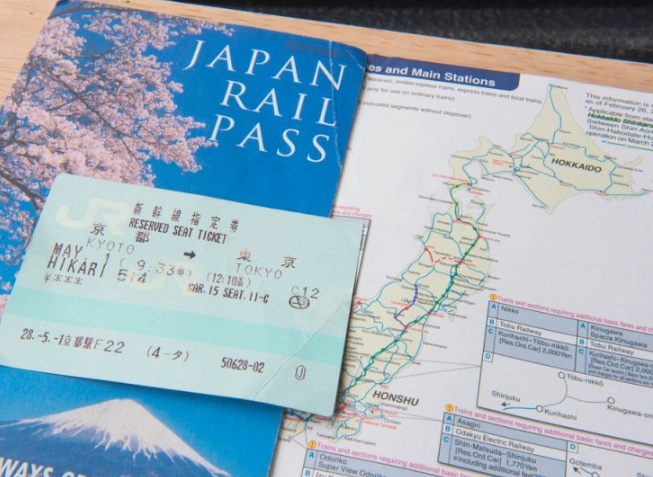
What Exactly Is the Japan Rail Pass (And What's Changed)?
First, let's clarify what we're dealing with. The Japan Rail Pass is a special ticket for foreign tourists (and some residents abroad) that grants unlimited travel on most trains operated by the Japan Railways (JR) Group. This includes the famous Shinkansen bullet trains (with some major exceptions—more on that later), local JR trains, JR buses, and even the JR Miyajima ferry.
But here's the kicker.
The landscape changed dramatically in October 2023. The JR Pass price increased by roughly 70%. This wasn't a small adjustment; it was a seismic shift that completely altered the value calculation. Pre-2023 articles are now dangerously outdated. The old rule of thumb—"if you're taking the Shinkansen from Tokyo to Kyoto and back, it's worth it"—no longer holds water automatically.
You now have three durations to choose from: 7-day, 14-day, and 21-day passes. They must be purchased outside of Japan (you get an exchange order) or online in advance, which you then swap for the actual pass at a major JR station after you arrive.
The Brutal Math: Current Costs & The Break-Even Point
Forget percentages. Let's talk real yen. As of now, the Ordinary (Standard) class passes cost approximately:
- 7-day Pass: Around 50,000 Yen
- 14-day Pass: Around 80,000 Yen
- 21-day Pass: Around 100,000 Yen
Green Car (first class) passes are also available at a higher premium. The question "is it worth getting a Japan Rail Pass" starts with understanding what 50,000 yen buys you in normal tickets.
Your benchmark is the Tokyo to Kyoto Shinkansen trip. A one-way ticket on the Hikari or Kodama trains (the ones covered by the pass) costs about 13,500 yen. A round trip is 27,000 yen.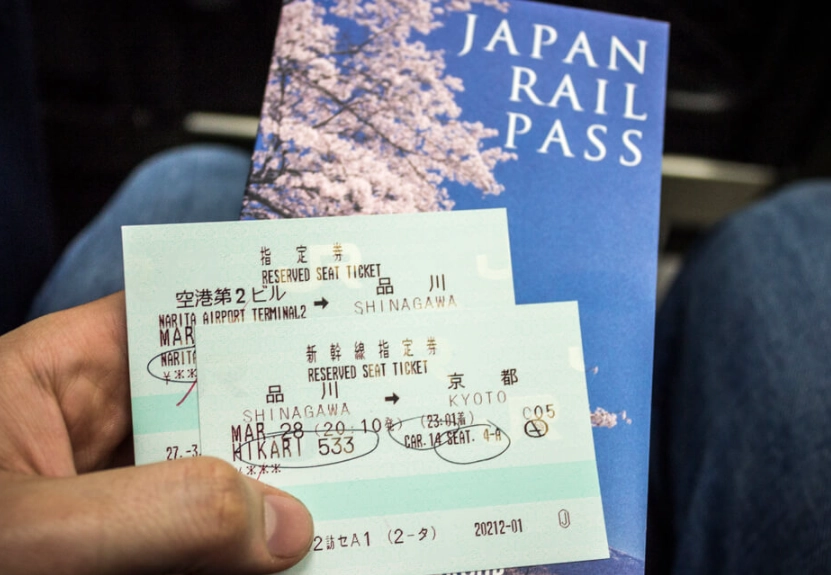
See the gap?
For a 7-day pass to be worth 50,000 yen, your travel needs to cost more than that. A simple Tokyo-Kyoto-Osaka-Tokyo loop (Tokyo-Kyoto: ~13,500, Kyoto-Osaka: ~560 on JR, Osaka-Tokyo: ~14,500) adds up to roughly 28,560 yen. That's still significantly less than the 50,000 yen pass. You'd need to add considerable extra travel within that week to break even.
| Common Route (One-Way) | Approximate Cost (Yen) | Notes |
|---|---|---|
| Tokyo to Kyoto (Shinkansen) | 13,500 | Hikari/Kodama trains only |
| Tokyo to Osaka (Shinkansen) | 14,500 | Hikari/Kodama trains only |
| Tokyo to Hiroshima (Shinkansen) | 19,500 | Major trip, good for pass value |
| Kyoto to Osaka (Local JR) | 560 | Quick trip, adds little value |
| Narita Airport to Tokyo (N'EX) | 3,070 | Covered by pass, a nice perk |
| Tokyo to Nikko (Local JR) | 2,800 | Round trip helps |
The table makes it clear. Long-distance Shinkansen journeys are your primary value drivers. Short hops contribute, but they're the sprinkles on the cupcake, not the cake itself.
The Golden Rule Post-Price Hike
My rule of thumb now? For a 7-day pass to be worth it, you likely need at least one very long return trip (like Tokyo-Hiroshima-Tokyo) or two substantial one-way trips covering great distances within a week. The era of the "justified" short loop is over for the standard traveler.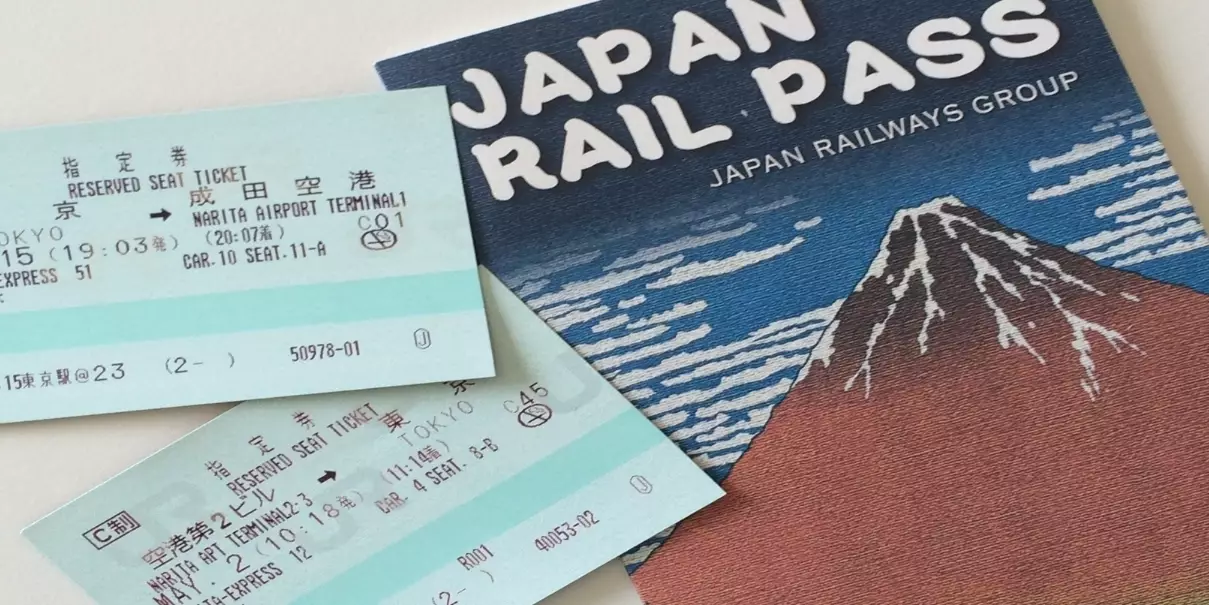
When the Japan Rail Pass IS Absolutely Worth It (The Sweet Spot)
Despite the price shock, the pass still has its brilliant moments. It's not obsolete; its sweet spot just moved. Ask yourself, "is it worth getting a Japan Rail Pass for MY specific plan?" It might be a resounding yes if...
Scenario 1: The National Blitz
You have two weeks and want to see the polar ends of Honshu. Think: Tokyo -> Hakodate (Hokkaido) -> Sendai -> Kanazawa -> Kyoto -> Hiroshima -> Tokyo. This kind of whirlwind tour, with multiple 15,000+ yen Shinkansen legs, will easily smash the value of a 14-day pass. The convenience of hopping on any train without buying tickets is a huge stress-reliever here.
Scenario 2: The One-Way Long Journey
Landing in Tokyo and flying out of Osaka (or vice versa) is a classic smart itinerary. You travel one way across the country. Previously, a 7-day pass was overkill for this. Now, it's a closer call. But if you add side trips from Kyoto to Hiroshima and back, or from Tokyo to Nikko, the pass can tip into positive value. The key is maximizing travel within the pass window.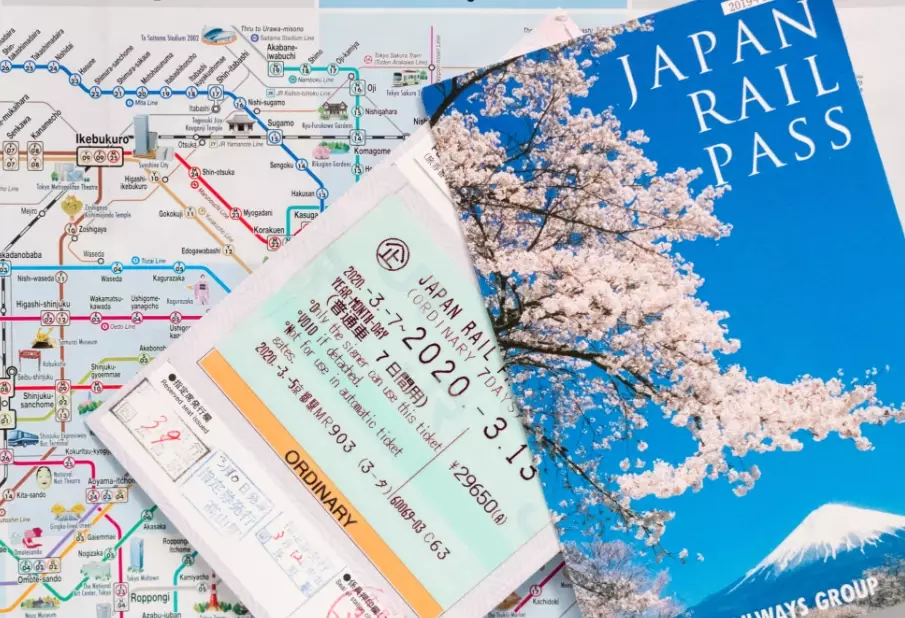
Scenario 3: The Green Car Consideration
If you prefer first-class travel (Green Car), the math can be more forgiving. Individual Green Car tickets are extremely expensive. The premium for the Green Car JR Pass is proportionally smaller compared to the eye-watering cost of buying those tickets individually. If comfort is a priority and you're doing long distances, the Green Car pass can offer surprising value.
The Hidden Catches & What the Brochures Don't Tell You
Okay, so the math might work. But before you commit, you need to know the frustrations. I learned some of these the hard way.
Nozomi and Mizuho Shinkansen Are Off-Limits. This is the biggest operational catch. The fastest and most frequent Shinkansen on the Tokaido and Sanyo lines (the Nozomi) and the Kyushu line (Mizuho) are not covered. You must take the slightly slower Hikari or Sakura trains. For a Tokyo-Kyoto trip, this adds about 20-30 minutes. It's not a deal-breaker, but it's an annoyance, especially if you're on a tight schedule. You'll watch sleek Nozomi trains zip past you.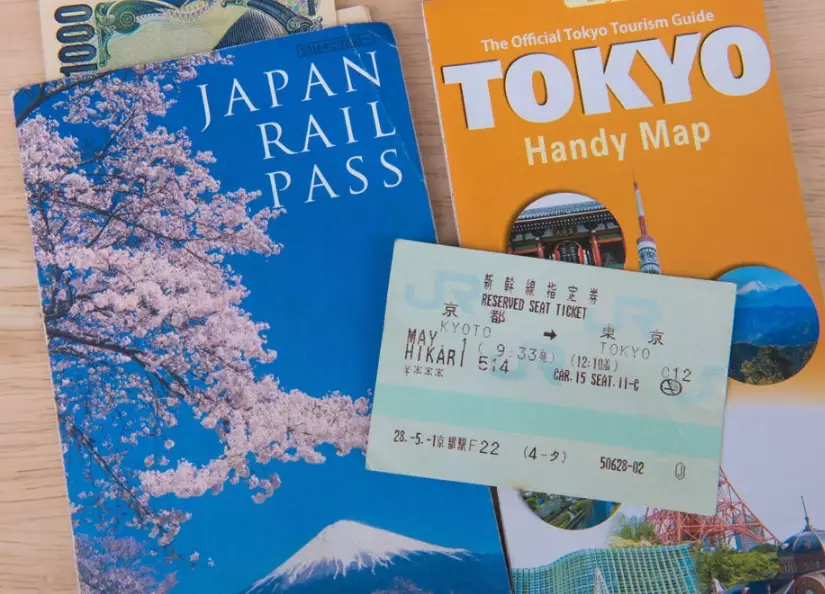
Reservation Hassle (and Freedom). For Shinkansen trips, you should get a seat reservation (free with the pass at a ticket office). During peak seasons, this can mean lining up. You can use non-reserved cars, but they can get crowded. It's not a seamless "just walk on" experience for the best seats.
Local Travel Isn't Always Efficient. In cities, the JR lines might not be the most direct. In Kyoto, the subway and buses are often better. In Tokyo, a Suica/Pasmo card for all subway lines is essential. The JR Pass won't be your only transit card.
The Activation Timing Pressure. You choose the start date when you exchange your order. Once it starts, the clock ticks relentlessly. This can create pressure to "travel hard" to justify the cost, which might not align with a relaxing vacation pace. I felt this on my first trip—it became a chore.
The Powerful Alternatives (When the JR Pass Isn't Worth It)
This is where we cover the competitors' content gaps. The JR Pass isn't the only game in town. For many itineraries, these alternatives are smarter, cheaper, and less stressful.
Regional JR Passes: The Secret Winners
JR Group companies offer cheaper, focused passes for specific areas. These were always good, but post-national-pass-price-hike, they are stellar. Ask yourself: Is it worth getting a Japan Rail Pass, or just a regional one?
- JR East Pass (Tohoku area): Perfect for Tokyo, Nikko, Sendai, Yamadera, even up to Aomori.
- JR West Pass (Kansai/Hiroshima): Multiple variants. The Kansai-Hiroshima pass is legendary for a Kyoto-Osaka-Himeji-Hiroshima-Miyajima loop.
- JR Kyushu Pass: For exploring the fantastic island of Kyushu.
These passes are often cheaper, sometimes allow Nozomi travel within their region, and can be bought by foreign residents in Japan more easily. Always check the official JR company sites (JR East, JR West) for the latest deals.
Discount Airline Tickets
For long hauls, like Tokyo to Sapporo or Fukuoka, check Peach, Jetstar, or ANA Experience JAPAN Fare. You can often fly for less than 10,000 yen one-way, which is far cheaper than a Shinkansen ticket for that distance. This kills the value of a national JR Pass for that leg.
The Simple Pay-As-You-Go Method
For a focused trip (e.g., just Tokyo and Kyoto), just buy the Shinkansen tickets individually. Use a Suica card for local travel. It's simple, with no activation stress or limitations. With the new high pass price, this is the winner for more and more itineraries.
Step-by-Step: How to Decide for YOUR Trip
Let's make this actionable. Grab a notepad or open a spreadsheet.
- List Your Must-Do City Moves. Write down every long-distance train trip you are 90% sure you'll take (e.g., Tokyo -> Kyoto, Kyoto -> Hiroshima).
- Get Real Prices. Use HyperDia (a legendary Japanese transit planner) or Google Maps to find the current one-way fare for each leg. Remember to exclude Nozomi/Mizuho if using the national pass.
- Add the "Nice-to-Have" Trips. Consider day trips (e.g., Kyoto to Nara, Tokyo to Nikko). Add these fares.
- Calculate the Total. Sum the cost of all individual tickets that would fall within a 7, 14, or 21-day window.
- Compare. Stack that total against the price of the corresponding JR Pass. Is your total at least 10-15% higher than the pass price? If yes, the pass is financially worth it. If it's close or under, lean towards not buying it.
- Factor in the Intangibles. Assign a value to convenience and spontaneity (maybe 5,000 yen?). Does that tip the scales?
This 10-minute exercise will give you a data-driven answer to "is it worth getting a Japan Rail Pass."
Frequently Asked Questions (The Real Ones Travelers Ask)
The Final Verdict: A Framework, Not an Answer
So, after all this, is it worth getting a Japan Rail Pass?
It depends.
For the fast-paced, long-distance explorer covering Japan from north to south in a short time, it can still provide value and immense convenience. The mental relief of not buying tickets is real.
For the focused traveler hitting the main Golden Route (Tokyo-Kyoto-Osaka) with maybe one side trip, the numbers are stacked against it. You'll likely save money paying as you go or using a regional pass.
For the slow traveler basing themselves in one or two regions, it's almost certainly not worth it. Look at regional passes or just an IC card.
The Japan Rail Pass is no longer a default purchase. It's a strategic tool. Use the step-by-step calculation method. Research the regional passes. Be honest about your travel pace. The goal isn't to "beat" the pass, but to have the best, most cost-effective trip possible. Sometimes that involves the pass, often it doesn't. And knowing the difference before you go is the real travel hack.
Happy travels, and may your train journeys through Japan be smooth, scenic, and financially sensible.





Share Your Thoughts