Let's cut to the chase. After hiking across Japan for over a decade, I can say without hesitation: yes, Japan is an incredible place for hiking. But it's not just about the famous peaks like Mount Fuji. The real magic lies in the diversity—volcanic ranges, ancient pilgrimage routes, coastal paths, and dense forests that change with every season. If you're wondering whether to pack your boots, this guide will walk you through everything, from iconic trails to the subtle mistakes most visitors make.
Your Hiking Journey Starts Here
Why Japan is a Hiker's Dream
Japan's hiking scene thrives on variety. Think about it: one day you're climbing an active volcano in Hokkaido, the next you're wandering through cedar forests in Yakushima. The infrastructure is top-notch—well-marked trails, mountain huts (called "yama-goya"), and efficient public transport that drops you near trailheads. Safety is a big plus; crime rates are low, and locals are helpful, though language barriers can pop up in remote areas.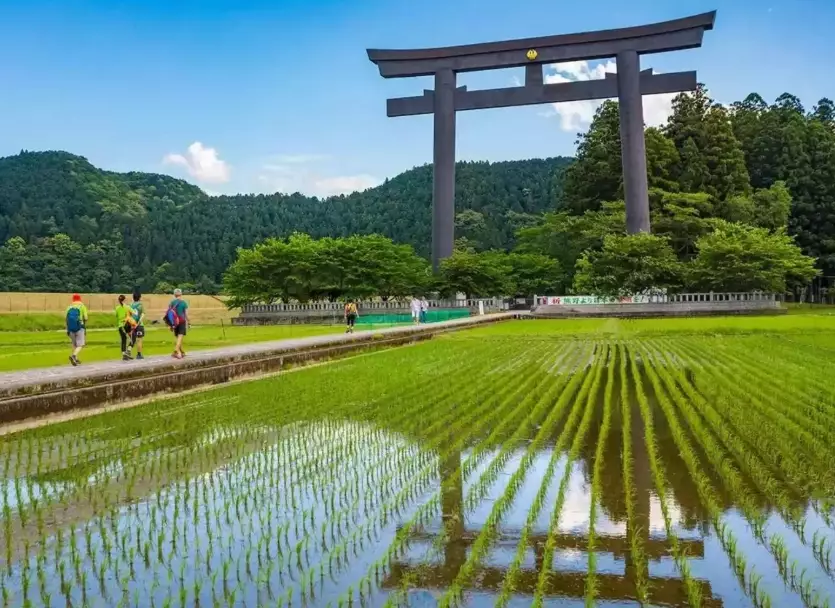
I remember a hike in the Japanese Alps where a sudden rainstorm hit. Within minutes, a trail volunteer appeared with extra ponchos. That level of care is common. But don't get me wrong, it's not all perfect. Some popular spots, like parts of the Nakasendo Trail, can feel overcrowded during golden week. That's why timing matters.
The seasons dictate everything. Spring brings cherry blossoms and mild temps, perfect for lowland hikes. Summer is for high-altitude trails, but humidity in cities can be brutal. Autumn? Stunning foliage, but book huts early. Winter offers snowshoeing in Hokkaido, though daylight is short. According to the Japan National Tourism Organization, over 70% of the country is mountainous, so options are endless.
Top Hiking Trails in Japan You Can't Miss
Here are five trails that showcase Japan's range. I've included details so you can plan straight away.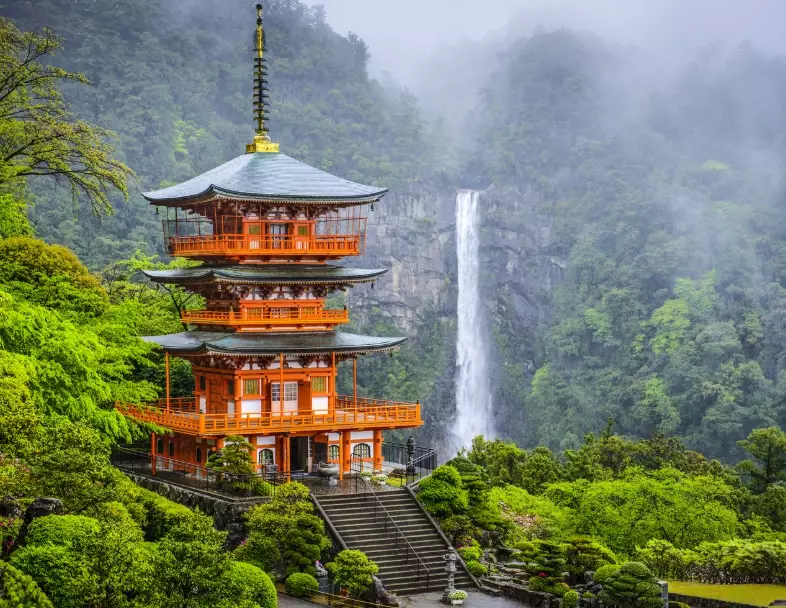
| Trail Name | Location | Difficulty | Best Season | Key Details |
|---|---|---|---|---|
| Mount Fuji Yoshida Trail | Yamanashi Prefecture | Moderate to Strenuous | July to early September | Official climbing season only; no entrance fee but hut reservations cost ¥5,000-¥10,000; access via Fuji Subaru Line from Kawaguchiko Station. |
| Kumano Kodo Nakahechi Route | Wakayama Prefecture | Moderate | Spring and Autumn | UNESCO World Heritage site; multi-day pilgrimage; free to walk but accommodation from ¥8,000/night; start from Tanabe City via JR train. |
| Kamikochi Valley Trails | Nagano Prefecture | Easy to Moderate | May to October | Alpine scenery; park entrance ¥500; buses from Matsumoto Station; day hikes or overnight at campsites (¥1,000). |
| Yakushima Shiratani Unsuikyo | Kagoshima Prefecture | Easy | Year-round (avoid typhoons) | Ancient cedar forests; inspiration for Studio Ghibli's "Princess Mononoke"; park fee ¥500; ferry from Kagoshima to Miyanoura Port. |
| Nikko Senjogahara Marshland | Tochigi Prefecture | Easy | June to October | Flat boardwalk through wetlands; part of Nikko National Park; free access; train from Tokyo to Nikko Station, then bus. |
Mount Fuji is iconic, but here's a tip most blogs miss: the descent is harder on your knees than the ascent. Bring poles. For Kumano Kodo, I found the spiritual aspect overhyped—it's beautiful, but the trails can be slick after rain. Kamikochi is my personal favorite; the views of the Hotaka Range never get old, but the buses get packed by 9 AM. Go early.
The Hidden Gems: Lesser-Known Trails for Solitude
If crowds bother you, skip the classics. Try the Daisetsuzan Grand Traverse in Hokkaido. It's remote, with wild bears (carry a bell), and huts that don't require bookings months ahead. Another is the Iya Valley in Tokushima—vine bridges and steep gorges, but transport is tricky; rent a car.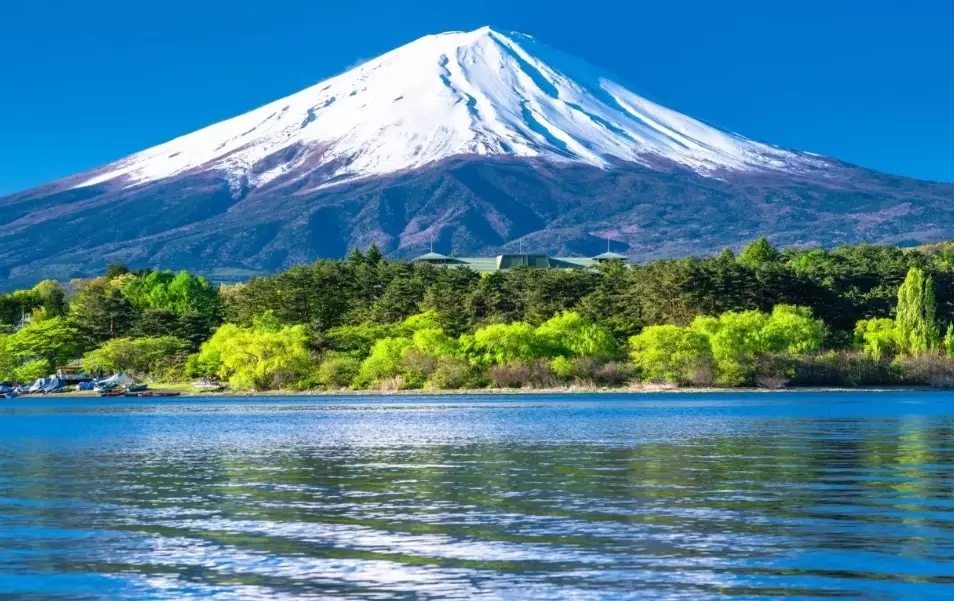
I once spent three days on the Omine Okugake Trail in Nara. Saw maybe five other hikers. The catch? It's rugged, with minimal signage. You need experience. These trails won't top Google searches, but they offer raw Japan.
How to Plan Your Hiking Trip to Japan
Start with logistics. Public transport is your friend. For example, to reach most trailheads, use Japan's rail pass if you're a tourist. But for remote areas like Yakushima, flights or ferries are better. Check Hyperdia for train schedules.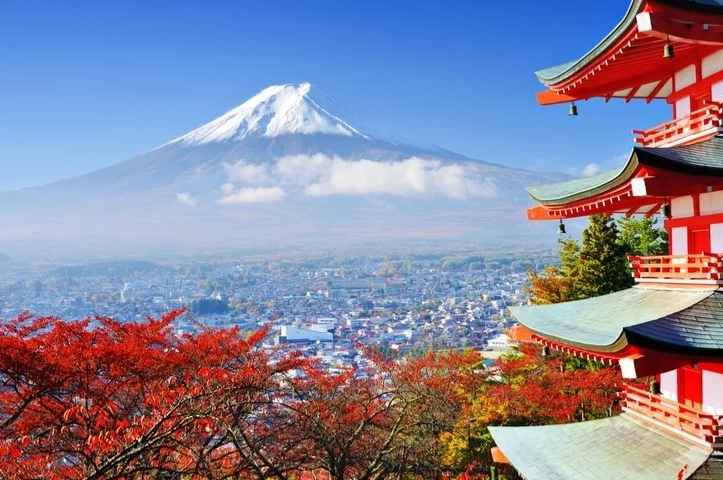
Gear wise, you don't need fancy stuff. A good rain jacket is essential—Japan's weather shifts fast. I learned this the hard way on a hike in Shikoku when a sunny morning turned into a downpour. Trail runners work for most hikes, but for alpine routes, sturdy boots.
Accommodation: mountain huts fill up fast. Book via websites like Yamareco.com. Costs range from ¥6,000 to ¥15,000 with meals. Camping is allowed in designated areas only; fines apply elsewhere.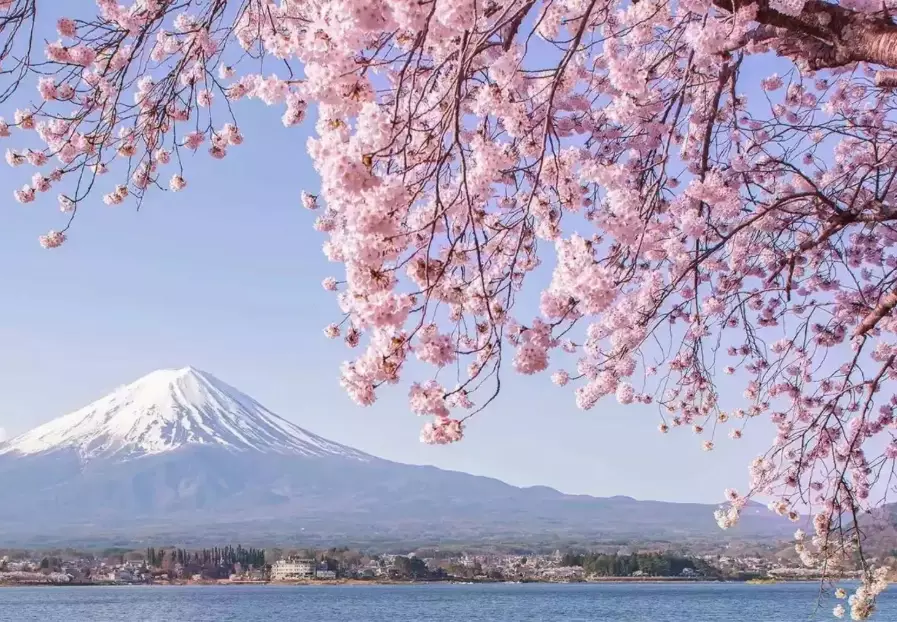
Etiquette matters. Pack out all trash—Japan is spotless for a reason. On trails, greet others with "Konnichiwa." Don't pick plants or stray off paths; it's disrespectful and can damage ecosystems.
The One Mistake Most First-Time Hikers Make in Japan
Underestimating the terrain. Japan's trails aren't just walks in the park. Elevation gains are steep, and weather can be unpredictable. I've seen tourists attempt Mount Fuji in sneakers during off-season—a recipe for disaster. Another error: relying solely on Google Maps. Trails often have poor signal. Use offline maps or apps like Yamap.
Also, people overlook the cultural side. Hiking here isn't just exercise; it's intertwined with Shinto and Buddhist traditions. At shrines along trails, take a moment to observe. It enriches the experience.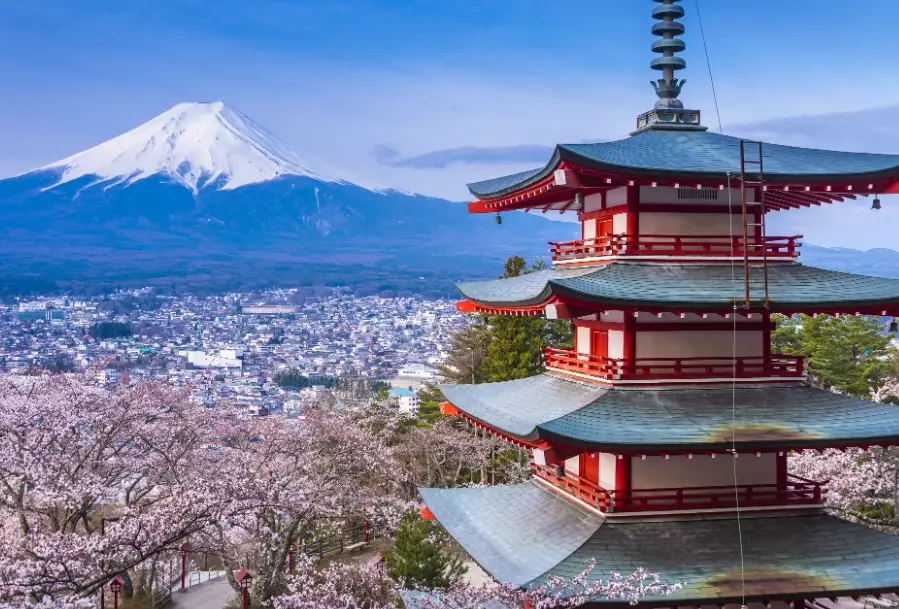
Frequently Asked Questions
Wrapping up, Japan's hiking scene is a blend of accessibility and adventure. Whether you're chasing views or solitude, it delivers. Just remember: respect the trails, plan for the weather, and don't rush. The mountains have been here for centuries; they'll wait for you to explore wisely.




Share Your Thoughts