Tokyo is a solo traveler's dream. I've lost count of my trips there, both alone and with others, and honestly, experiencing it solo is a different beast. It's not just about ticking off shrines and eating sushi (though that's a big part). It's about the freedom to follow a random alley in Shimokitazawa because you heard music, or spending two hours in a tiny bookshop in Jimbocho without anyone tapping their watch. The city is safe, the infrastructure is a marvel, and there's a unique kind of peace in navigating its organized chaos by yourself.
Your Tokyo Solo Travel Blueprint
Why Tokyo is a Paradise for Solo Travelers
Let's cut to the chase. You're considering traveling alone, maybe a bit nervous. Tokyo dismantles those worries systematically.
Safety first. You can walk most central neighborhoods late at night and feel fine. I've left my phone on a cafe table and found it untouched 20 minutes later. Petty theft is rare. The Japan National Tourism Organization (JNTO) consistently highlights public safety as a key strength.
Infrastructure that caters to individuals. This is the secret sauce. Vending machines for everything, from tickets to hot meals. Capsule hotels and business hotels designed for single occupancy. Countless restaurants with counter seating where eating alone is the norm, not an exception. The entire city feels built for efficient, individual use.
The joy of solitude is respected. In many cultures, being alone can draw pitying looks. In Tokyo, it's just another way to be. You can sit in a park, visit a museum, or soak in an onsen (where permitted for solo use), and no one bats an eye. It's liberating.
Crafting Your Solo Tokyo Itinerary: A 5-Day Sample
Don't cram. The biggest rookie mistake is trying to see Shinjuku, Shibuya, Asakusa, and Odaiba all in one day. You'll see the inside of subway cars and feel exhausted. Here's a balanced, solo-friendly approach.
Day 1: Shinjuku - Dive into the Neon Jungle
Start high to get your bearings. The Tokyo Metropolitan Government Building Observatories (1st and 2nd buildings) are free and offer stunning views. Address: 2-8-1 Nishishinjuku. Open 9:30 AM - 11:00 PM.
Afternoon: Wander through Shinjuku Gyoen National Garden. It's a massive, serene escape. Entry: 500 yen. Address: 11 Naitomachi. Hours: 9:00 AM - 5:30 PM (last entry 4:30 PM). Perfect for solo contemplation.
Evening: Experience the sensory overload of Kabukicho and Golden Gai. Golden Gai's tiny bars are hit-or-miss for solos—some are fiercely local. Look for bars with English signs or a friendly wave from the owner.
Day 2: Shibuya & Harajuku - Pop Culture and Quiet Corners
Morning: Do the Shibuya Crossing scramble. Then, for a unique solo photo, go to the Mag's Park rooftop (accessed via the Shibuya Mark City building, 300 yen).
Afternoon: Walk to Harajuku. Skip the overcrowded Takeshita Street on weekends. Instead, explore Omotesando for architecture and dive into the labyrinth of Cat Street. Find vintage shops and quiet cafes.
Hidden gem: The Nezu Museum in nearby Aoyama. A stunning collection of Asian art and one of Tokyo's most beautiful private gardens. Address: 6-5-1 Minami-Aoyama. Entry: 1300 yen (exhibitions vary). Closed Mondays.
Day 3: Asakusa & Ueno - Old Tokyo Vibes
Morning: Get to Senso-ji Temple early, before 9 AM, to avoid the tour group crush. The Nakamise shopping street leading to it is touristy, but fun for souvenirs.
Afternoon: A 15-minute walk west brings you to Kappabashi Dougu Street, the kitchenware district. Even if you're not buying, it's fascinating to browse the plastic food models.
Late Afternoon: Hop on the Ginza Line to Ueno Park. You have your pick of museums here (Tokyo National Museum, National Museum of Nature and Science). The park itself is a great place to people-watch. Ueno's Ameyoko market street is chaotic but full of energy and cheap eats.
Day 4: Beyond the Center - Shimokitazawa or Nakameguro
Pick one. Shimokitazawa is a bohemian maze of thrift stores, indie theaters, and live music houses. It's incredibly walkable and has a relaxed, young vibe. Perfect for getting lost.
Nakameguro is more chic, lined with stylish cafes and boutiques along the Meguro River. It's stunning during cherry blossom season, but peaceful year-round. The Starbucks Reserve Roastery here is an experience, but be prepared for a queue.
Day 5: Your Choice Day & Last-Minute Exploring
Revisit a neighborhood you loved, or try something new:
- TeamLab Planets TOKYO in Toyosu: An immersive digital art experience. Book tickets online well in advance. Address: 6-1-16 Toyosu. Time slot entry.
- Tsukiji Outer Market: Go for a late breakfast of incredibly fresh sushi. Try Sushi Dai if you're willing to queue, or explore the many smaller stalls.
- Akihabara: If anime/games/electronics are your thing, dedicate a few hours here. Don't just stick to the main strip; explore the multi-story arcades and specialist shops.
Solo Dining in Tokyo: Conquering the Table for One
This is the part that worries people the most. Let me reassure you: Tokyo is the global capital of solo dining.
Your best friends are counters and ticket machines. Ramen shops are the quintessential solo experience. You often buy a ticket from a machine, hand it to the staff, and slurp at a counter. No interaction needed until the delicious food arrives. Some top choices:
- Ichiran: Famous for its individual booths. It's a chain, but the system is perfectly designed for solitude. Multiple locations.
- Afuri (Ebisu): Known for yuzu-shio ramen. Bright, modern, counter seating. Address: 1-1-7 Ebisu.
Sushi: Skip the expensive omakase places for your first solo trip. Head to a kaiten-zushi (conveyor belt sushi) like Sushiro or Kura Sushi. It's fun, affordable, and zero pressure.
For a more social meal, try a yakitori stand under the train tracks in Yurakucho ("Yakitori Alley") or at Omoide Yokocho in Shinjuku. Sitting at the counter in these cramped, lively spots often leads to nodding and smiling with neighbors.
My personal favorite solo dinner? Grabbing a high-quality bento from the depachika (department store basement food hall) of Mitsukoshi or Isetan, and eating it in the quiet of my hotel room or a nearby park bench. It's cheap, delicious, and utterly stress-free.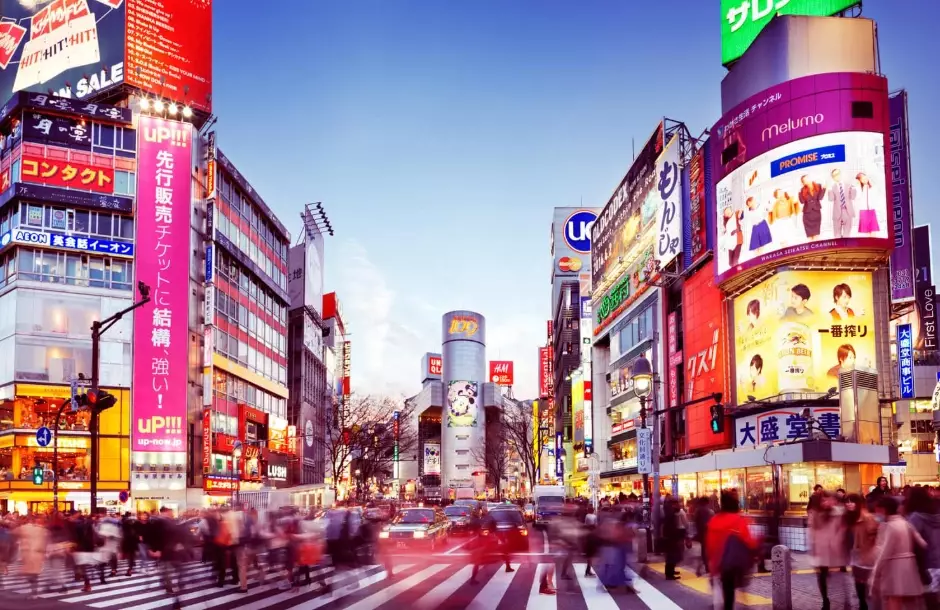
Navigating Tokyo Alone: Transportation and Connectivity
Tokyo's subway and train network is vast, clean, and punctual. It's your key to everything.
Step 1: Get a Suica or Pasmo card. Immediately. You can buy them at any major station from a machine. Tap in and out for trains, subways, buses, and even use them to pay at convenience stores and vending machines. It eliminates the headache of buying individual tickets.
Step 2: Download these apps before you go.
- Google Maps: Works flawlessly for train/subway routes, walking directions, and even bus times. It tells you which platform to go to, the train's final destination, and the car number for the most efficient exit.
- Japan Travel by Navitime: Another excellent route planner.
- Google Translate: Use the camera function to translate menus and signs instantly. A game-changer.
Pro Tip: Don't be afraid of getting lost in a station. Tokyo Station and Shinjuku Station are labyrinths. Everyone gets confused. Look for the color-coded subway line signs and the station maps—they're everywhere. If you're really stuck, station staff are helpful, even with limited English.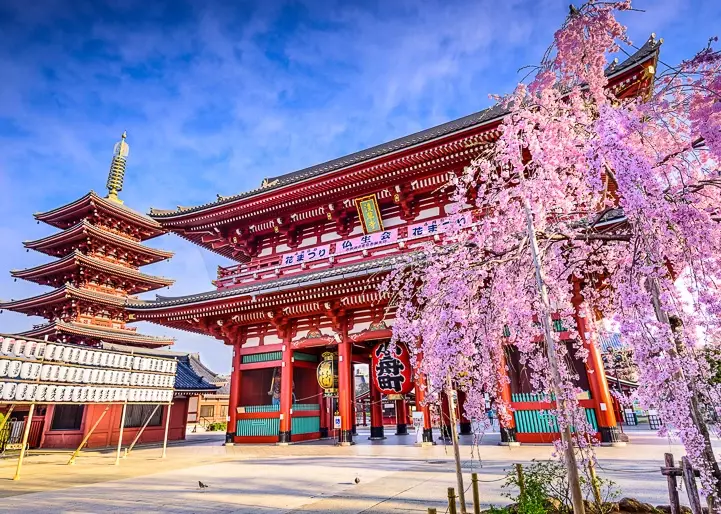
Staying Safe and Connected as a Solo Traveler
Accommodation: For your first solo trip, I recommend a business hotel chain like APA, Dormy Inn, or Mitsui Garden. They're affordable, clean, safe, and usually located right near a station. Rooms are compact but have everything you need. Capsule hotels are a fun experience for a night or two—try the Nine Hours chain for a sleek, minimalist version.
Connectivity: Being offline is the biggest stressor. Rent a pocket Wi-Fi (pick up at the airport) or buy a Japanese SIM card/eSIM for unlimited data. Having constant internet access for maps and translation is non-negotiable for a smooth solo trip.
Emergency Info: The police number is 110, ambulance/fire is 119. Most major hospitals have English-speaking staff. The Tokyo Metropolitan Government runs a Tokyo English Life Line (TELL) for confidential support.
Budgeting for Your Solo Tokyo Adventure
Tokyo can be as expensive or as reasonable as you make it. Here’s a realistic daily breakdown for a mid-range solo traveler.
| Category | Low-End / Savvy | Mid-Range / Comfortable | Notes for Solo Travelers |
|---|---|---|---|
| Accommodation | 3,500 - 5,500 JPY (Capsule/Budget Business Hotel) |
8,000 - 14,000 JPY (Standard Business Hotel) |
Single rooms are priced per person, not per room. No single supplement penalty. |
| Food | 2,500 - 3,500 JPY | 4,000 - 7,000 JPY | Convenience store (7-Eleven, FamilyMart) breakfasts are delicious and cheap (~500 JPY). Lunch sets (teishoku) are great value. |
| Transport | 800 - 1,200 JPY | 1,200 - 1,800 JPY | Suica/Pasmo card. A 24-hour subway pass (600 JPY) can be worth it if you make 3+ trips. |
| Attractions / Souvenirs | 500 - 1,500 JPY | 1,500 - 3,000 JPY | Many temples are free/cheap. Museums cost 500-2000 JPY. Budget for gachapon (capsule toys) and stationery! |
| Daily Total | ~7,300 - 11,700 JPY (~$50 - $80 USD) |
~14,700 - 25,800 JPY (~$100 - $175 USD) |
This excludes flights and travel insurance. Always have insurance. |
Share Your Thoughts