Your Tokyo Journey at a Glance
So you've got ten days to spend in Tokyo. Good choice. Honestly, ten days is the sweet spot. It's enough to scratch beneath the shiny surface of Shibuya Crossing and actually feel the city's rhythm, but not so long that you run out of steam. I remember my first trip; I tried to cram everything into five days and ended up just seeing the inside of subway cars. A complete waste. This time, we'll do it right.
This Tokyo itinerary 10 days plan isn't just a list of places. It's a rhythm. We'll mix iconic sights with quiet neighborhoods, expensive sushi with standing noodle bars, and morning temple visits with late-night izakaya crawls. The goal is to leave feeling like you didn't just visit Tokyo, you experienced a piece of it.
Before You Go: The Non-Negotiables
Skip this part and you'll regret it halfway through day one, probably while struggling to find a trash can (they're weirdly rare) or staring confusedly at a train map.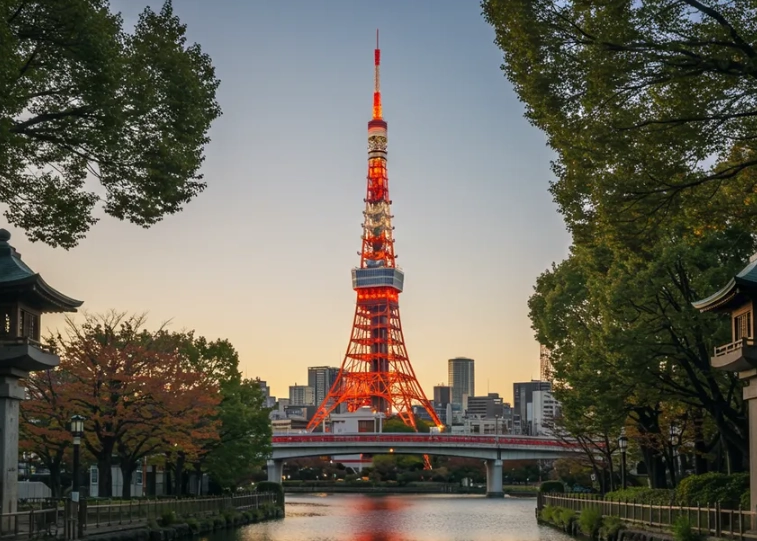
Pocket Wi-Fi or SIM Card?
This is your lifeline. Google Maps is a god in Japan. Trains, walking times, restaurant reviews – it's all there. I prefer a pocket Wi-Fi device you can rent and pick up at the airport. It powers multiple devices and usually has better battery life than your phone hotspot. Companies like Narita Airport's official site lists several providers. Book it online before you fly.
Getting Around: The Suica/Pasmo Revelation
Forget single tickets. Get a rechargeable IC card like Suica or Pasmo the moment you land. Tap on buses, subways, trains, even buy a drink from a vending machine with it. It's magical. You can get them from ticket machines at any major station. Load it with about 5000 yen to start.
Cash is Still King (Mostly)
Yes, credit cards are more common now, especially after the Olympics. But you'll be surprised how many smaller restaurants, market stalls, and even some temples only take cash. Don't get caught out. Withdraw from 7-Eleven ATMs (they're everywhere and accept foreign cards).
Okay, basics covered. Let's dive into the actual Tokyo 10 day itinerary.
The 10-Day Tokyo Itinerary: Day-by-Day Breakdown
I've structured this to minimize backtracking and group areas logically. Feel free to swap days based on weather or your energy levels.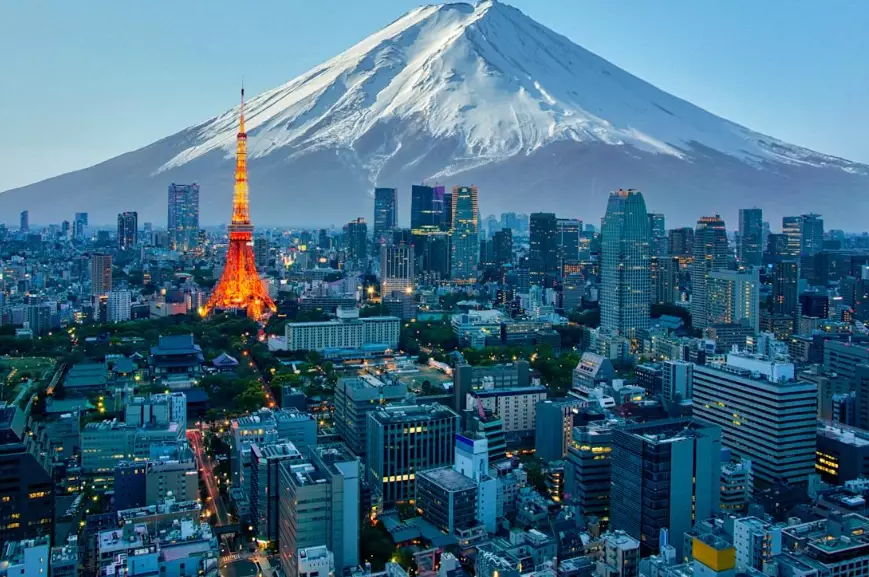
Day 1: Arrival & Immersion in Shinjuku's Neon Glow
You've landed, you're tired, but you're excited. Don't overdo it. Head to your accommodation (I recommend staying in Shinjuku, Shibuya, or Ginza for first-timers). Drop your bags, grab your pocket Wi-Fi, and get a Suica card.
Afternoon/Evening: Dive headfirst into Shinjuku. Start at the Tokyo Metropolitan Government Building. It's free, and the observatory offers a stunning 360-degree view of the sprawling city—perfect for orientation. It’s better than paying for Skytree on your first jet-lagged day.
Then, get lost in the organized chaos of Omoide Yokocho ("Memory Lane") and Golden Gai. These are networks of tiny, atmospheric alleyways packed with minuscule bars and eateries. Omoide Yokocho is great for grilled skewers (yakitori). Golden Gai is for bar-hopping. Pick a bar that looks friendly (has an English menu outside) and squeeze in. A drink here is a cultural experience.
Day 2: Shibuya & Harajuku – The Pulse of Pop Culture
Today is about energy. Start at the Shibuya Scramble Crossing. Cross it a few times. Then, for the best view, go to the second-floor Starbucks in the Tsutaya building (it's always crowded) or the free viewing gallery at the Shibuya Sky building (book tickets online in advance, it's worth it).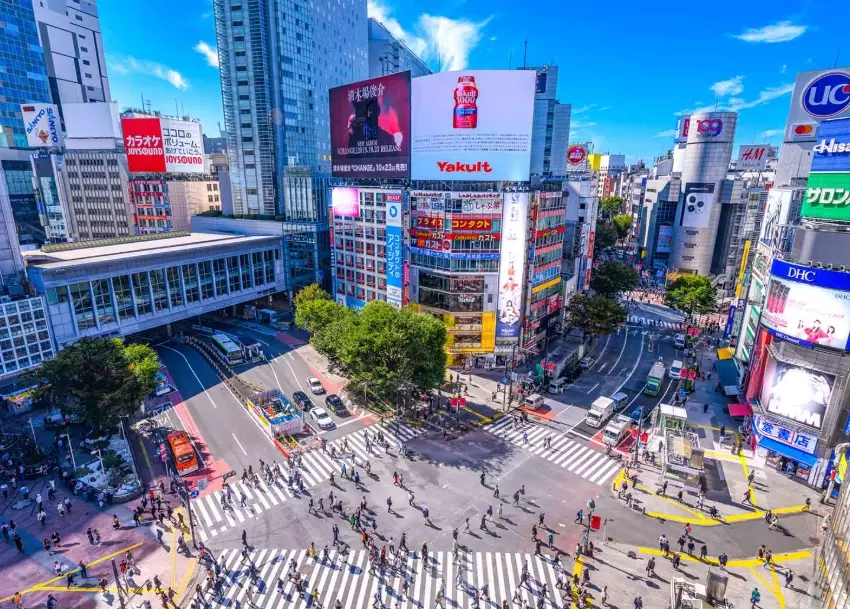
Walk towards Harajuku. But first, detour through Cat Street. It's a cooler, more laid-back shopping street than the main Takeshita Dori, full of boutiques and trendy cafes.
Afternoon: Brace yourself and enter Takeshita Dori. It's a sensory overload of crepe stands, colorful fashion, and teenagers. It's chaotic and kind of overwhelming, but you have to see it. Try a rainbow cotton candy or a giant crepe if you have a sweet tooth.
Then, find peace just minutes away at the Meiji Jingu Shrine. Walking through the massive torii gate into the serene forest feels like stepping into another world. It's a beautiful contrast. This day perfectly captures the two extremes of Tokyo life.
Day 3: Asakusa & Tokyo SkyTree – Old Meets New
A classic for any Tokyo itinerary 10 days. Start early at Senso-ji Temple, Tokyo's oldest temple. The approach via Nakamise-dori is lined with stalls selling traditional snacks and souvenirs. Get there before 9 AM to avoid the worst of the crowds. Purify your hands at the fountain, smell the incense, and soak in the atmosphere.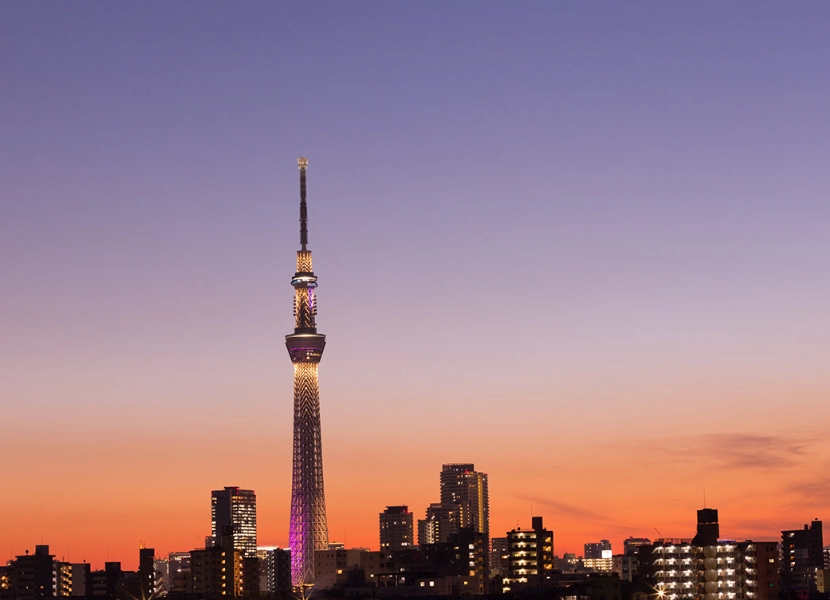
From here, take a short walk to Tokyo SkyTree. You'll see it from the temple grounds. I'll be honest, going up is expensive. The view is incredible, but if you did the free government building view on Day 1, you might skip the ascent. Instead, explore the Solamachi mall at its base—great for shopping and food halls.
Late Afternoon: Hop on a river cruise from Asakusa to Hamarikyu Gardens. This traditional garden with a seawater pond is another oasis of calm. The tea house on the island is a lovely spot for matcha and a sweet.
Day 4: Day Trip to Nikko
This is where a 10-day Tokyo itinerary shines. You have time for a proper day trip. Nikko is a UNESCO World Heritage site about two hours north by train. It's a total change of scenery: mountains, forests, and incredibly ornate shrines.
The Toshogu Shrine is the star, the final resting place of Tokugawa Ieyasu. It's dripping with gold leaf and famous carvings, including the "see no evil, hear no evil, speak no evil" monkeys. It's lavish, almost gaudy compared to the simplicity of Meiji Jingu, and fascinating for it.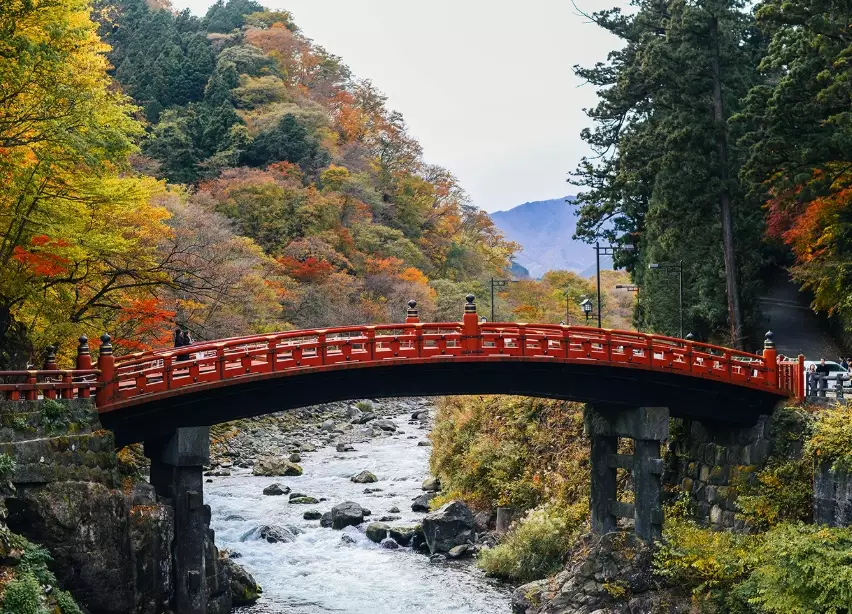
You can use your Suica card on the Tobu Railway line from Asakusa. For detailed access info, check the Japan National Tourism Organization's page on Nikko. It's an early start and a long day, but it breaks up the city intensity beautifully.
Day 5: Akihabara & Ueno – Electronics & Culture
Start in Akihabara, the electric town. Even if you're not an anime or gaming fanatic, it's a spectacle. Multi-story arcades, maid cafes, and electronics shops selling everything imaginable. Go into a Yodobashi Camera store; it's an experience in itself. For lunch, try a "gyukatsu" (breaded, deep-fried steak cutlet) – there's a famous chain here.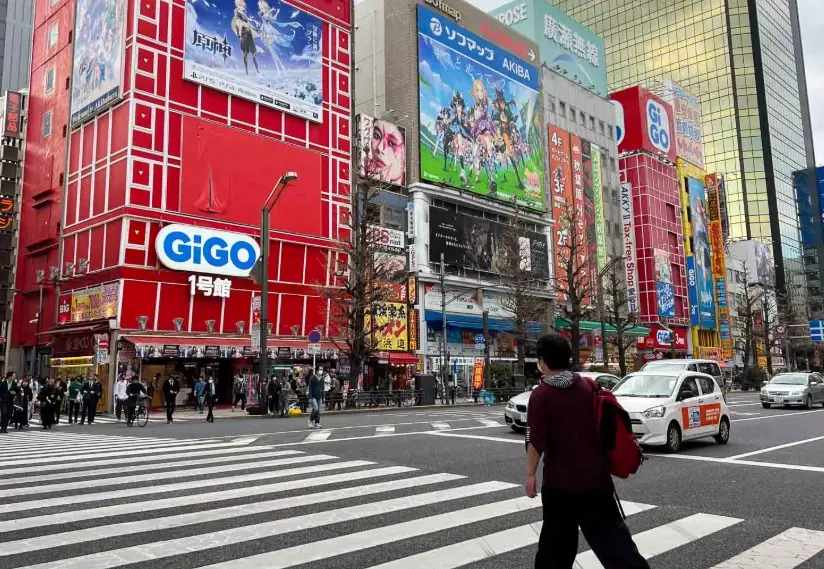
Afternoon: Walk or take a short train to Ueno. Visit the Ueno Park area. You have choices here:
- Tokyo National Museum: The best collection of Japanese art and artifacts in the country. Essential for history buffs.
- Ueno Zoo: Japan's oldest zoo, famous for its giant pandas.
- Or just wander the park, visit the Benten-do temple on the lake, and soak in the relaxed vibe.
End the day at Ameya Yokocho (Ameyoko) market street just south of the station. It's bustling, loud, and great for cheap snacks, dried fish, and people-watching.
Day 6: Tsukiji Outer Market & Odaiba
Get up early again. The Tsukiji Outer Market is where the action is now (the inner wholesale market moved to Toyosu). It's a foodie paradise. Follow your nose. Eat fresh oysters, scallops, tamagoyaki (sweet omelet), and fatty tuna on rice. Go hungry. Don't just go to one famous queue; explore the side alleys.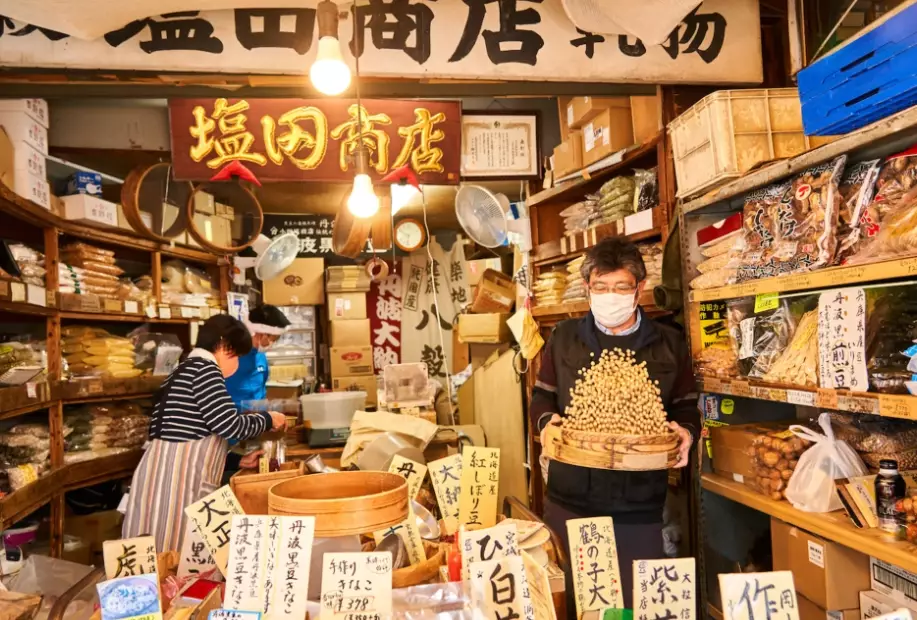
Afternoon: From Tsukiji, take the Yurikamome automated train across the Rainbow Bridge to the futuristic island of Odaiba. It feels like a different planet. See the Gundam statue, visit the interactive teamLab Borderless digital art museum (you MUST book tickets online weeks in advance), or shop at the massive malls. The view back towards Tokyo from the beach area is fantastic at dusk.
Day 7: Shinjuku Revisited & Kabukicho
You've seen Shinjuku at night. Now explore it by day. Visit Shinjuku Gyoen National Garden, one of Tokyo's best parks. It's massive, with Japanese, French, and English landscape gardens. It's a wonderful place to relax, read a book, and escape the concrete.
Afternoon: Explore the massive department stores around Shinjuku Station like Isetan or Takashimaya. Their food basements (depachika) are culinary wonderlands. You can assemble an incredible picnic or gift box from here.
Evening: With a buddy, explore the edges of Kabukicho, Asia's largest entertainment district. It's safe to walk through and marvel at the neon, but be smart. Avoid touts who try to pull you into bars or clubs. Just observe the spectacle. For a quirky experience, have a drink at the Robot Restaurant (if it's reopened) – it's loud, bizarre, and unforgettable.
Day 8: Day Trip to Kamakura
Another excellent day trip option. Kamakura, about an hour south, is a seaside town packed with temples and famous for its Great Buddha (Kotoku-in). It's more compact and walkable than Nikko. You can easily visit the Great Buddha, explore the main Hase-dera temple with its beautiful gardens and sea views, and wander the charming Komachi-dori shopping street.
It's a more relaxed day trip compared to Nikko. You can even combine it with a quick stop at the beach in Enoshima if the weather's nice. The Official Kamakura City Tourism Website has perfect walking courses.
Day 9: Ginza & Roppongi – Luxury & Art
Start in Ginza. Window-shop at the flagship stores of Chanel, Gucci, and the iconic Wako building with its clock tower. Even if you're not buying, it's impressive. Visit the Ginza Six mall for its stunning architecture and rooftop garden.
Afternoon: Head to Roppongi. This area is known for nightlife, but its day-time draw is art. The Roppongi Art Triangle consists of three world-class museums:
- Mori Art Museum (atop Roppongi Hills, often has fantastic contemporary exhibitions).
- National Art Center, Tokyo (a stunning building with rotating exhibitions).
- Suntory Museum of Art (focuses on traditional Japanese arts).
Pick one that suits your taste. The view from the Mori Building's sky deck is another stellar city vista.
Day 10: Your Choice & Departure Prep
Your last day. Use it to revisit a favorite neighborhood, shop for last-minute souvenirs in Kappabashi"Kitchen Town" for plastic food samples or chef's knives, or finally try that restaurant you bookmarked.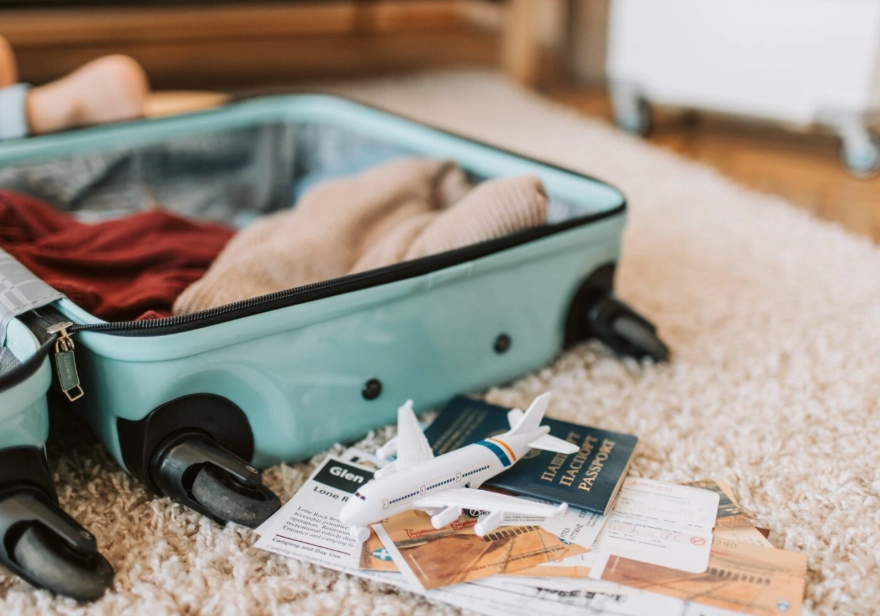
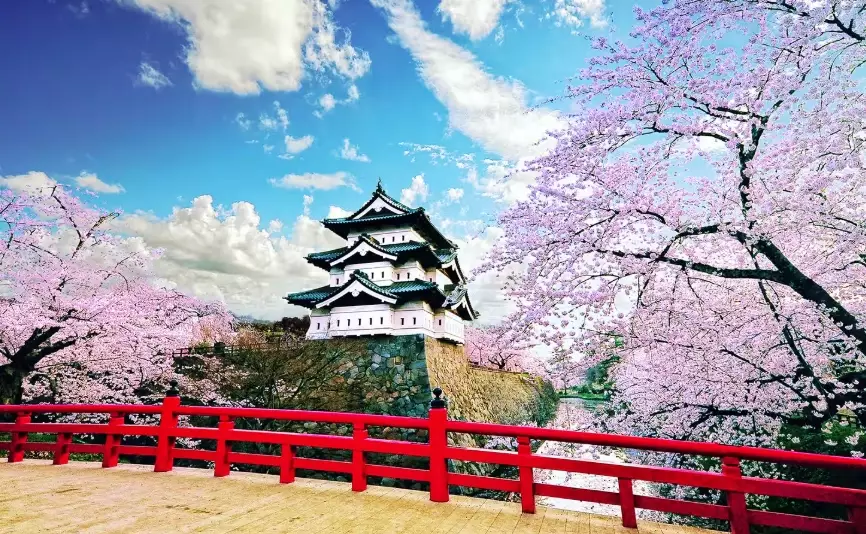
Maybe you just want to wander a less-touristy area like Daikanyama or Nakameguro (especially beautiful if it's cherry blossom season along the canal). This day is for you to fill in the blanks of your own perfect Tokyo itinerary 10 days.
Beyond the Itinerary: Food, Logistics & Your Questions
A skeleton itinerary is useless without the flesh and blood of practical advice. Let's tackle the big questions.
Where to Stay in Tokyo for 10 Days?
Location is everything. Here’s a quick breakdown of major areas:
| Area | Best For | Vibe | Consideration |
|---|---|---|---|
| Shinjuku | First-timers, nightlife, transport hub | Energetic, chaotic, central | Can be noisy; endless dining options |
| Shibuya | Young travelers, shopping, pop culture | Trendy, fast-paced, youthful | Very crowded around the station |
| Ginza | Luxury, refined dining, upscale shopping | Polished, elegant, quieter at night | Generally more expensive |
| Tokyo Station / Marunouchi | Business travelers, day trips, convenience | Orderly, corporate, excellent transport | Can feel a bit sterile in the evenings |
| Asakusa | Budget, traditional atmosphere, Senso-ji | Old-school, charming, less frenetic | A bit farther from the western hubs like Shibuya |
My personal pick for a first Tokyo 10 day itinerary is Shinjuku or Shibuya. You're right in the heart of it all.
Navigating the Tokyo Subway: It's Easier Than You Think
The map looks like a bowl of colorful spaghetti. I panicked the first time I saw it. But here's the secret: Google Maps is your conductor. Type in your destination, select the public transport option, and it will tell you exactly which line to take, which platform, the departure time, the cost, and which exit to use. It's foolproof. Just ensure your Suica card has enough credit and follow the colored line signs in the stations.
Food: What and Where to Eat
You cannot eat poorly in Tokyo. Even convenience store food (7-Eleven, FamilyMart, Lawson) is delicious. Here’s a hit list for your 10 days in Tokyo:
- Ramen: Don't just go to Ichiran. Try a local shop. Look for a vending machine to buy a ticket outside. Shoyu (soy), shio (salt), miso, and tonkotsu (pork bone) are the main broths. My favorite find was a tiny 8-seat place in a Shinjuku back alley.
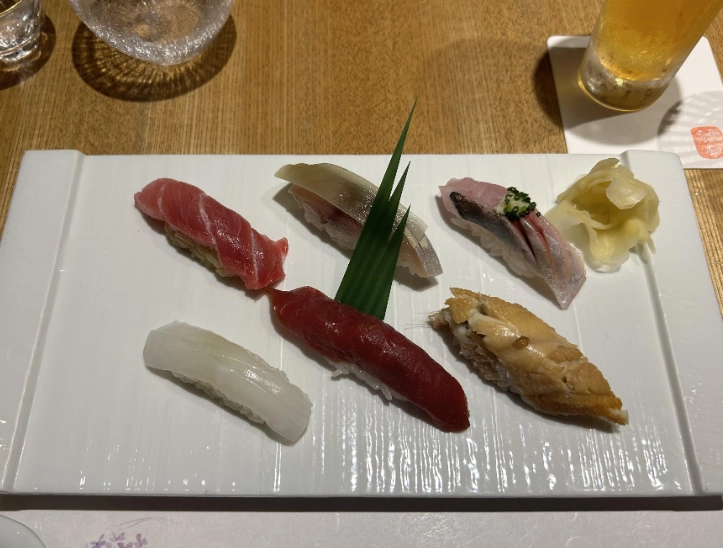
- Sushi: Splurge at least once on a high-end omakase experience. But also try a good kaiten (conveyor belt) sushi like Sushiro or Kura Sushi for fun and value.
- Yakitori: Grilled chicken skewers. Perfect with a beer. Found in izakayas (Japanese pubs) or specialty shops like in Omoide Yokocho.
- Tempura: Light, crispy, and not greasy. Look for a specialist restaurant.
- Curry: Japanese curry is thicker and sweeter than Indian curry. Coco Ichibanya is a famous chain, but local shops are great.
The best strategy? See a queue of locals, and join it. You won't be disappointed.
Frequently Asked Questions (FAQs)
Let's squash some common worries.
Is 10 days in Tokyo too long?
Not at all. For a deep dive, it's ideal. Tokyo is not one city; it's a collection of dozens of unique towns (wards) each with its own personality. A 10-day Tokyo itinerary allows you to explore beyond the postcard spots, take day trips, and not feel rushed. You can have slow mornings, get lost, and find your own favorite spots.
Should I buy a Japan Rail Pass for this itinerary?
As mentioned earlier, probably not. The JR Pass is for long-distance bullet train travel between cities. For this Tokyo-centric plan, your main expenses will be local subways and the two day trips (Nikko, Kamakura). The cost of a 7-day JR Pass far exceeds the cost of those trips plus your local Suica spending. Use a fare calculator online if you're unsure, but for most people following this plan, it's a no.
I don't speak Japanese. Will I be okay?
Yes, absolutely. Signs in major areas and on transport are in English. Many restaurants have picture menus or plastic food displays outside. People are incredibly helpful and polite, even with a language barrier. Learn a few key phrases: "Arigato gozaimasu" (thank you), "Sumimasen" (excuse me/sorry), "Onegaishimasu" (please). A smile and Google Translate will get you the rest of the way.
What's the best time of year to use this Tokyo itinerary 10 days?
Spring (March-May) for cherry blossoms (but it's crowded and expensive). Autumn (October-November) for perfect weather and fall colors. Both are sublime. Winter (Dec-Feb) is cold but clear, with fewer crowds. Summer (Jun-Sep) is hot and humid, but has festivals. There's no truly bad time, but late spring and autumn are the golden windows.
How much should I budget?
Tokyo can be as expensive or as reasonable as you make it. Excluding flights and accommodation:
- Budget: 7,000-10,000 yen per day (hostels, street food, free sights).
- Mid-range: 15,000-25,000 yen per day (business hotels, mix of casual and nice meals, paid attractions).
- Luxury: 40,000+ yen per day (boutique hotels, fine dining, private guides).
Most people comfortably fit in the mid-range. Remember, many of the best experiences (temples, parks, wandering neighborhoods) are free or cheap.
So there you have it. A Tokyo itinerary for 10 days that's designed to be lived, not just followed. It gives you the icons, the culture, the food, the day escapes, and the space to breathe. Print it out, bookmark it, tweak it to your heart's content, and get ready for one of the most fascinating cities on earth.
Just remember to pack comfortable shoes. You're going to need them.
Share Your Thoughts