So, how many national parks in Japan are there? The official number, as designated by the Japanese Ministry of the Environment, is 34 national parks. That's the answer you came for. But if you stop there, you're missing the whole story. This isn't just a list; it's a map to some of the most diverse and breathtaking landscapes on the planet, crammed into a country roughly the size of California.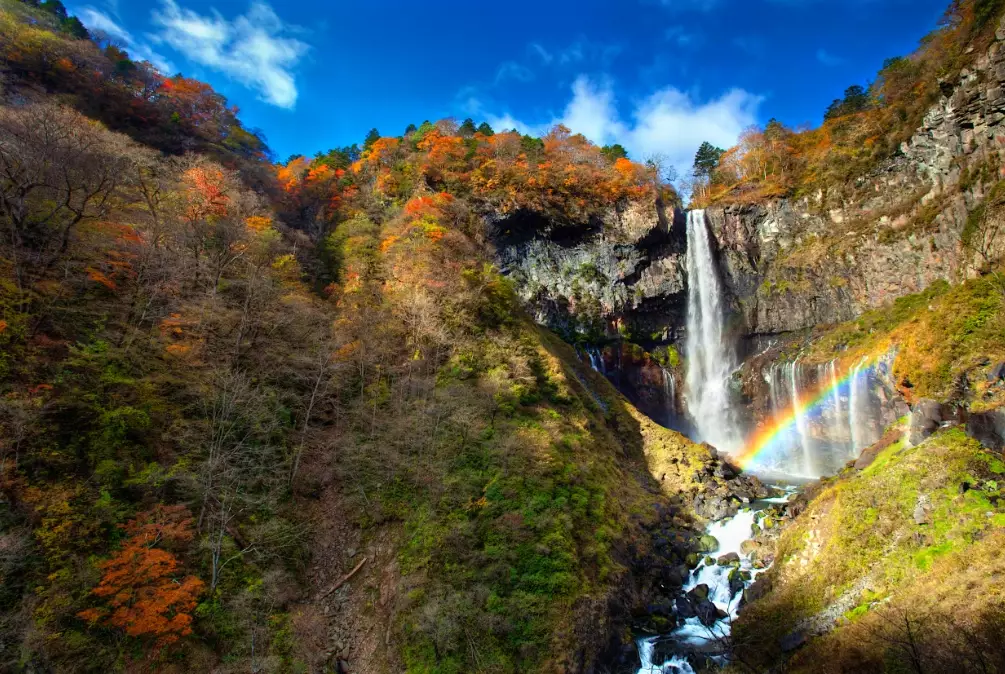
I've spent over a decade exploring these parks, from the frozen drift ice of Shiretoko to the steamy jungles of Iriomote. The number 34 is a starting point. The real magic lies in understanding what that number represents and how you, as a traveler, can navigate it. Most guides just list them. I'm going to show you how to experience them.
Your Park-Hopping Roadmap
How Many National Parks Does Japan Actually Have?
Japan has 34 national parks (国立公園, Kokuritsu Kōen). They were established under the Natural Parks Law, with the first ones—Setonaikai, Unzen, and Kirishima—designated back in 1934. The most recent addition, in March 2023, was Yambaru National Park in Okinawa, a move that highlighted the growing focus on subtropical biodiversity.
Key Distinction: Don't confuse National Parks (国立公園) with Quasi-National Parks (国定公園). Japan has 34 of the former and 58 of the latter. National Parks are designated and managed directly by the national government (Ministry of the Environment) for their outstanding national significance. Quasi-National Parks are areas of slightly lesser scale or beauty, nominated by prefectural governments and approved nationally, but managed primarily by the prefectures. Both are worth visiting, but when we talk about "how many national parks," we mean the 34.
These 34 parks are scattered across the entire archipelago. You can find a useful map and official list on the Ministry of the Environment's website. But a map only shows locations. It doesn't tell you that Daisetsuzan in Hokkaido is three times the size of Tokyo's 23 wards, or that Fuji-Hakone-Izu contains an active volcano, hot spring towns, and remote islands all under one park name.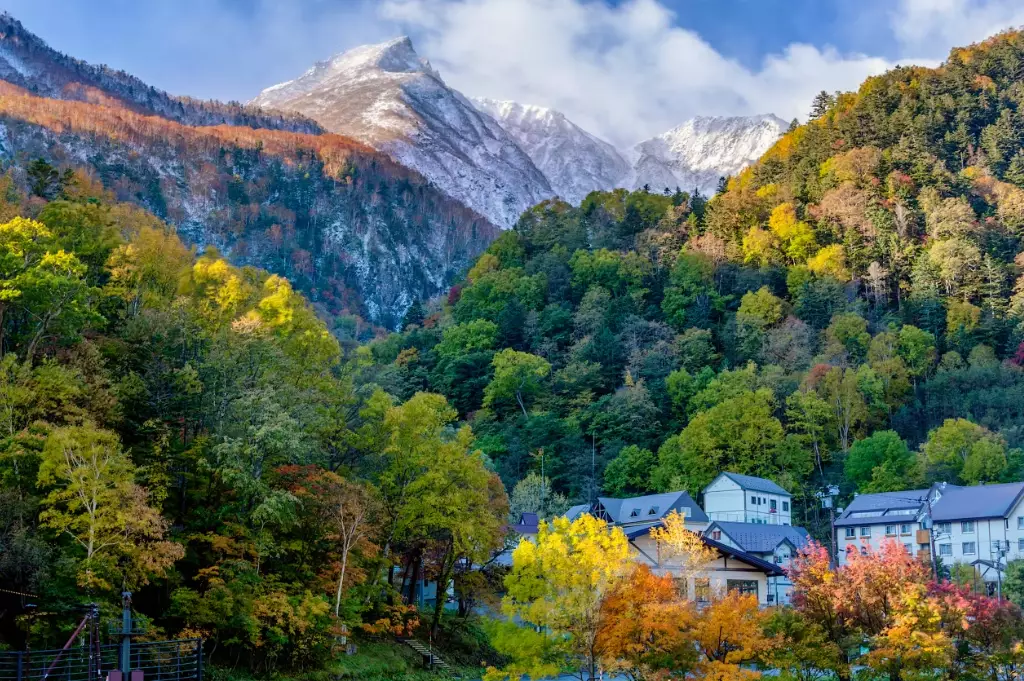
Top 5 Must-Visit National Parks in Japan (For Different Travelers)
You can't visit all 34. Nobody can. The biggest mistake first-timers make is trying to tick boxes. Instead, match a park to your travel style. Here are five standouts, each for a different kind of adventurer.
1. Fuji-Hakone-Izu National Park: For the First-Timer & Icon Chaser
This is the most visited park for a reason. It packs iconic Japan into one accessible area. Yes, you come for the postcard view of Mount Fuji. But staying only for that is the common error. The park's genius is its variety.
Hakone offers onsen (hot springs) and lake cruises with Fuji views, a more relaxed experience than climbing the peak. The Izu Peninsula has dramatic coastlines and smaller, less crowded trails. My personal hack? Skip the crowded Fuji Subaru 5th Station and head to the lesser-known northern shores of Lake Kawaguchiko or the Asagiri Plateau for stunning, peaceful views. The park is vast, so you need to pick your zone.
Key Info: No central "park fee." Individual attractions charge (e.g., Hakone ropeway, museums). Access varies by area: Hakone is 90 mins by train from Tokyo; Kawaguchiko is 2 hours by bus.
2. Daisetsuzan National Park: For the Serious Hiker & Wilderness Seeker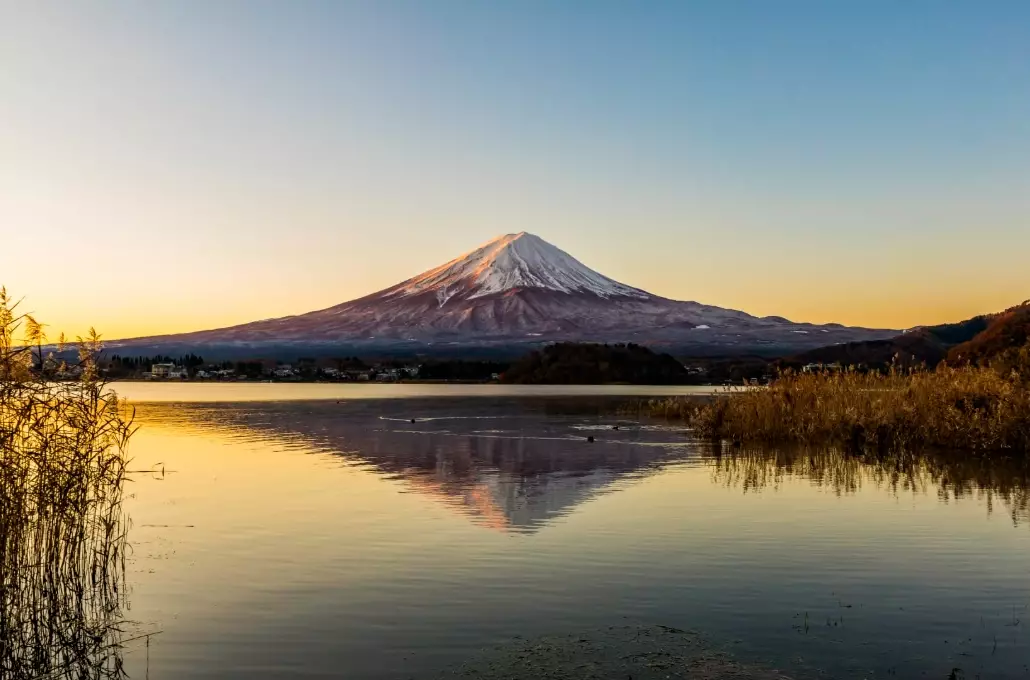
If you want raw, untamed nature, go north to Hokkaido. Daisetsuzan is Japan's largest national park, known as the "roof of Hokkaido." This is where the seasons are extreme and the brown bears outnumber people. The hiking here, like the multi-day traverse through the Asahidake and Tokachidake ranges, is world-class.
The mistake people make is coming underprepared. Weather changes in minutes. Trails are rugged. You need proper gear, maps, and an understanding of bear safety. It's not a casual stroll. But the reward—alpine meadows, volcanic craters, and complete solitude—is unmatched in Japan.
3. Shiretoko National Park: For the Wildlife Enthusiast
A UNESCO World Heritage site at the remote northeastern tip of Hokkaido. Shiretoko is famous for its population of brown bears and the seasonal drift ice that coats the Sea of Okhotsk in winter. The best way to see it is from a boat along the coastline, spotting bears foraging on the shore and seabirds crowding the cliffs.
It's a commitment to get here (flight to Memanbetsu or Kushiro, then a long drive/bus), but it feels like the edge of the world. Visit in late May to July for bear sightings, or February for the surreal experience of walking on drift ice (with a guided tour).
4. Yakushima National Park: For the Spiritual Nature Lover
This island park south of Kyushu is a moss-covered fantasyland. It's home to Yakusugi, ancient cedar trees thousands of years old, including the legendary Jomon Sugi. Hiking here, especially the arduous trek to Jomon Sugi, is a pilgrimage.
The climate is subtropical and it rains—a lot. That's what creates the magical, primeval atmosphere. Pack the best waterproof gear you own. Don't rush it; spend at least two full days to hike different trails and absorb the profound sense of age and stillness.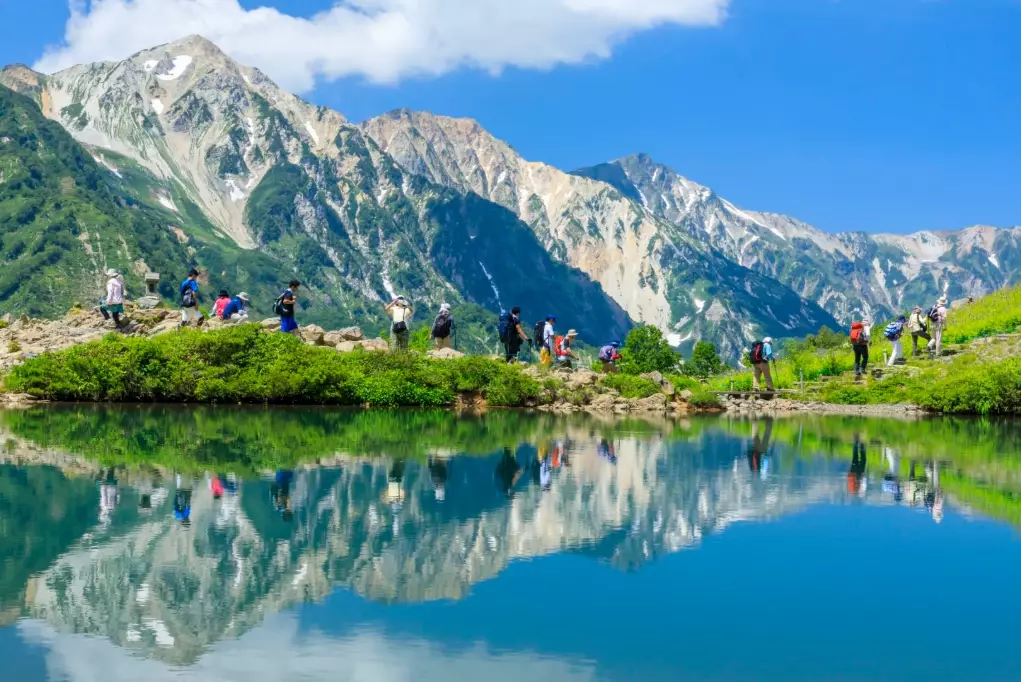
5. Kerama Islands National Park: For the Beach & Snorkeling Aficionado
Just a short ferry ride from Okinawa's main island, the Keramas are a hidden gem. The water is an absurdly clear "Kerama Blue." This park is all about marine life: winter and spring bring humpback whales, and the coral reefs are teeming with fish year-round.
It's a relaxed, slow-paced alternative to the busier parts of Okinawa. Stay on Tokashiki or Zamami Island, rent a bike, and hop between pristine beaches. It's the perfect blend of national park nature and tropical holiday.
| Park Name | Best For | Key Feature / Must-Do | Nearest Major Access |
|---|---|---|---|
| Fuji-Hakone-Izu | First-timers, iconic views, hot springs | View Mt. Fuji from Lake Kawaguchiko, Hakone Loop | Tokyo (1.5-2 hrs) |
| Daisetsuzan | Serious hiking, alpine wilderness | Asahidake Ropeway & hike, Ginsendai trailhead | Asahikawa, Hokkaido (1 hr drive) |
| Shiretoko | Wildlife (bears, whales, eagles) | Shiretoko Goko Lakes walk, boat cruise | Utoro / Rausu (via Memanbetsu Airport) |
| Yakushima | Ancient forests, spiritual hiking | Shiratani Unsuikyo Ravine, Jomon Sugi hike | Kagoshima (ferry/plane to island) |
| Kerama Islands | Snorkeling, beaches, clear water | Snorkel at Aharen Beach (Tokashiki), whale watching (winter) | Naha, Okinawa (1-2 hr ferry) |
How to Plan Your Trip to Japan's National Parks
Planning is everything. Unlike a city where you can wing it, parks require logistics.
Transportation: The Real Challenge
Public transport exists but is often infrequent, especially in Hokkaido or mountainous areas. For parks like Daisetsuzan or the central Alps, renting a car is almost mandatory for flexibility. For others like Hakone or Nikko, passes (like the Hakone Free Pass) are excellent value. Always check bus schedules the day before—the last bus might leave at 4 PM.
Accommodation: Book Well Ahead
Options range from luxury resorts in Hakone to simple mountain huts (山小屋, yamagoya) on hiking routes, to minshuku (family-run guesthouses) in park villages. During peak seasons (July-August for hiking, October for fall colors, late April-May for Fuji views), places book up months in advance. Mountain huts require reservation and often include dinner/breakfast.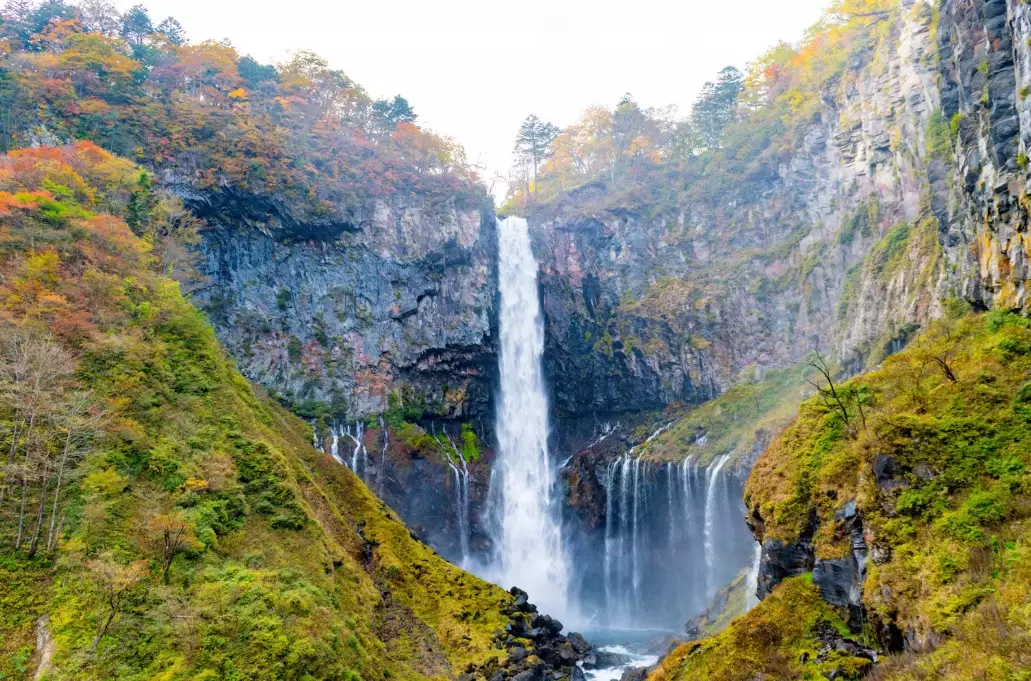
A Sample 3-Day Itinerary: Fuji-Hakone-Izu (Car-Free)
Day 1 – Hakone: Buy the Hakone Free Pass from Shinjuku. Take the Romancecar train to Hakone-Yumoto. Do the classic loop: cable car up to Owakudani volcanic valley, ropeway over to Lake Ashi, pirate ship cruise, then bus back. Stay in a ryokan with an onsen.
Day 2 – Fuji Five Lakes: Use the pass to travel to Gotemba, then take a bus to Lake Kawaguchiko. Rent a bike to cycle around the lake's northern shores for the best Fuji photography spots. Visit the Kubota Itchiku Art Museum. Overnight at a lakeside hotel.
Day 3 – Izu Peninsula (Taste): Take an early train from Mishima Station (accessible from Kawaguchiko) down to Ito or Atami on the Izu coast. Walk the Jogasaki Coast path, see the cliffs, and soak in a seaside onsen before heading back to Tokyo.
Beyond the List: Understanding Japan's Park System
Japan's parks operate on a "zoning" system. Unlike some wilderness parks abroad, many Japanese national parks contain private land, towns, and farmland. They are divided into Special Protection Zones (most restricted), Special Zones (for designated facilities), and Ordinary Zones. This is why you might drive through a national park and see villages and rice fields—it's a managed coexistence.
This system means infrastructure is usually good. Well-maintained trails, signboards (often in Japanese and English), and visitor centers are common. It's a blend of wilderness and accessibility that is uniquely Japanese.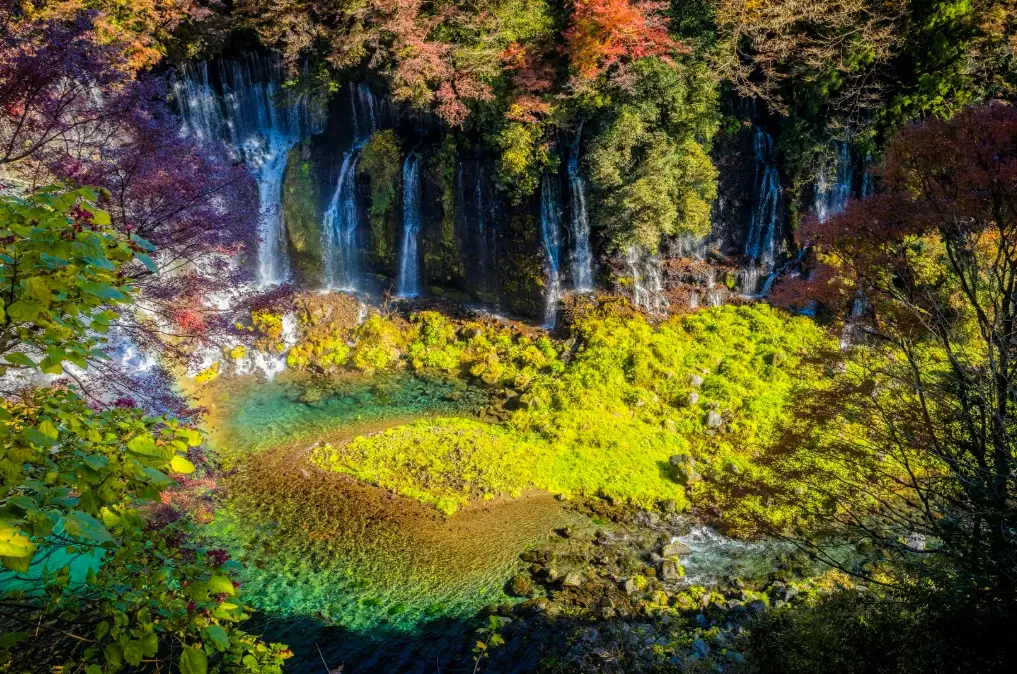
Your Japan National Parks Questions, Answered
Are all 34 Japanese national parks good for day trips from major cities?
Absolutely not. This is a critical planning point. Parks like Nikko or Chichibu-Tama-Kai can be day-tripped from Tokyo. Fuji-Hakone-Izu areas are accessible. But the most famous wilderness parks—Daisetsuzan, Shiretoko, Yakushima, the Japan Alps—require a multi-day commitment with travel time of half a day or more. Trying to visit Shiretoko as a day trip is impossible and would miss its essence entirely.
What is the best time of year to visit Japan's national parks?
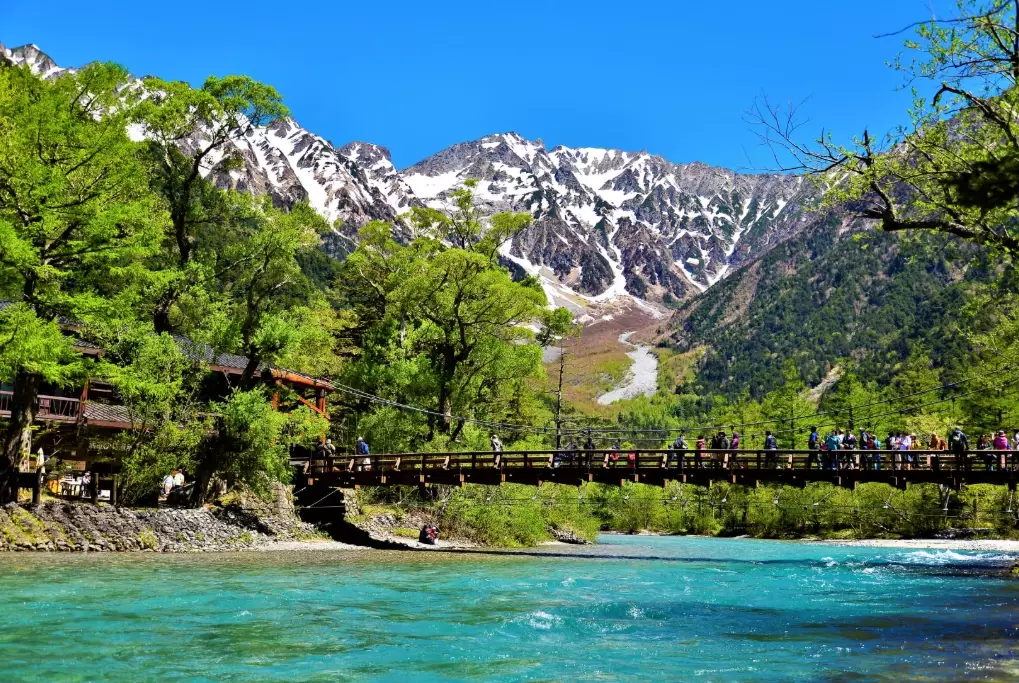
There is no single "best" time; it's a trade-off. For alpine hiking (Daisetsuzan, Northern Alps), July to September is the short, sweet summer window. Late October brings spectacular autumn colors to parks like Nikko and Daisetsuzan. Winter (Dec-Feb) is for snowscapes in Honshu/Hokkaido and whale watching in Okinawa. Spring (Apr-May) is lovely for cherry blossoms in parks like Yoshino-Kumano and mild hiking, but can be crowded. Avoid June (tsuyu rainy season) for hiking if you dislike mud and leeches.
 Do I need to pay an entrance fee for each national park?
Generally, no. There is no blanket entrance fee to drive into or enter most Japanese national parks. However, you will pay for specific things: parking lots (often 500-1000 yen/day), toll roads that go through parks (like the Fuji Subaru Line), ropeways, visitor centers, and designated natural heritage sites (like the Shiretoko Goko Lakes, which requires a paid guided walk in summer). Always budget for these peripheral costs.
How can I find reliable, up-to-date trail information in English?
The official park pages on the Ministry of Environment website have basic English info. For detailed trail conditions, the best resources are the park-specific visitor centers. Their staff often speak some English and have the most current maps and safety notices. For popular hikes, websites like JapanGuide and blogs by resident hikers are invaluable. Never rely solely on a printed map from five years ago; trails change due to weather.
Is camping allowed freely in Japan's national parks?
Free, dispersed camping ("wild camping") is technically restricted in most Special Protection and Special Zones. In practice, it's tolerated in some remote alpine areas if you follow strict no-trace principles—set up late, leave early, no fires, pack out everything. However, the safer, more responsible, and often more convenient option is to use designated campgrounds. They provide water, toilets, and sometimes cooking shelters for a small fee (1000-2000 yen). Always check the specific park's rules.
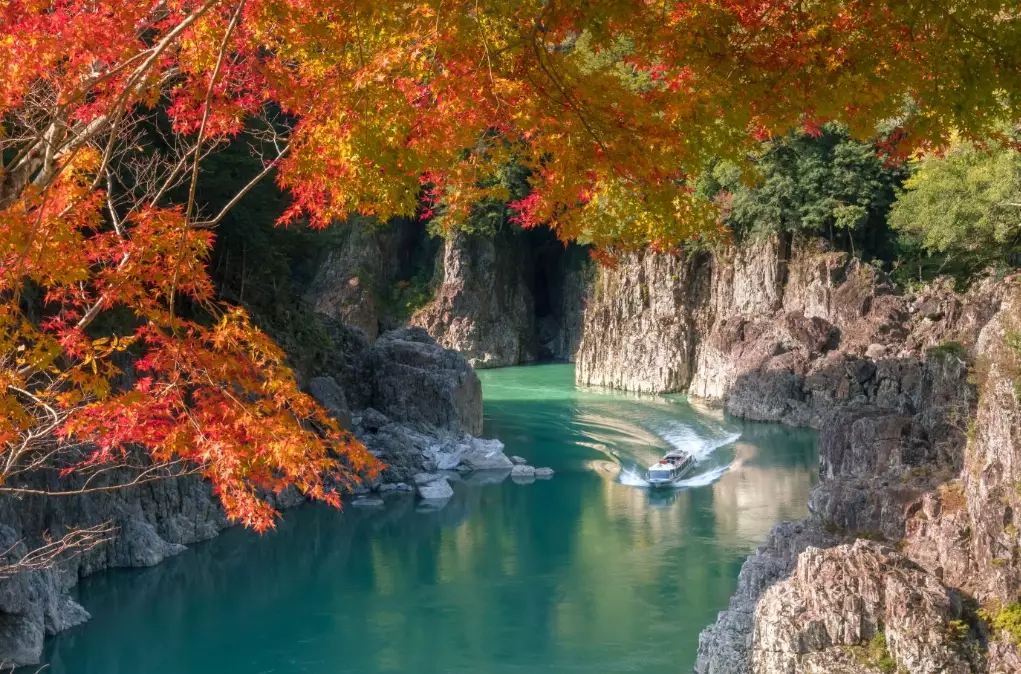 The number 34 is just the door. Walking through it reveals a Japan far beyond temples and sushi—a land of active volcanoes, ancient forests, coral seas, and deep powder snow. It's a side of the country that demands more from you in terms of planning and effort, but gives back a sense of adventure and connection to nature that you simply won't find in the cities. Pick one park that calls to you, plan deeply, and go. That's where the real count begins: not of parks, but of unforgettable moments.

Share Your Thoughts