Let's be honest. Most Japan itineraries are a sprint. Tokyo, Kyoto, Osaka, maybe Hiroshima, all in ten days. You're checking boxes, not experiencing a place. Your camera roll is full, but your mind is foggy from constant movement.
I've been there. On my first trip, I followed the classic route and came home exhausted, with memories that felt more like a checklist than a journey.
Slow travel Japan is different. It's about choosing depth over distance. It's staying in a town long enough to recognize the baker's smile, to find your favorite bench in the park, to have a second conversation with the owner of the tiny izakaya down the street. This isn't a "see everything" guide. It's a "experience something real" guide. We'll focus on two main regions—Kansai and one deeper area—giving you time to settle in and connect.
Your Journey at a Glance
Why a Slow Japan Itinerary Works Better
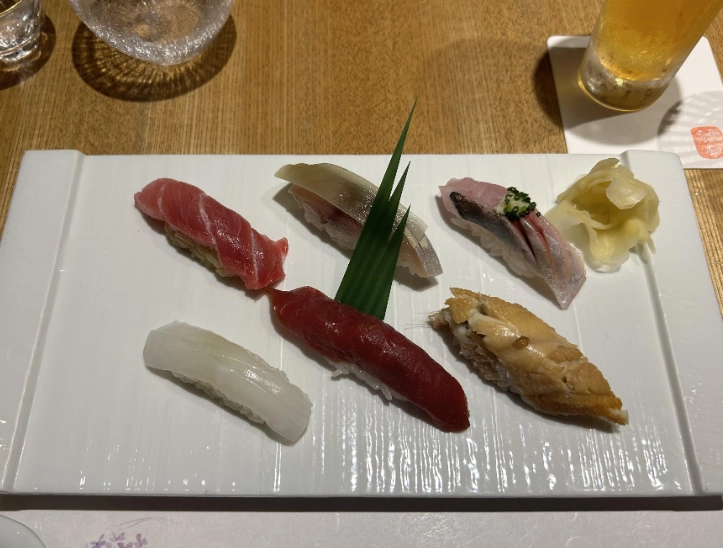
The biggest mistake first-timers make? Trying to conquer Japan. The country reveals itself in quiet moments: the ritual of a tea ceremony, the precise cut of a sushi master's knife, the silent awe of an ancient forest. A packed schedule kills those moments.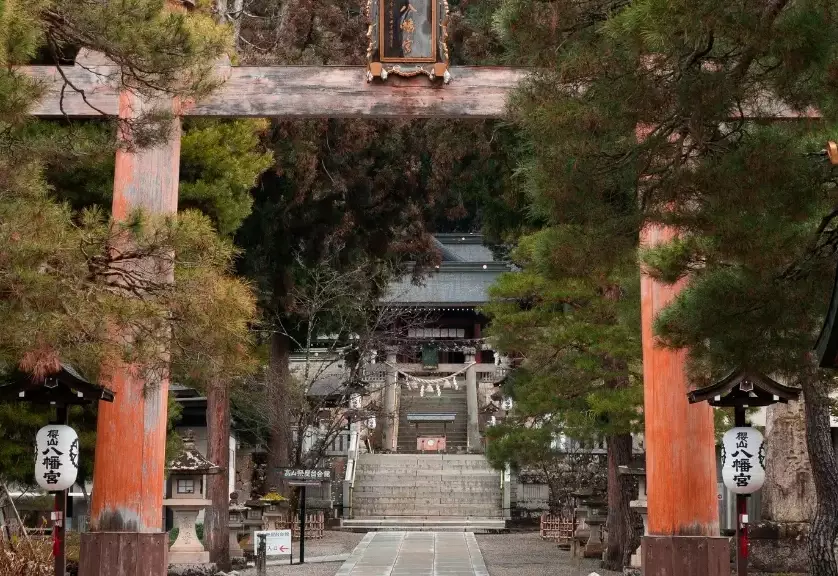
Slow travel aligns with the Japanese concept of ma (間)—the space between things. The pause. The silence. It's in that space where you actually feel the culture.
You also become a better traveler. You're not just another face in the crowd at Fushimi Inari at 8 AM. You're the person who visits in the late afternoon, when the crowds thin and the light turns golden, and who knows about the smaller, equally stunning path that branches off halfway up.
How to Plan Your Slow Travel Japan Itinerary
Forget the 7-city blitz. For a 14-day trip, I recommend two, maximum three bases.
Here’s the framework we’ll use:
- Base 1: Kyoto (4 nights). The cultural heart. But we'll use it to explore deeper into Kyoto Prefecture.
- Base 2: Kii Peninsula Town like Kii-Katsuura or Shirahama (4-5 nights). This is the key. We're swapping the typical Hakone/Osaka stop for a deeper dive into spiritual Japan and the coast.
- Base 3: Osaka (4-5 nights). The vibrant food capital, used for day trips to Nara, Himeji, or even back to Kyoto for a missed spot.
This flow minimizes long travel days and maximizes immersion.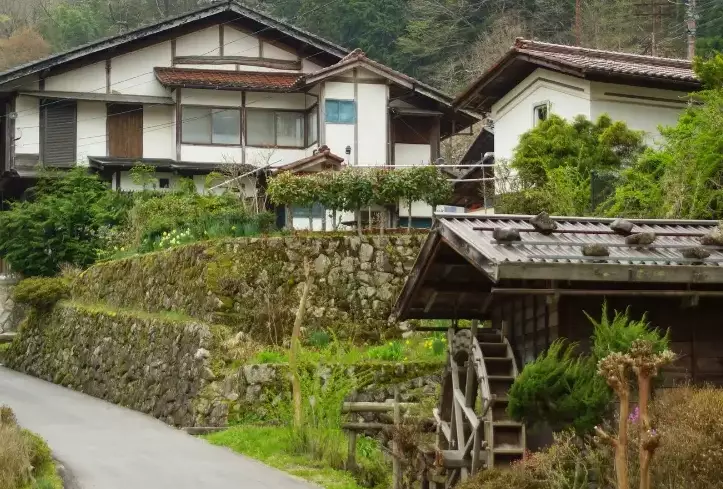
Days 1-4: Kyoto Beyond the Temples
You'll land at Kansai International Airport (KIX). Take the direct Haruka train to Kyoto Station.
Where to Stay & Slow Down in Kyoto
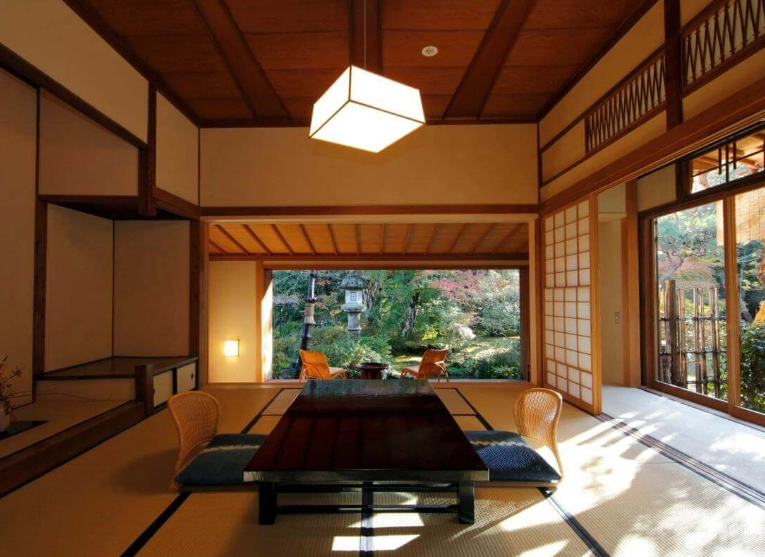
Avoid the skyscraper hotels near the station. Look for a machiya (traditional townhouse) rental or a small family-run hotel in neighborhoods like Gion-Shimbashi (atmospheric), Higashiyama (near temples but quiet at night), or Demachiyanagi (local, university area). Expect to pay ¥15,000-¥25,000 per night for a good machiya for two.
The sound of geta (wooden clogs) on stone at night in Gion is worth the extra cost.
The Slow Kyoto Experience
Day 1: Arrive, settle. Evening stroll in Gion. Don't stalk geiko. Just absorb the old-world ambiance. Dinner at a kappo (counter-style) restaurant. Try Gion Maruyama (no website, located near Maruyama Park, budget ¥8,000-¥12,000). Reservation essential.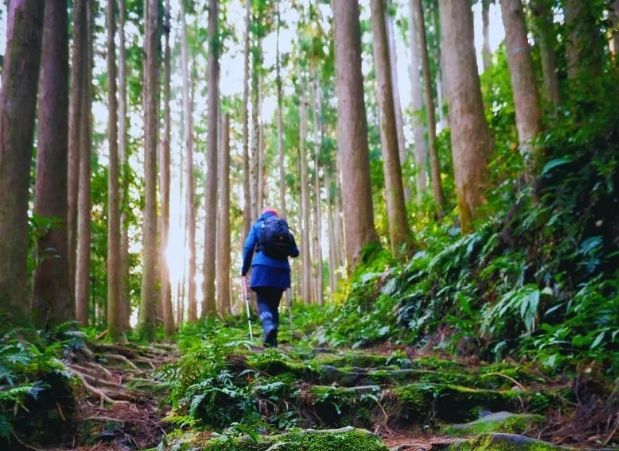
Day 2: Northern Higashiyama, slowly. Start at Shimogamo Jinja (free, opens early). Walk the Tadasu-no-Mori forest. Then, instead of the crowded Path of Philosophy, take the parallel, quieter backstreets towards Ginkaku-ji. Have lunch at a soba shop you stumble upon.
Day 3: Day Trip to Uji. 20-min train from Kyoto. This is the green tea capital. Visit Byodo-in Temple (¥600, 8:30 AM-5:30 PM, its Phoenix Hall is on the 10-yen coin). Spend hours at Taiho-an tea house for a proper matcha experience (¥800-¥1,500). Wander along the Uji River. This beats another crowded Kyoto temple.
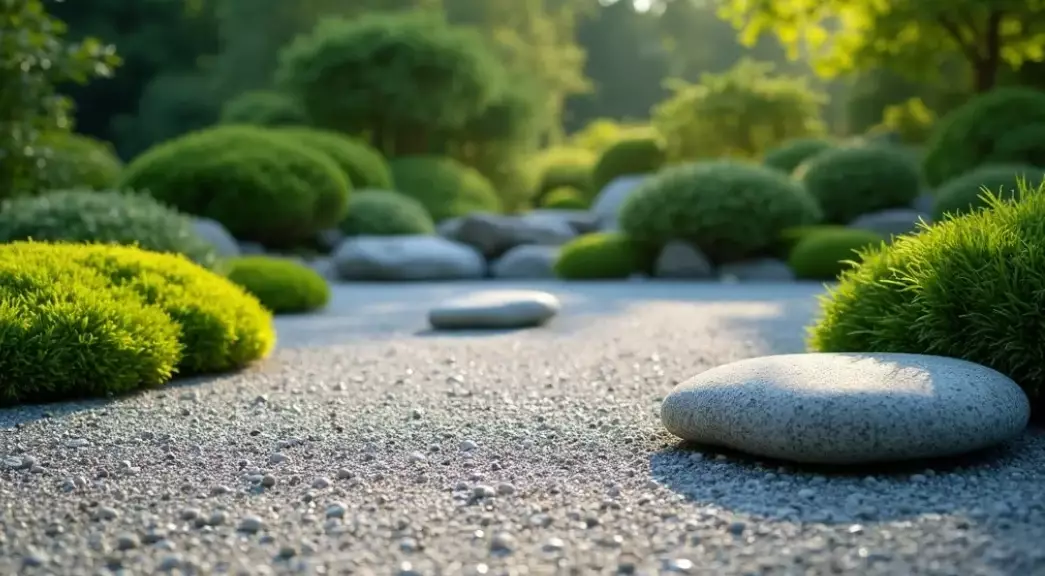
Day 4: Arashiyama's Secret Back. Everyone goes to the bamboo grove (go at 7 AM if you must). Instead, cross the Togetsukyo Bridge and hike up to the Okochi Sanso Villa (¥1,000, 9 AM-5 PM). Stunning gardens, views, and a quiet matcha serving included. Then, get lost in the residential streets behind the main tourist drag.
Days 5-9: The Kii Peninsula & Sacred Kumano
This is where your itinerary diverges from 95% of tourists. We're heading south to the Kii Peninsula, a UNESCO World Heritage site centered on the Kumano Kodo pilgrimage routes.
Take the limited express train from Kyoto to Shirahama (about 2.5 hours) or Kii-Katsuura (about 3 hours).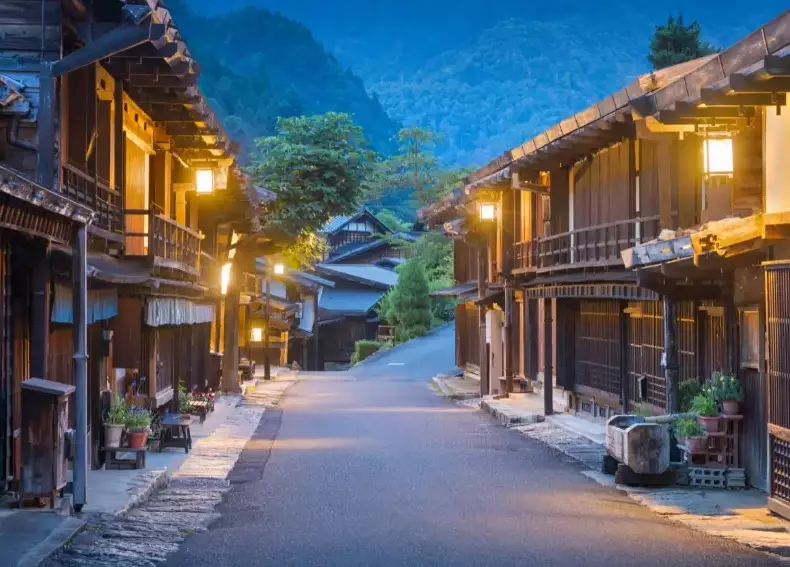
Choosing Your Base: Coast or Mountains?
| Base Town | Vibe & Highlight | Accommodation Tip | Best For |
|---|---|---|---|
| Kii-Katsuura | Working fishing port. Home to one of Kumano's Grand Shrines, Kumano Nachi Taisha, and the iconic Nachi Falls. Incredible morning tuna auction. | Stay at a ryokan with an onsen overlooking the bay. Try Nachi-no-Yu (approx. ¥20,000/person with meals). | Atmosphere, seafood lovers, easy shrine access. |
| Shirahama | Resort town with famous white sand beaches and dramatic cliffs like Sandanbeki. More relaxed, coastal vibe. | Beachfront hotels or traditional inns. Shirahama Key Terrace Hotel offers modern comfort (approx. ¥15,000/night). | Coastal relaxation, combining culture with beach time. |
The Slow Kii Peninsula Experience
You have 4-5 days here. Don't rush.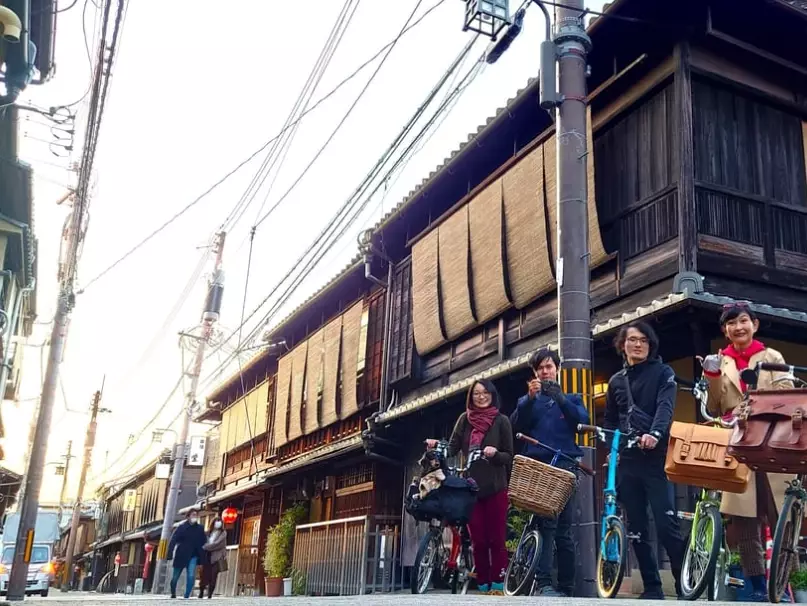
- Walk a Section of the Kumano Kodo. You don't need to hike the whole thing. The Nakahechi route from Takijiri-oji to Kumano Hongu Taisha has manageable sections. The Tanabe City Kumano Tourism Bureau website has precise maps. It's a profound experience walking these ancient forest paths.
- Visit the Grand Shrines. Kumano Hongu Taisha, Hayatama Taisha, and Nachi Taisha form the core. Each has a distinct energy. Nachi Taisha with the waterfall behind it is unforgettable.
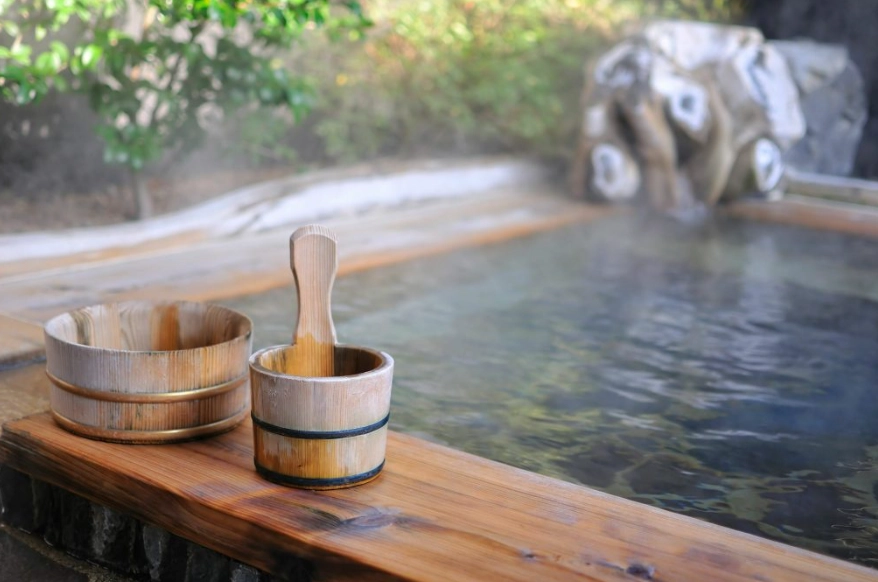
- Soak in an Onsen Every Day. This region is famous for its hot springs. Your ryokan will have one. Public baths like Shirahama Onsen are also plentiful.
- Eat the Local Catch. Kii-Katsuura's morning market (6 AM-noon) lets you buy fresh seafood. In Shirahama, try shima-ebi (small local shrimp).
This segment transforms your trip from a sightseeing tour to a personal journey.
Days 10-14: Osaka & Nara at a Human Pace
Train from the Kii Peninsula to Osaka (about 2-3 hours).
Osaka as a Base, Not a Blur
Stay near Namba or Umeda for transport ease. A business hotel like Hotel Nikko Osaka (¥12,000-¥18,000/night) is efficient. Use Osaka for its incredible food and as a launchpad for final explorations.
Day 10: Arrive, check-in. Evening in Dotonbori. Yes, it's chaotic, but it's a spectacle. Eat takoyaki, okonomiyaki. Feel the energy, then retreat to a tiny standing bar in a side alley.
Day 11: Nara Day Trip. 30-40 min train. Everyone goes to Todai-ji (which is amazing, ¥600, 7:30 AM-5:30 PM). For a slow twist, spend more time in Nara Park just observing the deer and locals. Then, hike up to Mount Wakakusa for a panoramic view of the city. Visit the less-crowded Isuien Garden (¥1,200).
Day 12: Osaka's Neighborhoods. Explore Shinsekai (retro vibe) in the morning. Visit Shitenno-ji Temple (¥300), one of Japan's oldest. In the afternoon, get lost in Amerikamura for quirky shops and cafes.
Day 13: Choice Day. Option A: Return to Kyoto for that one thing you missed (maybe the Miho Museum, an architectural marvel by I.M. Pei). Option B: Day trip to Himeji to see Japan's finest castle, Himeji Castle (¥1,000, 9 AM-5 PM). Option C: A deep dive into Osaka's kitchenware district (Doguyasuji) or a hands-on cooking class.
Day 14: Final souvenir shopping, last bowl of ramen, depart from KIX.
Slow Travel Logistics: Transport, Stay, Eat
Getting Around: The JR Pass Question
For this specific itinerary, a nationwide JR Pass is likely NOT cost-effective. You're not doing a Tokyo-Kyoto-Hiroshima sprint. Calculate using the official JR Pass calculator. Instead, consider regional passes like the Kansai Wide Area Pass (covers Kii Peninsula, Osaka, Kyoto, Kobe) for 5 days, activated when you head to the peninsula.
Food: How to Eat Like a Local
Reservations are key for good, non-touristy places. Ask your accommodation host to call for you. Don't just eat in guidebook spots. Look for places filled with locals at lunch. In Osaka, follow the salarymen after work. A rule of thumb: if the menu has perfect plastic food models out front, it's geared for tourists. If it's just a curtain (noren) and maybe a handwritten board, step inside.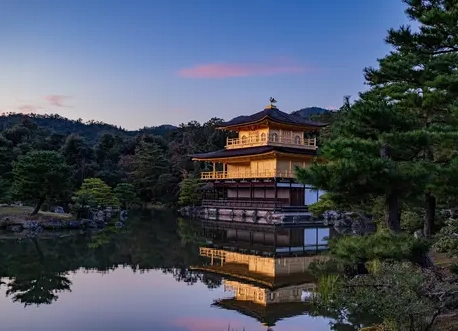
Your Slow Travel Questions Answered
Is a slow travel Japan itinerary feasible for a first-time visitor who wants to see "the highlights"?
Absolutely, but your definition of "highlights" will change. You'll see Kinkaku-ji (the Golden Pavilion), but you'll also experience the highlight of a silent forest walk on the Kumano Kodo or the highlight of a perfect, quiet moment in a Kyoto garden. You trade quantity of sights for quality of moments, which is what you'll remember years later.
How do I handle FOMO (Fear Of Missing Out) with a slow itinerary?
Embrace JOMO—the Joy Of Missing Out. Decide on one or two "must-see" items per region and build slow time around them. You're not missing Osaka Castle; you're gaining a day in a spiritual forest. Reframe it. The places you skip become reasons to return, which is a wonderful feeling.
What's the biggest practical challenge with slow travel in Japan, especially in rural areas like the Kii Peninsula?
Transport frequency. Outside cities, trains and buses might run once an hour or less. This isn't a problem, it's the point. You have to plan your day around a 2:15 PM bus instead of rushing. Always get the latest bus/train timetable from your accommodation or the tourist office. It forces you to slow down. Also, English is less common, but a translation app and patience go a long way—these interactions often become trip highlights.
Can I do a slow travel Japan itinerary with children?
It can be ideal. Kids hate being dragged on and off buses all day. A slow itinerary with a solid base means less packing, more park time, and a chance to establish routines. In the Kii Peninsula, they can run on beaches, see waterfalls, and enjoy the novelty of ryokan life (onsen, sleeping on futons). Just choose hikes (like parts of the Kumano Kodo) that are stroller-friendly or short.
Is slow travel in Japan more expensive?
It can be different. You might spend more on a unique accommodation like a machiya or a ryokan with meals (which is an experience in itself). But you'll save significantly on long-distance transport (like bullet trains) because you're moving less. You might also save money by eating at local, non-touristy spots near your base. It's a reallocation of budget, not necessarily an increase.
Share Your Thoughts