Quick Navigation
I remember my first time walking into a Japanese onsen. The steam, the quiet, the overwhelming sense that everyone except me knew exactly what they were doing. My heart was pounding. I’d read a list of rules online, but in the moment, it all flew out of my head. Was I washing correctly? Where does this tiny towel go? Is everyone looking at me? Spoiler: they weren’t. But that fear of committing a major cultural faux pas is real for almost every first-timer.
Let’s be real. The idea of getting naked with strangers can be intimidating, especially when you’re trying to be a respectful visitor. Getting the onsen etiquette right isn’t about being perfect; it’s about understanding the why behind the rules. It’s about showing respect for a deeply ingrained part of Japanese culture that’s centered on purity, relaxation, and shared quietude. When you know what you’re doing, the anxiety melts away faster than you can say "atsui!" (hot!).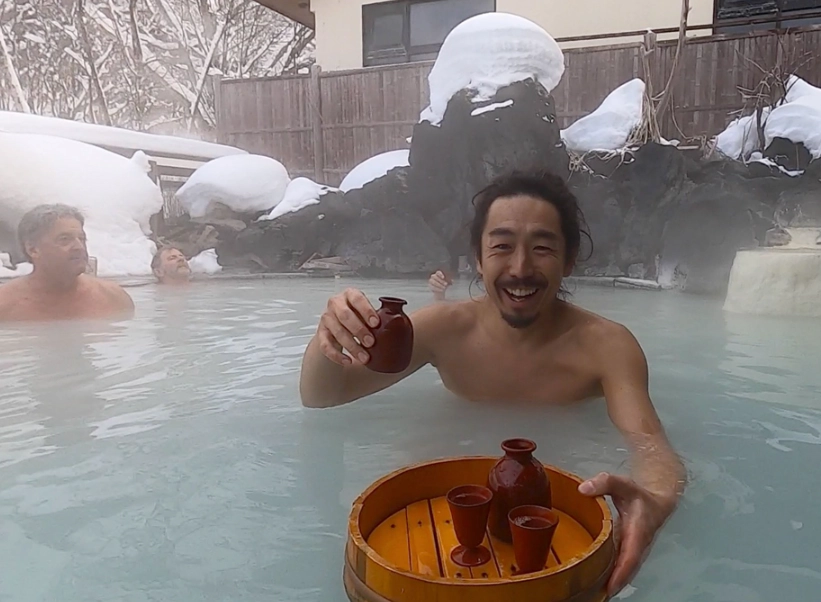
This guide isn’t just another dry list of do’s and don’ts. We’re going to walk through the entire process, tackle the awkward questions nobody wants to ask out loud, and I’ll even share a few cringe-worthy mistakes I made so you don’t have to. By the end, you’ll feel prepped, not pressured, to enjoy one of Japan’s greatest pleasures.
The Absolute Non-Negotiables: Core Onsen Rules
Before we get into the step-by-step, these are the pillars. Break these, and you’ll definitely get the side-eye (or a polite but firm correction from an attendant).
Wash Yourself Thoroughly Before Entering the Bath
This is the golden rule, the number one commandment of Japan onsen etiquette. The baths are for soaking only, not for washing. Every onsen facility has a shower area with stools, faucets, bowls, soap, and shampoo. You must sit on the stool (standing can splash your neighbor), lather up completely, and rinse off every last bit of soap suds before you even think about stepping into the communal water. I mean, really rinse. Check your back, your hair, everything. The goal is to enter the bath perfectly clean so you don’t contaminate the shared water. This ritual is non-negotiable.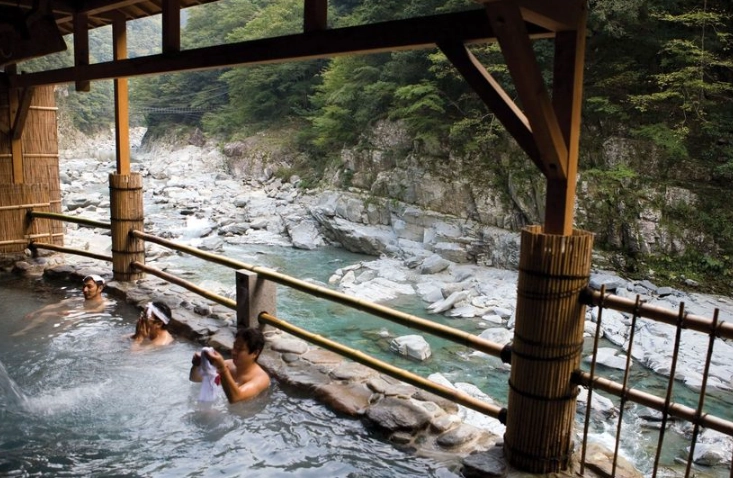
No Clothing or Swimsuits Allowed
This is the big one that causes the most hesitation. Yes, you bathe naked. Everyone does. Swimsuits are considered dirty (they’ve been worn outside, in pools, etc.) and are strictly forbidden. This rule is a great equalizer—everyone is in the same bare state. The initial awkwardness lasts about 10 seconds. After that, you realize nobody cares, and the freedom is surprisingly liberating. Just remember to use your small towel for modesty while walking around.
The Tiny Towel: Your Multi-Purpose Tool
You’ll be given a small hand towel ("tenugui"). This is your key tool. You can use it to wash your body (before rinsing), to cover yourself modestly while walking from the showers to the bath, and to wipe your face while soaking. What you must never do is let it touch the bath water. It’s considered unclean. Most people fold it and place it on their head, on the side of the bath, or sometimes wave it around gently to cool off. Do not dunk it, wring it out, or swim with it.
Peace and Quiet is the Vibe
Onsen are for relaxation. Loud conversations, boisterous splashing, or loud noises are major breaches of onsen etiquette. Speak in hushed tones if you must speak at all. The atmosphere is one of serene quiet. Listen to the water, the soft echoes. It’s a time for introspection and calm. I once saw a group of tourists get politely shushed by an elderly local—it was a quiet but powerful lesson.
Step-by-Step: Your First Onsen Visit, From Entrance to Exit
Let’s break it down into a foolproof sequence. Following this flow will make you look like a pro.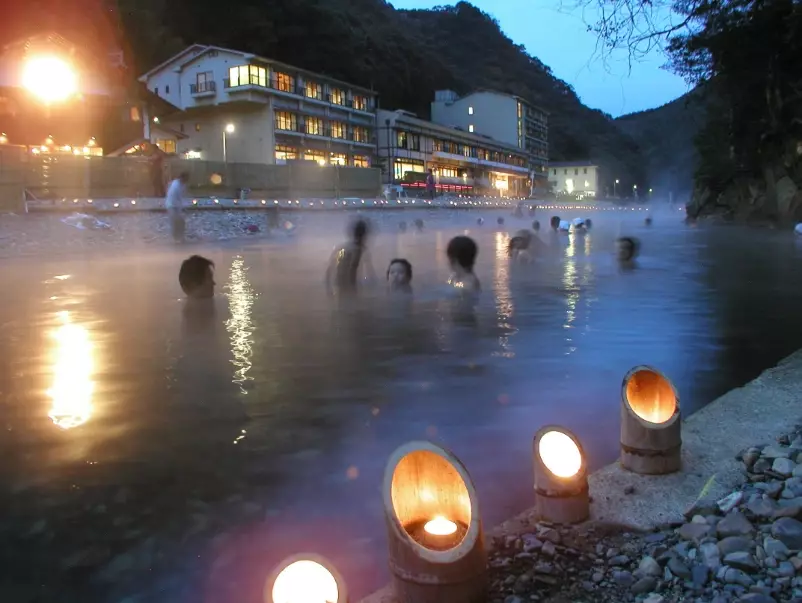
Step 1: The Entrance and Payment
You’ll usually pay at a front desk. Prices range from 500 to 2000 yen. They’ll give you a locker key, sometimes a wristband, and the small towel. If they don’t give you a towel, you can usually rent or buy one. Shoes come off at the entrance to the changing room. Slippers are often provided for the dry areas.
Step 2: The Changing Room
Find your locker number. Undress completely here. Put everything in the locker—clothes, phone (usually prohibited in the bathing area), jewelry. Take only your locker key (often on a wristband) and the small towel into the bathing area. Some fancy places have baskets for the key and towel inside the bathing area.
Step 3: The Pre-Bath Wash
Enter the washing area. Find an empty shower station with a stool, faucet, and bowl. Sit down. Wet yourself. Use the provided soap and shampoo (or your own) and wash every part of your body thoroughly. Rinse off completely, making sure no soap residue remains on you or your stool. Rinse the stool too for the next person. Tidy your area. This is the most critical step in proper Japan onsen etiquette.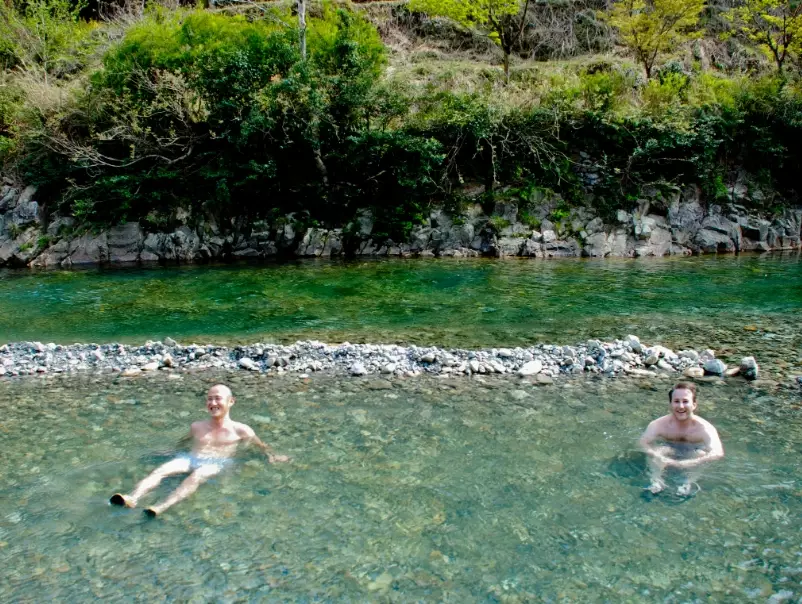
Step 4: Entering the Bath
Now you’re clean. Use your small towel for modesty as you walk to your chosen bath. Test the temperature with your foot—some are scalding hot ("jigoku" or hell baths). Slowly lower yourself in. It’s best to immerse yourself up to the shoulders slowly to acclimatize. Place your towel on the side of the bath or on your head. Relax. Breathe. Soak for 5-10 minutes at a time. Stay hydrated; there’s usually a cold water dispenser nearby.
Step 5: Post-Soak and Exiting
When you’re done, get out and gently pat yourself dry with your small towel before going back to the changing room. This keeps the changing room floor dry. In the changing room, use a larger towel (if you brought one) to dry off properly before getting dressed. Some places have hairdryers. Return any rented items. You’re done!
| Common Mistake | Correct Etiquette | Why It Matters |
|---|---|---|
| Walking into the bath without washing. | Wash meticulously at the shower station first. | Keeps the shared water clean and hygienic for everyone. The core of onsen culture. |
| Letting your small towel dip in the bath. | Place it on your head or the bath edge. | The towel is considered "outside" and unclean. It contaminates the soaking water. |
| Splashing, swimming, or loud talking. | Enter and exit gently. Keep conversation hushed. | Maintains the peaceful, meditative atmosphere everyone is there to enjoy. |
| Standing while showering. | Sit on the provided stool. | Prevents water and soap from splashing onto neighboring bathers. |
| Wearing swimwear or underwear. | Bathe completely nude. | Swimsuits are seen as dirty and defeat the purpose of pure, clean water soaking. |
Navigating Tricky Situations & Special Cases
Real life isn’t a perfect checklist. Here’s how to handle the gray areas of Japan onsen etiquette.
Tattoos: The (Slowly Evolving) Taboo
This is a major pain point. Traditionally, tattoos are associated with the Japanese yakuza (organized crime) and are banned in most public onsens and sento (public baths). The rule is strictly enforced. However, times are changing, especially with the influx of tattooed tourists. Some places now allow them if covered with waterproof patches, some have private rental baths, and a growing number (especially in tourist areas) are lifting the ban. Always check the policy in advance. The website Japan National Tourism Organization (JNTO) has resources, and sites like Tattoo Spot (Japanese) list tattoo-friendly venues. Don’t try to sneak them in—it causes serious offense.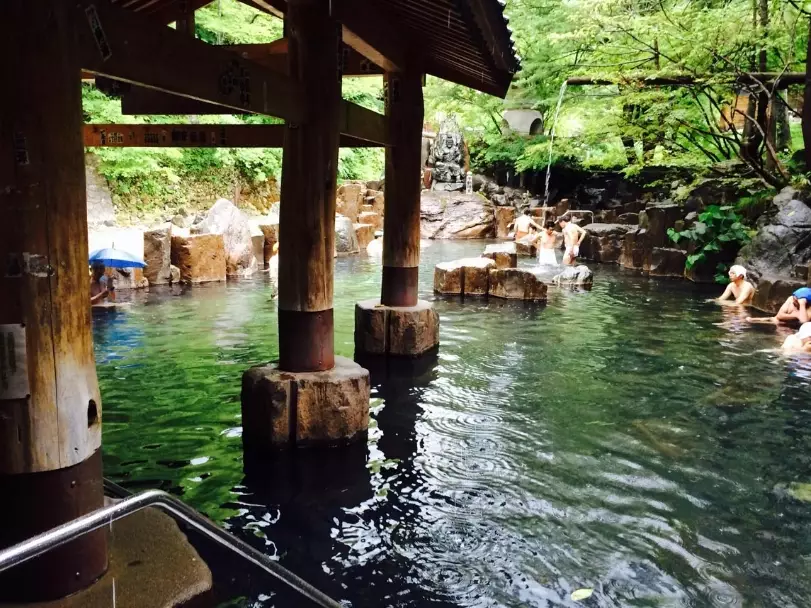
Drinking and Eating
Many onsen facilities have a relaxing lounge area or even a small eatery. Drinking (especially sake or beer) after a soak is a beloved tradition. However, drinking alcohol before or in the bath is dangerous and frowned upon. The heat and alcohol can cause dizziness, fainting, or heart strain. Eat lightly before bathing. Save the celebratory drink for when you’re out, cooled down, and dressed.
Menstruation and Onsen
This is a common concern. Culturally, entering the bath while menstruating is considered improper. If your flow is light and you are using a reliable tampon, it is generally considered acceptable from a modern hygiene perspective, but it remains a personal and sensitive topic. Many Japanese women simply choose to skip the onsen during their period out of respect for the custom. Do what feels comfortable and discreet for you.
Konyoku (Mixed-Gender Bathing)
Traditional mixed-gender onsens are now quite rare. Most modern "konyoku" are either in very rural, traditional settings or are actually separated by a partition in the water. If you do encounter one, the same nude etiquette applies for all. It’s crucial to be extra mindful of your behavior and gaze—maintaining a respectful, non-intrusive demeanor is paramount. The Japanese Ryokan and Hotel Association sometimes features information on traditional inns that may offer this experience, but always research the specific customs of that location.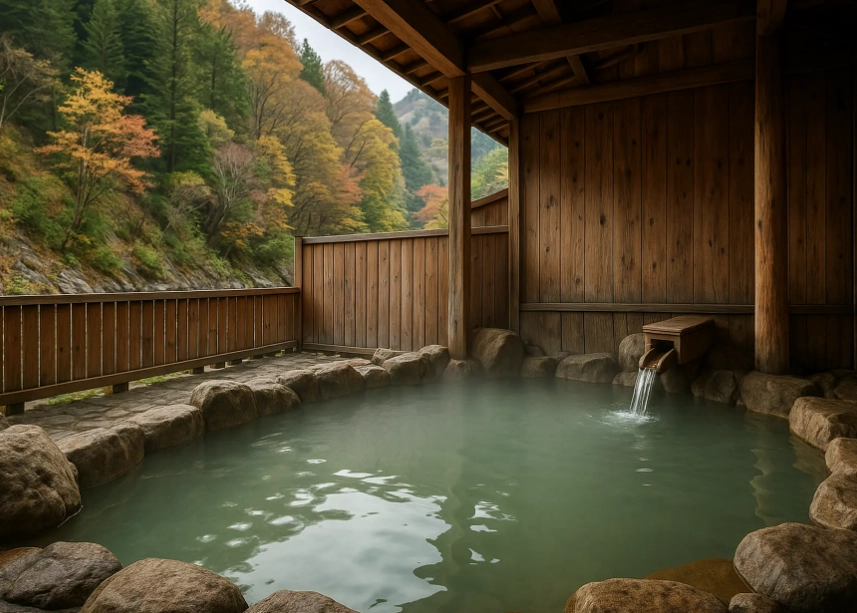
Your Japan Onsen Etiquette Questions, Answered
Beyond the Basics: Types of Onsen and Ryokan Stays
Understanding a bit about the different baths can enhance your experience.
- Rotenburo (露天風呂): Open-air baths. The ultimate experience, often with stunning views of mountains, forests, or the sea. Soaking under the sky, maybe even in snow, is magical.
- Kashikiri (貸切) or Family Bath: Private baths you can rent for you/your family/friends. Perfect for shy first-timers or couples. You still follow all washing rules, but you have the space to yourselves.
- Ryokan (旅館) Onsen: Staying at a traditional inn often includes access to their onsen. Etiquette is the same, but the atmosphere is even more serene and integrated with Japanese hospitality.
- Sento (銭湯): Neighborhood public bathhouses. They use heated tap water, not natural spring water. The etiquette is identical, and they offer a more local, everyday slice of Japanese life.
The minerals in the water ("gansen") differ by region—sulfur (smells like eggs), iron (rust-colored), sodium chloride (like seawater). Each is said to have different therapeutic properties. Don’t drink the water, though!
Final Thoughts: Relaxation is the Goal
Look, the list of rules for Japan onsen etiquette can seem long. But once you’re there, it becomes a simple, intuitive flow. Wash well, be quiet, be clean, be considerate. That’s really it. The purpose of all these rules is to create a clean, peaceful, and equal environment where everyone can achieve "yutori"—a feeling of spaciousness and relaxed contentment.
My last piece of advice? Don’t overthink it. The Japanese patrons aren’t judging you for being a foreigner; they appreciate you making an effort to follow the customs. A slight bow of the head, a quiet "sumimasen" (excuse me) if you need to pass someone, and a general demeanor of calm respect will go a long way.
Now that you’re armed with this knowledge, you can walk into any onsen with confidence. Strip off the stress along with your clothes, wash away the travel grime, and sink into that steamy, mineral-rich embrace. You’ve earned it. And trust me, once you experience that profound, bone-deep relaxation, you’ll understand why this ritual has been cherished for centuries.
Go forth and soak peacefully.

Share Your Thoughts