Scuba diving in Tokyo? Most people picture skyscrapers, crowded streets, and neon lights, not coral reefs and sea turtles. That's the first misconception I had to unlearn after moving here. The truth is, Tokyo is a fantastic gateway to some of Japan's most accessible and surprising underwater adventures. You're not diving in the city center, of course, but within a 2-3 hour train ride, you can be suited up and exploring volcanic rock formations, navigating through submerged torii gates, or drifting over fields of soft coral. This guide cuts through the noise and gives you the real, practical information you need to plan a Tokyo-based scuba trip, whether you're a certified diver or thinking about getting your first taste.
What's in this guide?
Why Scuba Dive from Tokyo? (The Surprising Appeal)
Convenience is the biggest sell. You can finish a morning of sightseeing in Shinjuku, hop on a direct train, and be at a dive shop on the coast by early afternoon for a check-out dive. For travelers with limited time in Japan, this is a game-changer. You don't need to fly all the way to Okinawa to get a quality dive fix.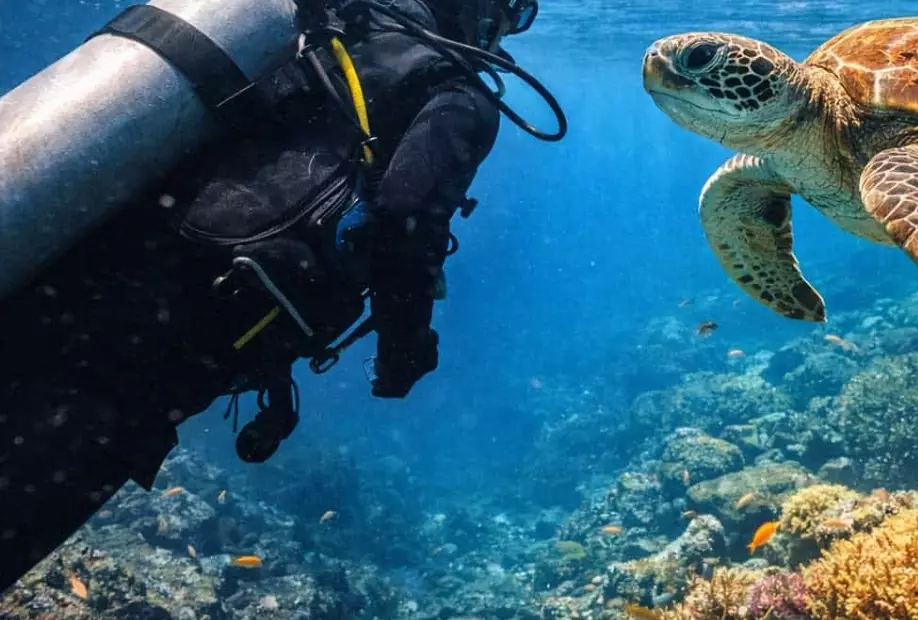
The Izu Peninsula, jutting south into the Pacific, is the main playground. The water here is where the warm Kuroshio Current meets cooler currents, creating a unique mix of temperate and subtropical marine life. You won't find the riotous coral colors of the tropics, but you will find incredible biodiversity: nudibranchs in every pattern imaginable, schools of sardines that turn the water silver, curious rockfish, and if you're lucky, eagle rays gliding past.
Seasonality matters. The prime season is late spring to early autumn (May to October), when water temperatures range from a refreshing 20°C (68°F) to a comfortable 26°C (79°F). Winter diving (November-April) is for the hardy—think 15-18°C (59-64°F) and thick wetsuits or drysuits—but it offers the clearest visibility of the year, often exceeding 30 meters.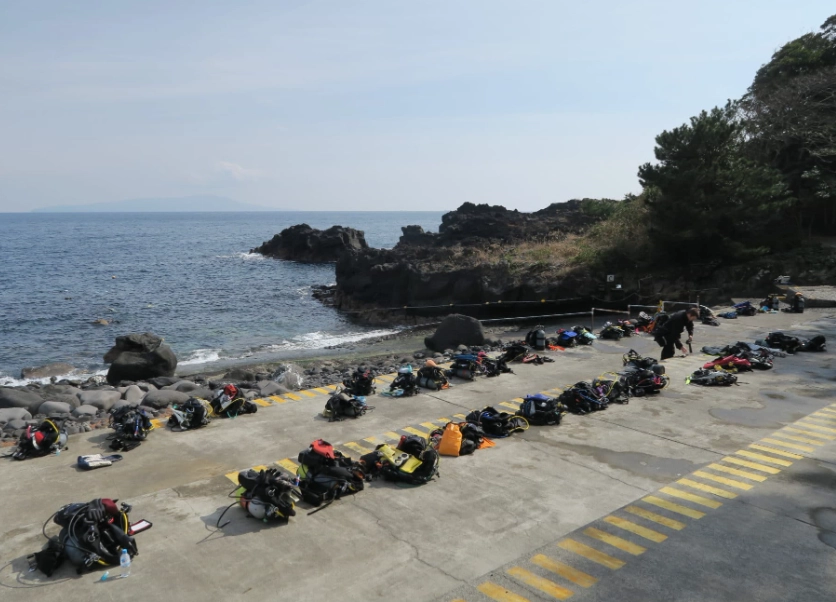
Top Dive Sites Near Tokyo: Izu Peninsula & Beyond
Let's get specific. Here are the spots you'll actually be talking to dive shops about. I've focused on places that are logistically feasible for a day trip or short overnight from Tokyo.
1. Osezaki (大瀬崎)
This is the classic, the most famous dive area in Izu. A rocky cape with dive sites on both the east and west sides, offering shelter from different winds. It's perfect for all levels. The west side has gentle slopes covered in soft corals and anemones. The east side has more dramatic topography with swim-throughs and overhangs. The "Sunset Wall" is a standout, where on a good day, schools of striped beakfish and yellowtail swarm in the late afternoon light. Multiple dive shops operate right on the small harbor, making logistics a breeze.
Getting there: Take the Tokaido Shinkansen to Mishima Station (about 50 minutes from Tokyo), then a 40-minute bus or taxi to the harbor.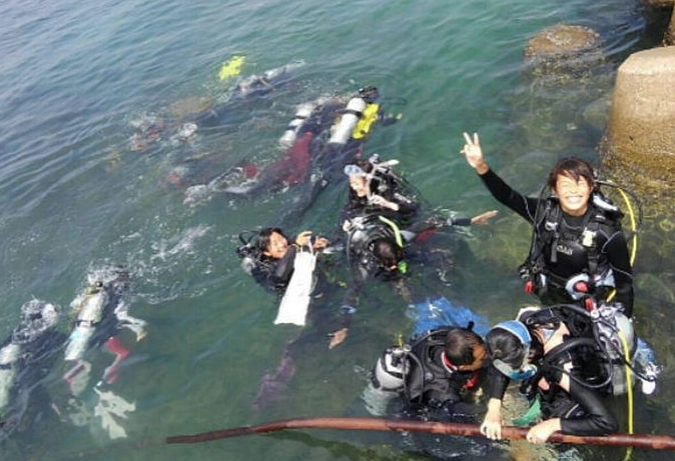
2. Ryugu-do (龍宮窟)
This one is for the Instagram crowd, but honestly, it's worth it. It's a massive, open-top sea cave where sunlight pours in, creating a stunning emerald glow. You enter through an underwater archway at about 10 meters and surface inside the cavern. It's a unique, almost spiritual experience. The site is shallow and suitable for beginners on a calm day. Outside the cave, there's a nice reef slope to explore.
Getting there: Closest station is Shimoda on the Izu Kyuko Line (about 2.5 hours from Tokyo). A short taxi ride from Shimoda gets you to the site.
Pro Tip Most Guides Miss: Everyone dives Ryugu-do at mid-day for the light beam. Try a late afternoon dive instead. The crowds have thinned, and the low-angle light creates longer, more dramatic shadows and a different, warmer color inside the cave. You might have the place to yourself.
3. Yawatano (八幡野) & Jogasaki Coast
This area is known for its dramatic underwater cliffs and volcanic rock formations. It's a bit more advanced due to potential currents, but that's what brings the pelagics. It's a drift diver's delight. You can drift along walls covered in colorful hydrocoral and sea fans, keeping an eye out for larger tuna, trevally, and even the occasional shark. The topography is breathtaking.
4. Tokyo Bay Wrecks (For the Advanced)
Yes, you read that right. The mouth of Tokyo Bay has several artificial reef wrecks, like the Kashiwa Maru. This is cold, dark, advanced diving with limited visibility (5-15 meters is typical), but it's a macro photographer's paradise. The wrecks are absolutely blanketed in marine life—massive schools of fish, enormous mussels, and bizarre crustaceans. It feels like diving on another planet. This is a strict boat dive operation out of places like Kurihama or Miura.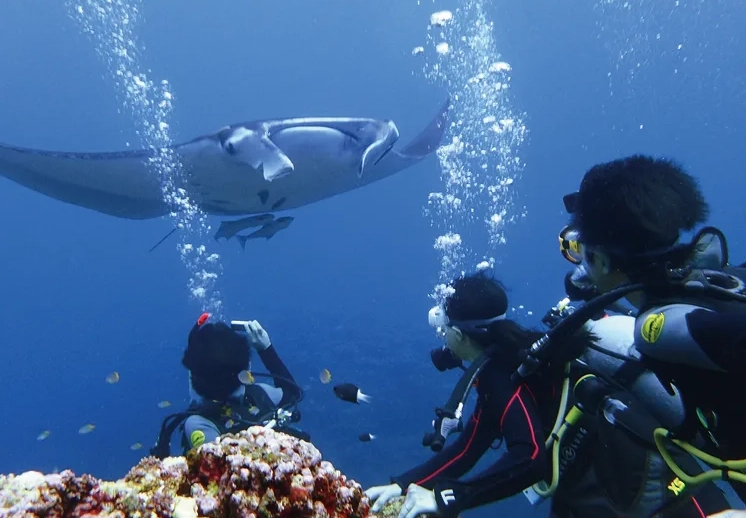
| Dive Site | Area | Best For | Avg. Depth | Key Sightings | Access from Tokyo |
|---|---|---|---|---|---|
| Osezaki | West Izu | All levels, photography | 10-25m | Soft coral, anemonefish, schooling fish | ~1.5 hours (Train + Bus) |
| Ryugu-do (Sea Cave) | Shimoda | Beginners, unique experience | 8-15m | Cave light beam, reef fish | ~2.5 hours (Train) |
| Yawatano Drift | Ito / Jogasaki | Advanced, drift diving | 15-30m | Hydrocoral, pelagics, dramatic walls | ~2 hours (Train) |
| Tokyo Bay Wrecks | Miura Peninsula | Advanced, wreck/macro | 20-35m | Wreck ecology, big schools, odd critters | ~1.5 hours (Train to boat) |
How to Plan Your Tokyo Scuba Diving Trip
Okay, you're sold on the idea. Here's the nitty-gritty of making it happen.
Choosing a Dive Shop & Communication
Most dive shops in the Izu area are used to dealing with foreign divers. However, English levels vary widely. Look for shops that explicitly mention English-speaking staff or guides on their website. Don't assume. A good strategy is to book through a Tokyo-based dive club or aggregator that handles the translation and logistics. Or, send a clear, simple email in advance. Many shops use translation apps seamlessly.
Reputable shops to research include those affiliated with PADI or Divers Alert Network (DAN) for safety standards. Check reviews on platforms like Google Maps.
Costs: What to Expect
Diving in Japan isn't cheap, but it's comparable to other developed countries. For a fun dive (2 tank boat dive), expect to pay between 12,000 to 18,000 JPY (approx. $80-$120 USD). This usually includes tanks and weights. Full gear rental adds another 5,000-8,000 JPY. If you need a guide (highly recommended for new sites), that's an extra 3,000-5,000 JPY per dive. Discover Scuba Diving (DSD) experiences start around 15,000 JPY. Always confirm what's included.
Getting Your Certification in Tokyo
It's absolutely possible. Several dive shops in Tokyo offer pool sessions for the confined water portion, then take you to Izu for the open water dives over a weekend. The whole PADI Open Water Diver course typically costs between 80,000 to 100,000 JPY. If you're short on time, consider doing the eLearning and confined water at home, then just completing your open water checkout dives in Izu—this is a popular and efficient option.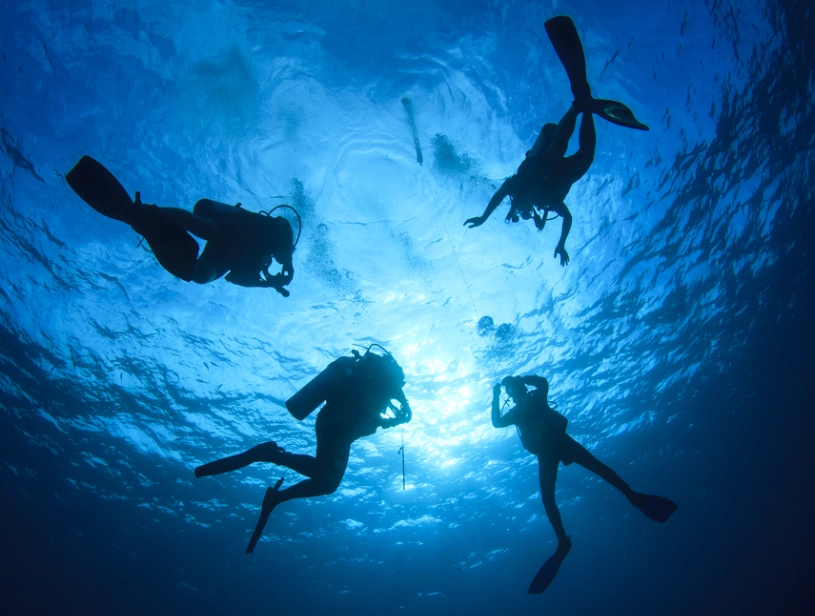
The Itinerary Test: Can you really dive as a day trip? Yes, but it's a long day. A realistic schedule: 7:00 AM Shinkansen from Tokyo to Mishima, 8:30 AM meet at shop, 9:30 AM boat departure, two dives with surface interval, back to shop by 3:00 PM, gear rinse and change, 4:00 PM bus/taxi to station, 6:00 PM Shinkansen back to Tokyo. You'll be tired. For a more relaxed experience, stay one night in Ito or Shimoda.
Your Tokyo Diving Questions, Answered
I'm not certified. Can I try scuba diving in Tokyo as a complete beginner?
Absolutely. Most dive shops in Izu offer "Discover Scuba Diving" (DSD) or equivalent introductory programs. You'll get a brief theory lesson, practice basic skills in shallow, confined water (like a calm bay), and then go on a guided dive to a maximum depth of 12 meters with an instructor holding onto you the whole time. It's a safe and fantastic way to see if you like it. Osezaki and the sheltered bays around Shimoda are common spots for this.
What's the one piece of gear I should bring if I'm renting everything else?
Bring your own mask. A mask that fits perfectly and doesn't fog is the single biggest factor in enjoying your dive. Rental masks are functional, but they're often scratched, have worn-out straps, and may not seal well on your face. A poorly fitting mask that leaks constantly can ruin an otherwise amazing dive. It's a small investment for a huge comfort upgrade.
Is the marine life around Tokyo dangerous? What about sharks?
The marine life in the Izu area is generally not aggressive. You should be aware of sea urchins on the rocks (watch your knees when kneeling) and occasional jellyfish, especially in summer (a dive skin helps). Sharks are present but are mostly small, bottom-dwelling species like bamboo sharks or, very rarely, pelagic blues. They are not a threat to divers. The standard rule applies: look, don't touch. The ecosystem is delicate.
I'm an experienced diver used to tropical liveaboards. Will I be disappointed?
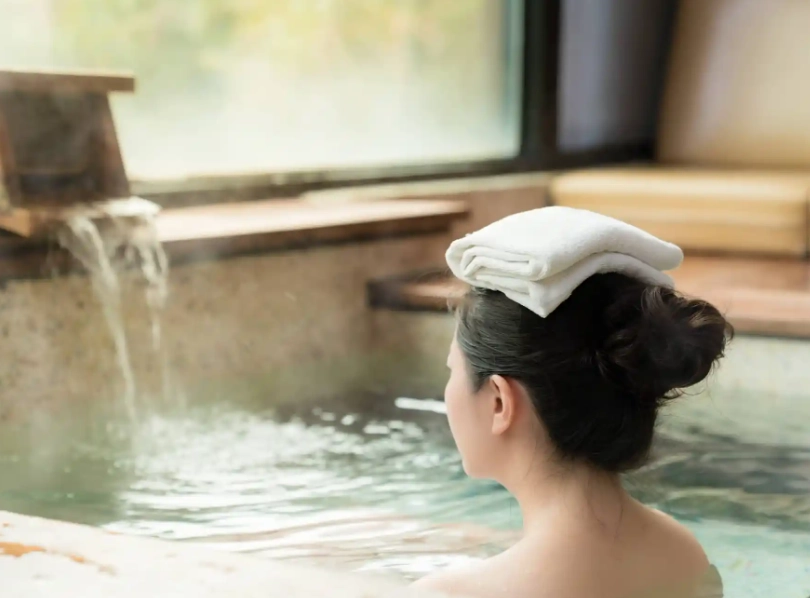
Manage your expectations. You're not getting 30°C water and 40m visibility. What you get is a unique, technical, and often more intimate diving experience. The topography is volcanic and dramatic. The macro life is exceptional. The culture—from the precise, ritualistic way Japanese dive boats operate to the post-dive hot spring (onsen)—is a huge part of the appeal. Come for the diving, but stay for the entire cultural immersion. It's different, not worse.
How do I handle the logistics of getting my dive gear on Japanese trains?
It's easier than you think. Use a large, wheeled gear bag (like a rolling duffel). On the Shinkansen, there is overhead space for large luggage, but it can fill up. You can also reserve the rear seats of the last car, which have extra space behind them for large bags. On local trains, just keep your bag out of the aisle. Be mindful of rush hour—avoid traveling with bulky gear between 7-9 AM and 5-7 PM on weekdays. Most divers find the Japanese public transport system incredibly accommodating.
So, is Tokyo a scuba diving destination? Not in the traditional sense. But as a hub for accessing a world of surprising, rich, and logistically straightforward diving, it's hard to beat. You get the adrenaline of the dive combined with the comfort and endless exploration of one of the world's great cities. Pack your mask, book that Shinkansen ticket, and get ready to see a side of Japan most tourists never do—the one beneath the waves.

Share Your Thoughts