You've seen the serene Instagram posts. Hands covered in wet clay, a perfectly imperfect bowl taking shape on a wheel, the backdrop a traditional Japanese kura (storehouse) studio. A pottery retreat in Japan isn't just a workshop; it's a deep dive into a centuries-old craft, a form of mindful travel that leaves you with more than just souvenirs. But between the dream and the reality lies a common problem: information is scattered, reviews are vague, and it's hard to know where to start or what you're really signing up for. Having spent over a decade exploring these retreats—from multi-day immersive experiences to shorter workshops—I'll cut through the noise. This guide is your roadmap to finding, booking, and fully experiencing the perfect pottery retreat in Japan.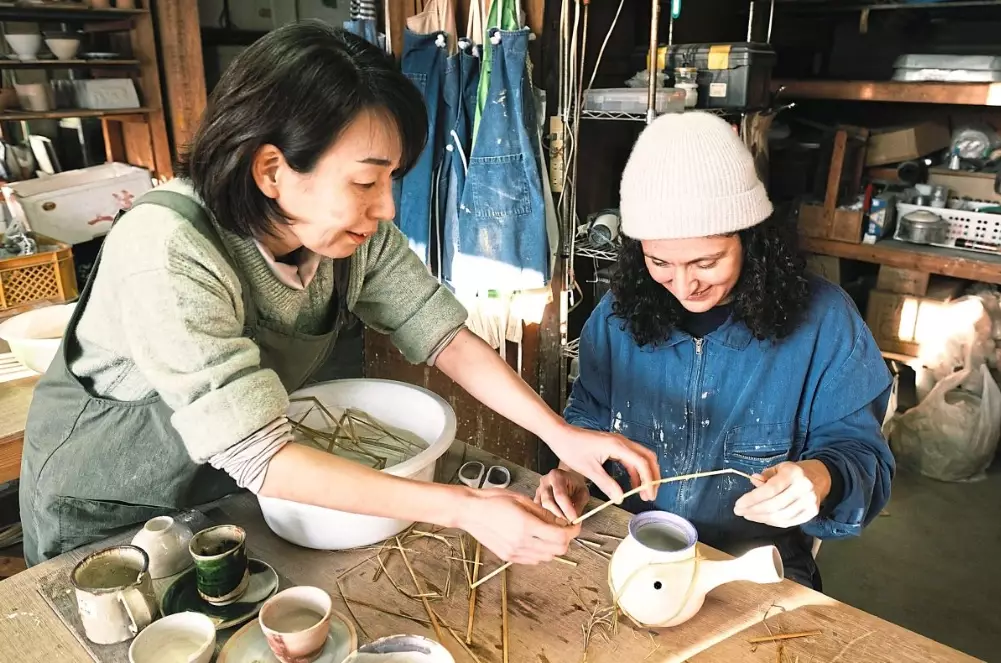
What You'll Find in This Guide
What Exactly Is a Pottery Retreat (And Is It For You)?
Let's clear this up first. A weekend pottery workshop teaches you a technique. A pottery retreat wraps that learning in an experience. Think accommodation (often on-site or nearby), meals, dedicated studio time, and usually a deeper cultural component—like a visit to a local kiln or a walking tour of the pottery town. The goal is immersion.
It's for anyone feeling creatively stuck, craving a digital detox, or wanting to understand Japan beyond Tokyo and Kyoto. You don't need to be an artist. Most retreats welcome absolute beginners. The real requirement is a willingness to get messy and be present.
I made a mistake on my first retreat, assuming it was just extended class time. I underestimated the value of the shared meals and evening chats with fellow participants and the potter. That's where the real magic and insights happened—hearing stories about the local clay, the history of glazes. The studio time is the core, but the community is the soul.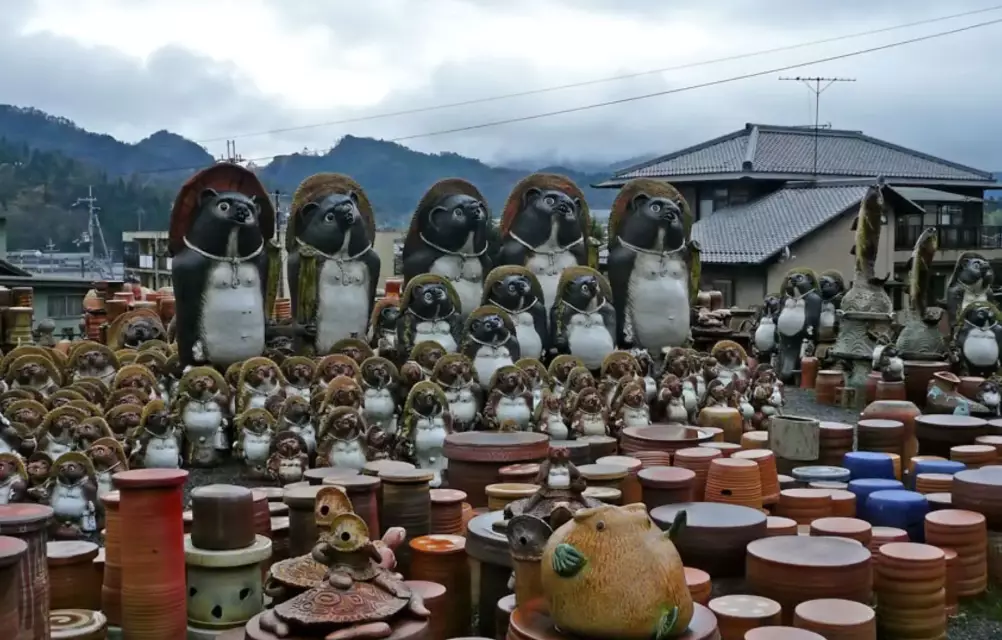
Where to Go: Japan's Premier Pottery Retreat Destinations
Japan's pottery culture is regional. Each famous town has its own character, clay, and style. Choosing your location shapes your entire experience.
>Those wanting deep technical instruction in a less "romanticized" setting.>Beginners and those drawn to the wabi-sabi aesthetic and folk art philosophy.>Mountain town setting. A mix of traditional and contemporary ceramic art. >Exploring unique firing techniques and enjoying a rural, scenic environment.>Porcelain. Fine, delicate, and often highly decorated (Arita-yaki). >Refined and historic. The birthplace of Japanese porcelain. >Those interested in painting on porcelain (under-glaze) and a more precise, detailed craft.| Destination | Known For / Style | Atmosphere & Vibe |
|---|---|---|
| Seto, Aichi Prefecture | One of the "Six Ancient Kilns." Robust, practical ware (Seto-yaki). Glaze techniques. | Historic, less touristy, serious craft focus. Close to Nagoya for transport. |
| Mashiko, Tochigi Prefecture | Folk pottery (Mingei). Made famous by Shoji Hamada. Rustic, organic, and functional pieces. | Artistic, relaxed, and community-oriented. Many small studios and galleries. |
| Shigaraki, Shiga Prefecture | Another Ancient Kiln. Famous for tanuki (raccoon dog) statues and unique natural ash glazes. |
My personal favorite is Mashiko. The town breathes pottery. You can stumble into a master's studio unannounced (politely, of course), and the clay there is forgiving for beginners. But if you want structured, intensive wheel-throwing lessons, Seto might be a better fit. Don't just pick the prettiest photos—match the style to what you want to make.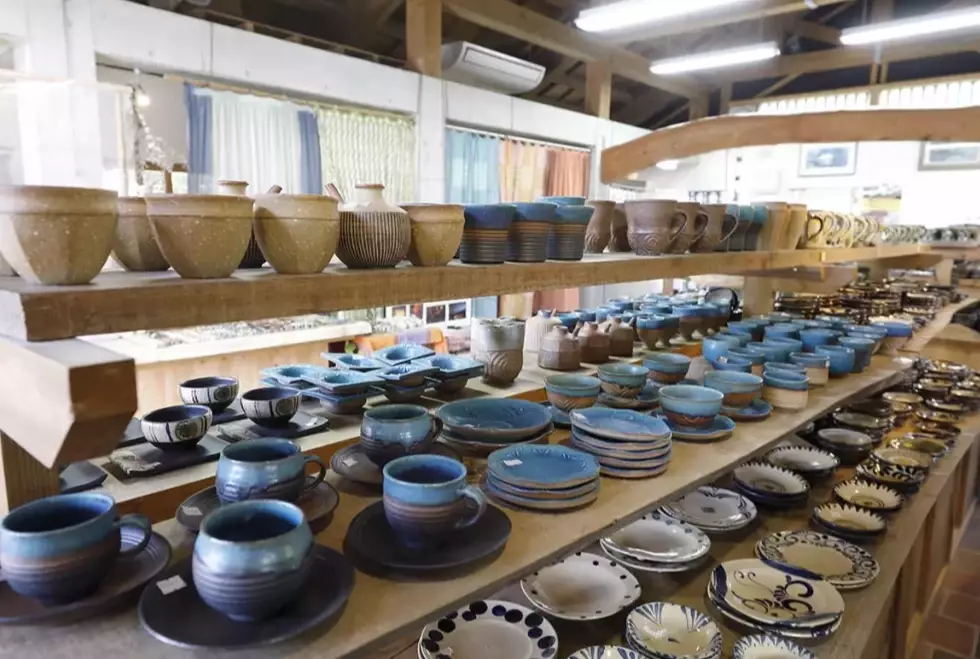
How to Choose the Right Pottery Retreat For Your Skill Level
This is where most people get tripped up. A retreat advertised as "all levels" might still move at the pace of the most experienced student. You need to dig deeper.v
Key Questions to Ask Before Booking:
- Student-to-Teacher Ratio: Anything over 8:1 means you'll get less hands-on guidance. For wheel-throwing, aim for 6:1 or lower.
- Project Scope: Does the description say "create a set of cups" or "explore hand-building techniques"? The former is goal-oriented, the latter is exploratory.
- Language Support: Many master potters have limited English. Does the retreat provide a translator or is the host bilingual? This drastically affects learning depth.
- What's Not Included: Often, firing and shipping your finished pieces are extra costs (usually ¥3,000 - ¥10,000). Always confirm.
For Complete Beginners
Look for retreats that explicitly offer "hand-building" (pinch pots, coil building) as an option alongside the wheel. Wheel-throwing is harder than it looks. A good beginner retreat lets you try both without pressure. A 2-3 day retreat is ideal—enough to learn basics without fatigue.
For Intermediate Potters
You want skill-specific retreats. Search for "glazing workshop Japan" or "wood-firing retreat". These niche retreats offer advanced techniques you can't get at home. Be prepared for a more rigorous schedule.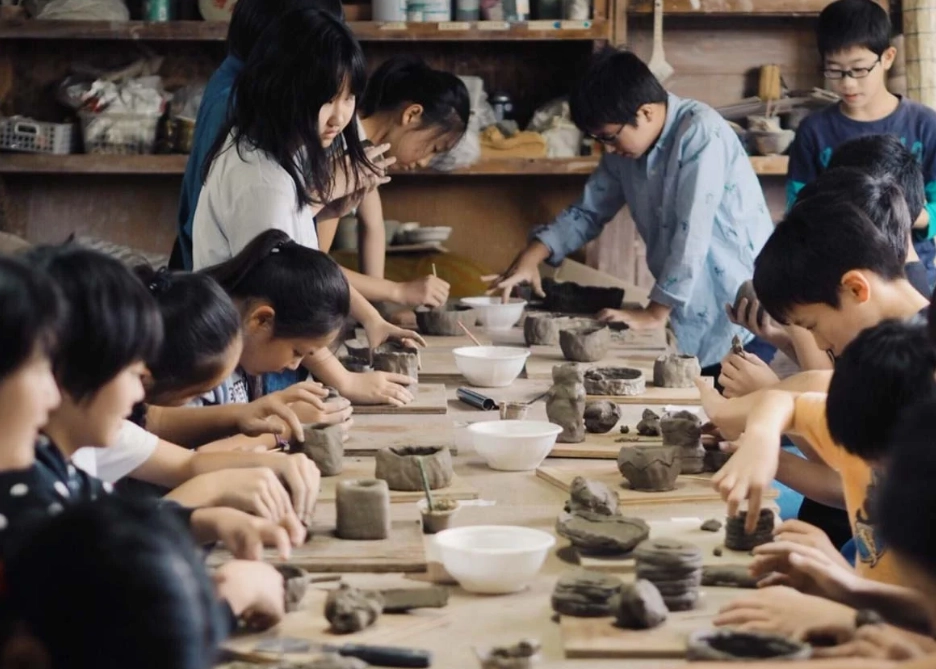
A Glimpse Inside: A Typical Day at a Japanese Pottery Retreat
Let's walk through a day at a mid-range retreat in Mashiko, based on my last visit. This makes the abstract very concrete.
7:30 AM: Wake up in a rustic minshuku (family-run guesthouse). Breakfast is Japanese-style: grilled fish, miso soup, rice, pickles. You chat with the owner, who tells you about the local kiln festival.
9:00 AM: Studio time. Morning light floods the wooden studio. The potter demonstrates a throwing technique for making a yunomi (tea cup). You practice. Clay flies. You laugh at your lopsided first attempts. The instructor gives quiet, corrective touches.
12:30 PM: Lunch break. Often, you'll eat together—maybe a hot pot prepared with local vegetables. The conversation flows from pottery to travel.
2:00 PM: Afternoon session. You might switch to hand-building to create a plate. Or you might trim the pieces you threw in the morning. The pace is focused but not rushed.
5:00 PM: Studio clean-up. A ritual as important as making. You recycle clay scraps, wash tools.
7:00 PM: Group dinner at a local izakaya. You use the pottery made by the town's artisans. The connection feels tangible.
The rhythm is what heals. It's repetitive, physical, and completely absorbing.
Practical Info: Costs, Booking, and What to Pack
Let's talk numbers and logistics.
Price Range: A 3-day, 2-night all-inclusive retreat typically costs between ¥60,000 and ¥120,000 per person. Shorter non-residential workshops can be ¥15,000-¥30,000 per day. The price reflects the teacher's renown, materials, food, and lodging quality.
How to Find & Book:
1. Direct Studio Websites: Search for "[Town Name] pottery workshop English". Some, like Togeikan in Mashiko, have English pages.
2. Platforms: Check Airbnb Experiences and Veltra for shorter sessions.
3. Cultural Tour Operators: Companies like InsideJapan Tours sometimes offer pottery retreats as add-ons.
Book 3-6 months in advance for popular retreats.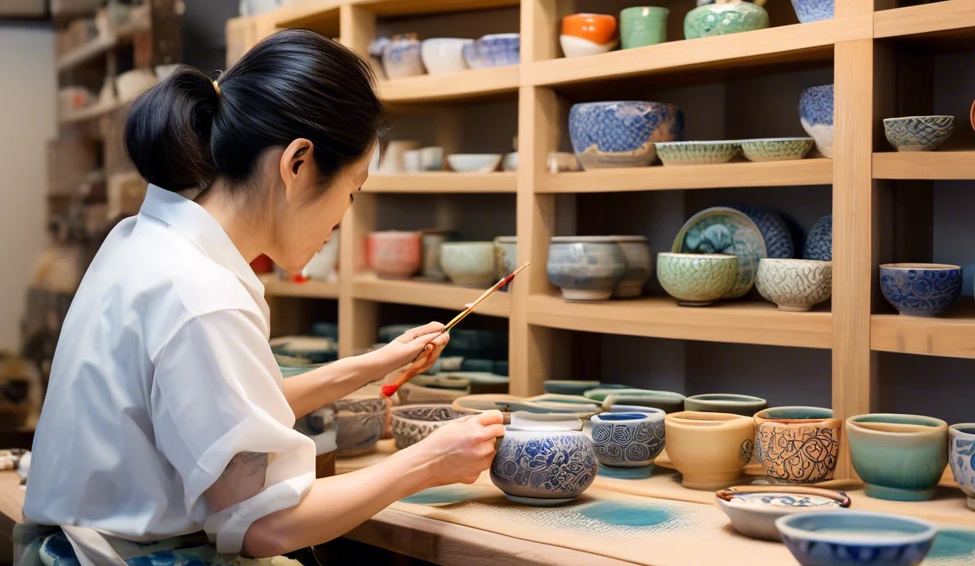
What to Pack (The Non-Obvious List):
- Apron & Old Towel: A heavy-duty apron is a must. A small towel for your hands is constantly useful.
- Nail Clipper & Hand Cream: Keep nails short for clay work. Clay dries your skin terribly.
- Comfortable, Warm Layers: Studios can be drafty in cooler months.
- Slip-on Shoes: Easy to remove, as you might enter studio/home areas.
- A Notebook: To sketch ideas and jot down glaze recipes or tips.
I learned the hard way about the hand cream. Pack it.
Your Pottery Retreat Questions Answered
 Ultimately, a pottery retreat in Japan is an investment in slowing down. It’s about the feel of the clay, the focus required to center it on the wheel, and the quiet satisfaction of creating something with your hands. It’s less about making a perfect vase and more about the process itself—a process that has remained largely unchanged for centuries. Do your research, manage your expectations, and be prepared to get wonderfully, messily involved.


Share Your Thoughts