- Understanding the Sakura Calendar: It's a Moving Target
- The Famous Sakura Front: A Northward Wave
- Your Action Plan: How to Nail the Timing
- Beyond the Calendar: Picking Your Perfect Sakura Experience
- Practical Stuff They Don't Always Tell You
- Your Cherry Blossom FAQ Answered
- The Final Word on Timing Your Dream Trip
Let's be honest. You've seen the pictures. Those dreamy tunnels of pale pink flowers, the petals floating on castle moats, the whole country seemingly painted in soft watercolors. It's the number one reason people dream of a spring trip to Japan. But then you start planning, and the big question hits you: when is the best time to visit Japan for cherry blossoms?
It's not as simple as picking a week in April. Get it wrong, and you might see bare branches or, worse, a carpet of brown mush on the ground. I learned this the hard way on my first attempt, showing up in Tokyo a week too early. The suspense was brutal! So, let's break it all down, from the famous sakura zensen (cherry blossom front) to the hidden spots where you can actually enjoy the view without being elbowed by a hundred other tourists.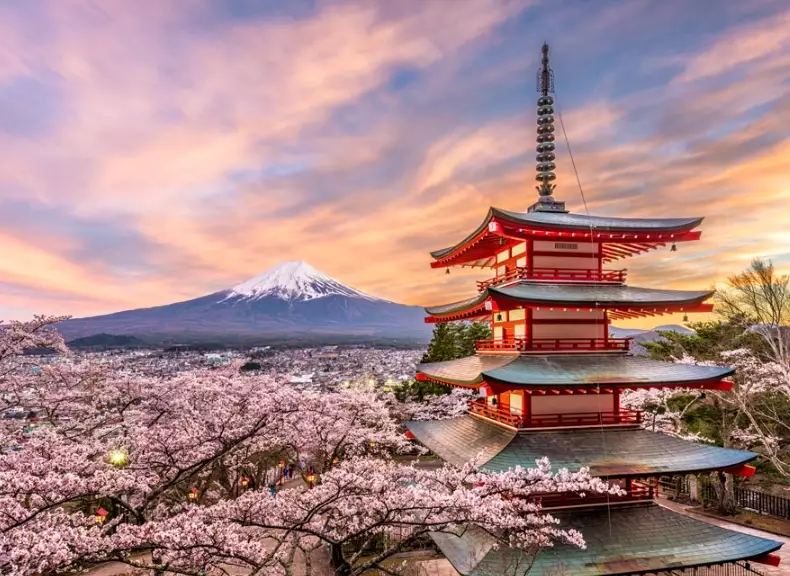
The Core Answer (But Keep Reading!): For most first-time visitors aiming for classic spots like Tokyo, Kyoto, and Osaka, the last week of March through the second week of April is historically the safest bet for peak bloom. But Japan is a long country, and the bloom sweeps north over two months.
Understanding the Sakura Calendar: It's a Moving Target
Asking "when is the best time to visit Japan for cherry blossoms" is like asking for the best day to go to the beach—it changes every year. The blooming is exquisitely sensitive to weather in the preceding months.
The Two Key Dates: Kaika and Mankai
Japanese meteorologists don't just talk about "bloom." They track two specific milestones:
- Kaika (開花): The "opening" date, when the first few blossoms open on a sample tree. The news goes wild when Tokyo's "first bloom" is declared.
- Mankai (満開): The "full bloom" date, when about 80% of the blossoms on that tree are open. This is the peak. The magic hour. The postcard moment.
Here's the thing most guides don't stress enough: Mankai is not the end. It's the glorious beginning of the viewing period. The flowers typically stay in full glory for about 3 to 7 days after mankai, depending on weather. A calm, cool, and dry period can stretch it out. A bout of heavy rain or strong wind can end it in a day, creating the famous hanafubuki (flower blizzard) that's beautiful but bittersweet.
My Personal Mistake: I once planned a trip around a kaika forecast, thinking I'd see the progression. I arrived on the announced "first bloom" day in Kyoto. The trees were still overwhelmingly bare, with just a few tentative flowers. The real spectacle was over a week away. Lesson learned: Always target the mankai (full bloom) date, not the kaika (first bloom) date.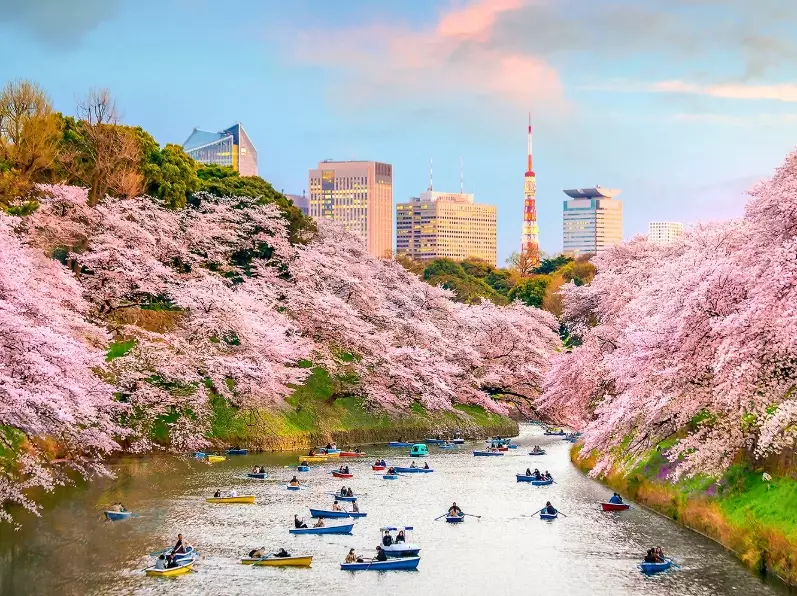
The Famous Sakura Front: A Northward Wave
The cherry blossom season isn't a single nationwide event. It's a wave, or a "front," that starts in the warmer south and sweeps northward over about two months.
| Major Region & Key Cities | Typical First Bloom (Kaika) | Typical Full Bloom (Mankai) | Best Viewing Window (Historical Average) |
|---|---|---|---|
| Kyushu & Shikoku (Fukuoka, Kagoshima, Kochi) |
Mid to late March | Late March to early April | Last week of March - First week of April |
| Kansai Region (Osaka, Kyoto, Nara, Kobe) |
Late March | Early April | First two weeks of April |
| Kanto Region & Tokyo (Tokyo, Yokohama, Kamakura) |
Late March | Early April | Last week of March - Second week of April |
| Chubu Region & Alps (Nagoya, Kanazawa, Takayama, Matsumoto) |
Early April | Mid-April | Mid to late April |
| Tohoku Region (Northern Honshu) (Sendai, Hirosaki, Kakunodate) |
Mid to late April | Late April to early May | Late April - Early May |
| Hokkaido (Sapporo, Hakodate) |
Late April to early May | Early to mid-May | First three weeks of May |
This table is your strategic map. Want a longer trip? You could potentially follow the bloom from Kyushu in late March to Hokkaido in mid-May. Most of us have a week or two, so we pick a region and hope our timing aligns.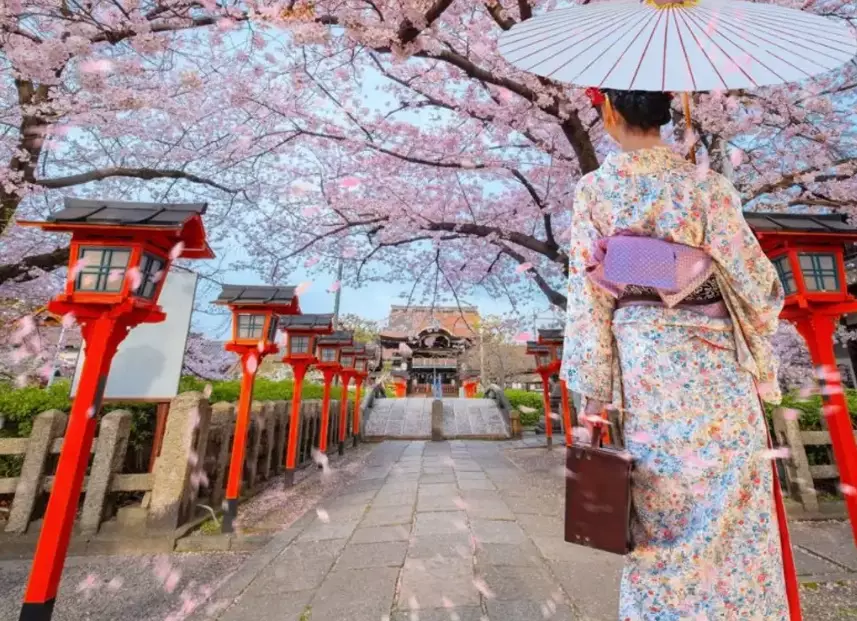
What Throws the Schedule Off?
The forecasts are educated guesses. Here’s what makes the bloom early or late:
- Winter Temperatures: A consistently cold winter keeps the trees dormant longer, often leading to a later, more synchronized bloom. A mild winter can confuse the trees.
- Spring Warm-up: This is the big one. A warm February and March accelerates everything. A cold snap in March can put the brakes on. The pace of warming after the buds form is critical.
- Urban Heat Islands: Cities like Tokyo are always a bit ahead of nearby rural areas. Concrete and activity generate heat.
So, when figuring out the best time to visit Japan for cherry blossoms, you're not just looking at a calendar. You're becoming an amateur meteorologist.
Your Action Plan: How to Nail the Timing
Okay, theory is great. But how do you actually plan a real trip? Here's my step-by-step method, refined through a couple of lucky hits and one major miss.
Step 1: Lock in Your Dates Early, But Be Flexible *Within* Them. Flights and hotels, especially in Kyoto, sell out a year in advance for sakura season. You have to commit. My advice? Book your main accommodations in a central, well-connected city (like Tokyo or Osaka) for a 7-10 day window that historically covers the bloom for that region (see table above). This gives you a buffer.
Step 2: Become Best Friends with the Official Forecast. About 4-6 months before your trip, the first long-range forecasts from the Japan Meteorological Agency (JMA) will appear. These are broad. The real magic happens about 6 weeks out. This is when major weather companies and news outlets (like Weather News or Tenki.jp) start their detailed, city-by-city kaika and mankai predictions, updating them weekly.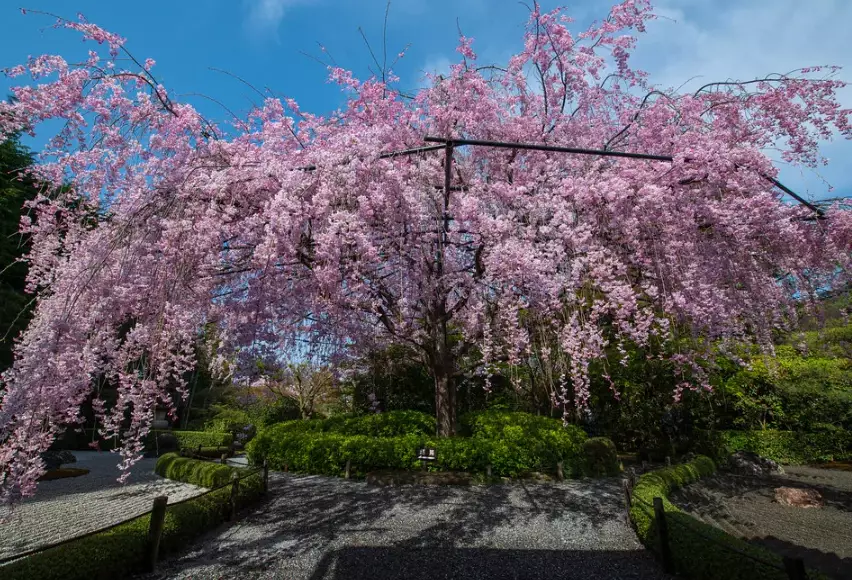
Bookmark them. Check every Monday.
Step 3: Have a Plan B (and C) Location. This is the pro move. If the forecast shows your primary city will peak a week after you leave, all is not lost. Japan's excellent rail network is your savior.
- Based in Tokyo but bloom is late? Take a shinkansen north to Sendai or a local train to the cooler mountains around Nikko.
- Based in Kyoto but bloom is early? Head south to Hiroshima or Miyajima, where the season starts earlier, or into the nearby mountains where it's later.
This flexibility is the real answer to when is the best time to visit Japan for cherry blossoms—it's whenever you go, as long as you're willing to move a little.
Beyond the Calendar: Picking Your Perfect Sakura Experience
Timing is half the battle. The other half is choosing what kind of cherry blossom experience you want. They're not all the same.
The Classic Hanami Party Spot
This is the iconic image: blue tarps, cheerful groups, sake, and bento boxes under the trees. It's energetic, social, and a fantastic cultural immersion.
- Top Pick: Ueno Park, Tokyo. It's chaotic, packed, and utterly exhilarating. Hundreds of trees line the main path. Go for the energy, not for solitude.
- Alternative: Osaka Castle Park. Massive grounds with thousands of trees. You can find a lively party scene or a slightly quieter corner.
A word of warning: The best spots in popular parks are taken by noon (with tarps laid down by office workers on rotation). For a prime weekend spot, people start in the early morning. It's competitive.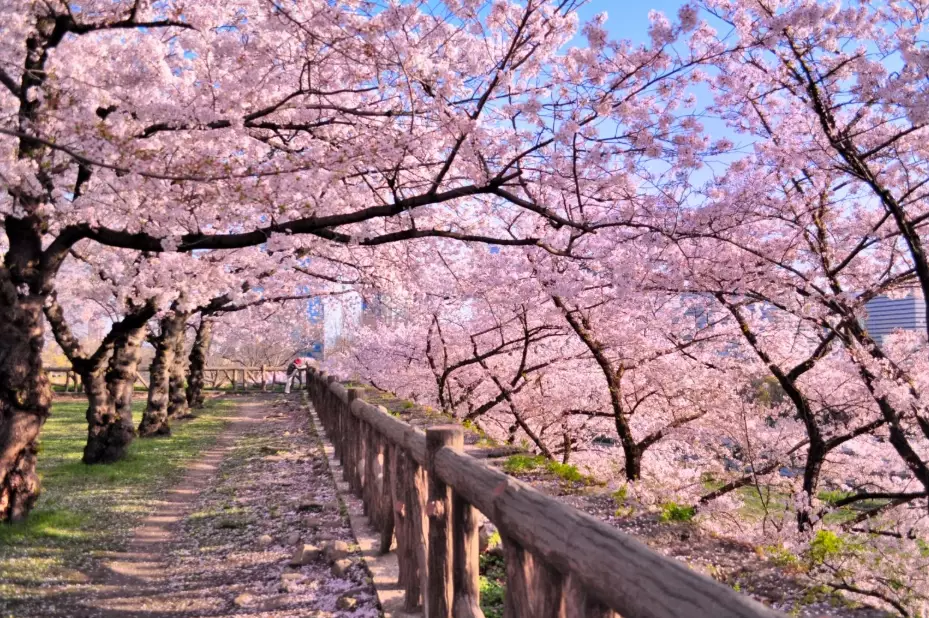
The Serene, Photogenic Stroll
If crowds make you anxious, you want these places. The beauty is undisturbed.
- Top Pick: Philosopher's Path, Kyoto. A canal-side stone path lined with hundreds of trees. It's still popular, but go right at sunrise and you'll have moments of peace. By 9 AM, it's a procession.
- Hidden Gem: Goryokaku Fort, Hakodate. A star-shaped moat surrounded by a thousand trees. The view from the Goryokaku Tower is stunning, and the crowds are thinner than in the major hubs.
The Nighttime Illumination (Yozakura)
Many major parks and temples have special light-ups after dark. The blossoms take on an ethereal, almost magical quality. It's a completely different vibe.
- Must-See: Chidorigafuchi Moat, Tokyo. Rent a rowboat and paddle under illuminated branches reflected in the water. It's incredibly romantic (and the queue for boats is long).
- Atmospheric: Himeji Castle, Himeji. The brilliant white castle lit up against the dark sky, framed by pale pink sakura. It's a powerful image.
My Personal Favorite: Shinjuku Gyoen in Tokyo. It costs a small entry fee, which keeps the massive crowds down. It has over a dozen different cherry tree varieties that bloom at slightly different times, extending the season within the park itself. You can find sprawling lawns, Japanese gardens, and quiet ponds—a bit of everything.
Practical Stuff They Don't Always Tell You
Knowing when to go is one thing. Surviving and enjoying the season is another.
Accommodation: Book 10-12 months in advance, especially for Kyoto. Prices double or triple. Consider business hotels—they're no-frills but clean and reliable.
Transport: Trains are packed. Reserve your shinkansen (bullet train) seats as soon as you can, which is usually one month before travel. A Japan Rail Pass can be a lifesaver for flexibility, but do the math for your itinerary.
Weather: Spring is fickle. Pack layers. A warm day can be followed by a chilly, rainy one. A compact umbrella is essential. Good walking shoes are non-negotiable.
The Crowds: They are immense, particularly in Kyoto. Famous temples open at 8 or 9 AM. Be there at opening time. You'll get an hour of relative calm before the tour buses arrive.
Negative but True: The hype can be overwhelming. Some of the most famous spots feel less like a contemplative natural experience and more like a theme park ride queue. The sheer volume of people can be stressful. That's why seeking out lesser-known neighborhoods, local riversides, or even the grounds of a university can be so rewarding.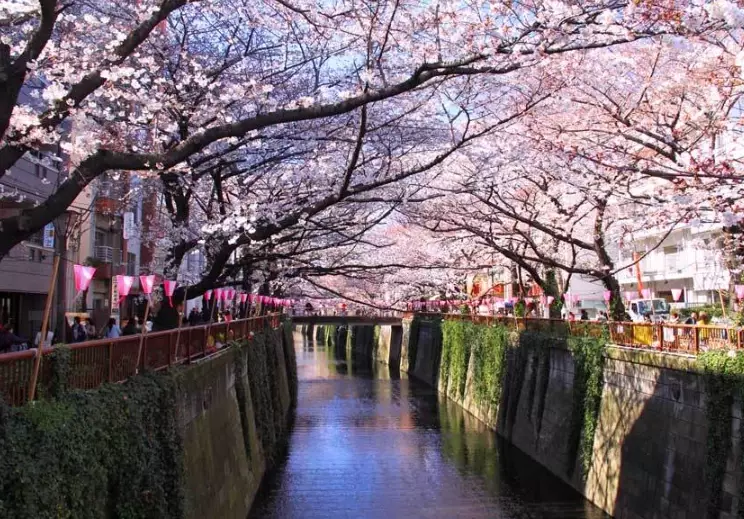
Your Cherry Blossom FAQ Answered
The Final Word on Timing Your Dream Trip
So, after all this, when is the best time to visit Japan for cherry blossoms?
The perfect date is a moving target, but your perfect trip doesn't have to be. Aim for the historical average, book early for key cities, follow the forecasts religiously in the final weeks, and build in geographical flexibility. Embrace the fact that "chasing the bloom" is part of the adventure. Even if you're a few days off peak, the atmosphere of anticipation or the delicate fallen petals are beautiful in their own right.
It's worth the hassle.
The moment you turn a corner and see a line of trees in full, glorious bloom, framing a temple or arching over a river, every bit of planning stress melts away. You're not just seeing flowers; you're experiencing a national moment of joy and transience. That's the real magic of hanami. Now go start looking at flights.

Share Your Thoughts