You watch the scene unfold: a character runs through a narrow alleyway bathed in golden hour light, or stands atop a shrine staircase overlooking a timeless town. It feels real, tangible. That's because it often is. The most captivating fictional anime locations aren't born from pure imagination; they're carefully crafted from real-world clay, filtered through an artist's vision. This creates a unique travel niche—part pilgrimage, part cultural archaeology. It’s not about visiting a "fake" place, but about discovering the real roots of a fictional world.
Your Quick Jump to Anime Worlds
Why Fictional Anime Locations Feel So Real
Studio animators are masterful location scouts. They take photos, sketch landscapes, and absorb the atmosphere of real streets, forests, and buildings. This practice, called "取材" (shuzai), grounds the fantasy. When you recognize a real train station or a specific temple gate, it creates a powerful bridge between your world and the story's. This connection is what fuels "聖地巡礼" (seichi junrei) or "sacred site pilgrimage," where fans travel to these inspiration spots.
The appeal isn't just recognition. It's about experiencing the space that moved the creators. You stand where the layout artist stood, see the light they saw, and understand the choices they made. Did they simplify that building? Why did they change the color of the roof? It turns passive viewing into active exploration.
Location Deep Dive: Three Iconic Case Studies
Let's break down how three legendary locations were built from reality, and what you can actually see today.
Spirited Away’s Spirit World Bathhouse
The iconic Abura-ya (bathhouse) is a architectural cocktail. The main building's design is heavily influenced by the Edo-Tokyo Open Air Architectural Museum in Koganei, Tokyo, specifically the former Kodakara-yu bathhouse. The intricate, stacked wooden structure feels instantly familiar there.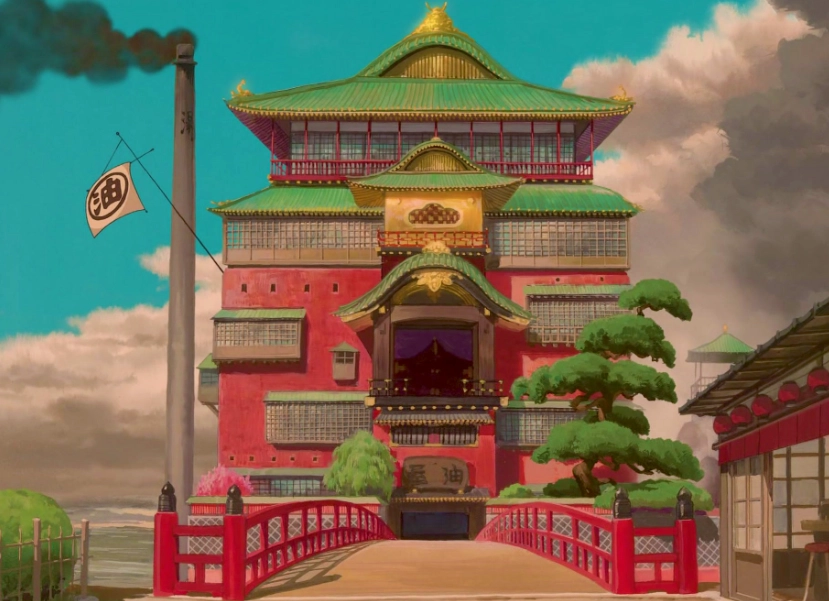
But the spirit and operation? That's pure Dogo Onsen in Matsuyama, Ehime Prefecture, one of Japan's oldest hot spring resorts. The multi-storied main building, the system of different baths for different clients, and even the concept of spirits visiting feel directly lifted. Visiting Dogo Onsen is the closest you can get to stepping into Chihiro's world. You can even see the similar lattice work and the iconic rooftop lookout.
If you go: Dogo Onsen is a public bath. Entry for the main bath starts around 400 yen. The more exclusive Kami-no-Yu bath costs extra. It's crowded. For a quieter, more contemplative Ghibli vibe, the museum in Koganei is a better bet, but it requires a reservation.
Your Name’s Lost Town of Itomori
Makoto Shinkai’s team is notorious for photorealistic location scouting. Itomori is a fictional town, but it's a precise composite. The lake crater is based on Lake Kamanuma in Gunma. The high school scenes are modeled after Hida-Furukawa Station and its surrounding streets in Gifu. But the single most famous spot is the Suga Shrine Staircase in Shinjuku, Tokyo.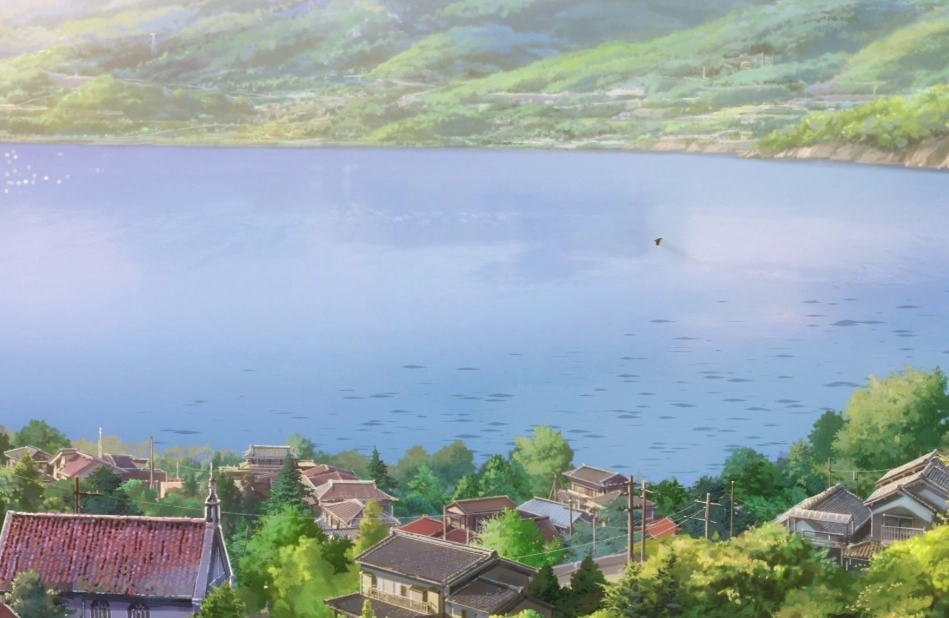
This is pilgrimage ground zero. Fans flock to these stairs for the twilight photo op. The local council even put up a sign in Japanese and English acknowledging the film. It’s surreal—a quiet residential staircase turned into an international landmark overnight.
If you go: The stairs are free, always open, and in a neighborhood. Be respectful of residents. For the full experience, take the train to Hida-Furukawa. The station and the old streets look exactly as depicted, minus the comet damage.
Demon Slayer’s Final Selection Grounds
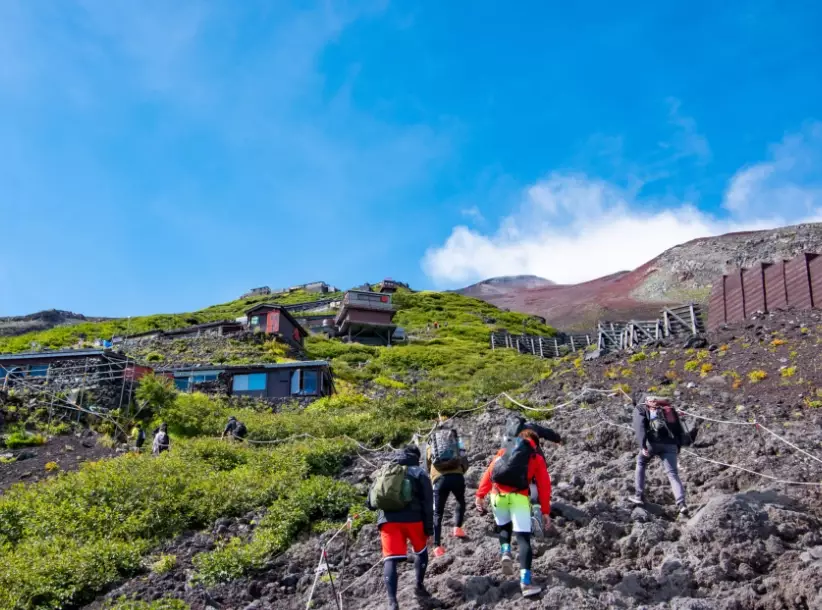
The terrifying forest where Tanjiro fights the Hand Demon is inspired by the dense, bamboo-filled slopes around Mount Nakagami in the Saitama/Tokyo border area. While you can't find a wisteria house, the atmosphere of ancient, looming woods is palpable in places like the Mount Takao area or deeper parts of Chichibu-Tama-Kai National Park.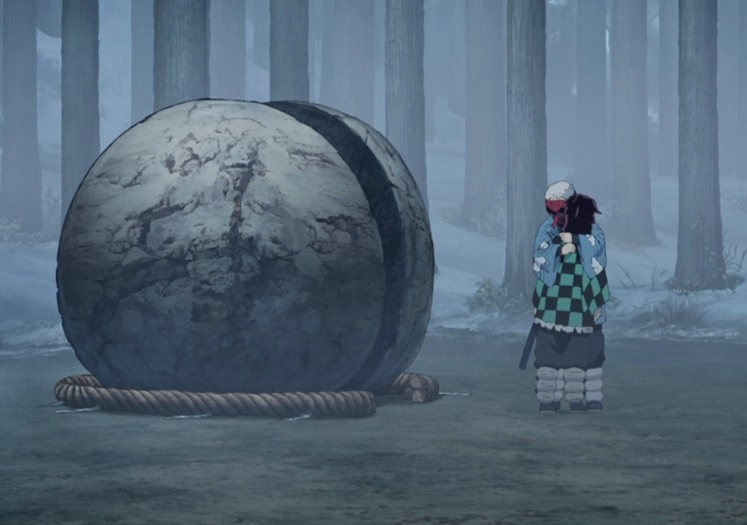
This highlights a different type of location: environmental inspiration over architectural copy. The power comes from the texture of the land itself.
If you go: These are hiking areas. Prepare properly with good shoes, water, and a map. Cell service can be spotty. You're not visiting a specific spot, but absorbing the vibe that inspired Ufotable's artists.
How to Actually "Visit" These Fictional Worlds
You have three main avenues: the pilgrimage, the theme park, and the pop-up exhibition. Each offers a different flavor of immersion.
The Seichi Junrei (Pilgrimage) Blueprint
- Identify the Real Spot: Use resources like the Anime Tourism Association website or dedicated fan blogs (search "[Anime Name] 聖地").
- Plan the Logistics: Many inspirations are in rural areas. Check train/bus timetables meticulously. The last bus might leave at 5 PM.
- Context is Key: Read about the town's real history. What existed before the anime? This enriches the visit.
- Document Respectfully: Take your photos, but don't block pathways or disturb locals. The community's goodwill keeps these places accessible.
Theme Parks & Permanent Exhibits
These offer curated, guaranteed immersion but lack the discovery element of a pilgrimage.
| Destination | What It Is | Key Consideration | "Ticket" & Access |
|---|---|---|---|
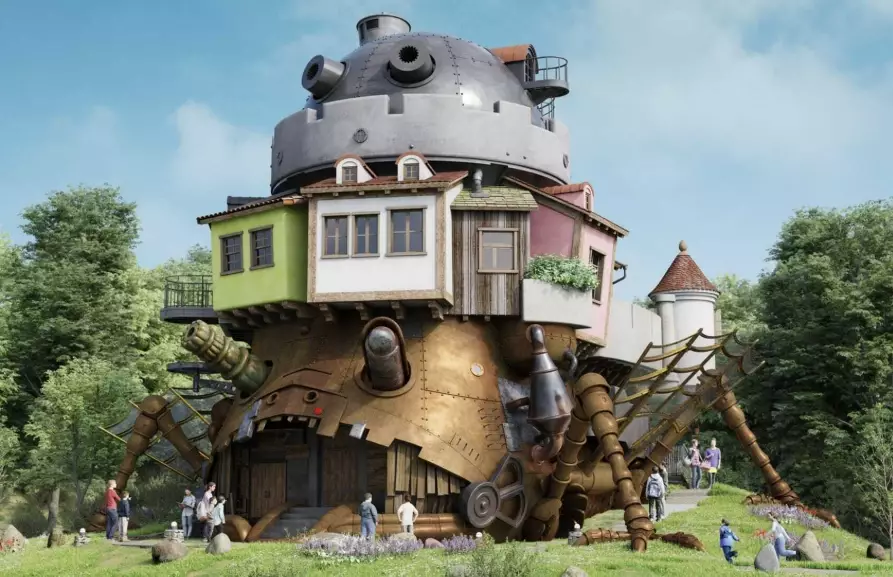
| Ghibli Park (Aichi) | An immersive, natural park with life-sized recreations of Ghibli worlds (Hill of Youth, Dondoko Forest). | Not a ride-based park. It's about atmosphere and detail. Tickets are extremely competitive via lottery. | Requires advance online lottery purchase months ahead. No on-site sales. |
| Nijigen no Mori (Hyogo) | Anime-themed park with areas for Demon Slayer, Naruto, Godzilla. Features giant statues, AR experiences, and ninja training. | More interactive and activity-focused than Ghibli Park. Spread across a large forested area. | General admission plus separate charges for individual attraction zones. Easier to book than Ghibli. |
| Small Local Museums | Often in towns that inspired an anime. Exhibit production materials, sell exclusive goods. | Hyper-local and niche. Can be very small but filled with unique artifacts. | Usually standard entry fee (300-800 yen). Rarely need advance booking. |
Common Pitfalls and How to Avoid Them
I've made these mistakes so you don't have to.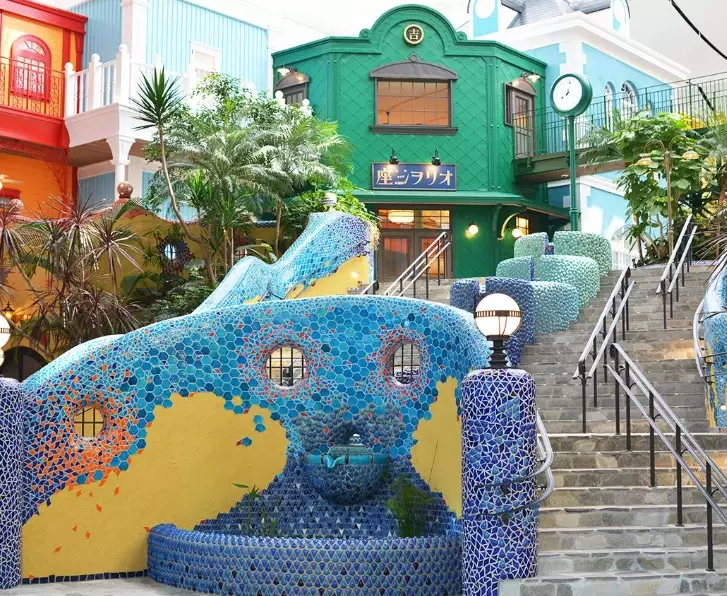
The "It Looks Different" Disappointment. This is the biggest one. A location might be viewed from a different angle, or buildings might have been renovated. Trees grow, shops close. The anime is a snapshot in time. Manage your expectations—you're seeing the ingredient, not the finished dish.
Overlooking Practicalities. That beautiful mountain vista from Attack on Titan (inspired by the Skaftafell region in Iceland, by the way) or the remote island from Barakamon requires serious travel planning. It's not a day trip from Tokyo. Factor in travel time and cost realistically.
Ignoring Local Etiquette. Some places are private homes, active shrines, or quiet farms. Don't trespass. If a location asks for no photography, respect it. The anime's popularity can be a burden on these communities. Spending money at a local cafe or shop is a great way to say thanks.
The Copyright Trap. Want to sell photos or videos from your pilgrimage? Be careful. While the real location is free to photograph, depicting it explicitly as "the X from Anime Y" for commercial purposes can tread on the studio's intellectual property. It's a gray area best avoided for business.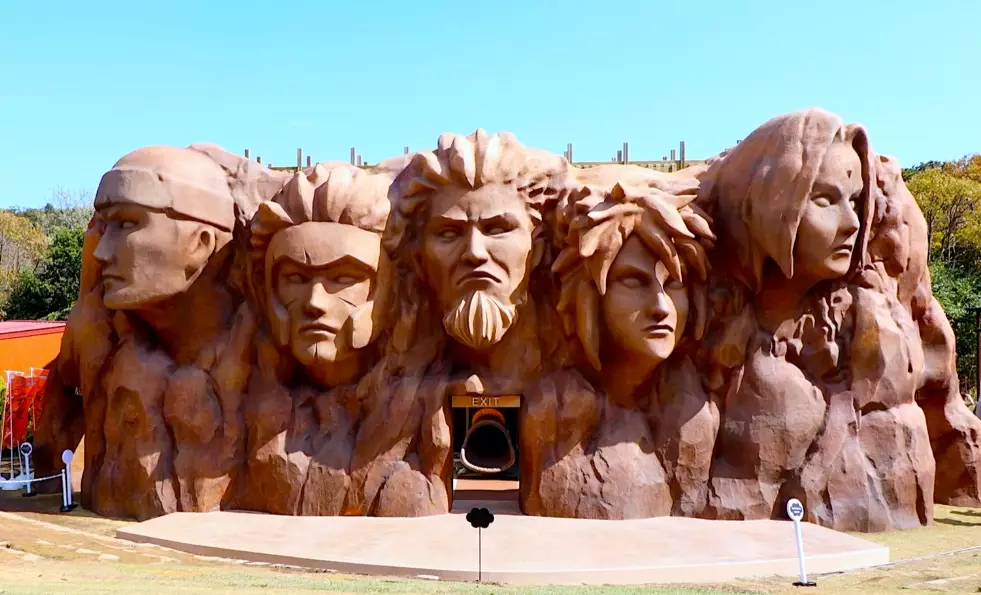
Your Anime Location Questions Answered
The magic of fictional anime locations lies in their tangible roots. They blur the line between story and soil. Whether you're hunting down a quiet staircase in Tokyo or planning a major trip to a Ghibli-inspired onsen town, you're participating in a modern form of cultural storytelling. You're not just a tourist; you're a detective, piecing together how imagination rewires reality. And that’s a trip worth taking.

Share Your Thoughts