In This Guide
- What Exactly Is a Ryokan? (It's More Than Just a Room)
- The Three Pillars of Your Ryokan Experience
- How to Find and Book the Right Ryokan for You
- A Step-by-Step Walkthrough: What Actually Happens During Your Stay
- Packing & Practicalities: What to Bring (and What Not To)
- Common Questions & Concerns (The Stuff You're Secretly Worried About)
- Is a Traditional Ryokan Stay Worth It? A Final, Honest Take
So you're thinking about booking a traditional ryokan stay in Japan. Good choice. It's one of those travel experiences that sticks with you, way beyond the photos. But let's be real – it can also feel a bit intimidating if you don't know what to expect. Is it just a fancy hotel with tatami mats? What are the rules? Will I embarrass myself in the onsen?
I remember my first time. I showed up with my rolling suitcase, clueless about where to leave my shoes, and utterly confused by the yukata robe. I made a few faux pas, for sure. But you know what? It was still magical. The peace, the attention to detail, the feeling of stepping into a different rhythm of life. That's what this guide is for – to give you the insider knowledge so you can skip the awkward parts and dive straight into the magic of a genuine traditional ryokan stay.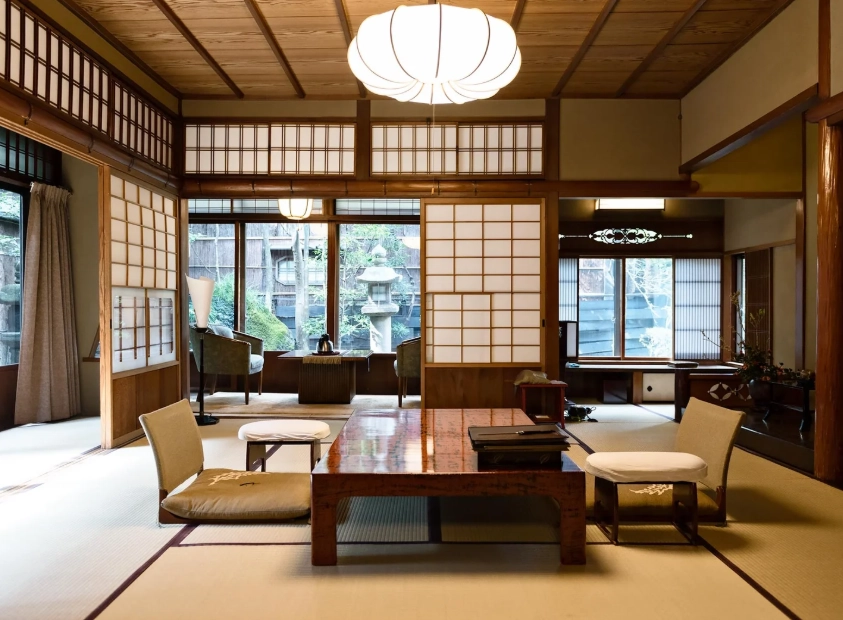
What Exactly Is a Ryokan? (It's More Than Just a Room)
First things first. A ryokan is a traditional Japanese inn. But calling it an "inn" is like calling a kaiseki meal a "dinner set" – it doesn't quite capture the depth. A true traditional ryokan stay is built on centuries-old customs of hospitality. We're talking about architecture that harmonizes with nature (wood, paper, stone), rooms that are multi-functional spaces (living by day, sleeping by night), and service that anticipates your needs without being intrusive.
How is it different from a hotel? Let's break it down, because this is where a lot of the confusion lies.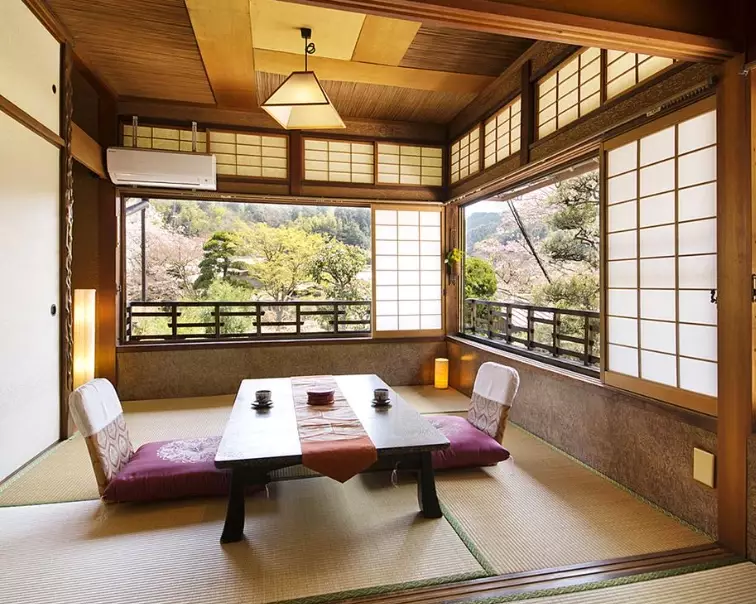
| Feature | Traditional Ryokan | Standard Western Hotel |
|---|---|---|
| Room Flooring | Tatami (woven straw mats). Shoes are strictly forbidden. | Carpet, wood, or tile. Shoes are typically worn in hallways. |
| Bedding | Futon bedding laid directly on the tatami each night. | A permanent raised bed with a mattress. |
| Meals | Often includes dinner (kaiseki) & breakfast (traditional Japanese), served in-room or in a dining hall. | Usually optional, served in a restaurant or cafe. Room service may be available. |
| Attire | You'll change into a provided yukata (cotton robe) for relaxing indoors and sometimes for the onsen. | You wear your own clothes. |
| Bathing | Often features a communal onsen (hot spring) or a large, deep bath for shared use. | Private ensuite bathroom with a shower/tub. |
| Pricing | Typically per person, inclusive of meals and service. Higher upfront cost but more all-inclusive. | Typically per room. Meals and amenities are added costs. |
See? It's a different beast. The pricing model especially throws people. You're not just paying for a place to sleep. You're paying for an experience, often with exquisite, multi-course meals that are a journey in themselves. For a deeper dive into the history and cultural significance of ryokan, the Japan National Tourism Organization (JNTO) website is an authoritative resource that confirms this holistic approach.
The Three Pillars of Your Ryokan Experience
If you strip it back, a memorable traditional ryokan stay rests on three core experiences. Get these right, and you've nailed it.
1. The Room: Your Tatami Sanctuary
You'll be greeted by the clean, earthy scent of tatami. The room is minimalist but not empty. A low table with floor cushions sits in the center. A tokonoma (alcove) might display a scroll and a simple flower arrangement. There's no bed in sight. Later, your hostess will quietly lay out the futons while you're at dinner.
My personal take? Sleeping on a futon is hit or miss. Some people love the firm support; others (like me, with a slightly dodgy back) find it a bit too Spartan for more than a night or two. It's part of the authenticity, but it's okay to admit it's not for everyone. The rooms can also get cool in winter, though good ryokans have excellent heating systems under the floor (kotatsu tables are a godsend).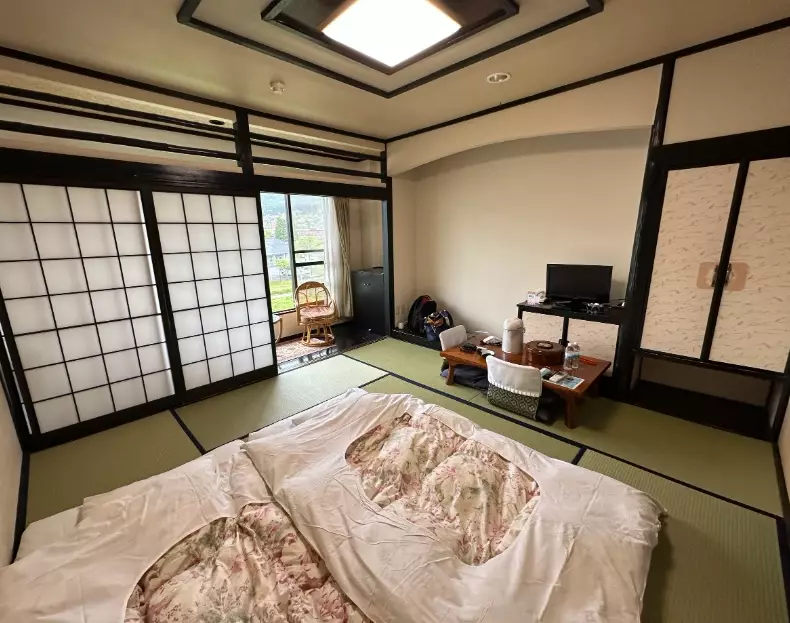
2. The Onsen: Bathing as Ritual
This is a make-or-break element for many. The onsen (natural hot spring) is central to the ryokan rhythm. It's about cleansing and soaking, not washing. The water is rich in minerals and often stunningly located—overlooking a river, in a cave, under the stars.
But the etiquette! It's what people stress about most. Here's the no-nonsense breakdown:
- Wash First: Before entering the shared bath, you must sit on a small stool, use the shower, and thoroughly soap up and rinse off every bit of suds. The bath is for soaking clean bodies only.
- No Swimsuits: It's nude bathing. Gender-segregated, of course. Towels are small – you use one to cover yourself walking to the bath, then place it on your head or the side while soaking. Don't let it touch the water.
- Quiet Respect: It's a place for quiet relaxation. Loud conversations are a no-go.
If the idea of communal bathing gives you anxiety, look for ryokans that offer "family baths" (kazoku-buro) or private baths you can book for a time slot. They're becoming more common. The Japan Spa Association has great general guidelines on onsen culture and benefits if you want to read up from an official source.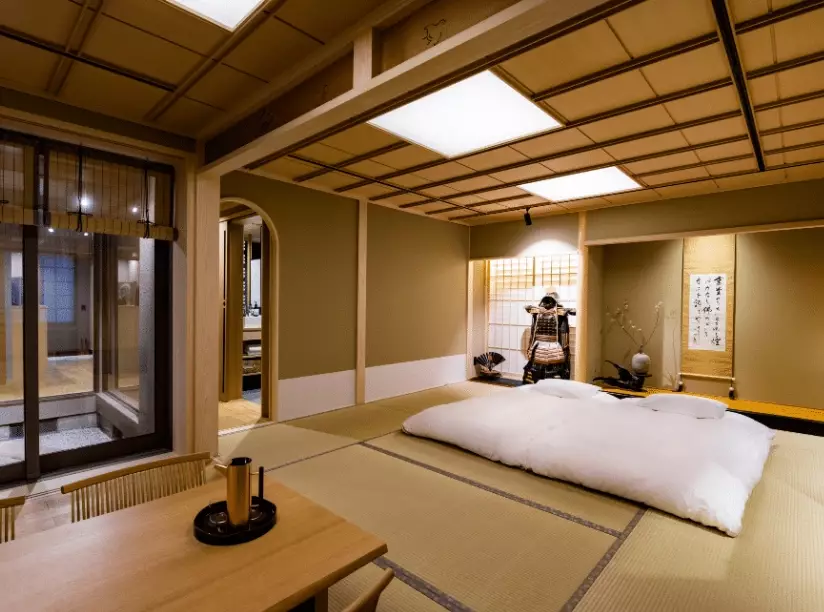
3. The Kaiseki Meal: A Feast for the Senses
Dinner is an event. Kaiseki is a multi-course culinary masterpiece that showcases seasonal and local ingredients. It's art on a plate. You'll get a dozen or more small dishes, each prepared and presented with meticulous care. It can be intimidating—what do I eat first? Is that a decoration or food? (Usually, it's food).
Honestly, sometimes it's almost too much. The pace can be slow, and if you're not a fan of seafood or more unusual textures, you might find parts challenging. But even picking at the edges, you appreciate the craft. Breakfast is often another traditional spread with grilled fish, rice, miso soup, and small sides—a hearty way to start the day.
How to Find and Book the Right Ryokan for You
This is where research pays off. Not all ryokans are created equal. Some are ultra-luxurious, some are rustic and family-run. Your perfect traditional ryokan stay depends on what you want.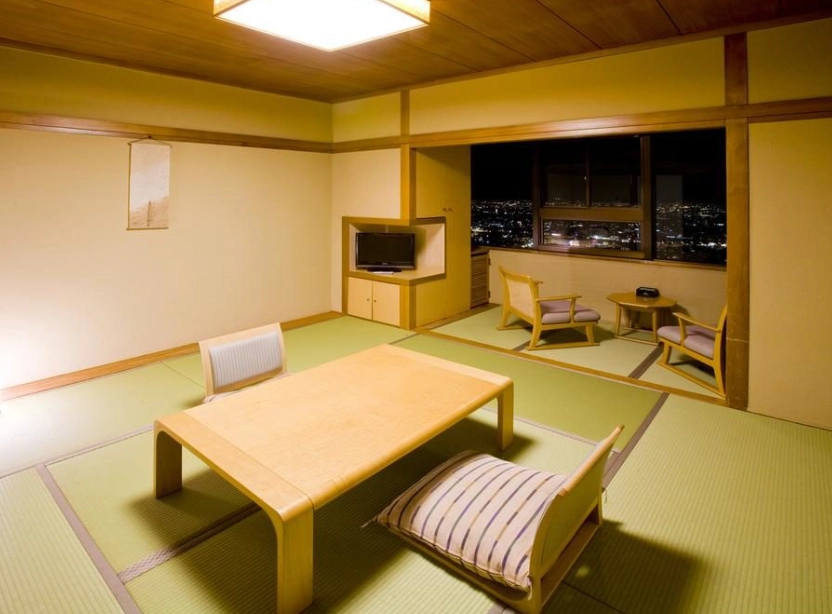
Location, Location, Location:
- Onsen Towns (Hakone, Kusatsu, Beppu): The classic choice. The whole town is built around the hot spring culture. Lively, scenic, and you can do "onsen hopping."
- Historic/Scenic Areas (Kyoto, Kanazawa, Shirakawa-go): Often more focused on architecture, garden views, and cultural immersion. The onsen might be smaller or use piped spring water.
- Remote/Rural: For total escape. Think mountains, forests, rivers. The most serene and authentic feel, but harder to get to.
Booking Channels:
- Direct via Ryokan Website: Often the best rates and you can communicate needs directly. But the website might be Japanese-only or clunky.
- Japanese Booking Platforms (Rakuten Travel, Jalan): Huge selection, detailed filters (like meals, bath type), and often good deals. The English interfaces have improved a lot. This is my go-to method now.
- International Platforms (Booking.com, Agoda): Convenient and in English, but selection can be limited. Read carefully—sometimes the "ryokan" is just a hotel with tatami-style rooms, missing the full experience.
A Step-by-Step Walkthrough: What Actually Happens During Your Stay
Let's walk through a typical timeline. Knowing the flow removes so much uncertainty.
Check-in (3-4 PM): You're greeted at the entrance. Shoes off, into guest slippers. You'll be served tea and a small sweet at the reception or in your room. Your hostess (okami-san or nakai-san) will explain meal times, bath locations, and the general layout. They might ask what time you'd like your futon laid out.
Afternoon: Change into your yukata. This is your uniform for the stay. Left side over right (the opposite is for the deceased—a big cultural taboo). Tie the obi (belt). Now, go explore. Relax in your room, stroll the garden, or take your first dip in the onsen.
Dinner (6-7 PM): Served either in a private dining room or, more traditionally, in your own room. Your hostess will bring each course, explaining them if possible (though English explanations vary). It can last 1.5 to 2 hours. Don't rush.
Evening: After dinner, your hostess will clear the table and lay out the futons while you're perhaps taking a post-dinner soak. The room transforms into a bedroom. It's incredibly cozy.
Morning: Wake up early if you can. A quiet onsen visit at sunrise is sublime. Breakfast is served at a set time (usually 7:30-8:30 AM). After breakfast, you pack up, settle any incidentals (like drinks from the room fridge), and check out by 10 or 11 AM.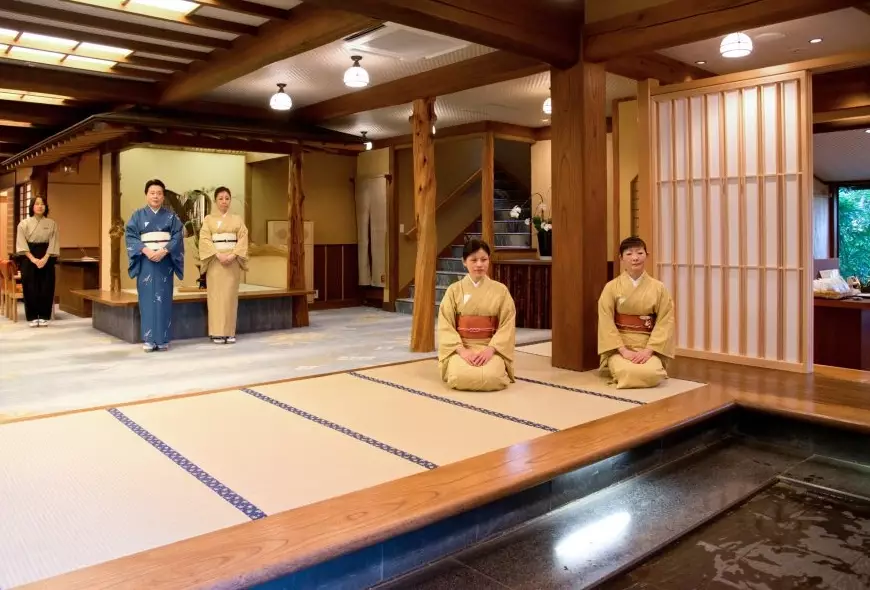
Packing & Practicalities: What to Bring (and What Not To)
You need less than you think. The ryokan provides a lot.
Do Bring:
- Lightweight, easy-to-pack clothes. You'll be in a yukata most of the time anyway.
- Basic toiletries, though high-end ryokans provide excellent ones.
- A small bag for taking your toiletries/toiletries to the shared bath.
- Modesty towel (if you're shy about the onsen walk).
Don't Bring/Don't Need:
- Pajamas (yukata replaces them).
- Bathrobe or slippers (provided).
- Hairdryer (usually provided in-room or at the bath area).
- Heavy luggage if you can avoid it – stairs and tatami rooms aren't suitcase-friendly.
Common Questions & Concerns (The Stuff You're Secretly Worried About)
Let's tackle the big ones head-on.
Is a Traditional Ryokan Stay Worth It? A Final, Honest Take
It's a significant investment. A night at a good ryokan can cost what a week in a budget hotel might. So, is it worth it?
If you view travel as checking off sights, maybe not. You could see more temples with that money.
But if you view travel as an experience that changes your pace, teaches you something about another culture's relationship with space, nature, food, and relaxation, then yes, it is absolutely worth it. A traditional ryokan stay forces you to slow down. It engages all your senses. It's an exercise in mindfulness before you even try to be mindful.
It won't be perfect. You might find the futon hard. A course in the kaiseki might be too adventurous. You might feel a bit isolated if you're used to the social buzz of hostels. But those slight imperfections are part of its human, authentic charm.
My advice? Do your research, manage your expectations (it's not a Western luxury resort), and then go for it. Book that authentic traditional ryokan stay. Take a deep breath of tatami-scented air, soak until your fingers prune, and savor every delicate bite. It's more than a hotel room. It's a memory you'll carry home in your bones.


Share Your Thoughts