Let's cut to the chase. A Japanese pottery village tour price isn't a single number. Asking "how much does it cost?" is like asking how much a car costs—it depends entirely on the model, the features, and how far you're driving. I've seen too many blogs throw out a vague range like "$50-$200 per day" and call it a day. That's not helpful if you're trying to actually plan a trip.
The real cost is a puzzle of transport, workshop fees, museum tickets, and whether you can resist buying that perfect $300 vase. I've spent years visiting these villages, from the famous Arita to the rustic charm of Mashiko, and I've made every budgeting mistake so you don't have to. The biggest one? Underestimating how much getting there costs. The village itself might be cheap, but the train or rental car to reach it often isn't.
This guide will give you the concrete numbers and a realistic framework to build your own budget. We'll look at the top destinations, break down every expense, and I'll share some tricks I've learned to save money without missing out on the experience.
Your Quick Navigation
- How Much Does a Japanese Pottery Village Tour Cost? – A Realistic Budget Breakdown
- Top 3 Japanese Pottery Villages and Their Tour Costs
- How to Save Money on Your Pottery Village Tour
- Planning Your Itinerary: A Sample 3-Day Budget
- Beyond the Price Tag: What to Know Before You Go
- Your Pottery Tour Price Questions Answered
How Much Does a Japanese Pottery Village Tour Cost? – A Realistic Budget Breakdown
Forget per-day estimates. Think in categories. Your total Japanese pottery village tour price will be the sum of these five parts. Here’s what you’re really paying for.
| Budget Category | Economy Traveler (per person) | Standard Traveler (per person) | Premium Experience (per person) |
|---|---|---|---|
| Accommodation (per night) | ¥3,000 - ¥6,000 (Hostel, budget business hotel) | ¥8,000 - ¥15,000 (Comfortable hotel, nice ryokan) | ¥20,000+ (Luxury ryokan with kaiseki meal) |
| Transport (to/from village & local) | ¥5,000 - ¥15,000 (Local trains, buses, advance tickets) | ¥15,000 - ¥25,000 (Shinkansen reserved seat, taxi occasionally) | ¥30,000+ (Green Car Shinkansen, private taxi tours) |
| Food & Drink (per day) | ¥2,500 - ¥4,000 (Convenience store, cheap local restaurants) | ¥5,000 - ¥8,000 (Set meals at mid-range restaurants, cafe stops) | ¥10,000+ (Fine dining, renowned local specialties) |
| Activities & Entry Fees | ¥1,000 - ¥3,000 (One museum, village wandering) | ¥4,000 - ¥8,000 (One workshop, 2-3 museum entries) | ¥10,000+ (Multiple premium workshops, private kiln tours) |
| Shopping (The Wild Card) | ¥1,000 - ¥5,000 (Small souvenirs, cups) | ¥10,000 - ¥30,000 (Nice bowl, set of plates) | ¥50,000+ (Investment pieces, antique finds) |
See how transport can rival or even exceed accommodation? That's the kicker most first-timers miss. If you're basing yourself in Tokyo and doing a day trip to Mashiko, your transport might be under ¥5,000. But if you're going from Kyoto to Arita, you're looking at a ¥25,000+ Shinkansen round trip before you even step off the platform.
The shopping category is the ultimate budget-buster. You walk into a kiln's showroom intending to buy a ¥2,000 cup, and you walk out with a ¥25,000 teapot because the glaze is a once-in-a-lifetime color. It happens. Budget for it, or practice extreme willpower.
Top 3 Japanese Pottery Villages and Their Tour Costs
Each village has a different character and, crucially, a different distance from major cities, which massively impacts your Japanese pottery village tour price. Let's get specific.
Arita & Imari (Saga Prefecture) – The Porcelain Kingdom
This is the birthplace of Japanese porcelain. It's refined, historic, and spread across a few towns (Arita, Imari, Okawachiyama). It's also the most expensive to reach.
- Getting There: From Fukuoka (Hakata Station), take the Midori/Huis Ten Bosch limited express train. The trip takes about 1 hour 20 minutes and costs ¥3,420 one way. From Osaka/Kyoto, you're looking at a 3.5-hour Shinkansen to Hakata first, making a day trip impractical. Most people stay overnight.
- Key Costs: The Kyushu Ceramic Museum entry is ¥300. Arita Porcelain Park entry is ¥600. A basic porcelain painting workshop starts around ¥2,500. Expect to pay ¥8,000-¥15,000 for a nice, medium-sized Arita-yaki plate in a kiln's direct shop.
- My Take: Arita's prices reflect its prestige. The quality is unmatched, but it feels more like a "museum and shopping" tour than a hands-on, muddy-fingernails experience. Worth it for serious collectors.
Mashiko (Tochigi Prefecture) – The Rustic, Hands-On Favorite
Famous for its mingei (folk craft) style, Mashiko is casual, welcoming, and incredibly workshop-friendly. It's the best place to actually get your hands dirty.
- Getting There: From Tokyo (Asakusa or Shinjuku), take the Tobu Railway to Mashiko Station. The direct limited express takes about 2 hours and costs ¥2,480 one way. This makes it a feasible, though long, day trip from Tokyo.
- Key Costs: The Mashiko Sankokan Museum (home of famous potter Shoji Hamada) is ¥800. Pottery workshops are the main event here. A 90-minute wheel-throwing session typically runs ¥3,500 to ¥5,500, often including firing and local pickup (shipping extra). You can find fantastic, functional Mashiko-yaki cups for ¥1,500-¥4,000.
- My Take: Mashiko offers the best value for a hands-on experience. The town is walkable, the atmosphere is unpretentious, and the workshop prices are reasonable. This is where I always take first-timers.
Mino (Gifu Prefecture) – The Historic Kiln Town
Mino is the heart of Japanese tableware production, supplying restaurants nationwide. It's less touristy, more industrial, but home to the incredible Gifu Prefectural Ceramic Museum.
- Getting There: From Nagoya, take the JR Tokaido Line to Tajimi Station (25-40 mins, ¥450-¥750), then a local bus to the Mino area (15 mins, ¥310). Total one-way cost is about ¥1,200.
- Key Costs: The Gifu Prefectural Ceramic Museum is world-class and costs ¥700. You can visit many showrooms and factory outlets for free. Workshops are less common for tourists but can be found; expect similar prices to Mashiko. The value here is in the shopping—you can get seconds or overstock of incredibly high-quality ware at significant discounts.
- My Take: Mino is for the savvy traveler who prefers discovery over a curated tourist trail. Your Japanese pottery village tour price here will be lower, but you need to be more proactive. The museum alone is worth the trip.
How to Save Money on Your Pottery Village Tour
You don't have to break the bank. Here are tactics I use every time.
Transport is Your Biggest Lever. If visiting multiple areas, a Japan Rail Pass can pay off, but calculate carefully. For regional travel, look at local passes like the JR Kyushu Rail Pass for Arita or the JR Takayama-Hokuriku Area Pass for Mino (if coming from Osaka). Booking Shinkansen tickets 1-2 months in advance on official sites can snag discounted "Smart EX" fares.
Choose Your Base Wisely. Staying in a nearby regional city is often cheaper than in the village itself. For Mashiko, consider Utsunomiya. For Arita, stay in Takeo Onsen or even Fukuoka. The trade-off is travel time each day.
Book Workshops Directly and Early. Third-party tour sites mark up prices. Find the kiln or studio's own website (use Google Translate) and email them. Booking directly can save 10-20%, and it guarantees you a spot—popular workshops book out weeks ahead.
Travel in a Small Group (2-4 people). Workshop fees are per person, but you can split costs like taxi fares from the station or a rental car. Some private tour guides also charge a flat rate for a small group, making it more affordable per head.
Embrace the "Look, Don't Buy" (or "Buy Small") Mantra. Set a strict shopping budget in cash. Leave your credit card at the hotel. Allow yourself to appreciate pieces without owning them. If you must buy, focus on small, functional items like teacups or chopstick rests.
Planning Your Itinerary: A Sample 3-Day Budget
Let's make this real. Here's a sample 3-day, 2-night trip to Mashiko for a solo "Standard Traveler" from Tokyo, with all prices in JPY.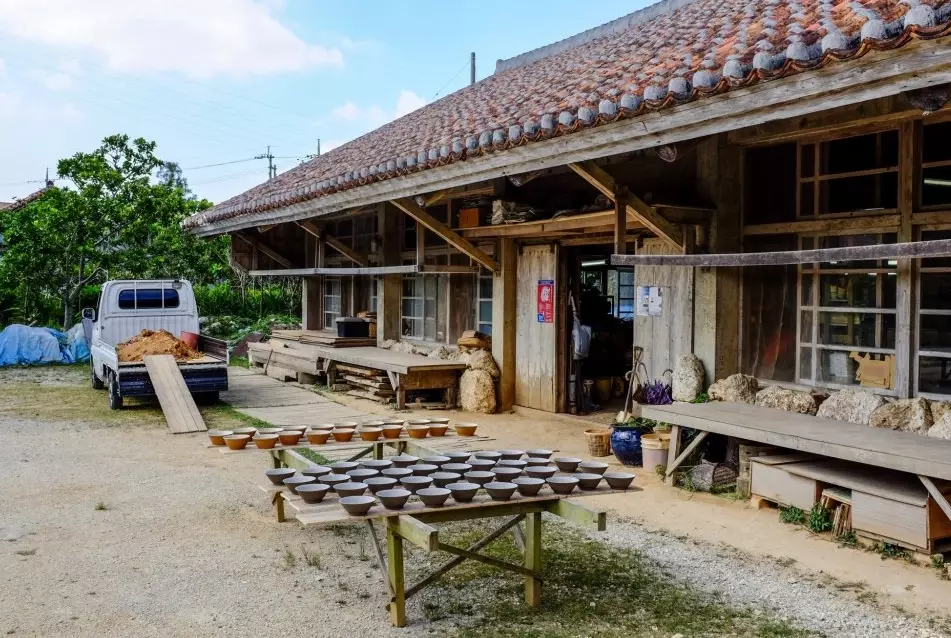
- Day 1 (Travel & Explore): Tobu Railway from Asakusa to Mashiko (¥2,480). Check into a mid-range hotel in Mashiko (¥9,000/night). Lunch at a local soba shop (¥1,200). Visit the Mashiko Sankokan Museum (¥800). Wander kiln showrooms. Dinner at an izakaya (¥2,500). Daily Total: ¥16,980
- Day 2 (Deep Dive): Morning wheel-throwing workshop (¥4,500, includes firing). Lunch (¥1,500). Visit 2-3 more galleries/museums (¥600 total). Rent a bicycle to explore outskirts kilns (¥800). Pick out a purchased piece to ship home (¥4,000 for a bowl + ¥3,000 shipping). Dinner (¥2,800). Daily Total: ¥17,200
- Day 3 (Departure & Souvenirs): Final souvenir shopping (¥5,000 budgeted). Lunch (¥1,200). Train back to Tokyo (¥2,480). Daily Total: ¥8,680
Estimated Trip Total: ¥42,860 (approx. $275 USD). This excludes any major splurge shopping and assumes you're just shipping one self-made piece. Add 20-30% for a couple sharing a room but paying for separate workshops.
Beyond the Price Tag: What to Know Before You Go
Your Japanese pottery village tour price isn't just yen. It's also time and knowledge.
Most villages are not compact tourist parks. Kilns and galleries are spread out, often along highways with no sidewalks. In Arita or Mashiko, you'll need a local bus, taxi, or rental bicycle to see more than one cluster. Factor this time (and taxi fare of ¥1,000-¥2,000 per ride) into your plan.
Check calendars religiously. Many kilns and museums are closed on specific weekdays (often Mondays or Thursdays). Some major museums close for exhibition changes. National holidays can mean everything is shut or everything is packed. The Mashiko Pottery Festival (twice yearly) has amazing deals but insane crowds.
Cash is still king. While major showrooms take cards, smaller kilns, workshop payments, and local restaurants often only accept cash. Always carry more than you think you'll need.
Shipping is a process. If you buy something fragile and large, the shop will expertly pack and ship it via Japan Post (EMS or Surface). This is reliable but can take 1-3 months for sea mail. Get a detailed receipt and take a photo of your item with the packing slip. The cost is based on size and weight, not value.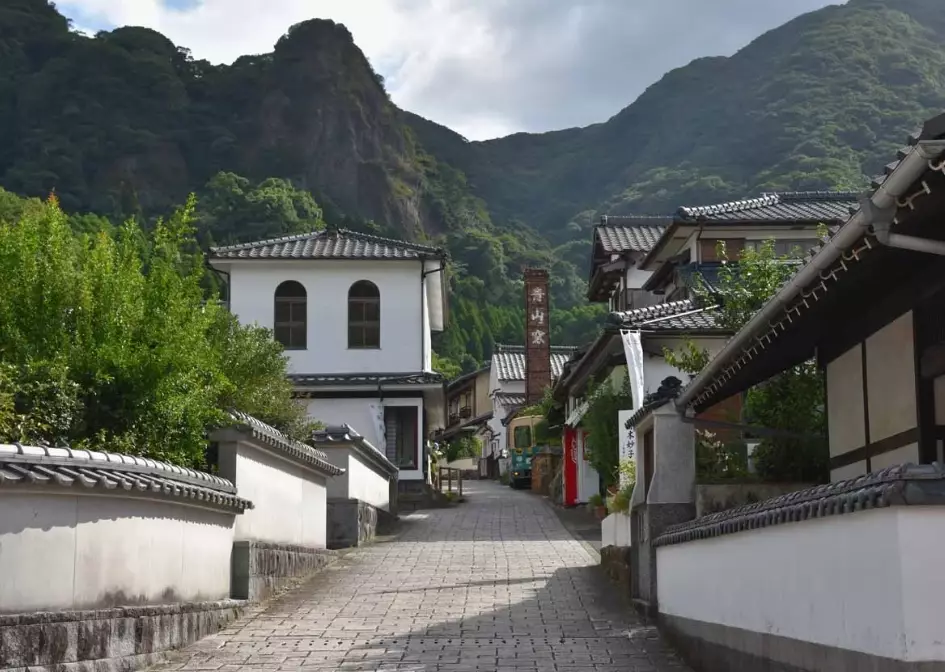
Your Pottery Tour Price Questions Answered
 What's the single biggest price difference between seasons?

Share Your Thoughts