Let's be honest. When you search for "Hiroshima Peace Memorial facts," you're not just looking for opening hours. You're looking for meaning. You're trying to piece together a story that's both incredibly simple and unbearably complex.
I made the same mistake on my first visit. I walked in, saw the iconic Atomic Bomb Dome (Genbaku Dome), took my photos, and thought I'd "done" it. I hadn't. I'd missed the entire point of the Peace Memorial Park. It's not a single building; it's a sprawling, 120,000-square-meter space designed to guide you through a narrative of remembrance, resilience, and hope.
The facts about the Hiroshima Peace Memorial facts are what transform a visit from a tourist stop into a profound human experience. Let's get into what you actually need to know.
What You'll Find Inside
The Building Itself: Facts About the Dome
This is the image you know. The skeletal remains of a once-grandiose building, frozen in time. But here's a fact most miss: the Atomic Bomb Dome was NOT the intended target.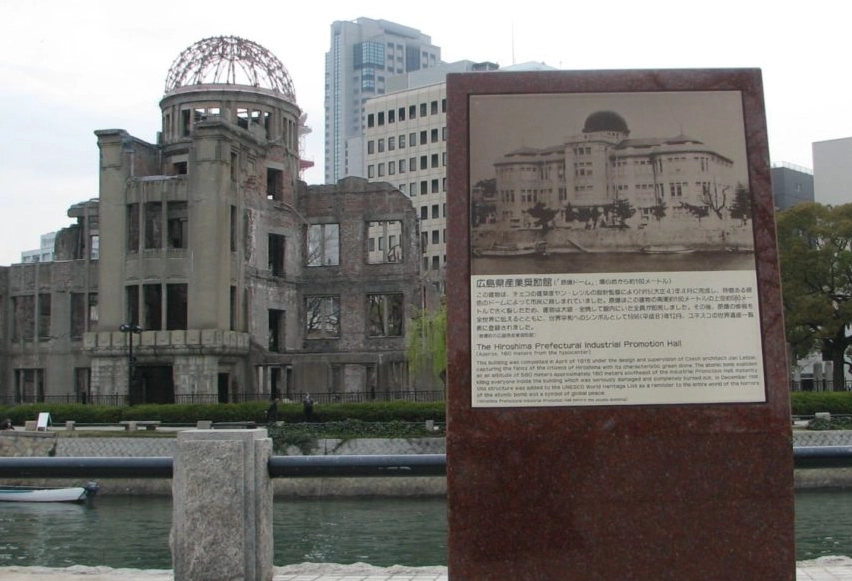
Let that sink in for a second.
The bomb exploded almost directly above the Shima Hospital, about 600 meters southeast of the dome. The building you see survived not because it was stronger, but because the blast force, traveling horizontally, met less resistance at that specific point. The dome's steel frame held, while nearly everything around it was flattened. This detail matters. It turns the ruin from a symbol of total destruction into one of specific, almost miraculous, survival. It forces you to look at the landscape differently.
Another crucial fact: the preservation of the dome was (and remains) a conscious, controversial, and technically challenging decision. After the war, there was immense pressure to demolish it. Some saw it as a painful eyesore, a reminder best forgotten. Others, including many survivors (hibakusha), argued for its preservation as a physical testimony. The engineering work to stabilize it in the 1960s was groundbreaking and is still studied today. They didn't just "leave it as is." They made a choice to maintain its ruined state, a process requiring constant monitoring and subtle reinforcement. This is a level of commitment to historical truth that I find deeply moving. It's not a static monument; it's a building that is actively, and expensively, being kept in a state of "arrested decay."
The Museum's Story: What to Expect Inside
The Peace Memorial Museum, located across the pond from the dome, is where the story truly unfolds. This is the part most guides gloss over, but it's the part that matters most. You don't just "see" exhibits; you are taken on a chronological and deeply personal journey.
The main building is divided into two sections. The East Building covers the history of the city before the bombing, the development of the bomb, and the immediate aftermath. It's factual, scientific, and can feel overwhelming. This is where many visitors make a critical error: they rush through it to get to the "good stuff." Don't. The context provided here about the military-industrial complex, the political decisions, and the international climate is absolutely essential for understanding the scale of what happened next.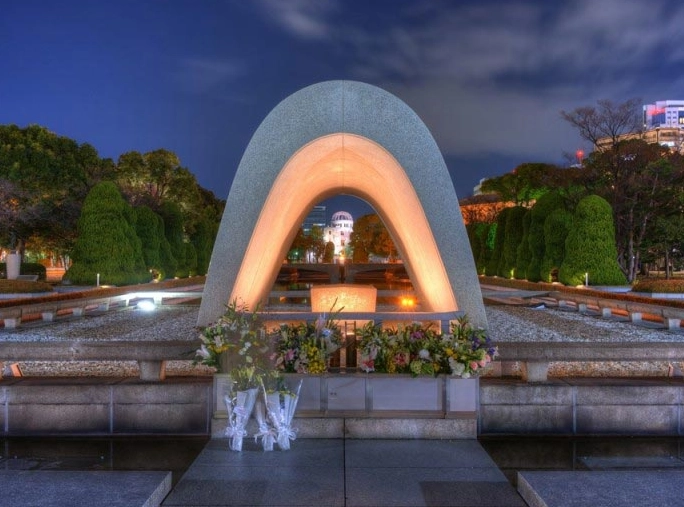
The West Building is the emotional heart. It focuses on the stories of the survivors (hibakusha). This is where the museum shifts from presenting facts to fostering empathy. You will see personal belongings, hear recorded testimonies, and read letters. The weight here is immense.
Here's my personal, perhaps controversial, take: the museum's curation is masterful, but it demands emotional stamina. I have seen people break down in the West Building within 30 minutes. I have also seen people become strangely detached, almost numb, as a coping mechanism. There is no "right" way to react. But here's a piece of advice I rarely see mentioned: do not plan to visit the museum and the surrounding park on the same day. It is too much. The park itself, with its gardens, memorials, and children's peace bell, is designed for reflection and processing. You need that space. Budget a full day: morning for the museum (opening at 8:30 AM allows you to beat the largest crowds), a long lunch break outside the grounds, and an afternoon dedicated solely to walking the park at your own pace, in silence.
What You Actually See in the East Building
Models of the city. Technical diagrams. Timelines leading up to August 6, 1945. It's important, but it can feel like a history textbook. Pay close attention to the scale models showing the hypocenter (the point directly above the explosion). They show the concentric rings of destruction, but more importantly, they show which buildings were made of wood, which of concrete, and which had their windows facing the blast. This detail explains the random pattern of survival you see in the dome.
What Hits You in the West Building
This is where the museum stops telling you about the bomb and starts telling you about the people. The first display you encounter is a set of steps from a school, fused with the shadows of the children who were sitting on them. That's all it is. Steps. And it's devastating.
From there, you move through stories of loss, of rescue, of lifelong injury, and of the long, painful journey towards recovery. The most powerful section, in my opinion, is the one dedicated to the children's peace movements. It shows how the tragedy was channeled into a global push for peace education, led by the very children who were its victims.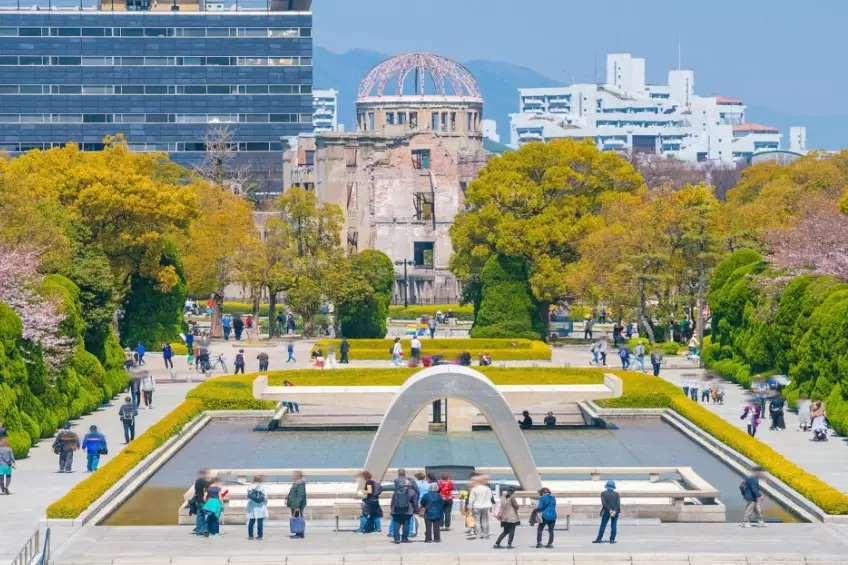
How to Visit: Practical Information for Travelers
So, you've decided to go. Good. It's a decision you won't regret, but one you should prepare for. Here's everything the official websites tell you, plus a few things they don't.
| Essential Information at a Glance | |
|---|---|
| Address | 1-2 Nakajima-cho, Naka Ward, Hiroshima 730-0811, Japan |
| Opening Hours | 8:30 AM to 6:00 PM (March to October) / 8:30 AM to 5:00 PM (November to February) |
| Last Admission | 1 hour before closing. |
| Closed | December 30 and 31, and occasionally for maintenance (check official website). |
| Admission Fee | Adults: ¥200 (about $1.80 USD) / High School Students and Younger: Free |
The fee is symbolic. It's less than a cup of coffee. The purpose is not to generate revenue but to manage the number of visitors and ensure the museum's preservation. You can pay in cash at the entrance or book online in advance (highly recommended during peak season).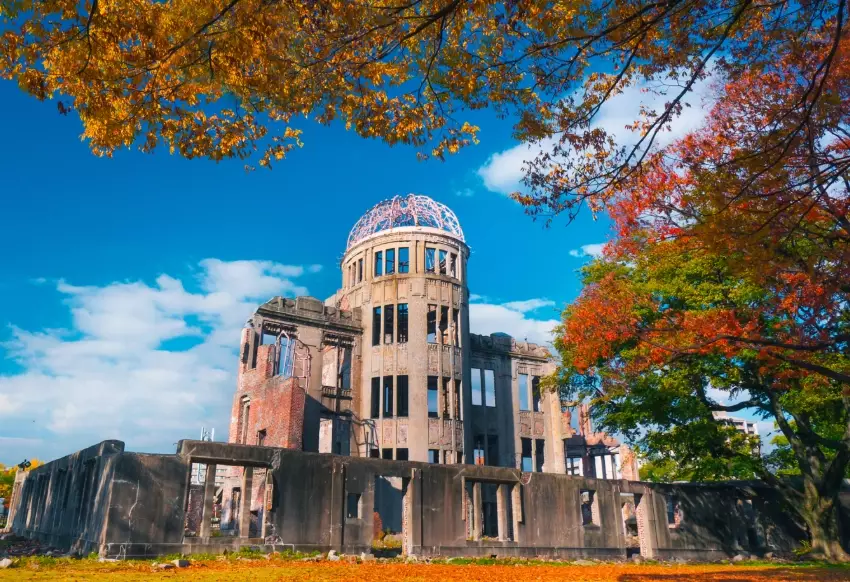
How to Get There: The Easiest Routes
This is one of the best-connected peace sites in the world. You have no excuse for getting lost.
From JR Hiroshima Station:
- Tram: Take the Hiroden tram (Meijo Line or Ujina Line) bound for "Hiroshima Port (Ujina)" or "Miyajimaguchi" and get off at "Genbaku Dome-mae" station. The museum is a 5-minute walk from the station. This is the most common and straightforward route.
- Bus: Several city bus lines (including the Hiroshima Bus "Peace Memorial Line") stop at "Heiwa Kinen Koen" (Peace Memorial Park) bus stop. It's a short walk from there.
- Bicycle: Hiroshima is a flat, bike-friendly city. You can rent a bicycle and ride along the Motoyasu River, which offers a pleasant and scenic route directly to the park. There are dedicated bicycle parking areas near the main entrances.
- Walking: If you're staying near the city center, it's a pleasant and flat 25–30 minute walk from the station. You'll pass through the bustling Hondori shopping arcade and along the river, which is a lovely way to approach.
From Hiroshima Airport:
Take the airport limousine bus to JR Hiroshima Station (about 45 minutes), then follow the tram directions above.
No matter which route you choose, you will end up at the same place: the entrance to a park that demands, and deserves, your full attention.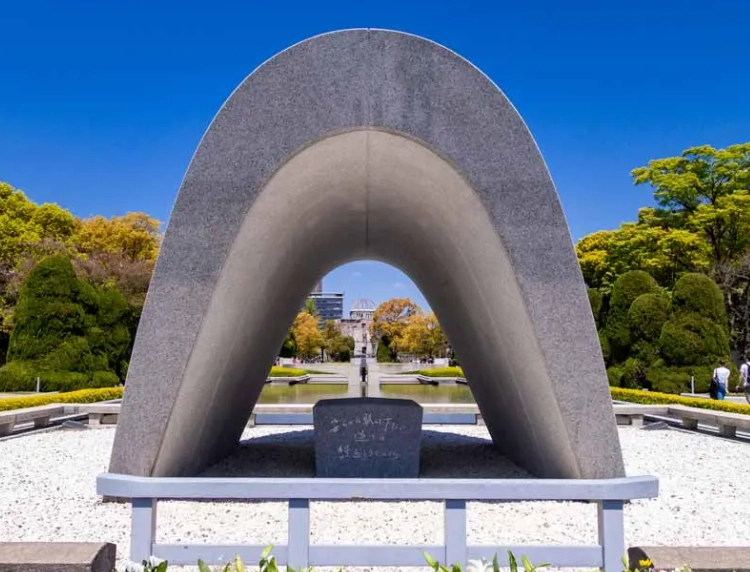
What to Do Beyond the Museum: Experiencing the Park
The museum is the centerpiece, but the Peace Memorial Park itself is a destination that requires time. Plan for at least half a day, if not a full day. Here's how I structure my visits now, after learning the hard way:
My Recommended Morning (The Museum Focus)
8:00 AM – Arrive. I cannot stress this enough. Be there before the opening. The queue to enter the museum can get long, especially during peak tourist seasons (spring, autumn, summer holidays). Getting there early guarantees you a calm, crowd-free first hour inside the East Building, which is crucial for absorbing the dense information.
9:30 AM – The West Building and Emotional Pacing
By this time, you will likely be exiting the East Building. Do not immediately enter the West Building. Take a break. Walk across to the fountain area, sit down, and just breathe. Look at the dome from this different angle. Process what you've just seen. This 15-minute pause is not a waste of time; it's a mental reset button that most people skip, to their detriment. The West Building is emotionally demanding. Going in already saturated is a mistake.
10:00 AM – The West Building Journey
Now you enter. Take it slow. Read the first-person accounts. Listen to the testimonies. If you feel overwhelmed, it is okay to step out. There are benches outside. Use them. The museum is designed as a journey, not a race. I made the mistake of trying to "read everything" on my first visit and left feeling emotionally drained and having retained very little. Now, I pick one or two survivor stories that resonate with me and really focus on them. The rest I allow myself to skim or simply experience visually. This makes the visit much more powerful and personal.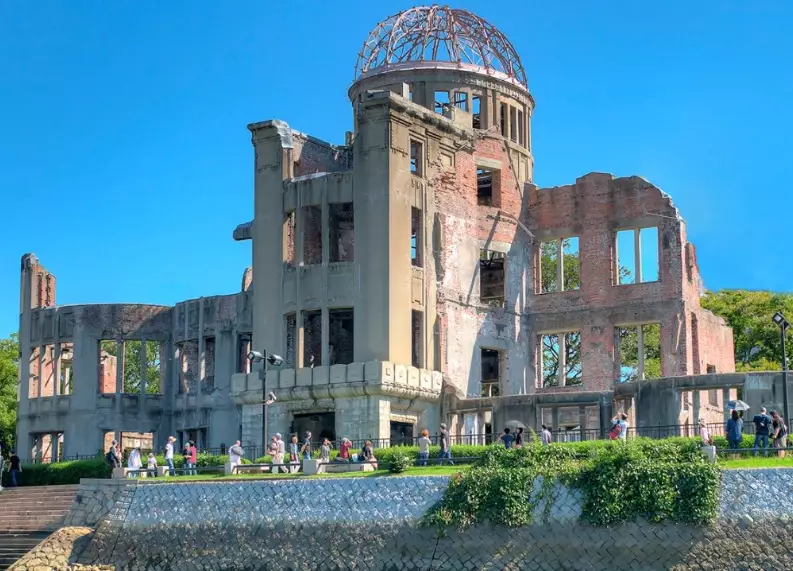
The Park and Its Monuments: A Self-Guided Walking Tour
After the museum, the park is your sanctuary. Don't just walk from point A to point B. Follow this suggested route to allow the narrative to unfold naturally:
- Start at the Cenotaph for the A-Bomb Victims: This is the central memorial, an arch that frames the Atomic Bomb Dome in the distance. Take a moment here. Read the inscription. It sets the tone.
- Walk to the Children's Peace Monument: This is a statue dedicated to the child victims, often surrounded by paper cranes donated by visitors. It's a place of quiet reflection, often less crowded than the cenotaph.
- Continue to the Flame of Peace: This eternal flame burns in memory of all victims and symbolizes the commitment to a world free of nuclear weapons. It's a powerful visual.
- Cross the Motoyasu River Bridge: This is the iconic view you see in most photographs. Stop here. Look back at the dome framed by the park. This is the postcard view, but also a good point to assess how far you've come.
- Walk back through the park on the opposite side: You'll pass the various memorials dedicated to specific groups, like the Korean victims, the mobilized students, and others. Each tells a part of the larger story.
- End at the Rest House or a riverside bench: Find a quiet spot to sit and simply be. The park is designed for contemplation. Use it.
This walking tour takes about 90 minutes at a leisurely pace, but can easily fill half a day if you allow yourself to stop, read, and reflect.
A Note on Respectful Behavior: A Common Mistake
This is perhaps the most important section I can write. I have seen it happen too many times. The Hiroshima Peace Memorial is not a theme park. It is a cemetery, a place of mourning, and an active site of pilgrimage for survivors and their families.
Here are some subtle but crucial mistakes visitors make:
- Loud conversations and laughter: While natural in other settings, here it feels jarring and disrespectful. Keep your voice low. This should be obvious, but it often isn't.
- Posing for "triumphant" or overly cheerful photos in front of the dome: This is the big one. The dome is a ruin. A skeleton. Posing with a big smile or a victory sign in front of it can be deeply offensive. Think of how you would behave at the site of a sunken ship or a collapsed building. The same respect applies here.
- Treating the museum like a checklist: Rushing through to "see everything" misses the point entirely. The museum is an experience, not a collection of artifacts. If you find yourself checking your watch, you are going too fast. Slow down. Read one story fully. Let it sink in. That is worth more than skimming every panel.
- Ignoring the weather: Hiroshima can be hot and humid in summer, or cold and wet in winter. The park is largely exposed. Dress appropriately, wear comfortable shoes, and carry water. This is a place where physical discomfort can pull you out of the emotional experience. Don't let it.
I am not saying you must be somber and silent for the entire visit. But there is a difference between quiet conversation and boisterous laughter. Be aware of the space you are in and the people around you. Many are there on a personal, perhaps once-in-a-lifetime, pilgrimage.
A personal tip from someone who has been there multiple times: The light in the late afternoon, particularly in autumn, is incredibly beautiful on the dome. If you are a photographer, plan to be in the park around 3:30 PM to 4:00 PM. The way the low sun hits the structure and the surrounding trees is worth the timing of your visit alone.

Share Your Thoughts