You're thinking about a trip to Japan, and beyond the neon lights of Tokyo and the temples of Kyoto, you want something deeper. You want to get your hands dirty, to understand a craft that's been perfected over centuries. A Japanese pottery village tour is the perfect answer. But with dozens of famous kiln towns scattered across the country, how do you choose the right one? This isn't just about seeing pottery; it's about finding the village whose character, history, and hands-on opportunities match your travel style.
Your Quick Tour Map
What Makes a Pottery Village Tour Great?
Forget the bus-loaded tourist traps. A great tour lets you engage. It's the difference between looking at plates behind glass and feeling the cool, wet clay spin under your palms in a 200-year-old workshop. The best villages offer a mix of these elements:
- Authentic Workshops: Not just demonstrations, but real chances to try wheel-throwing or hand-building, often with English-speaking guidance.
- Living History: Streets lined with traditional kilns (noborigama), merchant houses turned into museums, and the constant hum of craftsmanship.
- Direct Access: The ability to meet potters, ask questions, and buy pieces directly from the studio, often at prices far below city galleries.
- Scenic & Cultural Context: Many villages are nestled in beautiful countryside, offering great food, local festivals, and a slower pace of life.
A quick tip most guides miss: The "best" village isn't a universal truth. Arita is for porcelain perfectionists, Bizen for rustic, unglazed lovers, and Mashiko for a relaxed, creative vibe. Your personal taste is the deciding factor.
Top 3 Pottery Villages to Visit in Japan
Based on accessibility, depth of experience, and unique character, these three consistently deliver unforgettable tours.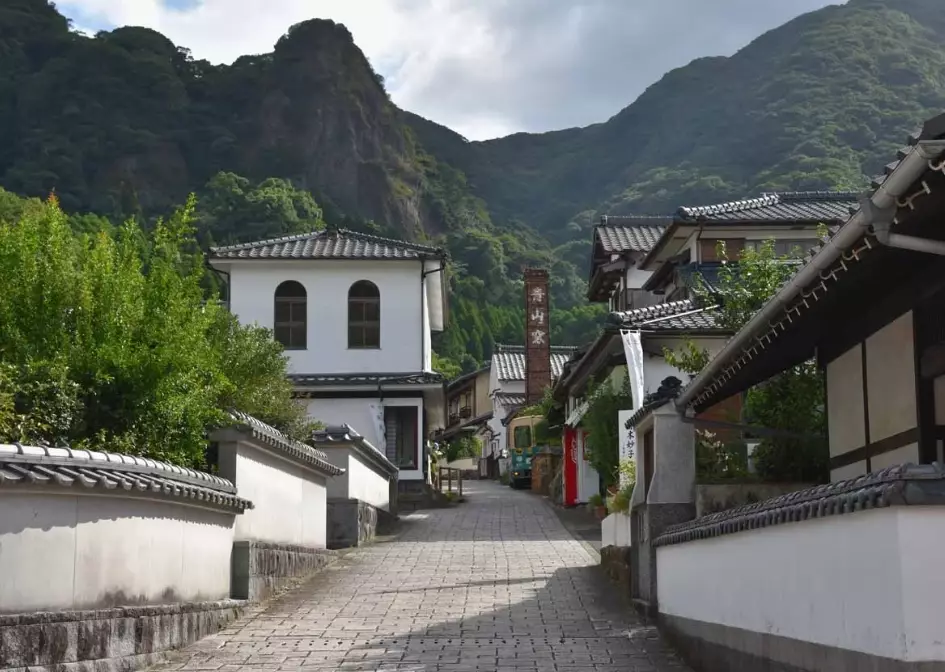
1. Arita & Imari (Saga Prefecture) – The Birthplace of Japanese Porcelain
This is where it all started in the early 1600s. Arita porcelain, with its delicate blue-and-white designs and later vibrant overglaze enamels, put Japan on the global map. A tour here feels more refined and historical.
Getting There: Fly into Fukuoka (FUK). From Hakata Station, take the JR Kamome limited express train to Arita Station (about 1 hour 40 minutes). The main pottery district is a 15-minute walk from the station.
Can't-Miss Spots: The Arita Porcelain Park is a bit theme-park-like but has a stunning reproduction of the Zwinger Palace. For the real deal, walk the Porcelain Walk (Tozan Shrine area) where old kiln sites and samurai merchant homes cluster. The Kyushu Ceramic Museum (admission ~300 yen) is essential for context.
Hands-On Experience: Several studios offer painting on pre-made bisque ware, which is great for families. For real wheel-throwing, book ahead at places like Gen-emon Kiln (they have English support). A 90-minute session costs around 4,000-5,000 yen.
My take: Arita is incredibly significant, but it can feel a bit "corporate" compared to others. The real magic is in the smaller galleries and finding a modern potter who interprets traditional Arita-yaki in a new way.
2. Mashiko (Tochigi Prefecture) – The Folk Pottery Powerhouse
If Arita is aristocratic, Mashiko is democratic. Revolutionized by the folk art (mingei) movement and the legendary potter Shoji Hamada, Mashiko ware is sturdy, utilitarian, and deeply connected to daily life. The vibe here is wonderfully accessible and creative.
Getting There: From Tokyo, take the Tohoku Shinkansen to Utsunomiya (about 50 mins), then transfer to the JR Utsunomiya Line to Mashiko Station (another 40 mins). From the station, rent a bicycle – it's the best way to explore the spread-out studios.
Can't-Miss Spots: The Mashiko Sankokan Museum (Hamada's former home and workshop) is a pilgrimage site. The main pottery street near the Mashiko Ceramic Art Museum is packed with galleries. Don't miss the twice-yearly Mashiko Pottery Fair (Spring & Fall), where hundreds of potters sell directly – it's overwhelming in the best way.
Hands-On Experience: Options abound. Tsukamoto Masahiro Kiln is very foreigner-friendly. A 2-hour wheel-throwing lesson runs about 3,500 yen, including clay and firing of one piece (shipping extra).
3. Bizen (Okayama Prefecture) – Earth & Fire Untamed
Bizen-yaki is the ultimate "no glaze" pottery. Pieces are fired for 10-14 days in massive pine-fuelled kilns, with ash naturally creating unpredictable reddish-brown patterns. No two pieces are alike. The atmosphere in Inbe (the Bizen pottery district) is serene and profoundly traditional.
Getting There: Take the JR Sanyo Shinkansen to Okayama Station. Transfer to the JR Ako Line to Imbe Station (about 30 mins). The pottery street starts right outside the station.
Can't-Miss Spots: The Bizen Pottery Traditional and Contemporary Art Museum is excellent. Simply wandering the backstreets to see the towering climbing kilns is an experience. Visit a working kiln like Bizen-yaki Kaneshige Togei Center to see the process.
Hands-On Experience: True Bizen firing is impossible for tourists, but you can try hand-building. The Bizen Pottery Center offers short courses (reservation recommended). Expect to pay around 2,500 yen for a simple piece.
How to Plan Your Perfect Pottery Tour
Here’s the practical stuff that turns an idea into an itinerary.
| Planning Step | Key Actions & Tips |
|---|---|
| 1. Choose Your Village | Match the style to your taste (refined porcelain, rustic folk, or austere unglazed). Consider travel time from your base (Tokyo vs. Osaka/Kyoto). |
| 2. Book Workshops EARLY | This is the most common mistake. Popular studios book out weeks in advance, especially for English sessions. Email them directly; even basic English is usually fine. |
| 3. Logistics & Shipping | Factor in 1-2 months for pieces to be fired, glazed, and shipped internationally. Get a clear cost quote upfront. Alternatively, plan to carry fragile bisque ware home in your luggage (risky). |
| 4. Budget Realistically | Workshop (3,000-6,000 yen) + Shipping (3,000-8,000 yen) + Shopping (endless!). Give yourself a pottery shopping budget – it's hard to resist. |
| 5. Build a Flexible Day | Don't over-schedule. A workshop takes half a day. Spend the rest wandering, visiting museums, and popping into unexpected galleries. |
A Sample 3-Day Itinerary: Immersion in Arita
Let's make it concrete. Here’s how a dedicated trip to the Arita/Imari area might look.
Day 1: Arrival & Historical Grounding
Arrive at Arita Station in the afternoon. Check into a local ryokan like Arita Hotel Hanako (has pottery-themed rooms). Spend the late afternoon walking the quiet Porcelain Walk, visiting the Tozan Shrine guarded by porcelain komainu dogs. Dinner at a local restaurant serving hasami (porcelain) donburi.
Day 2: Deep Dive & Making
Morning visit to the Kyushu Ceramic Museum. After lunch, your pre-booked 2-hour wheel-throwing workshop at a local kiln. Late afternoon, take the local train one stop to Imari to see the massive Okawachiayama kiln ruins and browse the Imari History Museum.
Day 3: Exploration & Departure
Morning dedicated to serious shopping along Arita's main streets. Visit the showrooms of famous kilns like Imaemon and Kakiemon. After lunch, perhaps a short trip to the nearby Micchan Glass factory for a contrast, then head back to Arita Station for your journey onward.
Your Pottery Tour Questions Answered
 Is it worth visiting multiple pottery villages, or will they all feel the same?



Share Your Thoughts