Let's talk about working in Japan. It's a dream for many, but the path often starts with a confusing stack of paperwork and a maze of visa categories. You're not looking for a tourist experience; you want to build a career there. The first, and arguably biggest, hurdle is figuring out which Japan work visa you even qualify for. The official names from the Immigration Services Agency of Japan sound dry and bureaucratic. But behind each one is a doorway to a different professional life in Japan.
I've helped dozens of professionals make this move. The most common mistake I see? People try to force their background into the most famous visa category without checking if there's a better fit. This guide will cut through the jargon. We'll look at the real-world requirements, the unspoken rules of the application, and how to avoid the delays that catch so many first-timers off guard.
Your Visa Roadmap: Navigate This Guide
What Are the Main Japan Work Visa Types?
Japan doesn't have a single "work visa." Instead, it has a list of Statuses of Residence, each tied to a specific professional activity. Your job offer dictates which one you apply for. Here’s the core list you need to know.
| Official Status Name | What Everyone Calls It | Who It's For | Key Requirement | Max Stay (Initial) | Path to PR? |
|---|---|---|---|---|---|
| Engineer / Specialist in Humanities / International Services | The Engineer/Humanities Visa | IT engineers, designers, translators, marketing, consultants, etc. | Bachelor's degree OR 10+ years of relevant experience. | 5 years, 3 years, or 1 year. | Yes, standard path. |
| Intra-company Transferee | Company Transfer Visa | Employees transferred to a Japanese branch/office. | Must have worked for the overseas company for 1+ year. | 5 years, 3 years, or 1 year. | |
| Skilled Labor | Skilled Labor Visa | Chefs (e.g., French, Italian), architects, sports trainers, sommeliers. | 10+ years of experience OR special expertise in the field. | 5 years, 3 years, or 1 year. | |
| Instructor | Teacher Visa (for schools) | Primary/secondary school teachers at int'l or public schools. | Teaching credentials/qualifications relevant to the subject. | ||
| Highly Skilled Professional (HSP) | Points-Based Visa | High earners, researchers, executives with advanced degrees. | Score 70+ points on the HSP points table. | 5 years (unlimited for 80+ points after 1 year). | Fast-track: PR in 1-3 years. |
The Engineer/Specialist in Humanities/International Services visa is the workhorse. It covers a huge range of white-collar jobs. The "Specialist in Humanities" part confuses people—it essentially means jobs that use cultural or social knowledge, like business planning, PR, or market research. If you're in an office job that isn't manual labor, this is likely your category.
Now, the Intra-company Transferee status is often smoother if you qualify. The scrutiny is slightly different because you're moving within an established corporate structure. The Japanese office needs to show it's a legitimate transfer, not a way to hire someone they couldn't under the Engineer visa rules.
Don't overlook the Skilled Labor visa. I knew a master carpenter from Canada who restored traditional Japanese houses. He got in under this visa. It's niche but powerful for tradespeople with serious, documented expertise.
The Special Case: The Highly Skilled Professional Visa
This is Japan's attempt to attract top talent. You earn points for your salary, age, academic background (a PhD from a top university scores big), work experience, and Japanese language ability (JLPT N1 is a major boost).
The perks are significant: priority processing, permission for your parents or a domestic helper to come with you, and that coveted fast-track to Permanent Residency. The catch? The points calculation is strict. You can't fudge your salary or years of experience. I recommend using the official Ministry of Foreign Affairs points calculator yourself before your employer gets too far into the process.
How to Choose the Right Japan Work Visa for You?
Think of it as a matching game between your profile and the job offer. The visa type is not your choice—it's determined by the nature of the work you'll be doing in Japan.
Here's a simple flow:
Are you being transferred from an overseas office to its Japanese branch? If YES, it's likely Intra-company Transferee.
Is the job at a primary or secondary school? If YES, it's likely Instructor.
Is the job a specialized trade/skill (chef, pilot, sports coach)? If YES, it's likely Skilled Labor.
For almost all other professional, office-based jobs? It's the Engineer/Specialist in Humanities visa.
Do you have a high salary, advanced degree, and can score 70+ points? Then push for the Highly Skilled Professional status.
Your future employer's legal team or hiring agency will usually determine the correct status. Your job is to understand it so you can provide the right documents. A web developer with a Computer Science degree going to a tech startup? That's an Engineer visa. A business analyst with an Economics degree going to a finance firm? That's a Specialist in Humanities visa. The line is blurry, but the document requirements are nearly identical.
A crucial nuance: The "10 years of experience" alternative to a degree for the Engineer/Skilled Labor visas is harder to prove than you think. Immigration wants a detailed career history, often with letters from past employers, tax records, or portfolios. For skilled trades, competition certificates or licenses are gold. A chef without formal culinary school but with a decade of proven kitchen leadership in respected restaurants has a shot. A self-taught programmer without a degree and without a long, verifiable employment history will have a much tougher time.
Step-by-Step Guide to Applying for a Japan Work Visa
The process is a two-part dance between your employer in Japan and you overseas. You cannot apply by yourself; a sponsor in Japan must initiate it.
Phase 1: Your Employer's Job (In Japan)
They prepare the Certificate of Eligibility (COE) application. This is the most important document. It includes:
- Company registration documents.
- Financial statements (to prove they can pay you).
- A detailed business plan or description of your role.
- Your employment contract.
- Your resume and academic credentials (which you provide).
They submit this packet to the Regional Immigration Services Bureau in Japan. Processing takes 1 to 3 months. Not weeks—months. Plan your move timeline around this.
Phase 2: Your Job (Outside Japan)
Once the COE is approved, your employer sends you the original paper certificate. Now you go to your nearest Japanese embassy or consulate with:
- The original COE.
- A valid passport.
- A completed visa application form (with a photo).
- Sometimes, they ask for the employment contract again.
This visa stamping process is usually faster, about 5-7 working days. You then enter Japan with the visa, and your employer helps you convert it into a Residence Card at the municipal office.
The entire process, from job offer to landing, can easily take 4-6 months. I see people quit their current jobs too early, assuming it'll be fast. It rarely is.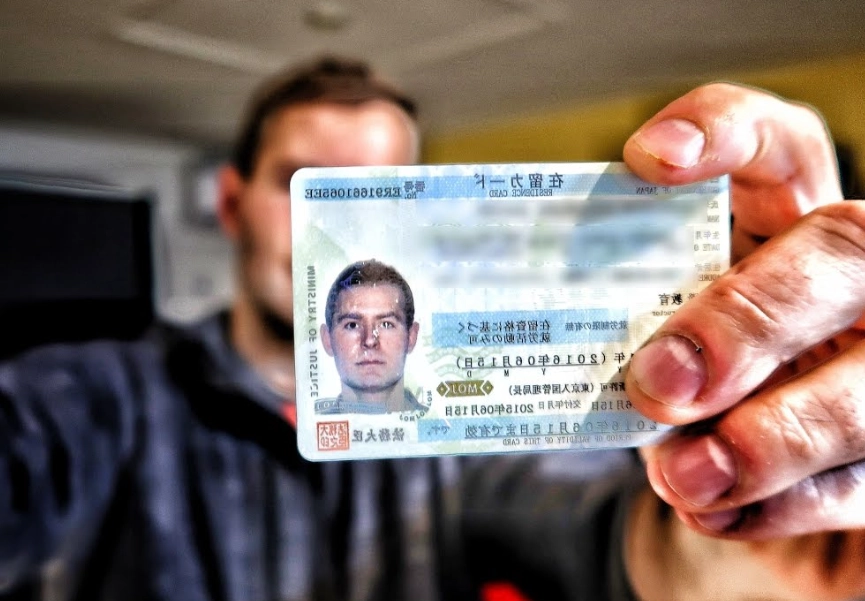
Common Mistakes (And How to Avoid Them)
Based on what I've seen go wrong, here’s where you should focus your attention.
Mistake 1: Underestimating the COE processing time. Your employer says "we'll get the visa in a month." Maybe, but probably not. Build a buffer. Don't give notice at your old job until the COE is physically in your hands.
Mistake 2: Incomplete or sloppy translation of documents. Degrees, diplomas, marriage certificates—they all need certified translations. Don't use a free online tool. Use a professional translator. A poorly translated document can trigger a request for clarification, adding weeks of delay.
Mistake 3: Mismatch between job description and visa type. If your contract says "Software Engineer" but the company applies under "Specialist in Humanities" because they think it's easier, it can raise red flags. The job title and duties must logically align with the visa category.
Mistake 4: Assuming a high salary guarantees a visa. It helps, but it's not everything. The company's stability, your qualifications, and the role's necessity are all weighed. A tiny startup offering a huge salary to a junior candidate will get more scrutiny than an established firm offering a market-rate salary to an experienced professional.
Real Stories: How People Got Their Visas
Case Study: Maria, IT Project Manager (Engineer Visa)
Maria, from Brazil, had a Bachelor's in Systems Analysis and 8 years of experience. A Tokyo tech firm offered her a role. The company's lawyers applied for the Engineer visa. The snag? Her university transcript was in Portuguese. The initial translation was done in-house and was messy. Immigration asked for a certified translation. This caused a 4-week delay. Lesson: Get official, certified translations from day one.
Case Study: David, Regional Sales Manager (Intra-company Transferee)
David worked for a US medical device company for 5 years. They opened a Tokyo office and needed him to lead it. The Intra-company Transferee process was relatively smooth. The biggest hurdle was proving the Japanese entity was properly capitalized and had a real office space (not just a virtual address). They had to submit the office lease. The COE took about 7 weeks.
What's Changing? A Look at Future Trends
Japan's immigration policy is slowly modernizing under pressure from a shrinking workforce. The Specified Skilled Worker (SSW) visas, introduced a few years ago, are for sectors with severe labor shortages like nursing care, agriculture, and food service. These are separate from the work visas discussed above and have different rules (often requiring language and skill exams).
The digitalization push is real. Some Immigration Bureaus are moving towards online applications for the COE. The process is becoming more structured, if not necessarily faster. Keeping an eye on the official Immigration Services Agency website for the latest forms and procedures is always a good idea.




Share Your Thoughts