Your Hanami Journey
- What is Hanami, Really? More Than Just a Picnic
- Cracking the Code: When and Where to Go for Hanami
- The Hanami How-To: From Tarp to Tradition
- Beyond the Picnic: Other Ways to Experience Sakura
- Answering Your Hanami Cherry Blossom Viewing Questions
- Making It Happen: Your Hanami Trip Planning Checklist
Let's be honest. When you first hear about Hanami cherry blossom viewing, you probably picture a serene, postcard-perfect scene: delicate pink petals floating on a gentle breeze, a quiet picnic under a flowering tree. That's the dream, right? I thought so too, until my first real Hanami experience in Kyoto's Maruyama Park. Let's just say it involved more elbow-to-elbow crowds and searching for a patch of ground than tranquil contemplation. But you know what? It was still utterly magical, and I wouldn't change a thing. That chaotic, joyful, shared experience is Hanami.
The thing is, to truly enjoy it and not just feel like a tourist caught in a pink-themed rush hour, you need a bit of inside knowledge. That's where this guide comes in. Forget the fluffy, generic lists. We're going deep on what makes a Hanami cherry blossom viewing trip unforgettable, how to actually plan it, and how to navigate the realities (good and bad) of this iconic Japanese tradition. Whether you're a meticulous planner or a last-minute wanderer, there's something here for you.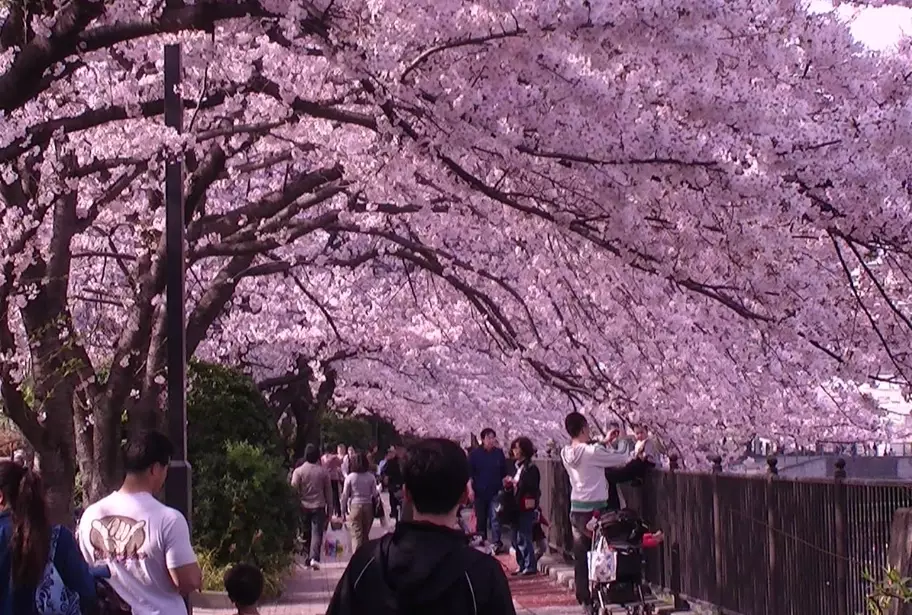
What is Hanami, Really? More Than Just a Picnic
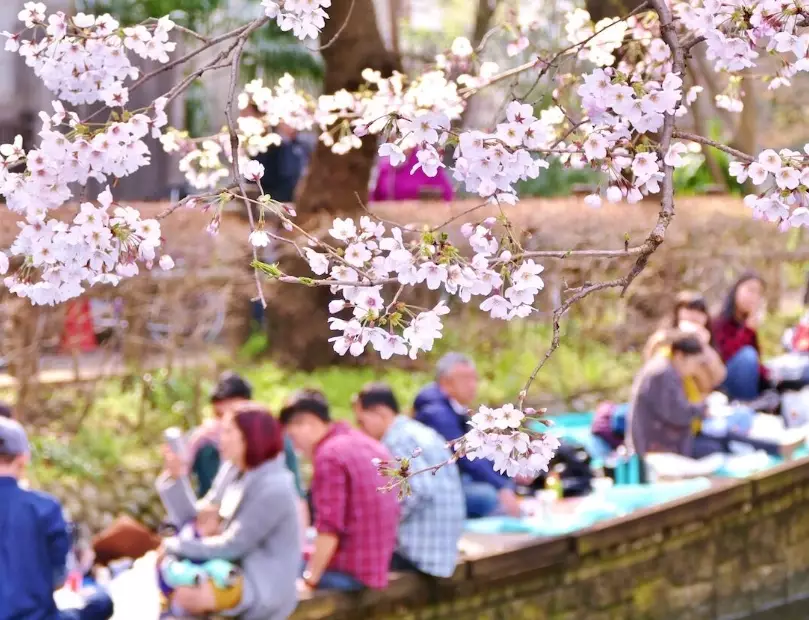
So, what's the big deal? Hanami (花見) literally means "flower viewing," and for over a thousand years, it's been Japan's national pastime each spring. But it's not just about looking at pretty trees. Historically, it was an aristocratic ritual tied to predicting the year's harvest and celebrating new beginnings. The samurai class later adopted it, finding metaphors for life's fleeting beauty in the short-lived sakura blooms. Today, Hanami cherry blossom viewing is a democratic, deeply social event. It's about friends, family, and coworkers gathering—often on blue plastic tarps—to eat, drink, sing, and simply be together under a canopy of pink.
The vibe can vary dramatically. A daytime Hanami with kids might involve bento boxes and casual strolls. An evening Hanami, or "yozakura," is a different beast entirely—lanterns light up the blossoms, creating an almost ethereal atmosphere, and the gatherings tend to be more lively. Then there's the salaryman Hanami, where entire departments from companies stake out territory. Those can get particularly festive.
The underlying thread is appreciation. Acknowledging the stunning, transient beauty right in front of you, and sharing that moment with others. That's the core of the Hanami cherry blossom viewing tradition.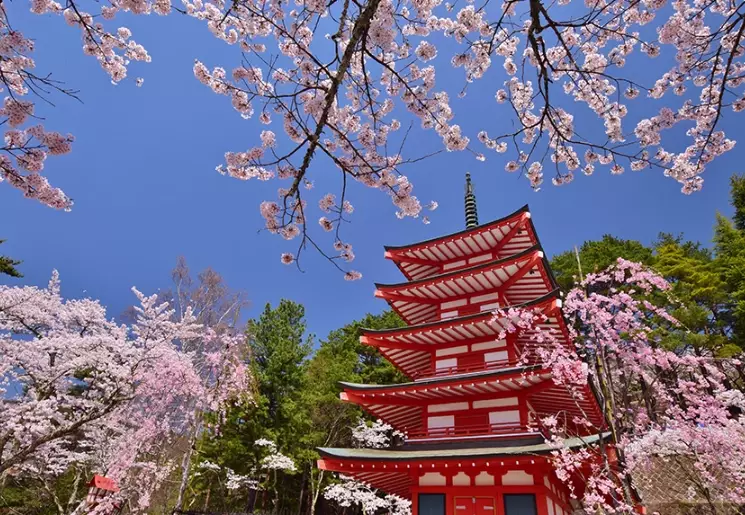
Cracking the Code: When and Where to Go for Hanami
This is the million-dollar question. Get the timing wrong, and you might see bare branches or green leaves. The bloom sweeps northward in a wave called the "sakura zensen" (cherry blossom front). Predicting it is a national obsession.
The All-Important Sakura Forecast
Don't guess. Japan's meteorological agencies take this very seriously. The most reliable forecasts are released in early January and get more precise as spring approaches. I religiously check the Japan Meteorological Agency for their official blossom forecast. For a more user-friendly and detailed breakdown, the Japan Guide Sakura Forecast is my go-to resource. It aggregates data and provides clear maps.
Here’s the rough timeline, but always check the current year's forecast:
- Late March: Kyushu (Fukuoka), Shikoku (Kochi). The season kicks off here.
- Late March to Early April: The golden window for most major cities: Kyoto, Osaka, Tokyo, Yokohama. This is peak travel time for a reason.
- Mid to Late April: Tohoku region (Sendai, Hirosaki).
- Early May: Hokkaido (Sapporo). Yes, you can see sakura in May!
Remember, "full bloom" (mankai) usually lasts only about a week before the petals start to fall in a beautiful storm known as "sakura fubuki" (cherry blossom blizzard). A week before full bloom is often a fantastic, slightly less crowded time to visit.
The forecast is your best friend. Bookmark it.
Top Hanami Cherry Blossom Viewing Spots (And How to Choose Yours)
Every guide lists the famous spots. I will too, but with some real talk about what to expect. Choosing your Hanami location is about matching the vibe you want.
| City/Region | Top Spot(s) | The Vibe & What to Know | Crowd Level |
|---|---|---|---|
| Tokyo | Ueno Park, Shinjuku Gyoen, Chidorigafuchi Moat | Ueno is the iconic, massive party. Shinjuku Gyoen is more spacious, charges an entry fee, and bans alcohol—quieter and family-friendly. Chidorigafuchi is best for boat rides under the blossoms. | Extremely High / Moderate / High |
| Kyoto | Philosopher's Path, Maruyama Park, Arashiyama | The Philosopher's Path is a picturesque canal-side stroll. Maruyama Park is the central gathering place with a giant weeping cherry. Arashiyama offers a more scenic, mountainous backdrop. | High / Very High / High |
| Osaka | Osaka Castle Park, Kema Sakuranomiya Park | Osaka Castle provides a stunning historical frame for the blossoms. Kema Sakuranomiya is a long riverside park—great for walking and finding your own spot. | Very High / Moderate-High |
| Off-the-Beaten-Path | Yoshino (Nara), Hirosaki Castle (Aomori), Kakunodate (Akita) | These are destinations in their own right. Yoshino has thousands of trees on mountainsides. Hirosaki is arguably Japan's best castle sakura spot. Expect travel time but incredible, less-rushed views. | Moderate (but concentrated) |
My personal, slightly contrarian take? Don't overlook your local neighborhood park. Some of my most pleasant Hanami cherry blossom viewing moments have been in small, unnamed parks where a few families were gathered. No famous castle view, but plenty of authenticity and zero stress.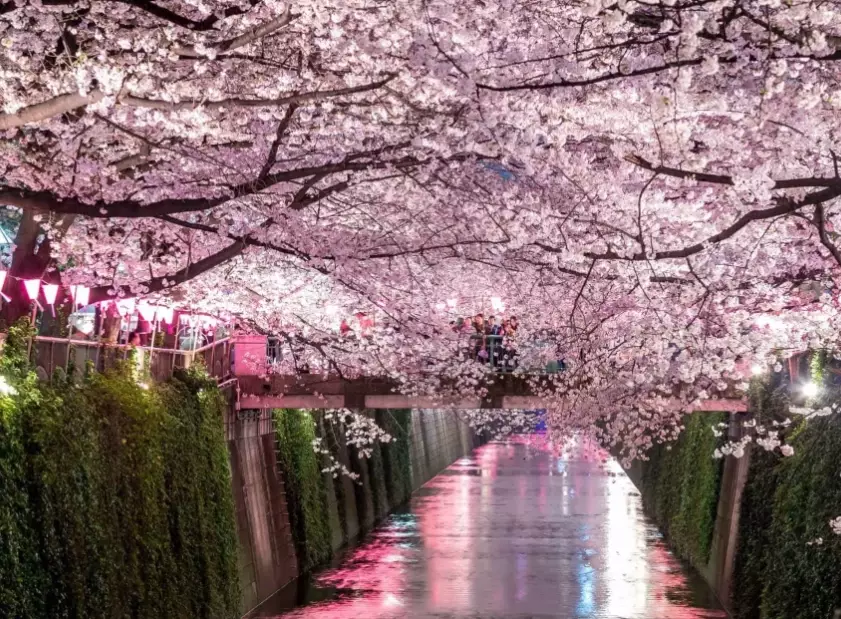
The Hanami How-To: From Tarp to Tradition
Okay, you've picked a spot and a date. Now what? Here's the practical stuff that makes the difference between fumbling around and feeling like a pro.
What to Bring to Your Hanami Cherry Blossom Viewing Party
Packing for Hanami is an art. The goal is comfort and enjoyment.
- The Ground Sheet: This is non-negotiable. A large blue plastic tarp (you'll see them everywhere in stores before spring) is the standard. It defines your territory. Bring something waterproof—the ground can be damp.
- Food & Drink: This is the centerpiece. You can go all out with elaborate homemade bento (think sushi rolls, fried chicken, tamagoyaki) or pick up exquisite hanami bento from department store basements (depachika). Convenience store fare is also completely acceptable. For drinks, beer and sake are traditional for adults. Bring plenty of water and non-alcoholic options too.
- Warm Layers & Comfort: Japanese spring is deceptive. Days can be warm, but once the sun dips, it gets chilly fast. A jacket, hat, and even a light blanket are lifesavers. Also, consider a small cushion to sit on—sitting on the ground for hours gets uncomfortable.
- Trash Bags: This is critical. Public bins are often removed during Hanami to prevent overflow. You are expected to take all your trash home with you. Bring multiple bags for sorting (burnable, bottles, cans).
Unspoken Rules: Hanami Etiquette You Should Know
To be a good guest, follow these guidelines. The Japan National Tourism Organization's guide is a great official reference.
Respect the Space: Don't spread your tarp absurdly large. Don't block pathways. If you're in a popular park, it's common practice for someone from your group to arrive early to secure a spot (this is called "basho-tori").
Respect the Trees: Do not shake the branches to make petals fall. Do not climb the trees. Do not pick the blossoms. It seems obvious, but you'd be surprised.
Keep the Noise (Reasonably) Down: It's a party, but be mindful of groups nearby. Blasting music from a speaker is generally frowned upon.
The Clean-Up: I can't stress this enough. Leave the spot cleaner than you found it. This is the most important rule of Hanami cherry blossom viewing. Nothing ruins the beauty faster than litter.
Beyond the Picnic: Other Ways to Experience Sakura
Hanami isn't the only game in town. If the picnic scene isn't for you, or you want to diversify your experience, try these.
Yozakura (Night Viewing): Many major spots are illuminated after dark. The blossoms look surreal and breathtaking under the lights. The atmosphere is often more romantic and slightly less rowdy than daytime. Check if your chosen location has special illumination events.
Sakura-Themed Foods & Drinks: Every convenience store, cafe, and restaurant rolls out limited-edition sakura products. Try sakura mochi (pink rice cake with a sweet bean filling wrapped in a pickled cherry leaf), sakura-flavored lattes, or even sakura beer. The leaf is edible and has a unique salty-sweet flavor.
Cherry Blossom Festivals (Matsuri): Many parks host festivals with food stalls (yatai) selling takoyaki, yakisoba, and candied fruit. There might be traditional music or dance performances. It's a more bustling, festive way to enjoy the blossoms.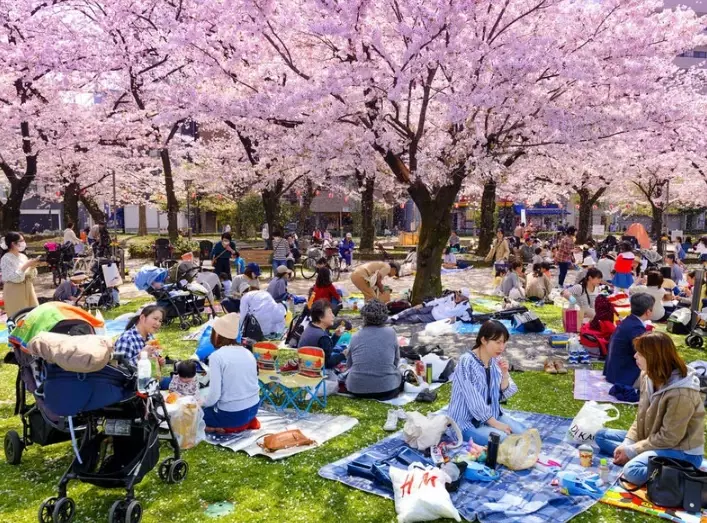
Just Take a Walk: Sometimes the best Hanami cherry blossom viewing is the impromptu kind. Stroll along a river lined with trees, or through a temple precinct. No tarp, no planning, just you and the flowers.
Answering Your Hanami Cherry Blossom Viewing Questions
The goal is to experience it, not just photograph it. Put the phone down for a bit.
Making It Happen: Your Hanami Trip Planning Checklist
- Set Your Dates (Flexibly): Use the JMA or Japan Guide forecast. Target the predicted full bloom week, but be prepared to shift a day or two based on updates. Bookmark the forecast page.
- Book Everything Early: I mean it. Flights and hotels in major cities for late March/early April sell out months in advance and prices skyrocket. This is peak travel season in Japan.
- Pick Your Primary Spot: Decide on the vibe you want (big party, scenic stroll, historical setting) and choose 1-2 main locations. Have a backup spot in mind.
- Plan Your Hanami Supplies: Will you buy a tarp and food there, or bring a picnic from your accommodation? Plan your meal. Don't forget trash bags and warm clothes.
- Build a Loose Daily Itinerary: Mix your Hanami cherry blossom viewing with other sightseeing. Maybe a morning at a temple, an afternoon Hanami, and evening yozakura elsewhere.
- Pack for Spring Weather: Layers, layers, layers. A compact umbrella is always a good idea.
- Adopt the Right Mindset: Embrace the crowds as part of the experience. Be patient, be respectful, and go with the flow.
At the end of the day, Hanami is a celebration. It's a bit chaotic, often crowded, but overwhelmingly beautiful and joyful. It's a chance to participate in a living tradition that connects modern Japan to its past. Whether you find your perfect moment in the heart of Ueno's frenzy or on a quiet riverbank somewhere in the countryside, the sight of those blossoms will stay with you.
So do your research, pack that blue tarp and some tasty treats, and get ready to look up. You're in for something special.


Share Your Thoughts