You don't need to travel for days to find incredible hiking in Japan. Some of the country's most accessible and rewarding trails are right on Tokyo's doorstep. I've spent years exploring these mountains, and the convenience still amazes me—you can be on a serene forest path just 90 minutes after leaving Shinjuku Station.
This guide cuts through the generic lists. I'll share the trails worth your time, the exact logistics that trip up first-timers, and the quiet spots most weekend crowds miss. Whether you want a cable-car-assisted cultural stroll or a full-day ridge walk with panoramic views, you'll find a hike here that fits.
What You'll Find in This Guide
Top 4 Hiking Trails Near Tokyo for All Levels
Picking a trail depends on your fitness, time, and what you want to see. Here’s a breakdown of my top recommendations, from the easiest cultural hike to a more serious full-day adventure.
| Trail Name | Difficulty & Time | Key Highlights & Address | Transport from Tokyo |
|---|---|---|---|
| Mount Takao (Takaosan) | Easy to Moderate. 2.5-4 hours round trip. | Multiple trails (1 to 6), Yakuoin Temple, monkey park, beer garden at the top. Address: Takaomachi, Hachioji, Tokyo. | Keio Line from Shinjuku to Takaosanguchi Station (约50 mins). The trailhead is a 5-min walk. |
| Mount Mitake (Mitakesan) | Moderate. 3-5 hours with exploration. | Sacred mountain vibe, Musashi-Mitake Shrine, rock garden (Rock Garden), village atmosphere. Address: Mitake, Ome, Tokyo. | JR Chuo Line to Ome Station, transfer to JR Ome Line to Mitake Station (约90 mins). Then a bus to the cable car. |
| Okutama Lake & Mount Kawanori | Moderate to Challenging. 5-7 hours. | Stunning lake views, suspension bridge (Kawanori-bashi), rugged ridge lines. Address: Okutama, Nishitama District, Tokyo. | JR Chuo Line to Ome Station, transfer to JR Ome Line to Okutama Station (约2 hours). |
| Mount Tsukuba | Easy to Moderate. 3-4 hours. | Famous twin peaks, panoramic Kanto plain views, cable car or ropeway option. Address: Tsukuba, Ibaraki Prefecture. | TX Express from Akihabara to Tsukuba Station (45 mins), then bus to the trailhead/cable car (30 mins). |
Why Mount Takao is the Perfect First Hike
Everyone recommends Takao for a reason. It's efficient. Trail #1 is a wide, paved path that feels more like a steep walk. You can take a cable car or chairlift up half the mountain if you want. The summit has vending machines, a temple, and on a clear day, views of Mount Fuji.
But here's my take: it gets packed on weekends and holidays. The main trail feels like a conveyor belt. My advice? Go on a weekday. Or, take Trail #6 (the Biwa Waterfall Trail) on a weekend. It's slightly more rugged, 95% quieter, and far more atmospheric. You'll hear the water instead of chatter.
The Hidden Gem Vibe of Mount Mitake
Mitake feels like a different world. You ride a tiny cable car up to a small village perched on the mountainside. The main path to the shrine is lined with traditional inns (ryokan) and shops. It's less about the cardio burn and more about the atmosphere. Don't miss the 20-minute walk down to the Rock Garden (Mitake Shosenkyo)—a beautiful, mossy river gorge with tiny trails and mini-shrines tucked between boulders.
The logistics are trickier than Takao. Check the bus schedule from Mitake Station to the cable car. The last bus back can be early, especially on weekdays. Missing it means a long, dark walk down the road.
How to Plan Your Hike: Transport, Timing & Tickets
This is where most blogs are vague. Let's get specific.
The Golden Rule: For any hike leaving Tokyo, use Google Maps or Japan Travel by Navitime app the night before. Set your arrival time for 8:30 or 9:00 AM at the trailhead. These apps give you the exact train/bus combinations, platform numbers, and walking transfers. They account for local bus schedules, which are crucial for places like Mitake and Okutama.
Train Passes That Actually Save You Money
For Takao, the Keio One-Day Pass from Shinjuku (approx. 1,300 yen) covers your round trip and gives small discounts on the cable car. It's a no-brainer.
For hikes in Okutama (Mitake, Kawanori, Lake), the JR Tokyo Wide Pass is usually NOT worth it for a single day trip. You're better off using a Suica/Pasmo card or buying regular tickets unless you're doing multiple far-flung trips in three days.
For Mount Tsukuba, check if the TX One-Day Pass from Akihabara is available—it sometimes bundles the train and bus.
When to Go: Seasons and Times
Best Seasons: Autumn (October-November) for fall colors. Spring (late April-May) after the cherry blossoms, for fresh greenery. Summer (June-September) is hot, humid, and leech-prone in deep forests—hike early and bring tons of water. Winter (December-February) can be icy; some trails require microspikes.
Time of Day: Start early. Aim to be on the first train out of Tokyo. You'll beat the tour groups, have the trail to yourself for a few hours, and have plenty of time for a relaxed lunch at the summit. The light is better for photos in the morning, too.
What to Bring and Trail Etiquette in Japan
Japanese hikers are well-prepared. You should be too.
The Non-Negotiable Gear List
Footwear: Proper hiking shoes or trail runners. Sneakers are okay for Takao's main trail, but risky anywhere else if it's wet.
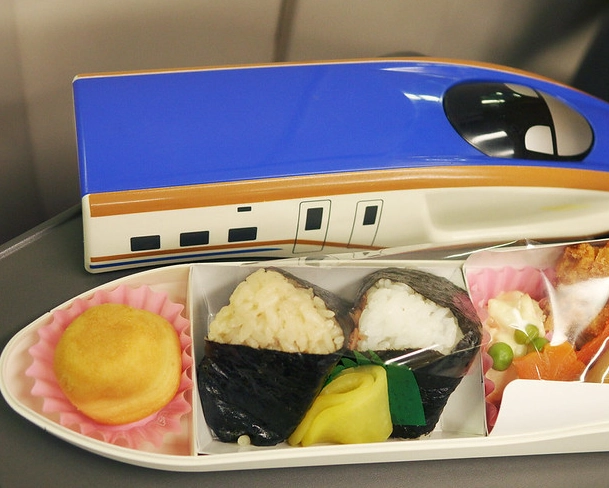
Water & Food: Carry at least 1-1.5 liters of water. While some summits have shops (Takao, Tsukuba), others (Mitake's Rock Garden, Okutama ridges) have nothing. Pack a bento or onigiri from a convenience store—eating a lunch with a view is a core hiking ritual here.
Trash Bag: This is critical. There are almost no public trash cans on trails or at rural stations. You must take all your rubbish back to Tokyo with you. Bring a small plastic bag for this purpose.
Cash: Small bills and coins for cable cars, bus fares, shrine offerings, and mountain hut snacks (if open).
Unspoken Rules of the Trail
Greetings: It's customary to say "Konnichiwa" (Hello) to fellow hikers you pass. A nod and smile also work.
Overtaking: Say "Sumimasen" (Excuse me) softly when passing someone from behind. They'll step aside.
No Smoking or Loud Music: Smoking on trails is a major fire hazard and frowned upon. Keep phone conversations and speaker use to an absolute minimum—people are there for the peace.
Stay on the Trail: Erosion is a real issue. Shortcutting switchbacks damages the landscape and is considered rude.
How to Avoid Crowds on Popular Tokyo Hiking Trails
Yes, you can find solitude even on famous trails.
Weekdays over Weekends: The single most effective tactic.
Choose the Less-Traveled Path: On Takao, avoid Trail #1. Take #6 (Biwa Falls) up and #1 down. On Mitake, most people just see the shrine. Immediately hike down to the Rock Garden—80% of visitors don't go there.
Go Beyond the First Summit: At Takao, continue another hour to Mount Kobotoke. At Mount Tsukuba, hike between the twin peaks (Nantai and Nyotai). The crowds thin out dramatically after the first photo spot.
Start Ridiculously Early: Catch the 6:00 AM train. You'll have the mountain to yourself for the first two hours.
I once did the Okutama Lake loop on a drizzly Tuesday in May. I saw maybe ten people in five hours. The mist on the lake was magical. It felt entirely remote, despite being within Tokyo's administrative borders.
Answers to Common Hiking Questions
What's the biggest mistake first-timers make when hiking from Tokyo?
Underestimating travel time and missing the last bus back from the trailhead. They look at train time to the main station (like Okutama Station) but forget the 30-minute bus ride to the actual trail start. Always check the return bus schedule for your specific hike, not just the train. Japan Guide is a reliable source for checking bus timetables to popular trailheads.
Is it safe to hike alone near Tokyo?
Generally, yes, especially on well-marked, popular trails like Takao or Mitake. The trails are well-maintained and you'll see other people. For more remote routes in Okutama, tell someone your plan. Cell service can be spotty in deep valleys. The bigger risk isn't crime—it's twisting an ankle alone. Carry a basic first-aid kit.
Can I do these hikes if I'm not very fit?
Absolutely. Mount Takao with the cable car is essentially a hill walk. Mount Tsukuba also has a cable car. Choose trails labeled "Easy" or "Moderate" and give yourself plenty of time. The goal is to enjoy nature, not suffer. Turning back partway is always a valid option. Many trails have nice spots halfway up that make a perfect picnic destination.
Are there bears, and should I be worried?
Yes, there are Asian black bears in the mountains around Tokyo, particularly in Okutama. Attacks are extremely rare. Making noise while you hike (talking, wearing a bear bell) is the best prevention. They want to avoid you. If you're hiking in known bear areas, consider carrying a bear spray (available at some outdoor shops in Tokyo), though it's uncommon for day hikers. The Japan Bear and Forest Society provides current advisories.
What's the food situation? Should I pack lunch?
Always pack lunch and snacks. While summit shops exist, their hours can be unreliable, especially outside peak season or on weekdays. A konbini (convenience store) bento, some onigiri, and chocolate are perfect. There's nothing better than enjoying a warm can of coffee from a vending machine at the summit with your meal.


Share Your Thoughts