I remember my first trip to Kyoto. I had a spreadsheet. Temples were checkboxes. I raced from Kinkaku-ji to Fushimi Inari, got the photo, moved on. I saw everything and felt nothing. The city was a beautiful blur. It took a later, much slower visit—staying in a neighborhood machiya, chatting with the owner of a tiny tea shop, watching the light change in a garden for an hour—to understand what I'd missed. That's the power of slow travel in Kyoto. It's not a sightseeing tour; it's a cultural immersion. It's trading the frantic pace for the city's own gentle rhythm, discovering layers most visitors sprint right past.
Your Journey at a Glance
What Slow Travel Really Means in Kyoto (It's Not Just Doing Less)
Let's clear something up. Slow travel Kyoto isn't about being lazy or seeing fewer things. It's a mindset shift. It's depth over breadth. Instead of ten temples in a day, you might visit two, but you sit in one's garden, you notice the moss patterns, you attend a morning chanting session. You get a feel for the place, not just a photo of its facade.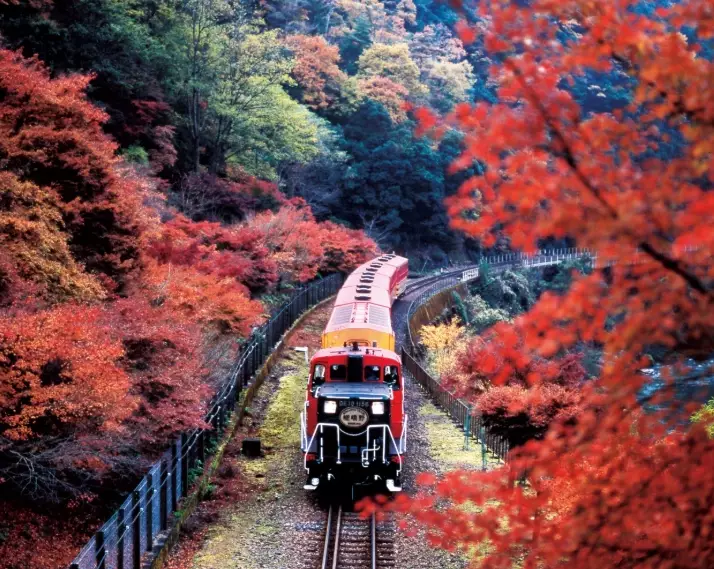
The core idea is connection. Connection to place, to rhythm, to people. Kyoto's magic is in its details—the sound of geta on stone, the smell of incense and roasted tea, the way an old shopkeeper might share a story if you're not in a rush.
The Slow Traveler's Mistake Most People Make: Trying to "do" an atmospheric district like Gion quickly. The point of Gion isn't just to maybe spot a maiko. It's to wander its backstreets (Shirakawa Lane is a good start) in the late afternoon, see the lanterns light up, feel the history. Going with a checklist of "photo spots" kills the vibe entirely.
This approach naturally leads you away from the peak-hour crowds. The famous spots are famous for a reason, but a slow travel strategy helps you enjoy them. Visit Kiyomizu-dera at opening (6:00 AM) or just before closing. You'll have a profoundly different experience than the midday shuffle.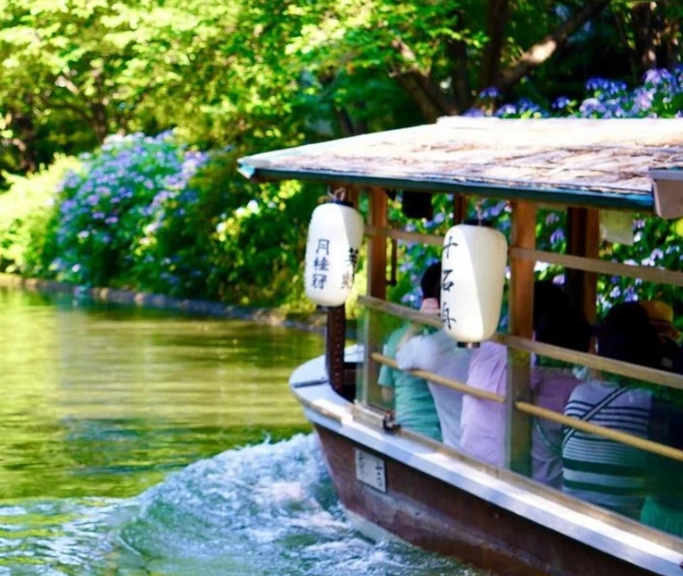
Crafting Your Slow Kyoto Itinerary: A 5-Day Sample Frame
Think of this not as a rigid schedule, but a framework. Base yourself in one or two neighborhoods. I'm a big fan of staying in Southern Higashiyama or near Demachiyanagi. You walk everywhere, you become a temporary local.
Day 1: Arrival & Neighborhood Immersion
Forget major sights. Land, settle into your accommodation (a machiya guesthouse is ideal). Walk your local area. Find the nearest combini, the local sento (public bath), a neighborhood shrine. Have dinner at a small, family-run okonomiyaki place. The goal is to de-travel and just be.
Day 2: Southern Higashiyama Deep Dive
Start at Kiyomizu-dera right at 6:00 AM. Have the serene temple complex almost to yourself. Walk down Sannen-zaka and Ninen-zaka before the shops open at 10. The preserved architecture is the star. Later, instead of fighting crowds at the main gate of Kodai-ji, enter through its quieter back garden. Spend late afternoon at Shoren-in. Its giant camphor trees and tatami rooms overlooking the garden are made for sitting. It's rarely busy.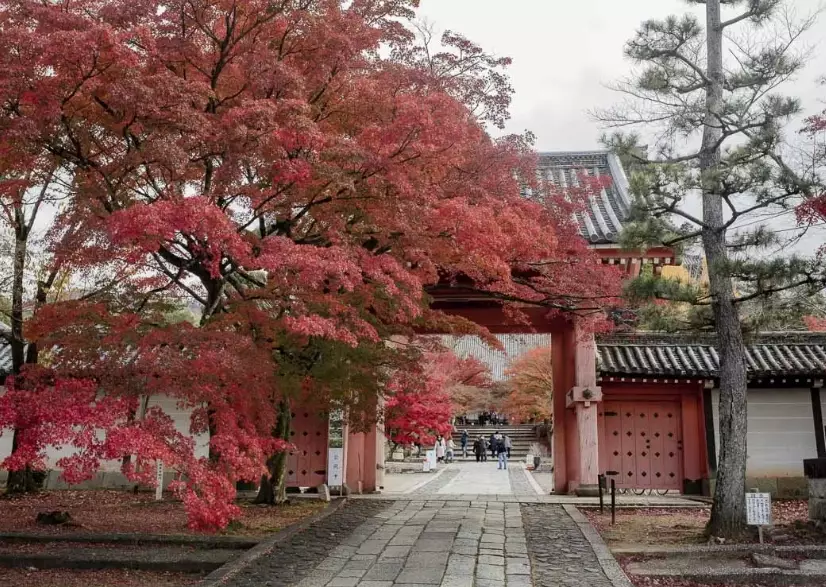
| Spot | Slow Travel Tip | Hours / Cost |
|---|---|---|
| Kiyomizu-dera | Enter at 6:00 AM. Skip the main gate photo line, head straight to the veranda for quiet contemplation. | 6:00-18:00 (varies seasonally). 400 yen. |
| Sannen-zaka Path | Best experienced 8:00-9:30 AM. The stone steps and wooden buildings feel timeless without the crowds. | Public street, always open. |
| Shoren-in Temple | Use the rear entrance. Sit on the tatami in the main hall with a view of the garden. A perfect quiet refuge. | 9:00-17:00. 500 yen. |
Day 3: Arashiyama's Hidden Layers
Everyone goes to the bamboo grove. Go to the Okochi Sanso Villa first (opens at 9). It's right next to the grove, costs 1000 yen, and includes matcha. The gardens are stunning and filter the crowd. Then, walk through the now-slightly-busier grove. Cross the river to the less-visited northern side. Rent a bike and explore the quiet lanes and small temples like Gio-ji, the stunning moss temple. You've just escaped 80% of the day-trippers.
Day 4: Northwest Kyoto & Philosophy
Kinkaku-ji (the Golden Pavilion) will be crowded. See it early, accept it as a beautiful postcard, and move on. The real slow travel gold is nearby. Walk the Kitano Tenmangu flea market if it's the 25th. Or head to Daitoku-ji temple complex—a collection of subtemples, many with sublime dry landscape gardens. You need to seek them out, often paying a small fee to enter a quiet, private world. Koto-in is particularly special, especially in autumn.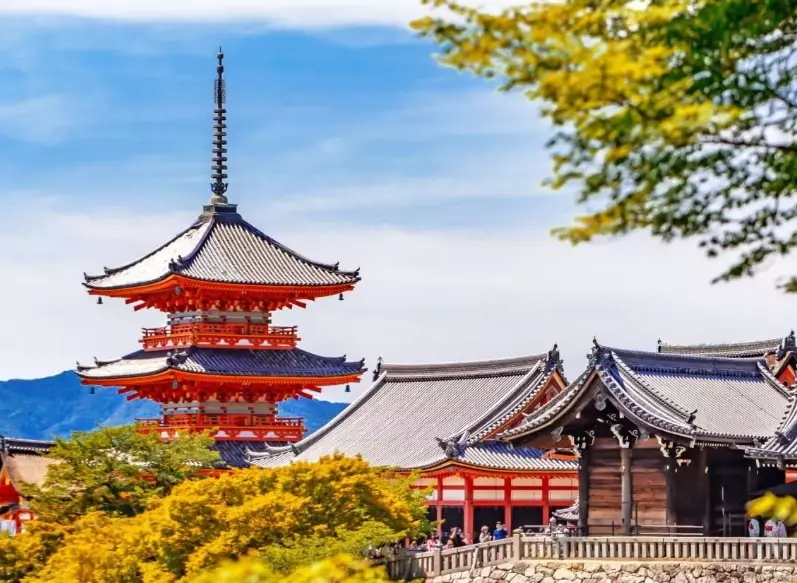
Day 5: Local Life & Craft
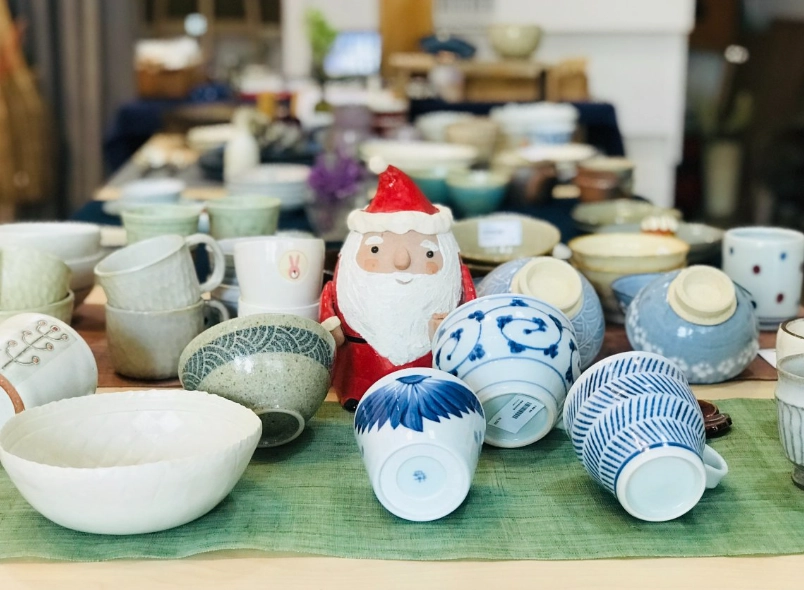
Dedicate a day to a hands-on experience. Book a morning pottery class in Gojozaka (the pottery district near Kiyomizu). Or take a traditional wagashi (confectionery) making lesson. In the afternoon, explore the Nishiki Market not just to eat, but to talk to vendors. Ask about the pickles, the dried fish. End the day in Pontocho Alley. Don't just walk through. Secure a reservation (often needed) for a small, reasonably-priced yakitori place and soak in the atmospheric lane.
Where to Stay and Eat the Slow Way
Your accommodation sets the tone. A big hotel near the station is convenient for a fast trip. For slow travel, you want something that roots you.
Machiya Stays: These are traditional wooden townhouses. Companies like Kyoto Machiya Stay or Goen restore them into guesthouses. You'll have a small kitchen, tatami rooms, a tiny courtyard garden. You live like a local, even if just for a few nights. Prices range from 20,000 to 40,000 yen per night, often for 2-4 people. Areas like Shimogyo or Nakagyo offer great options.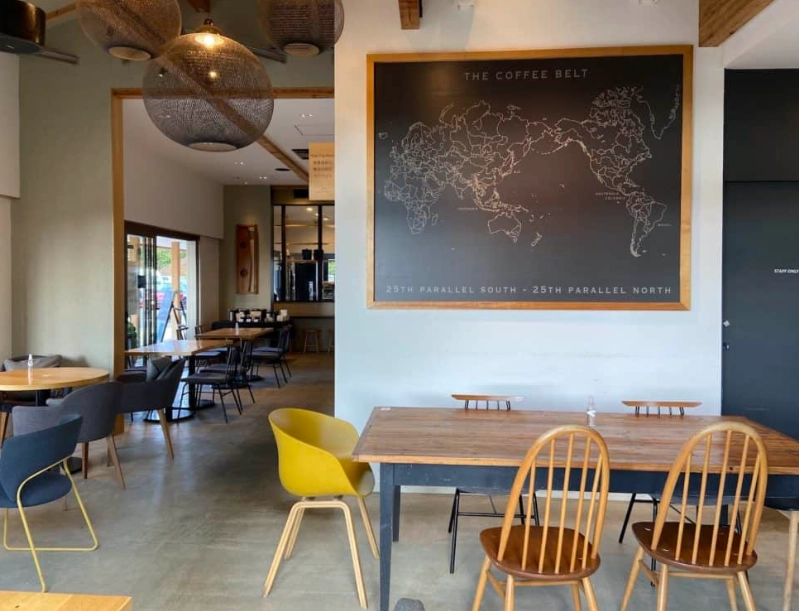
Family-run Ryokans: Look for smaller ones in residential areas like Near Heian Shrine or Northwest Kyoto. You get personal service, incredible kaiseki meals, and a deep dive into Japanese hospitality. Expect 30,000+ yen per person with meals.
Eating slow is about avoiding the tourist traps with plastic food displays. Look for places with handwritten menus, no English signage (use Google Translate camera), and locals inside.
- Breakfast: Skip the hotel buffet. Go to a kissaten (old-school coffee shop) like Smart Coffee near Teramachi for thick toast and coffee. Or grab an onigiri from a specialist shop.
- Lunch: Find a soba shop. Honke Owariya near the Imperial Palace is a centuries-old institution. It's busy but worth the wait for the pure, simple taste.
- Dinner: Wander the backstreets of Pontocho or Gion. If a place looks inviting and has an open seat at the counter, ask if they take walk-ins. Kikunoi is a famous kaiseki destination, but for a more accessible version, try one of their more casual branches.
Don't just eat. Understand. At Nishiki Market, try the different types of tsukemono (pickles). Ask "oishii desu ka?" (is it delicious?). The interaction is part of the meal.
Going Deeper: Cultural Connections Beyond the Surface
This is where slow travel Kyoto separates itself. It's the activities that take time but give back meaning.
Tea Ceremony with Context: Many places offer a quick 30-minute demo. Go deeper. A place like Camellia Garden in Southern Higashiyama offers a full, English-friendly explanation in a beautiful setting. You'll understand the "why," not just the "how."
Zen Meditation (Zazen): Several temples offer morning sessions. Shunko-in Temple in the northwest is excellent for foreigners. Sitting in silence, following the rhythm of the bell, you connect to a core aspect of Kyoto's culture in a way no guidebook can convey.
Textile & Craft Appreciation: Kyoto is the heart of Japanese crafts. Visit the Nishijin Textile Center not just to see a kimono show, but to watch the weavers at their looms. In the Kiyomizu pottery area, pop into small galleries. You might see the potter at work.
The goal isn't to collect experiences like souvenirs. It's to have one or two that truly resonate, that give you a glimpse into the discipline and aesthetics that define this city.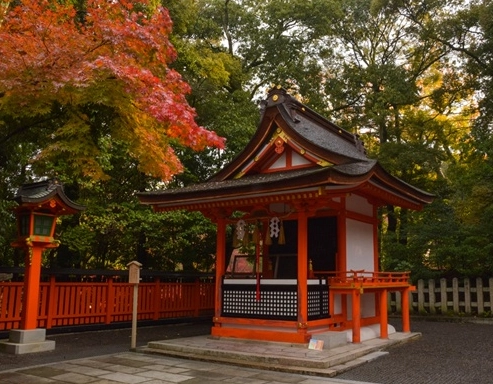

Share Your Thoughts