You know Okinawa for its turquoise water and white sand. But when the sun dips below the horizon, a different kind of magic takes over. The main island transforms into one of Japan's premier front-row seats to the cosmos, far from the dense light pollution of Tokyo or Osaka. I've spent countless nights here with my telescope and camera, and I can tell you – the clarity of the Milky Way arching over the East China Sea is something that sticks with you.
This isn't just about looking up. It's about finding those pockets of darkness, understanding the rhythms of the sky, and planning around Okinawa's unique subtropical weather. Most guides just list a few parks. I'll show you how to actually do it, where the locals go, and how to avoid the rookie mistakes that can turn a stellar night into a frustrating one.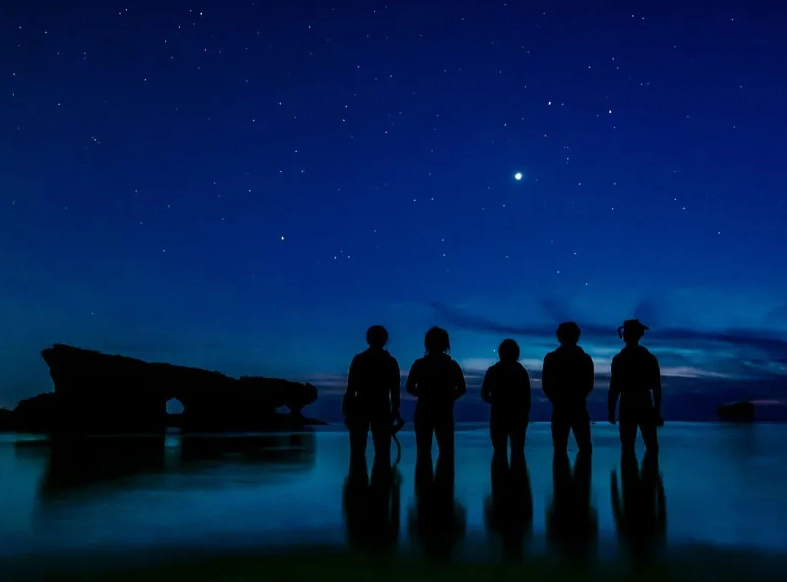
Your Stargazing Roadmap
Why Okinawa's Skies Are Special (And Challenging)
The main advantage is southern latitude. Okinawa sits around 26 degrees north, meaning you can see constellations like the Southern Cross low on the horizon during winter and spring, a sight impossible from mainland Japan. The air over the ocean can be incredibly stable, leading to sharp, steady views of planets and the moon.
But let's talk about the elephant in the room: weather. The subtropical climate means humidity and cloud cover are frequent, uninvited guests. A perfectly clear sunset can give way to a blanket of clouds by 9 PM. The key isn't just checking a generic weather app. You need to look at satellite cloud loops and radar. The Japan Meteorological Agency website is your best friend here. Look for nights following a cold front passage in winter, or during stable high-pressure systems – these often deliver the crisp, transparent skies you're after.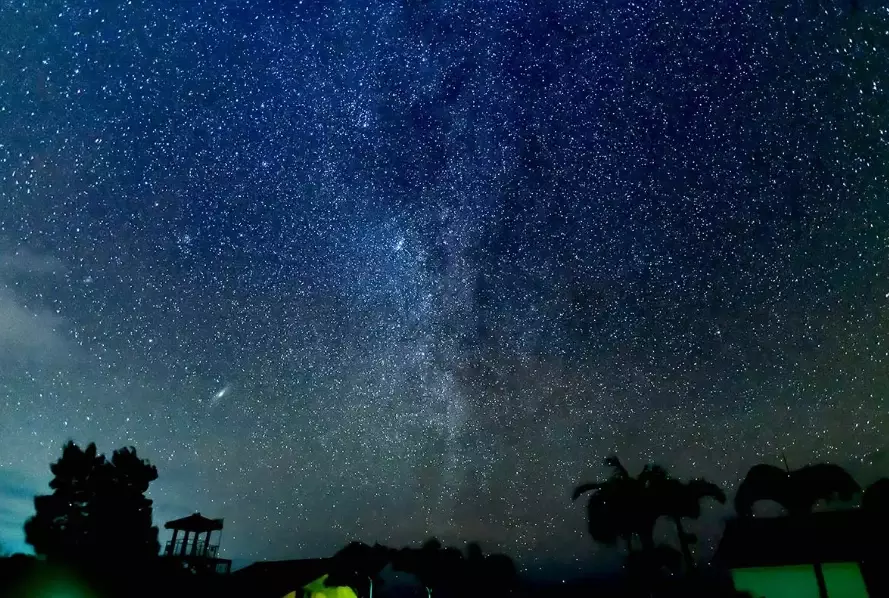
Pro Insight: The biggest mistake beginners make is judging a spot solely by how "dark" it looks. On Okinawa, coastal spots often have a glaring, invisible enemy: sea fog or marine layer haze. It might look clear, but it scatters light from distant cities (like Naha or Uruma) and drastically reduces contrast. Inland hills, even if slightly closer to town lights, can sometimes sit above this haze and offer better viewing.
The Top Spots: A Practical Location Map
Forget vague directions. Here’s exactly where to go, with the logistical details you need to plan your trip. I've ranked these based on darkness, accessibility, and overall reliability.
| Spot Name & Area | What Makes It Great | Address / Landmark | Access & Notes |
|---|---|---|---|
| 1. Cape Hedo (Hedo Misaki) Northern Tip |
The darkest sky on the island. Minimal light pollution, 360-degree ocean views. Ideal for Milky Way photography and meteor showers. | Kunigami, Kunigami District, Okinawa 905-1422. The parking lot at the very end of Route 58. | Drive essential. 2+ hours from Naha. No facilities at night. Winds can be fierce – anchor your tripod. Parking is free and open 24/7. |
| 2. Okuma Private Beach & Resort Area Northwest Coast |
A surprisingly dark sky with the convenience of a resort nearby. Less wind than Cape Hedo, easier for beginners. | Around Okuma Private Beach, 913 Kunigami, Kunigami District. The long beachfront or designated stargazing areas within the resort grounds. | You can access the beach area even if not a guest. Resort may offer paid stargazing events. Check The Ritz-Carlton, Okinawa website for public event info. |
| 3. Yabu Castle Ruins (Yabu Gusuku) Central/Northern Inland |
An elevated inland site that often escapes coastal haze. Historic atmosphere under the stars. Less crowded than beaches. | 1228-6 Yabu, Nago, Okinawa 905-0006. The main observation platform at the ruins. | Free entry. Gates close at sunset, but the parking area outside remains accessible. Bring a red light to navigate the paths respectfully. |
| 4. Miyagi Island (via Ie-shima Bridge) West Coast (Connected) |
Low western light pollution and open farm fields. Great for watching planets set over the East China Sea. | General areas around the northern part of Miyagi Island, Okinawa 904-2421. Look for quiet agricultural roads. | Easy drive from Nago. Absolutely must pull completely off narrow roads. Be mindful of private property and farming equipment. |
A note on the famous Kume Island or Iriomote Island: They are often touted for stargazing, but they are not on the main island. They require a separate flight or ferry. This guide focuses on locations you can drive to from Naha or Nago.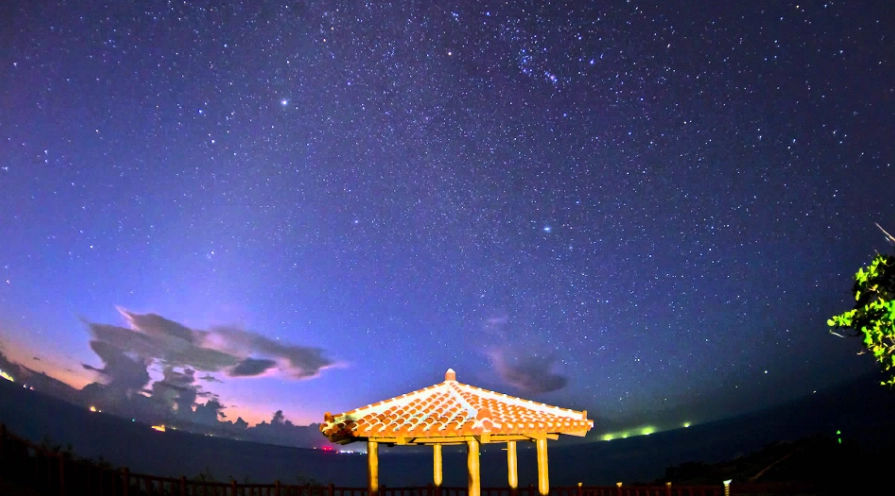
Finding the Perfect Time: Season, Moon, and Weather
Getting the timing right is 80% of the battle.
The Best Seasons for Stargazing in Okinawa
Winter (December-February): The king of seasons. Dry, stable air, less humidity, and longer nights. Orion is magnificent, and the winter Milky Way is visible in the early morning. It can get chilly (down to 10°C/50°F), especially with wind chill on capes.
Spring (March-May): A close second. Pleasant temperatures and generally good transparency before the rainy season hits. The galactic core starts rising in the pre-dawn hours by late April.
Summer (June-September): Tricky. This is typhoon and rainy season. But between storms, you can get incredibly clear, warm nights. The Milky Way core is high in the sky after sunset. Humidity is your enemy for optics (lens fog).
Autumn (October-November): Improving conditions. Skies clear up after typhoon season, but nights are shorter. A good balance if you dislike the cold.
Working with the Moon
For deep-sky objects (nebulae, galaxies, Milky Way structure), you want a New Moon or nights within a few days of it. The moon is your worst enemy for faint fuzzies.
But a crescent or quarter moon isn't a waste. It beautifully illuminates Okinawa's unique landscapes – think seashore pine trees or castle ruins – for dramatic landscape astrophotos. A bright moon also allows for easier navigation and is more fun for casual observing with binoculars.
What to Actually Bring (Beyond a Jacket)
Packing wrong can cut your night short. Here's my field-tested list.
- Red Light Flashlight: Non-negotiable. It preserves your night vision. A regular flashlight will blind you and everyone around you for 20 minutes. You can tape red cellophane over a small light.
- Warm Layers (Even in Summer): A windbreaker or fleece. The ocean breeze is relentless at prime spots.
- Insect Repellent: Mosquitoes are less active in windy spots, but you'll thank yourself inland.
- A Comfortable Seat: A camping chair or a thick blanket. Neck strain from looking up is real.
- Your Eyes (and Patience): Let your eyes adapt for at least 20-30 minutes. Avoid looking at your phone's bright screen. Use a night-mode app if you must.
- For Photography: A sturdy tripod, DSLR/mirrorless with manual mode, wide-angle lens (f/2.8 or faster), and an intervalometer. A lens cloth for dew.
Binoculars (7x50 or 10x50) are a fantastic, affordable tool. They'll show you Jupiter's moons, star clusters like the Pleiades, and the craters on our moon in stunning detail.
Considering a Guided Stargazing Tour?
If you're short on time, lack equipment, or want expert commentary, a tour is a brilliant option. Good guides know the weather patterns, have high-quality telescopes, and can point out celestial objects you'd never find yourself.
Look for small-group tours operated by local enthusiasts or astronomers, often found through resorts in the north (like Okuma or Busena) or via activity booking sites. They typically provide transport, equipment, and hot drinks. It's worth the splurge for a guaranteed, educational experience, especially with kids.
I once joined a tour out of Nago where the guide, a retired science teacher, not only showed us Saturn's rings but also explained the navigation techniques used by ancient Ryukyu sailors using the same stars. That context made it unforgettable.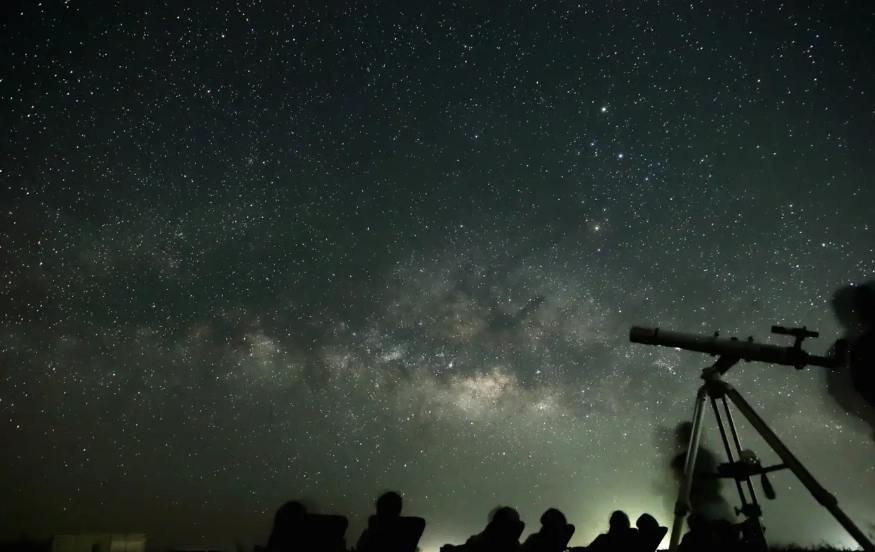
Your Stargazing Questions, Answered
Do I need a powerful telescope to enjoy stargazing on Okinawa?
Not at all. This is a common misconception that stops people from trying. Your naked eye, once adapted, can see thousands of stars, the Milky Way's dusty lane, and several satellites passing by. A simple pair of binoculars will dramatically increase what you can see—Jupiter's moons, Saturn's shape, and countless star clusters. A telescope is fantastic, but it's an enhancement, not a requirement. Start with your eyes, then use binoculars if you have them.
What's the single biggest mistake first-timers make when planning a stargazing trip here?
They check the weather for "sunny" during the day and assume it will be clear all night. Okinawa's weather changes rapidly. You must check the forecast for cloud cover percentage after sunset and, crucially, look at infrared satellite imagery to see if high clouds (which don't show up on radar) are moving in. Also, ignoring the moon phase. Showing up on a full moon night expecting to see the Milky Way is a recipe for disappointment. Plan around the new moon for deep sky objects.
 Are there any safety concerns stargazing at remote spots like Cape Hedo at night?
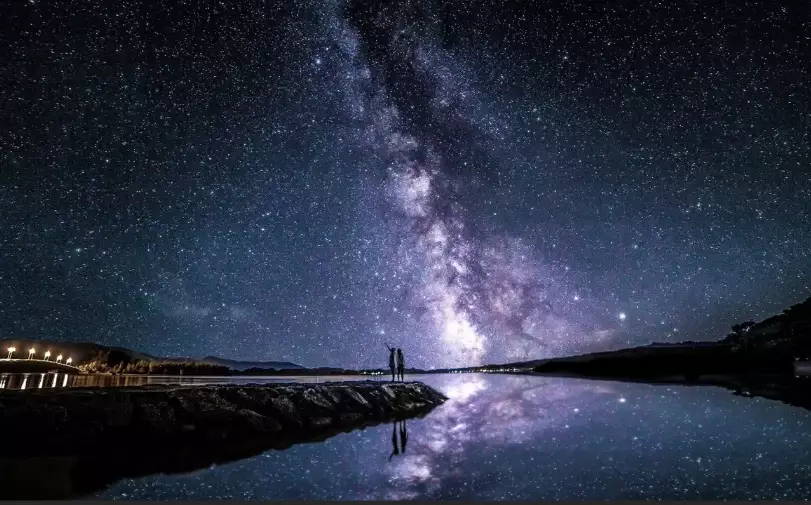
The primary concerns are environmental, not criminal. The wind can be dangerously strong, capable of knocking over light stands or even making it difficult to open car doors. The cliffs are unfenced. Use a headlamp (with red light) when moving around. Let someone know where you're going. There are no dangerous animals, but watch for habu (venomous snakes) if venturing into grassy areas off paths—they are rare but present. Your biggest practical issue will be staying warm and keeping your gear from getting damp.
Can I see the Milky Way with my phone camera?
Modern smartphone cameras in "Night Mode" or "Pro/Manual Mode" can capture a surprising amount. You'll need to stabilize it perfectly (lean it on a rock, use a mini tripod), set a long exposure (up to 30 seconds), and use a timer to avoid shake. It won't match a DSLR, but you can definitely get a recognizable shot of the Milky Way's core from a dark site. The key is absolute stillness and playing with the manual settings—don't just point and shoot on auto.
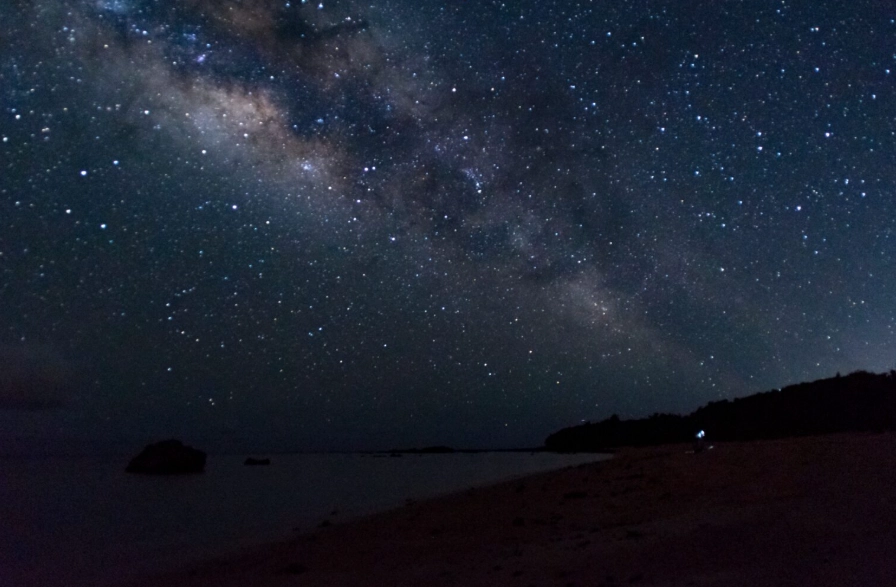 Stargazing on Okinawa's main island is more than an activity; it's a perspective shift. It connects you to the vastness above while grounding you in the unique subtropical landscape below. It requires a bit more planning than a beach day, but the reward—standing under a canopy of stars with the sound of waves in the distance—is one of the most profound experiences the island has to offer. Start with a clear, moonless winter night at a spot like Okuma, bring a blanket and some patience, and just look up. The universe will handle the rest.


Share Your Thoughts