Kanazawa often gets called "Little Kyoto," but that sells it short. Having spent weeks there over multiple trips, I think it stands firmly on its own. It's a city where history isn't just preserved behind glass; it's actively lived. You'll see a geisha hurry down a lantern-lit alley, smell charcoal grilling fresh seafood from the morning's catch, and find yourself touching walls covered in real gold. It's manageable, deeply authentic, and less overrun than its famous cousin to the south. Forget just ticking boxes. This guide is about experiencing Kanazawa's soul. Here are the top 10 things you absolutely must do.
Your Kanazawa Adventure at a Glance
- Stroll Through Kenrokuen Garden
- Explore Kanazawa Castle Park
- Get Interactive at the 21st Century Museum
- Feast at Omicho Market
- Step Back in Time at Higashi Chaya District
- Find the Secrets of the "Ninja Temple"
- Get Hands-On with Gold Leaf
- Wander the Nagamachi Samurai District
- Discover the Art of Noh at the Ishikawa Prefectural Museum
- Indulge in Kaga Cuisine & Seafood
1. Stroll Through Kenrokuen Garden
Let's start with the crown jewel. Kenrokuen is one of Japan's "Three Great Gardens," and it earns the title. But here's the thing most blogs don't tell you: its beauty is seasonal and even hourly. The famous yukitsuri (snow hangs) in winter aren't just decorative; they're a practical, centuries-old method to protect the pine trees' branches from heavy snow. It's a perfect example of Japanese aesthetics meeting function.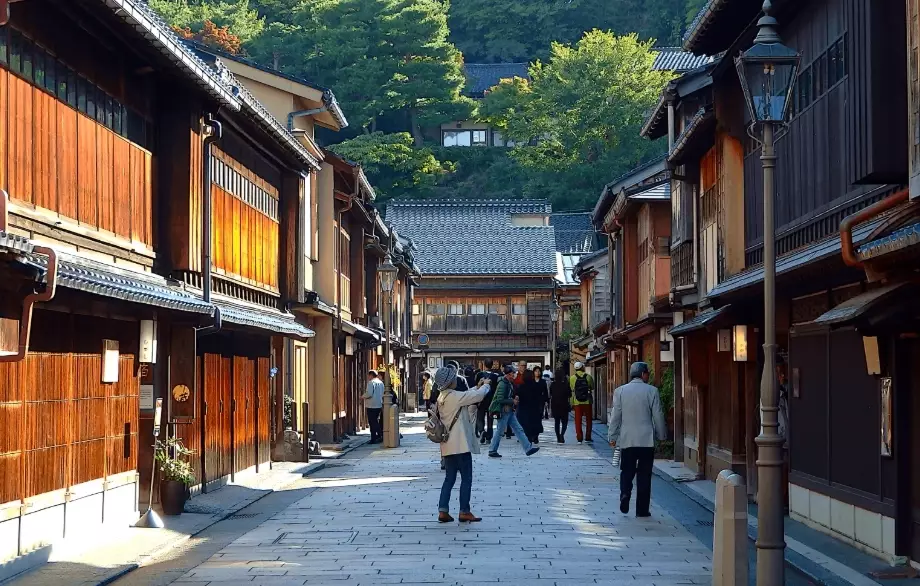
The garden is designed around the six sublimities of a perfect landscape: spaciousness, seclusion, artifice, antiquity, water, and panoramas. You'll see them all.
Practical Info: Open 7:00 AM - 6:00 PM (hours extend to 8:00 PM during special night illuminations in certain seasons). Admission is 320 yen for adults. It's directly adjacent to Kanazawa Castle Park, so you can easily combine them. Get there at opening if you want photos without the crowds. The Ishikawa Prefecture official site has the most accurate seasonal schedule.
2. Explore Kanazawa Castle Park
Right next door, Kanazawa Castle tells a story of rebirth. The original burned down repeatedly (wood and fire, a bad combo). What you see today is a meticulous 20th-century reconstruction using traditional methods. Some purists scoff at it not being "original," but I find the reconstruction fascinating. Watching the massive, interlocking wooden beams, assembled without nails, gives you a profound appreciation for the original builders' skill.
Wander through the vast, grassy Ishikawamon gate area and the restored Gojukken Nagaya (armory). The contrast of the white plaster and dark tiles against the sky is stunning.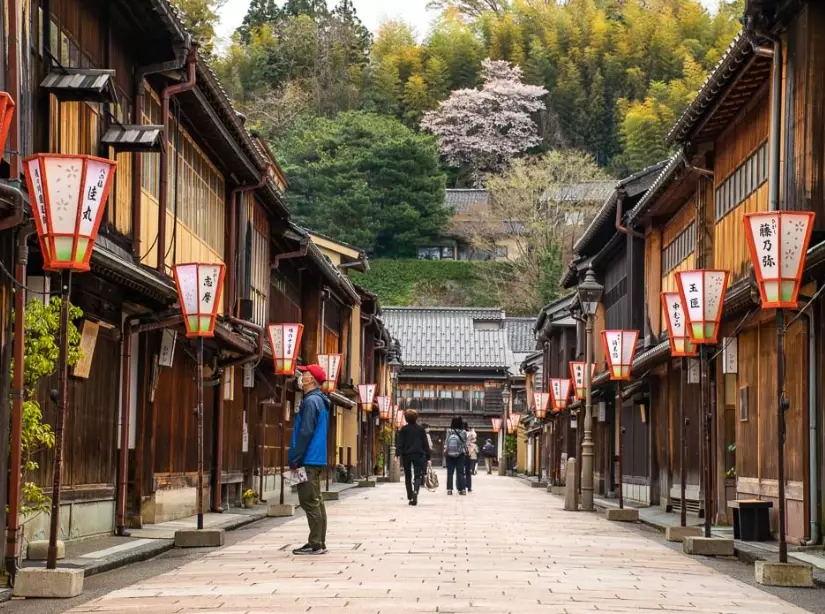
3. Get Interactive at the 21st Century Museum of Contemporary Art
This circular, glass-walled museum is a breath of fresh air. It's not a stuffy gallery. The architecture, by SANAA, is a masterpiece of light and transparency. Yes, you have to see Leandro Erlich's Swimming Pool—the iconic installation where you appear to walk underwater. But the line can be long. My advice? Book a timed ticket online if you can, or go early.
The real joy is in the other exhibits, which are often playful, thought-provoking, and highly interactive. It's a place where art feels accessible, not intimidating. Check their official website for current exhibitions.
4. Feast at Omicho Market
This is Kanazawa's kitchen. For over 300 years, it's been the place for the freshest seafood from the Sea of Japan. Walking through the bustling, covered stalls is an experience in itself. You'll see things you've never seen before: giant crabs (zuwaigani), glistening prawns, and mountains of oysters.
Don't just look—eat. The best strategy is to do a small tasting tour. Grab a couple of nigiri at one stall, a grilled scallop on a stick at another, and finish with a bowl of kaisen-don (seafood rice bowl) at a tiny restaurant tucked in the back. Iriya is a local favorite for a reason. Expect to pay 1,500 to 3,000 yen for a fantastic bowl.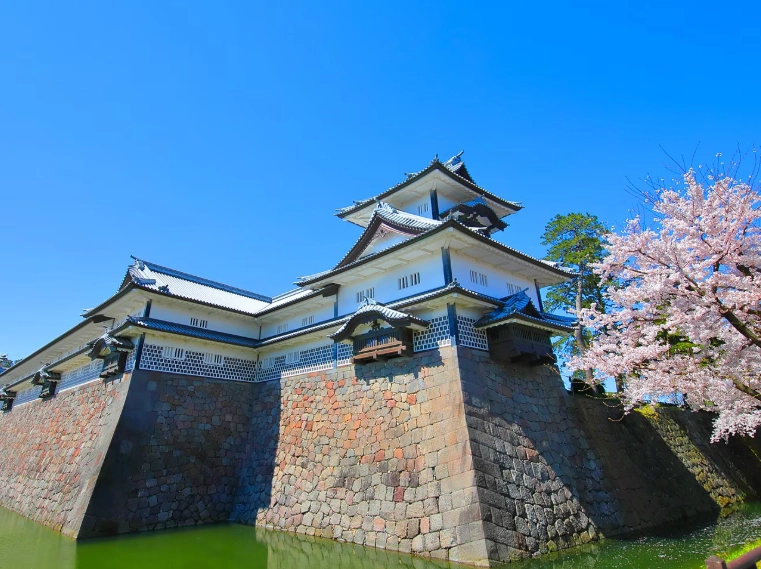
Insider Tip: The market gets very crowded around lunchtime (11:30 AM - 1:30 PM). Go right at 9:00 AM when it opens for the best selection and more space. Many stalls are closed on Wednesdays and some public holidays.
5. Step Back in Time at Higashi Chaya District
This is the postcard image of Kanazawa. The chaya are traditional teahouses where geisha once entertained with music, dance, and conversation. Higashi is the largest and best-preserved of these districts. The latticed wooden facades are beautiful, especially in the late afternoon light.
It can feel touristy on the main street. The trick is to explore the side alleys. You'll find quieter shops selling gold leaf products and local crafts. You can also enter a couple of the chaya that are now museums, like Shima, to see the intimate performance rooms.
For a truly special (and expensive) experience, you might book a cultural evening with actual geisha performances through specialized tour operators or high-end ryokan.
6. Find the Secrets of the "Ninja Temple" (Myoryuji)
The nickname is a misnomer—it was never for ninjas. Myoryuji was a samurai family temple built in the 1640s with a brilliant system of defensive traps, hidden rooms, and escape routes, designed to deceive potential attackers during a siege. Visiting feels like solving a puzzle.
You must book in advance via phone or their website. Tours are in Japanese, but you get an excellent English pamphlet. The guide will point out trapdoors, secret tunnels, and a labyrinthine layout meant to confuse invaders. It's incredibly clever and a unique look at feudal paranoia and ingenuity.
7. Get Hands-On with Gold Leaf
Kanazawa produces over 99% of Japan's gold leaf. You'll see it on everything from food to cosmetics. But watching isn't as fun as doing. Several studios offer short workshops.
I did one at Gold Leaf Sakuda (1-3-27 Higashiyama). For about 1,500-2,500 yen, you can decorate a small lacquerware box, a postcard, or even an ice cream cone (yes, edible gold leaf!) with real gold leaf. The process is surprisingly meditative—using tweezers and your breath to place the impossibly thin sheet. It's a fantastic, tangible souvenir you made yourself.
8. Wander the Nagamachi Samurai District
While the samurai are long gone, their neighborhood remains. Nagamachi is characterized by narrow, windinglanes, restored earthen walls (namako-kabe with their distinctive white tile patterns), and water canals. The Nomura-ke is a beautifully restored samurai residence with a lovely small garden, worth the entry fee.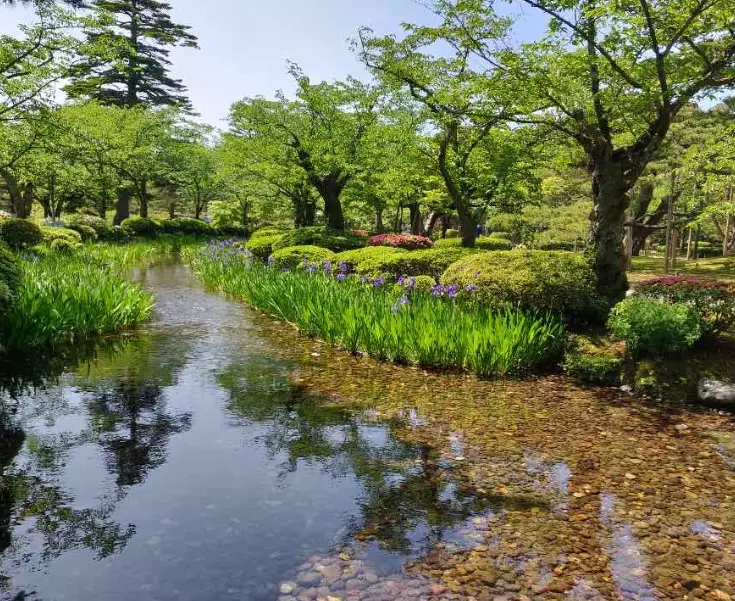
But honestly, I prefer just walking the streets. Imagine the sound of geta clacking on stone, the rustle of silk. It's quiet and atmospheric, especially on a misty morning. Skip the main houses if you're pressed for time and just get lost here for an hour.
9. Discover the Art of Noh at the Ishikawa Prefectural Museum
Kanazawa has a deep connection to Noh theater, supported by the Maeda lords. This museum is a hidden gem for culture buffs. It houses an incredible collection of exquisitely crafted Noh masks and costumes. The level of detail is breathtaking. You can also try on a replica mask or kimono.
It's a calm, air-conditioned space that offers a deep dive into an art form many visitors only glimpse. Check if any short Noh performances or demonstrations are scheduled during your visit.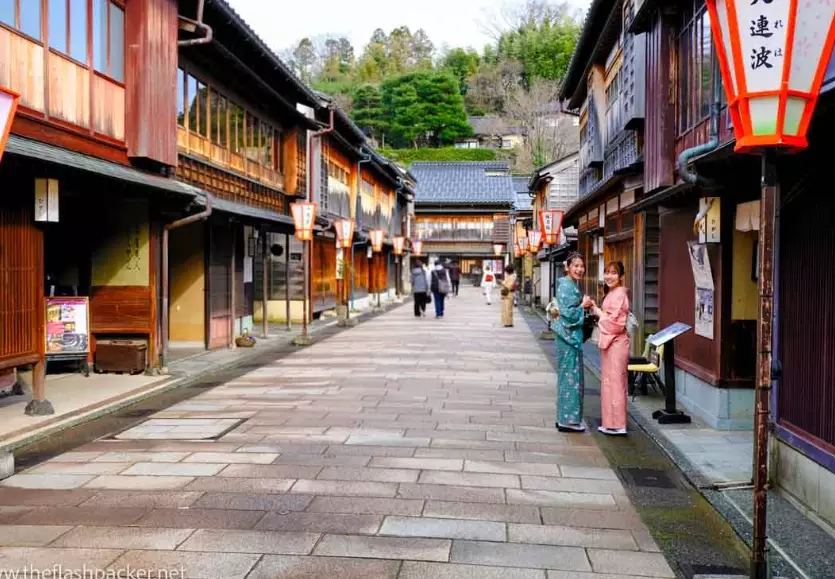
10. Indulge in Kaga Cuisine & Seafood
Your trip isn't complete without a deep dive into the local food. Kaga cuisine (also called Kaga ryori) is the traditional multi-course meal of the region. It emphasizes local, seasonal ingredients presented beautifully, often using lacquerware and Kutaniyaki ceramics. It's a cousin to Kyoto's Kaiseki but with more seafood and mountain vegetables.
For a more casual but equally essential experience, you must try the seafood. Beyond the market, look for restaurants specializing in buri (yellowtail) in winter or sweet shrimp (amaebi). A simple sashimi platter here is a revelation.
| Top Activity | Key Experience | Budget Tip |
|---|---|---|
| Kenrokuen Garden | Seasonal beauty, "six sublimities" philosophy | Visit early/late to avoid crowds. Combo ticket with Castle sometimes available. |
| Omicho Market | Fresh seafood tasting, local atmosphere | Share dishes. Eat at standing sushi bars for cheaper options. |
| Higashi Chaya District | Geisha history, traditional architecture | Free to wander. Explore side streets away from main tourist drag. |
| Gold Leaf Workshop | Hands-on cultural craft, unique souvenir | Opt for a postcard decorating session (~1,000 yen) instead of larger items. |
| Nagamachi Samurai District | Atmospheric walk through history | Free to explore the lanes. Skip paid house interiors if on a tight budget. |
How to Plan Your Kanazawa Itinerary
Here's a common dilemma: you have limited time. How do you fit it in?
If you have one day: It's a sprint. Start at Kenrokuen at opening, move to Kanazawa Castle, then the 21st Century Museum. Grab lunch at Omicho Market. Spend your afternoon in the Higashi Chaya District. It's exhausting but hits the big five.
If you have two days (Recommended): This is the sweet spot. Day 1: Kenrokuen, Castle, 21st Century Museum. Day 2: Omicho Market for breakfast, Nagamachi Samurai District wander, gold leaf workshop, then Higashi Chaya District. You can add the Noh Museum or Ninja Temple if you're fast.
If you have three days: Now you can breathe. Follow the two-day plan, and use Day 3 for deeper exploration. Visit the D.T. Suzuki Museum (a serene space on philosophy), take a day trip to the Noto Peninsula coast, or simply revisit a favorite neighborhood to discover its hidden cafes and shops.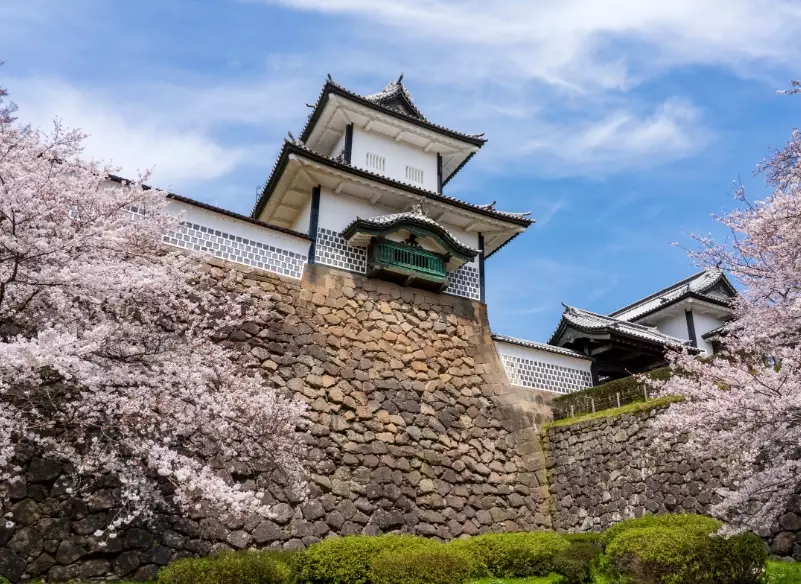
Frequently Asked Questions About Visiting Kanazawa
Kanazawa doesn't shout. It whispers. Its beauty is in the details: the texture of a gold-leafed sweet, the sound of water in a hidden garden, the perfect geometry of a samurai wall. This list of the top 10 things to do is your starting point. The real magic happens when you slow down, turn a corner, and find your own quiet moment in this timeless city. Pack good walking shoes, an appetite, and a sense of curiosity. Kanazawa will handle the rest.

Share Your Thoughts