Quick Guide to Kyoto Temples
Let's be honest. You search "Kyoto temples to visit" and you're hit with a list of the same ten names. Kinkaku-ji, Kiyomizu-dera, Fushimi Inari... it's like a broken record. Don't get me wrong, they're famous for a reason. But Kyoto has over 1,600 temples. Relying on just the top-five list means you're signing up for a day of shuffling behind tour groups, fighting for a photo without someone's selfie stick in it, and missing the soul of the place entirely.
I learned this the hard way. My first trip to Kyoto, I ticked off the big names. I saw the Golden Pavilion, shimmering beautifully behind a wall of raised smartphones. I walked the torii gates at Fushimi Inari, in a single-file line that felt more like a commute than a spiritual path. It was stunning, sure, but it wasn't peaceful. It wasn't the Kyoto I'd dreamed of.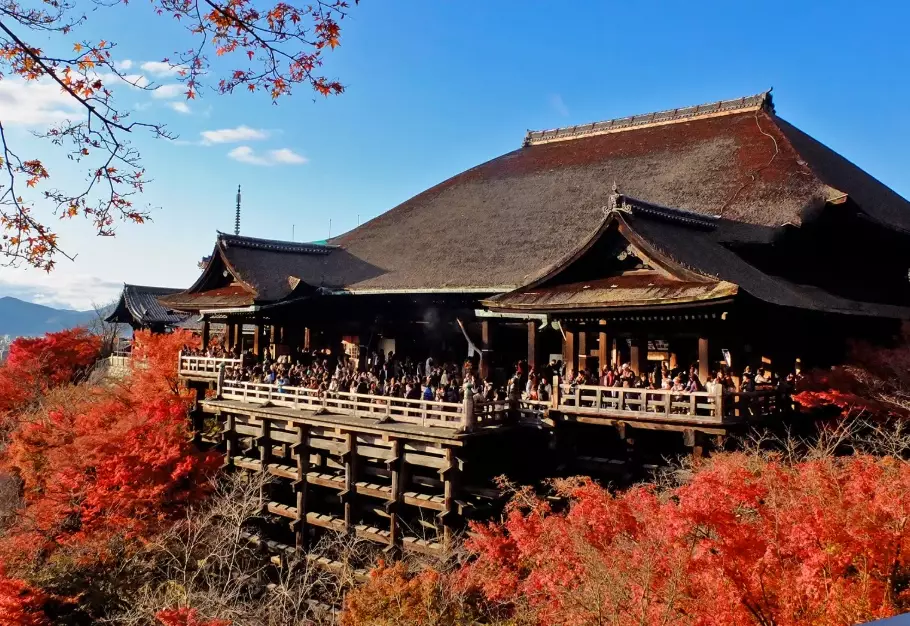
So, which Kyoto temples are actually worth visiting? The answer completely depends on you. What are you looking for? Jaw-dropping postcard views? A silent, moss-covered garden where you might be the only visitor? A profound historical artifact? We'll break it down so you can build your own perfect temple itinerary.
The Non-Negotiables: Top Kyoto Temples to Visit (And How to Do Them Right)
Okay, I can't completely ignore the classics. Some Kyoto temples are must-visits because they are genuinely unique wonders of the world. But visiting them wrong can ruin the experience. Here's the real deal on the big names, with tactics to reclaim a bit of their magic.
Kinkaku-ji (The Golden Pavilion)
Yes, you have to go. The sight of that gold-leaf-covered pavilion reflecting in the pond is surreal. It's smaller than you imagine, but its impact isn't. The crowd, however, is massive and constant. The path is a one-way loop, so there's no doubling back.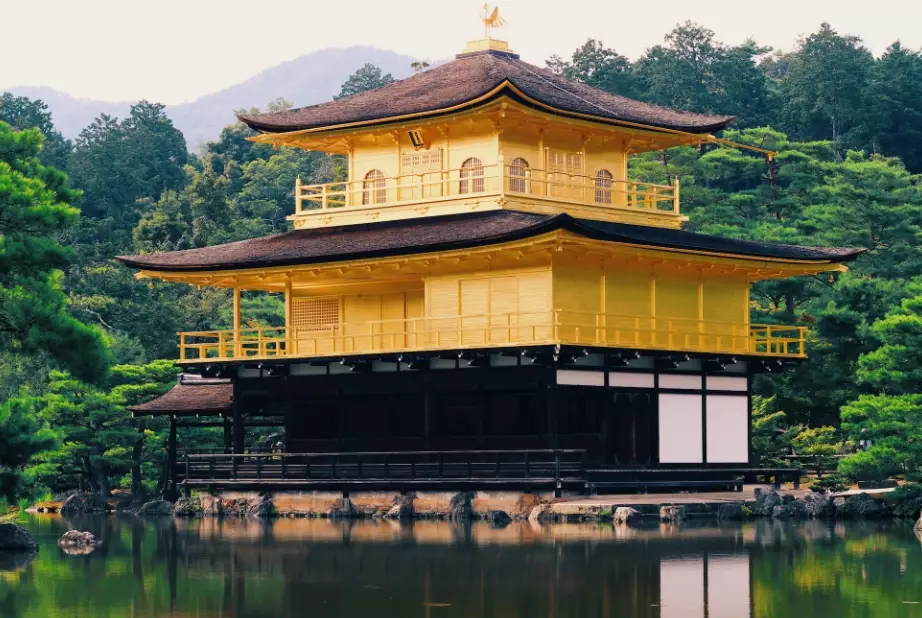
Kiyomizu-dera
The iconic wooden stage jutting out over the hillside, with panoramic views of Kyoto. It's a masterpiece of engineering (built without a single nail!). The approach up Sannenzaka and Ninenzaka slopes is part of the charm—beautiful old merchant houses, but packed with tourists and souvenir shops.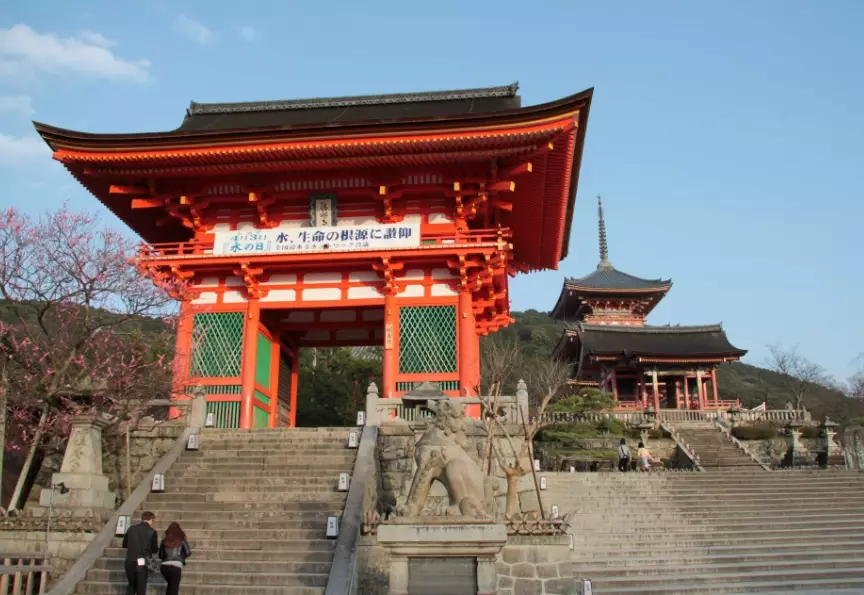
My personal take? The view from the stage is incredible, but the temple complex itself is huge and can feel a bit like a cultural theme park. The real magic for me was in smaller sub-temples on the grounds, like the Jishu Shrine hidden in the back.
Fushimi Inari Taisha
First, a clarification: it's a Shinto shrine, not a Buddhist temple, but it's always on these lists. The thousands of vermilion torii gates winding up the mountain are unforgettable. The mistake everyone makes is stopping at the first crowded section.
The trick? Keep walking. The crowds drop off dramatically after about 30-40 minutes of uphill climbing. The higher you go, the more peaceful and mysterious the paths become. For a truly unique experience, visit very early in the morning (think 6-7 AM) or later in the evening. The gates are lit until about 10 PM, and the atmosphere is completely different—eerie and powerful.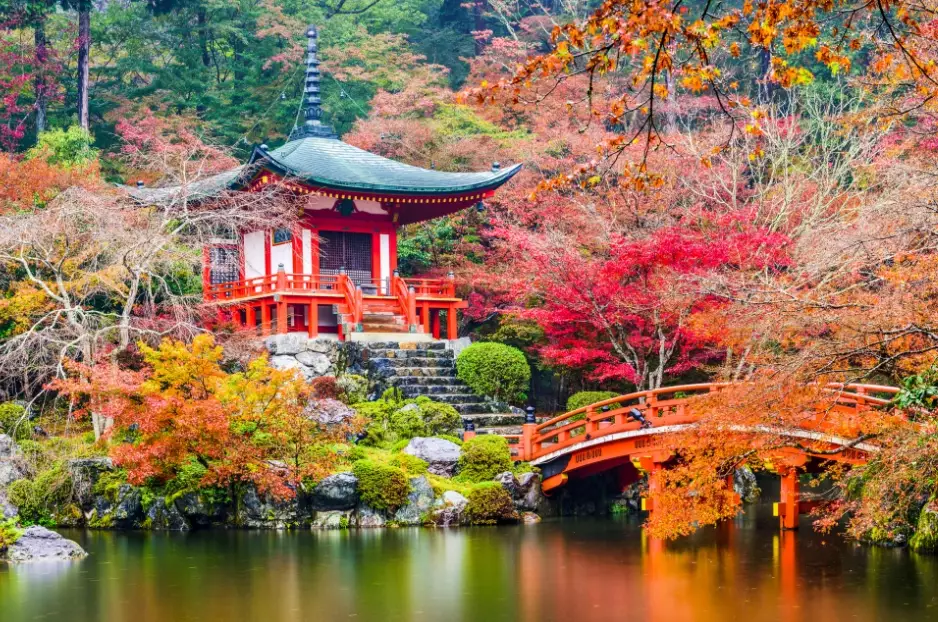
Beyond the Postcard: Kyoto Temples Tailored to Your Vibe
This is where we get to the good stuff. Forget the rankings. Think about what you want to feel. Here’s a breakdown of Kyoto temples to visit based on mood and interest.
For Zen Garden Perfection & Deep Contemplation
If your idea of a temple visit involves sitting quietly and losing yourself in raked gravel and moss, these are your havens.
- Ryoan-ji: Home to Japan's most famous karesansui (dry landscape) rock garden. Fifteen rocks arranged on white gravel, viewed from a veranda. Its meaning is debated—islands in a sea, a tiger crossing cubs? You just sit and let your mind wander. It's a masterclass in minimalism. It can get busy, but the viewing is a silent, seated affair, so the crowd feels more orderly.
- Daitoku-ji: This isn't a single temple, but a walled complex containing over 20 sub-temples. It's a quiet, scholarly atmosphere. Many sub-temples are only open to the public on special dates or by appointment, but a few, like Daisen-in and Koto-in, have regular visiting hours. Koto-in is my personal favorite hidden gem. A simple, exquisite moss garden with a few strategically placed maple trees. In autumn, it's breathtaking. I've spent an hour there with only two other people.
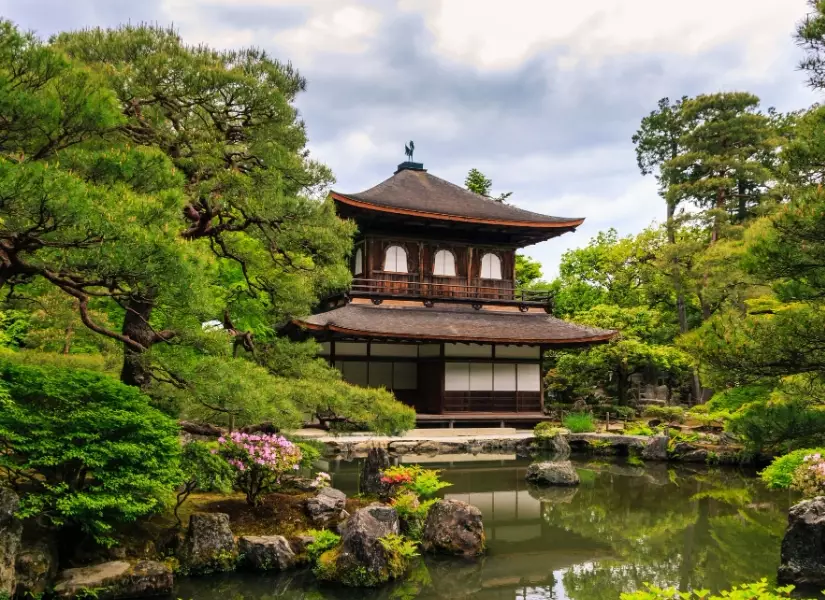
- Ginkaku-ji (The Silver Pavilion): Often overshadowed by its golden cousin, but I prefer it. It was never actually covered in silver, but the understatement is its strength. The sand garden, with its iconic "Moon Viewing Platform" cone, and the lush moss garden that winds up the hillside behind the pavilion are a perfect yin-yang. It feels more integrated with nature.
For Architectural Wonder & Historical Chills
These places make you feel the weight of history.
- Sanjusangen-do: This one blows minds. A long, hall-like temple housing 1,001 life-sized, gold-leafed statues of Kannon, the goddess of mercy. They stand in rows, like a divine army, with a giant central statue. The scale and repetition are hypnotic and utterly unique in the world. Photography is forbidden inside, which forces you to just be present. It's cool, dark, and profoundly impressive.
- Byodo-in (in Uji): A short train ride from Kyoto, it's the temple on the back of the 10-yen coin. The Phoenix Hall appears to float on a pond. It's a near-perfect example of Heian-period architecture and a UNESCO site. The museum on-site houses the original temple bells and statues. It feels like stepping into a classical painting.
For Scenic Views & Nature Immersion
When you want your temple visit combined with a good walk and fresh air.
- Kiyomizu-dera: Already mentioned for its stage, but the grounds are vast and wooded, offering great views, especially during cherry blossom or autumn foliage seasons.
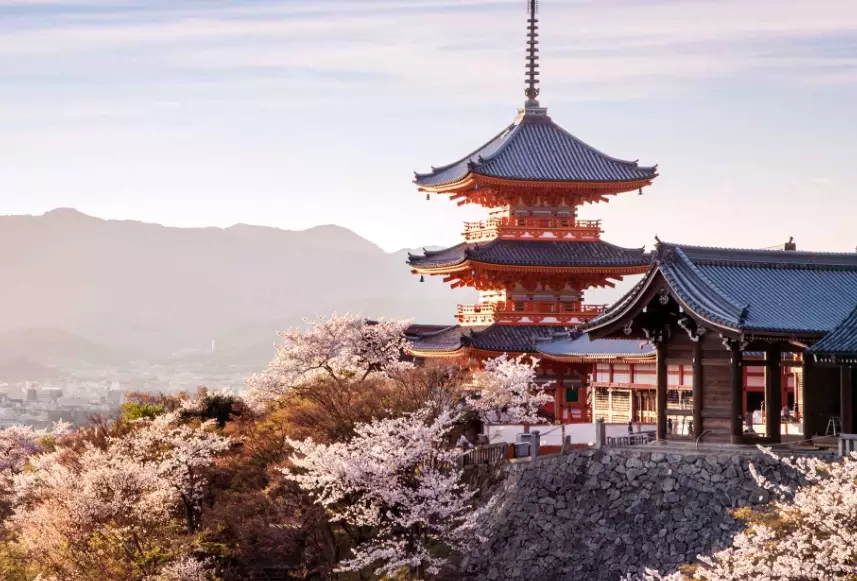
- Daigo-ji: A sprawling temple complex at the foot of a mountain in southeast Kyoto. It's a UNESCO site with a stunning five-story pagoda (the oldest building in Kyoto!) and beautiful gardens. It requires more walking, which naturally filters out some crowds. The Benten-do hall on the pond is particularly picturesque.
- Enko-ji: A smaller temple in northern Kyoto, famous for its intimate, vibrant autumn foliage viewing from its small rock garden. It's a controlled chaos of color. They use a timed ticket system during peak season, which actually improves the experience by limiting numbers.
The Practical Side: Making Your Kyoto Temple Visits Smooth
Knowing which Kyoto temples to visit is half the battle. The other half is logistics. A little planning prevents a lot of frustration.
Getting Around & The Bus Conundrum
Kyoto's bus network is extensive but can be painfully slow during peak hours, especially on routes serving major temples. The subway is faster but covers less ground.
Consider renting a bicycle for a day. Kyoto is quite flat in the center, and cycling between temples in the Arashiyama or northern areas is a fantastic experience. Walking between some (like from Ginkaku-ji down the Philosopher's Path to Nanzen-ji) is highly recommended.
Temple Etiquette: Do's and Don'ts
- Do: Wash your hands and mouth at the chozuya (water pavilion) before entering main halls. It's a symbolic purification.
- Do: Bow slightly before entering gates and halls.
- Don't: Take photos where it's prohibited (often inside main halls, or of specific artifacts). Look for signs.
- Don't: Be loud. These are active places of worship. Speak quietly.
- Do: Remove your shoes when entering buildings with tatami mat floors. There will be shelves or plastic bags provided.
Timing is Everything: Seasons & Crowds
| Season | Pros | Cons | Best For |
|---|---|---|---|
| Spring (Mar-May) | Cherry blossoms! Temples like Ninna-ji, Daigo-ji, and the path to Kiyomizu-dera are magical. | Peak tourist season. Crowds are at their absolute worst. Prices are highest. | Early risers and photographers willing to brave the masses for that iconic pink shot. |
| Summer (Jun-Aug) | Lush greenery. Fewer crowds than spring/fall. Hydrangea blooms in June (e.g., Mimuroto-ji). | Hot and very humid. Can be uncomfortable for extensive walking. | Visiting moss gardens (like Saiho-ji/Koke-dera, which requires advance reservation) when they are vividly green. |
| Autumn (Sep-Nov) | Stunning fall foliage. Temples with gardens (Tofuku-ji, Eikando, Enko-ji) are spectacular. | Extremely crowded, especially in November. The second peak season. | Color seekers. Book accommodation far in advance. Weekdays are essential. |
| Winter (Dec-Feb) | Least crowded. A chance to see temples with a dusting of snow (rare but beautiful). Crisp, clear air. | Can be quite cold. Some gardens are dormant. Shorter daylight hours. | Contemplative visits, enjoying architecture without distraction. Great for Sanjusangen-do or quiet Zen gardens. |
Honestly, my favorite times are late autumn (early December, after the leaf-peeping rush) and early winter. You trade some color for peace and quiet, which for me is the whole point of visiting a temple.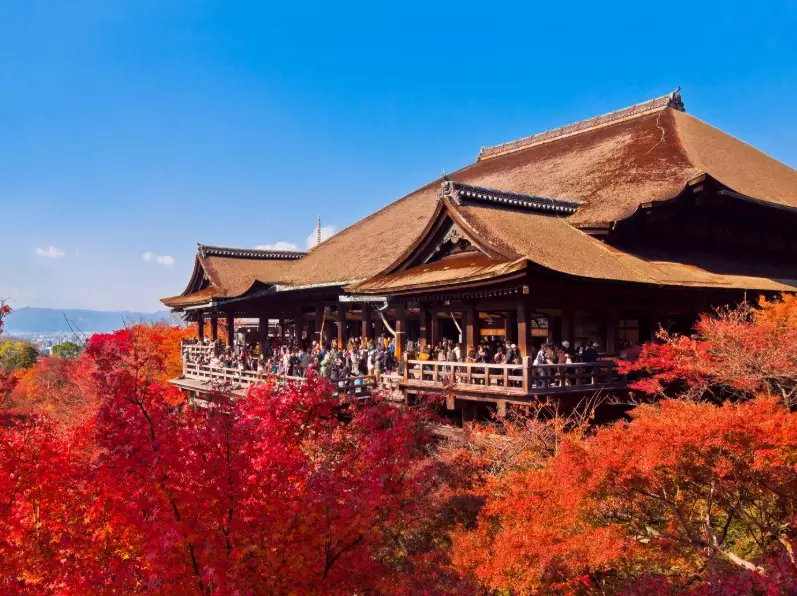
Answering Your Questions: Kyoto Temple FAQs
Putting It All Together: Sample Half-Day Itineraries
To make this concrete, here are two ways to structure your search for the best Kyoto temples to visit.
Itinerary A: The Northern Classic & Zen Combo (For the Morning)
- Start at Kinkaku-ji at opening time (9 AM). Spend 45-60 minutes.
- Take a 15-minute walk through a quiet residential neighborhood to Ryoan-ji. Spend 30-45 minutes contemplating the rock garden.
- From there, you can take a short bus or taxi to Ninna-ji (another large, impressive complex with a beautiful palace and late-blooming cherry trees) or head back towards the city.
Itinerary B: The Higashiyama Culture Walk (Can be a full day)
- Start early at Ginkaku-ji (The Silver Pavilion). Explore its gardens.
- Walk down the Philosopher's Path. It's lined with cafes and small shops, and in cherry blossom season it's a tunnel of pink.
- Visit Nanzen-ji, a massive temple with a striking aqueduct and sub-temples like Tenju-an with a lovely garden.
- Continue walking (or take a bus) to the area around Kiyomizu-dera. Explore the slopes (Sannenzaka) and visit the temple itself. End your day here as the late afternoon light hits the city.
So, when you're making your list of Kyoto temples to visit, think less about "must-see" and more about "want-to-feel." Prioritize depth over breadth. Sometimes, the most memorable visit is to the small, unnamed temple you have all to yourself for five perfect minutes of silence. That's the Kyoto you'll remember forever.
For the most accurate and official information on opening hours and special events, always double-check the temple's own website or the comprehensive Kyoto Travel Official Guide maintained by the city. It's your most reliable resource.

Share Your Thoughts