I remember my first trip to Japan. I was terrified of the cost. Everyone talks about how expensive it is. But after three trips and plenty of mistakes, I've nailed down a budget travel Japan itinerary that lets you experience the best without the financial panic attack. This isn't about skipping meals or sleeping in capsule hotels every night (though one night is fun!). It's about smart choices. Let's break down a realistic 7-day plan focusing on Tokyo and Kyoto that keeps your total spend around $800, not including flights. Yes, it's possible.
Your 7-Day Budget Japan Roadmap
- The Golden Rules: Pre-Trip Essentials
- Day 1: Tokyo Arrival & Asakusa Immersion
- Day 2: Tokyo's Modern Heart & Shibuya Scramble
- Day 3: Offbeat Tokyo & Ghibli Magic (or Alternatives)
- Day 4: Tokyo to Kyoto & Southern Higashiyama
- Day 5: Kyoto's Iconic Temples & Arashiyama
- Day 6: Fushimi Inari & Downtown Kyoto
- Day 7: Final Souvenirs & Departure
- The Nitty-Gritty: Budget Breakdown Table
- Where to Stay: Budget Accommodation Picks
- Fuel for the Journey: Budget Eats Guide
The Golden Rules: Pre-Trip Essentials
Before we jump into the day-by-day, let's get two critical things out of the way. Mess these up, and your budget is blown.
Day 1: Tokyo Arrival & Asakusa Immersion
Fly into Narita (NRT) or Haneda (HND). Haneda is closer and my preference. Take the Keikyu Line from Haneda to Asakusa (about 40 mins, ¥580). From Narita, the Keisei Skyliner is fast but pricier; the local Keisei Line is slower but halves the cost.
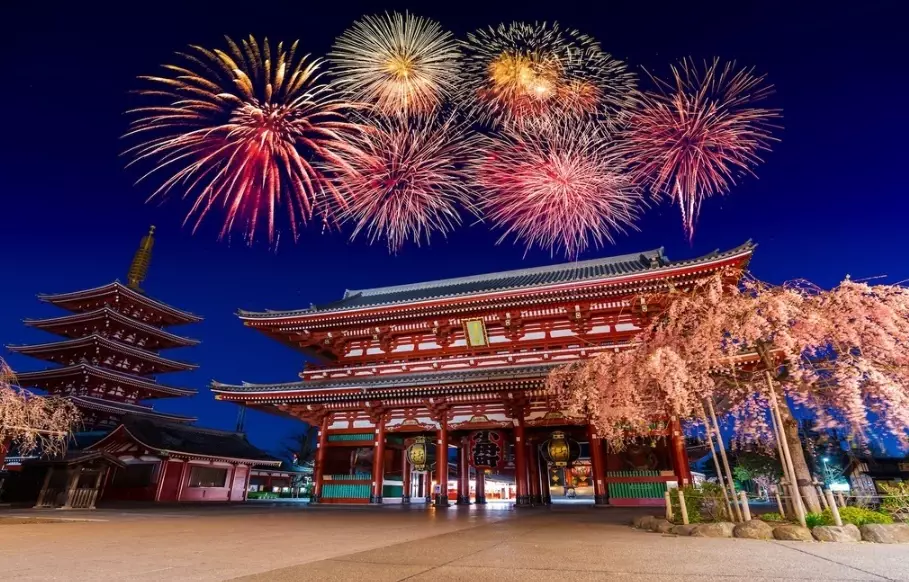
Asakusa is the perfect budget-friendly introduction. Drop your bags at your hotel (recommendations later) and walk to Senso-ji Temple. It's free. Wander down Nakamise-dori, but treat it as a browsing street—the snacks are good, but prices are tourist-inflated.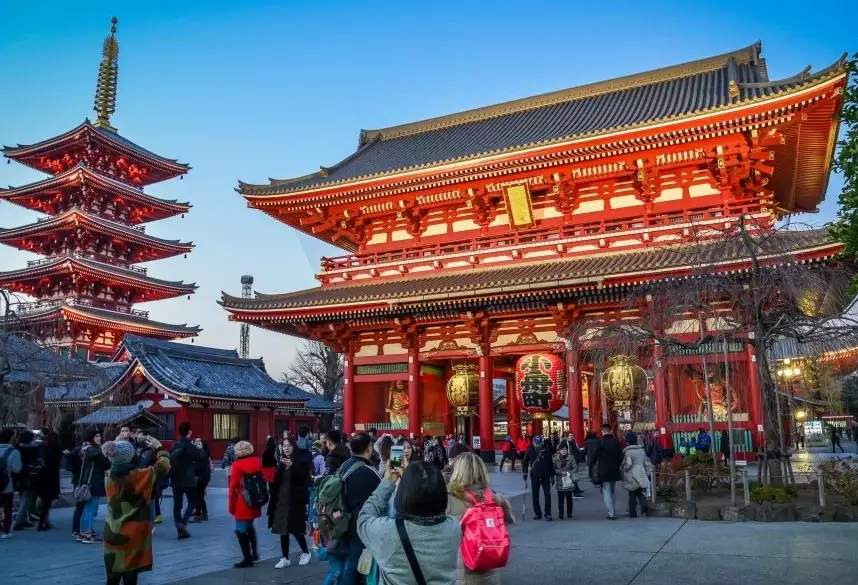
Here's a local secret: the real charm is in the side streets behind the temple. Find Hoppy Street (Hoppy Dori) for dinner. It's a row of tiny, bustling izakayas under the railway arches. Point at what others are eating. A draft beer and a few skewers will run you ¥1,500-¥2,000. It's loud, authentic, and won't break the bank.
Day 2: Tokyo's Modern Heart & Shibuya Scramble
Start at Meiji Jingu in Shibuya. This massive, serene Shinto shrine is free and a stunning contrast to the city. Walk through the forest—it feels miles away from Tokyo.
Exit near Harajuku. Takeshita Street is a spectacle, but for lunch, duck into one of the side-street cafes. Or, grab a famous Harajuku crepe (¥500-¥800) as a walking snack.
Afternoon in Shibuya. See the scramble crossing, of course. For a free, fantastic view, go to the Shibuya Sky building... but don't pay for the roof. The 45th-floor observatory lobby is free and has nearly as good a view. Later, for dinner, head to Nonbei Yokocho (Drunkard's Alley). It's a cluster of microscopic bars. Find one with an open seat, order a highball, and soak it in.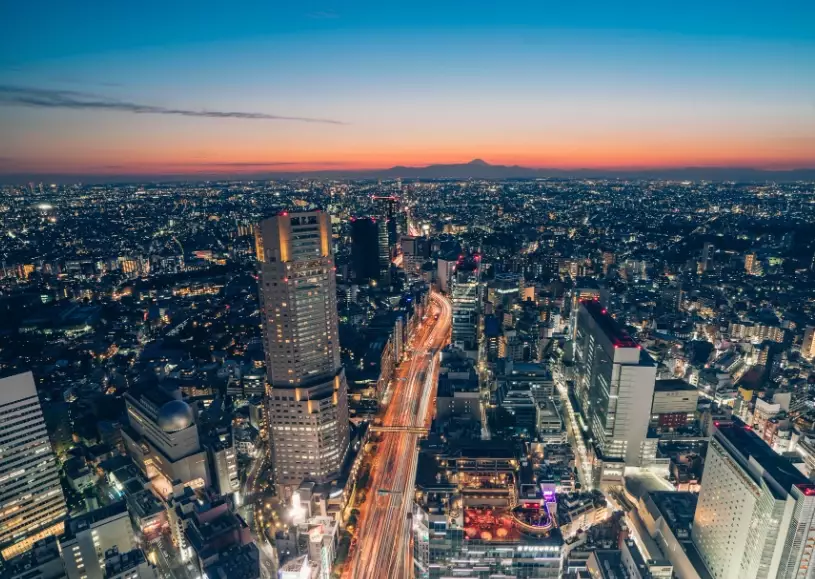
Day 3: Offbeat Tokyo & Ghibli Magic (or Alternatives)
If you planned months ahead and scored Ghibli Museum tickets (¥1,000, Mitaka), today's for that. Bookings are a brutal fight via the official Lawson ticket site.
If you didn't (most don't), don't worry. Here's a better, less stressful alternative: Shimokitazawa. Take the train to this neighborhood, a hub for thrift shopping, indie cafes, and vinyl records. It's Tokyo's hipster heart. Spend hours digging through stacks at Chicago or Flamingo thrift stores. Lunch at a tiny curry shop or udon stand.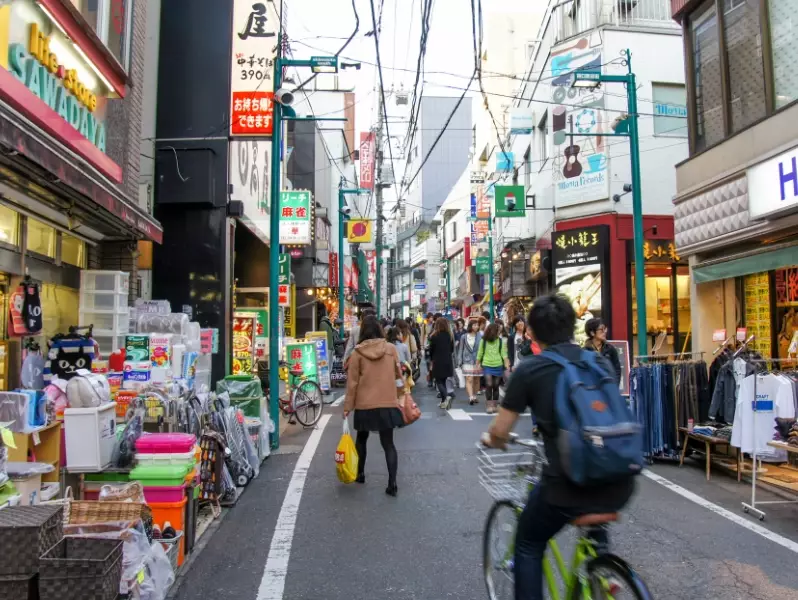
Evening: Shinjuku. Don't eat in the skyscrapers. Go to Omoide Yokocho (Memory Lane), aka "Piss Alley." It's a network of smoky yakitori stalls. It's cramped, it's intense, and a meal with a beer costs about ¥2,500. Pure Tokyo atmosphere.
Day 4: Tokyo to Kyoto & Southern Higashiyama
Check out, take the Shinkansen from Tokyo Station to Kyoto Station (about 2 hours 15 mins, ¥13,320 for a non-reserved seat on the Nozomi/Hikari). Pro tip: buy a bento box (ekiben) at the station for lunch on the train. It's an experience.
In Kyoto, drop bags at your lodging. Then, head to Southern Higashiyama. Start at Kiyomizu-dera Temple (¥400). The view is iconic. Walk down the stone-paved Sannen-zaka and Ninen-zaka streets. They're preserved historic lanes—beautiful but crowded. Resist the expensive matcha shops here.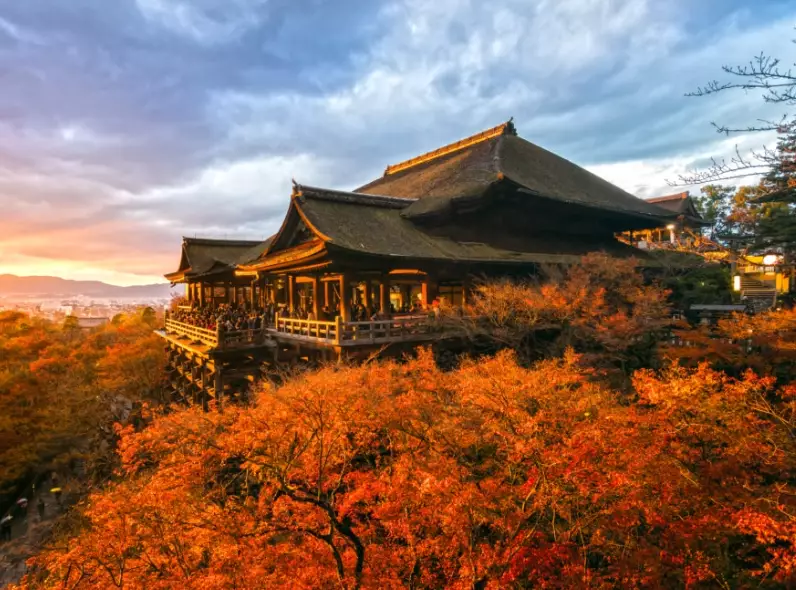
Walk to Yasaka Shrine (free), then into Maruyama Park. If it's cherry blossom or autumn season, it's packed. Otherwise, it's peaceful. For dinner, go to the area around Kiyamachi Street. Look for ramen shops with ticket vending machines outside. Order by pressing the button for the picture you want, give the ticket to the chef. A huge bowl is ¥800-¥1,200.
Day 5: Kyoto's Iconic Temples & Arashiyama
This is where most budgets fail. Kyoto's buses are slow and cost ¥230 per ride. The solution? Rent a bicycle. A shop near your hotel will charge ¥1,000-¥1,500 for the day. It's the single best investment for a Kyoto budget travel itinerary.
Cycle to Arashiyama. It's a 30-40 minute ride along the Kamo River—pleasant and flat. See the Bamboo Grove early (it's free, and gets insanely crowded). Visit Tenryu-ji Temple (¥500) for its stunning garden. Skip the crowded monkey park if you're tired.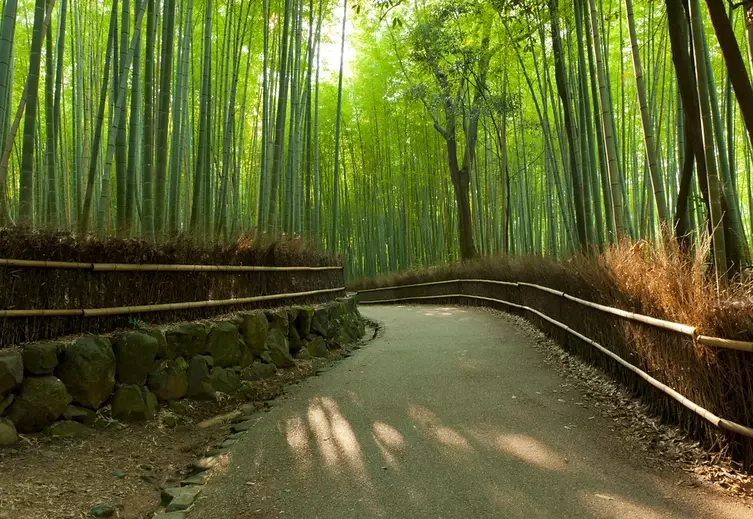
Cycle back a different route, perhaps stopping at Ryoan-ji Temple (¥500) to see its famous rock garden. Feeling the wind as you bike past temples beats a hot, packed bus any day.
Day 6: Fushimi Inari & Downtown Kyoto
Go to Fushimi Inari Taisha at sunrise. I'm serious. This famous shrine with thousands of red torii gates is free and open 24/7. At 7 AM, you'll have paths to yourself. By 9 AM, it's a human traffic jam. You don't need to hike all two hours to the top. Go up for 30-40 minutes, then turn back—you'll have seen the best parts.
Afternoon, explore downtown. Nishiki Market is a covered food market. Go for samples and sightseeing, not a full meal. Then, get lost in the shopping streets of Shinkyogoku and Teramachi.
Your final dinner in Japan. Try katsu-kare (pork cutlet curry) at a place like Katsu Kura in the station building. It's a hearty, delicious meal for under ¥1,500.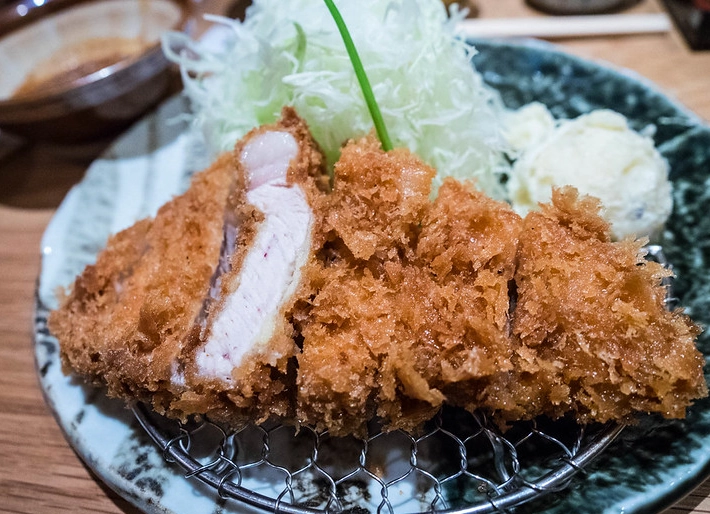
Day 7: Final Souvenirs & Departure
Last-minute shopping. Don't buy souvenirs at the airport. Don Quijote (Donki) is a chaotic discount chain perfect for Kit Kats, snacks, and quirky gifts. There's one in most major districts.
Take the Haruka express train or a bus from Kyoto Station to Kansai International Airport (KIX). If you have a Japan Rail Pass, the Haruka is covered. If not, the bus is often cheaper and just as comfortable.
The Nitty-Gritty: Budget Breakdown Table
Here’s where the rubber meets the road. This is a per-person estimate for a mid-range budget traveler, based on recent trips. Prices are in USD for simplicity.
| Category | Estimated Cost (7 Days) | Key Notes & Savings Tips |
|---|---|---|
| Accommodation | $280 - $350 | Business hotels or guesthouses @ $40-50/night. Book direct for deals. |
| Transport (Intercity & Local) | $180 - $220 | Shinkansen (Tokyo-Kyoto round trip ~$200). Local IC card: ~$20-30. |
| Food & Drink | $210 - $280 | $30-40/day. Mix conbini breakfast, cheap lunch, solid dinner. |
| Attractions & Activities | $40 - $60 | Many temples are ~$5. Splurge on one paid museum or observation deck. |
| Souvenirs & Misc | $50 - $80 | Set a limit. Don Quijote is your friend. |
| TOTAL (Excluding Flights) | $760 - $990 | A realistic target is $800-$850 with discipline. |
Where to Stay: Budget Accommodation Picks
I avoid hostels unless I'm truly pinching pennies. Japanese business hotels offer private rooms with tiny bathrooms for a reasonable price.
Tokyo (Asakusa Area): Toyoko Inn Asakusa Kuramae is a reliable chain. Rooms are compact but clean, include free breakfast (simple rice balls & miso soup), and have free laundry. Rates hover around $45-$65/night. Location is a 10-min walk from Senso-ji, near a subway station.
Kyoto (Near Station): Piece Hostel Sanjo blurs the line between hostel and hotel. They have private rooms (around $50-$70) that are stylish and quiet. The shared kitchen and lounge are spotless. It's a 15-minute walk from Kyoto Station, putting you in a local neighborhood with cheaper eateries.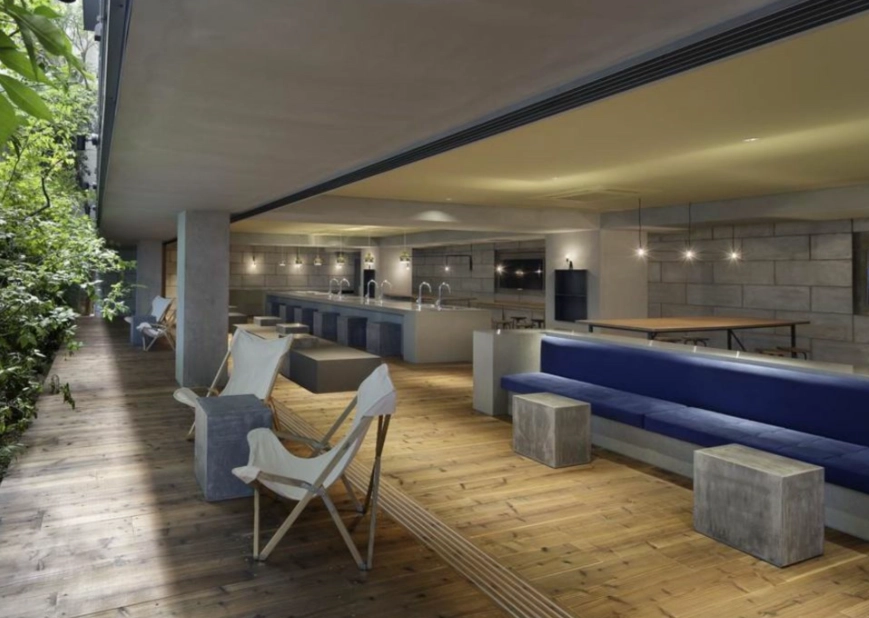
Fuel for the Journey: Budget Eats Guide
You will not go hungry. The myth of expensive Japanese food needs to die.
Breakfast: 7-Eleven. Their egg salad sandwich is a cult classic for a reason (¥250). Pair it with a coffee. Or try an onigiri—tuna mayo, salmon, pickled plum.
Lunch: Look for lunch sets (teishoku) at local restaurants. A tonkatsu (pork cutlet) set with rice, miso soup, and cabbage is ¥1,000-¥1,300. Ramen is always a winner for ¥800-¥1,200.
Dinner: Izakayas are your best value for a "real" meal. Order a few small plates to share. Chains like Torikizoku have all items at ¥330 (plus tax), including drinks. It's noisy and fun.
Snacks: Street food is limited in Tokyo but try imagawayaki (sweet bean cake) in Asakusa. In Kyoto, look for taiyaki (fish-shaped cake) or mitarashi dango (sweet rice dumplings).
Frequently Asked Questions (Answered by a Repeat Offender)
How can I find cheap accommodation in Tokyo?
What is the cheapest way to get around Japan?
Is it possible to eat well in Japan on a tight budget?
Can I do a budget trip to Japan without speaking Japanese?

Share Your Thoughts