You've seen the pictures of Shibuya Crossing and the Fushimi Inari gates. But let's be honest, fighting through selfie-stick-wielding crowds isn't why you fell in love with the idea of Japan. The real magic, the profound sense of history, exquisite craftsmanship, and warm hospitality, often lies in the lesser-known cities. These are places where you can wander a 400-year-old samurai district and not see another tourist for an hour. Where you can soak in an onsen with a mountain view that feels like it's yours alone. This isn't about skipping the classics; it's about discovering the Japan you thought you were going to find.
Your Quick Guide to Japan's Secret Spots
What Makes a City a 'Hidden Gem' in Japan?
It's not just about low tourist numbers. A true hidden gem offers a deep, unfiltered experience. It has significant historical or cultural sites that aren't over-manicured for mass tourism. The food scene is driven by locals, not Instagram trends. The pace is slower, allowing for genuine interaction. Most importantly, getting there requires a bit more intention—maybe a direct shinkansen isn't available—which acts as a natural filter. The cities below aren't obscure villages; they're vibrant, fully-fledged cities that international travelers often overlook for their more famous neighbors.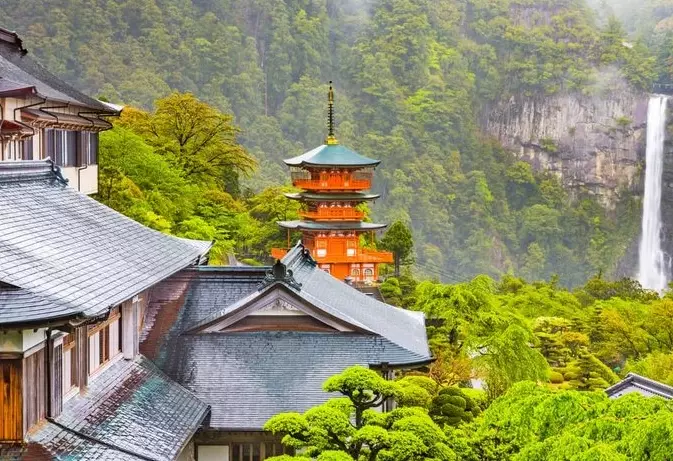
Pro Tip: Don't judge a Japanese city by its main station. Many of these gems have bland, modern station buildings. The treasure is always a 15-minute walk or a short tram ride away in the preserved historical districts.
Kanazawa: The Undisputed Cultural Capital
Calling Kanazawa a 'hidden gem' is starting to feel inaccurate—it's more of an 'emerging superstar.' But compared to Kyoto, it's still blissfully manageable. Dubbed 'Little Kyoto,' I find that label does it a disservice. Kanazawa has its own powerful identity, rooted in the wealthy Maeda clan who poured resources into arts and gardens instead of war.
What to See & Do in Kanazawa
Kenrokuen Garden is the star. It's one of Japan's 'Three Great Gardens,' and for good reason. It's vast, with different characters in each season. Go at opening (7:00 AM March-Oct, 8:00 AM Nov-Feb) to have the morning light and the sound of rakes on gravel mostly to yourself. Admission is 320 yen for adults. From there, walk to Kanazawa Castle Park (free for the park, 320 yen to enter some restored buildings). The scale is immense and gives you a real sense of feudal power.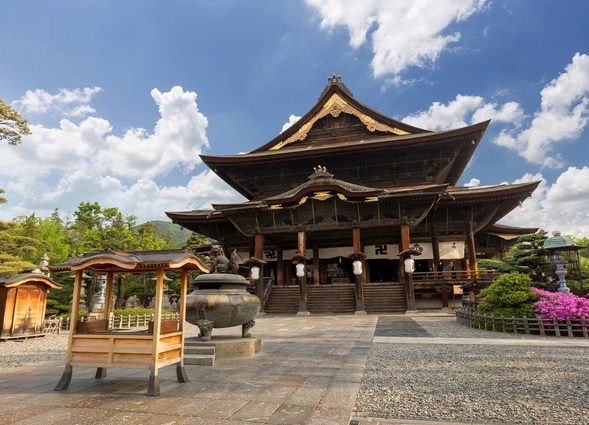
The Higashi Chaya District is the famous geisha area. It's beautiful but can get busy. My advice? Go early, then escape to the quieter Kazuemachi or Nishi Chaya districts across the river. You'll see the same lattice-work facades without the crowds.
For a modern contrast, the 21st Century Museum of Contemporary Art is brilliant. Even if you don't go inside (exhibition tickets vary), walking around its circular, glass structure and interacting with the free outdoor installations is a delight.
Eating & Staying in Kanazawa
Kanazawa is a seafood heaven thanks to its port. Omicho Market is the place. Skip the generic tourist stalls at the entrance and head deeper. Look for small counters serving kaisen-don (fresh seafood bowls). A generous bowl with uni, ikura, and crab will run you 2,500-4,000 yen. For a sit-down dinner, try Curio Bar (2-15-17 Katamachi) for incredible small plates and local sake in a cozy, non-touristy setting.
Stay in a machiya (traditional townhouse) rental near the Nagamachi Samurai District. You'll pay 12,000-20,000 yen per night for an entire house, offering more space and atmosphere than a standard hotel room.
Matsumoto: Alpine Beauty & Feudal Grandeur
Most people use Nagano as a base for the mountains. That's a mistake. Matsumoto, an hour away, gives you a stunning castle, a vibrant arts scene, and direct access to the Japanese Alps without the resort-town prices. The air here is crisp, the views are dramatic, and the city has a confident, unpretentious vibe.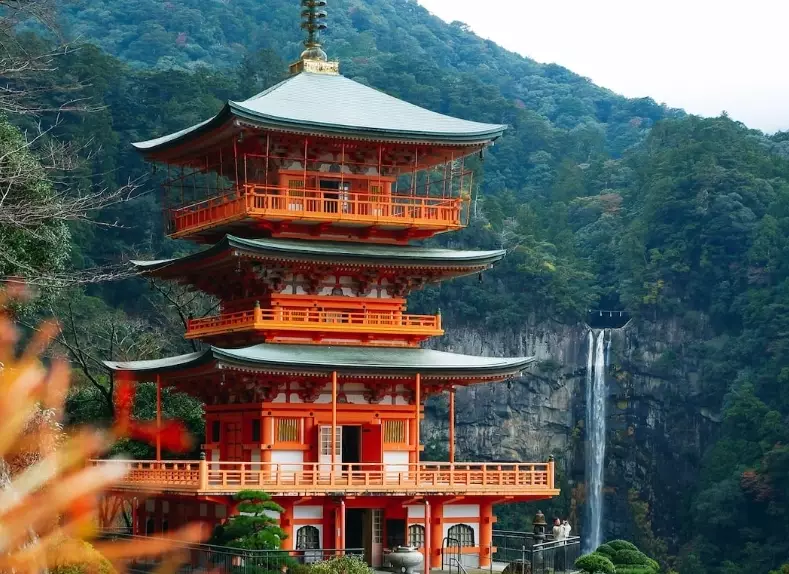
The Heart of the City: Matsumoto Castle
Matsumoto Castle (Matsumoto-jo) is the reason to come. It's one of Japan's few original 'hirajiro' (plains castles), built on flat land rather than a hill. Its black-and-white facade is hauntingly beautiful, earning it the nickname 'Crow Castle.' Inside, it's the real deal—steep, ancient wooden staircases, low doorways (watch your head), and samurai weapon displays. The view from the top floor over the city to the Alps is worth the climb. It's open 8:30 AM to 5:00 PM (last entry 4:30 PM). Admission is 700 yen. Get there for opening to see the moat reflections without the tour groups.
Beyond the Castle Walls
Spend an afternoon at the Matsumoto City Museum of Art (400 yen). It's dedicated largely to Yayoi Kusama, who was born nearby. Seeing her iconic polka-dot pumpkins and infinity rooms here feels more personal than in Tokyo. Then, walk the Nakamachi Street with its distinctive white-walled kura (storehouse) buildings, now housing cafes and craft shops.
The real hidden gem move? Take a 75-minute bus ride from Matsumoto Station to Kamikochi. This highland river valley is the gateway to the North Alps. It's a protected national park, so no private vehicles are allowed. Walk the pristine trails along the Azusa River with views of the Hotaka mountains. It's a day trip that showcases Japan's raw natural beauty. The bus costs about 2,500 yen round trip.
Kochi: The Wild Spirit of Shikoku
If you want to feel like you've discovered a secret, go to Kochi on Shikoku island. It's defined by samurai rebellion, wild coastline, and a love for bold flavors and strong drink. This is not a refined Kyoto experience; it's energetic, hearty, and incredibly welcoming.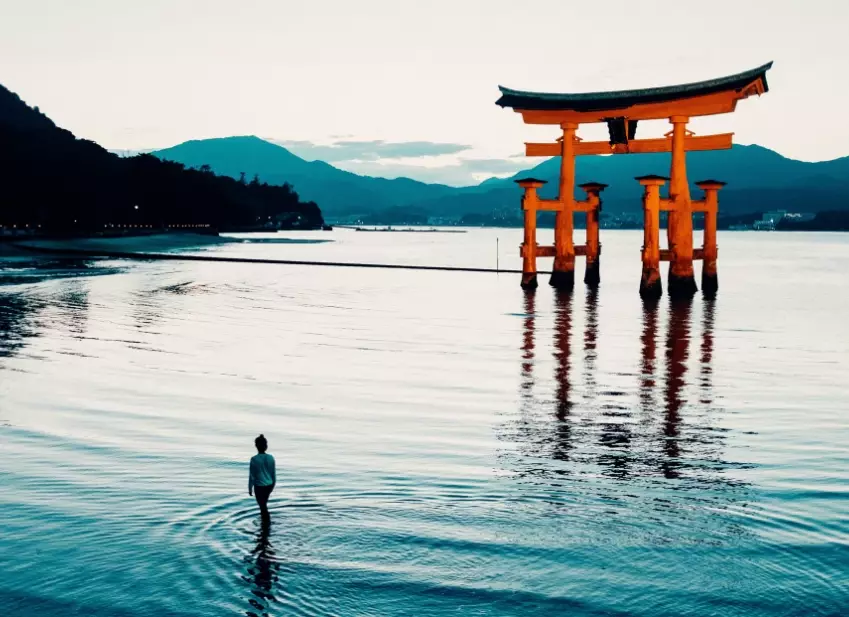
Samurai Spirit & Sunday Markets
Kochi Castle is one of the country's few castles to retain its original tenshu (keep) from the 1600s. You can go up to the top floor for panoramic views. More impressive is the adjacent Katsurahama Beach, a dramatic pine-lined bay with a statue of the local hero, Sakamoto Ryoma. The beach isn't for swimming, but for powerful views.
Time your visit for a Sunday. The Kochi Sunday Market stretches for over a kilometer from the castle to the city center. It's been running for 300 years. You'll find local farmers, street food, and crafts. It's pure, unfiltered local life. Just be ready for crowds—the good, local kind.
Kochi's Food & Drink: An Adventure
Kochi is famous for katsuo no tataki—seared bonito. It's not sushi. The fish is lightly charred over straw, leaving the inside rare, and served with garlic, ginger, and ponzu. Try it at Hirome Ichiba, a huge, bustling indoor market hall. Grab a plate (around 1,000 yen), a glass of local Tosashimizu beer, and find a spot at a shared table.
Kochi also produces some of Japan's most prized sake. Visit a local izakaya like Eikoku-ya (1-9-18 Obiyamachi) and ask for recommendations from breweries like Tosa no Aki or Kubota.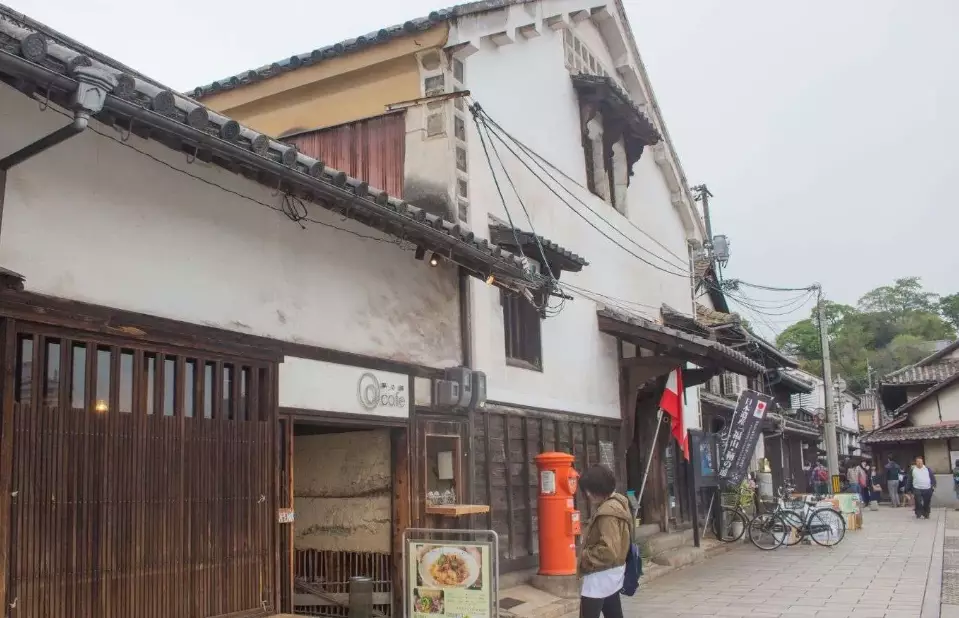
How to Plan Your Hidden Gems Trip
Here’s a quick comparison to help you decide which city might be your perfect fit. I've based this on over a decade of traveling these routes.
| City | Best For | Key Access (from Tokyo) | Recommended Stay | Vibe |
|---|---|---|---|---|
| Kanazawa | Gardens, traditional crafts, geisha culture, seafood | Shinkansen (Hakutaka): ~2.5 hours | 2-3 nights | Elegant, refined, artistic |
| Matsumoto | Castle, alpine scenery, hiking, contemporary art | Limited Express (Azusa): ~2.75 hours | 2 nights (add a 3rd for Kamikochi) | Rugged, historic, outdoorsy |
| Kochi | Adventure, local markets, bold food, history | Plane to Kochi Ryoma Airport: ~1.5hrs + transfer OR Train via Okayama: ~5.5 hours | 2 nights | Energetic, hearty, rebellious |
The biggest planning mistake? Trying to do all three in one trip. Pick one, maybe two, and pair it with a major hub like Tokyo or Osaka. You'll spend less time on trains and more time actually experiencing the place. For example: Tokyo (3 nights) → Shinkansen → Kanazawa (3 nights) → Limited Express → Kyoto (3 nights). That's a perfect 9-day trip.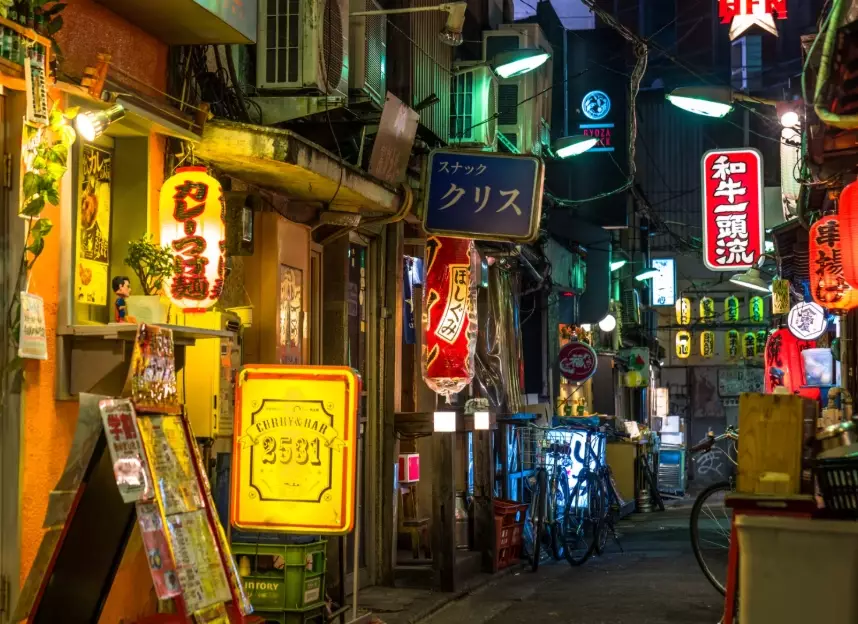
Your Hidden Gems Japan Questions Answered
Is it difficult to get to these hidden gem cities without speaking Japanese?
Not at all. Major train stations have clear English signage. For buses to places like Kamikochi, the bus terminal will have posted timetables in English. In restaurants, many have picture menus or plastic food displays. The key is to use a translation app for specific questions and to learn a few basic phrases like "sumimasen" (excuse me) and "arigatou gozaimasu" (thank you). People appreciate the effort and will go out of their way to help.
What's the one thing most travelers miss when visiting these off-the-beaten-path cities?
They treat it like a checklist. They see the castle, the garden, and leave. The magic happens in the evening. Stay overnight. Wander the streets after the day-trippers have left on the last train. Have dinner at a small izakaya where you're the only foreigner. That's when you'll hear the local dialect, see salarymen relaxing, and feel the true rhythm of the city. In Kanazawa, a nighttime stroll through the illuminated Kenrokuen (select periods only) is a completely different, ethereal experience.
Are these cities suitable for a first-time visitor to Japan, or should I stick to Tokyo/Kyoto?
They are excellent for a first-time visitor, especially if you're the type who dislikes crowds. The infrastructure is still very tourist-friendly, just less saturated. Kanazawa, in particular, is a fantastic alternative to Kyoto if you want the traditional atmosphere without the intense pressure. You'll get a more relaxed, spacious, and arguably more authentic version of the classic Japanese cultural experience. Just make sure your itinerary has a logical travel route to avoid backtracking.
How do I find authentic local restaurants and avoid tourist traps in these places?
First, walk at least two blocks away from the main tourist attraction. Second, look for places filled with locals at lunch or dinner time—a line is a great sign. Third, use Tabelog (Japan's Yelp, ratings are harsh, so a 3.5 is excellent). Even with limited Japanese, you can search by city and see pictures. Finally, don't be afraid of a restaurant with no English menu. Pointing at what other people are eating or at pictures on the wall is a perfectly valid and fun way to order.




Share Your Thoughts