Explore This Guide
- Why Bother with a Hands-On Workshop in Kyoto?
- The Kaleidoscope of Crafts: What Can You Actually Try?
- Navigating the Workshop Landscape: A Curated Look at Options
- The Realistic Guide to Booking Your Kyoto Craft Workshop
- Your Workshop Day: What to Expect & How to Prepare
- Answering Your Burning Questions (The FAQ Nobody Puts Together)
- Wrapping It Up: Your Path to a Deeper Kyoto
Let's be honest, visiting temples in Kyoto is amazing, but after a while, you might crave something more interactive. Something that lets you touch, create, and connect with the city's soul beyond just looking. That's where Kyoto traditional craft workshops come in. They're not just tourist activities; they're your backstage pass to a living culture practiced for centuries. I remember my first time trying Kyoto traditional craft workshops – I was nervous about my clumsy hands ruining a beautiful piece of pottery. But the sense of calm and focus, and walking away with something I made myself (even if it was a bit lopsided), was unforgettable. It felt real.
But here's the thing that nobody really talks about upfront: not all workshops are created equal. Some feel rushed, some have teachers who speak minimal English (which can be fine, but you need to know what you're getting into), and others are so popular they book out months in advance. The magic lies in finding the one that matches your pace, your interest, and your travel style. This guide is here to cut through the noise. We'll walk through the different crafts you can try, share some specific places that get it right (and a few warnings), and give you the real nitty-gritty on how to actually book these experiences. Think of it as a chat with a friend who's been there, made a few mistakes, and wants you to have the best time possible.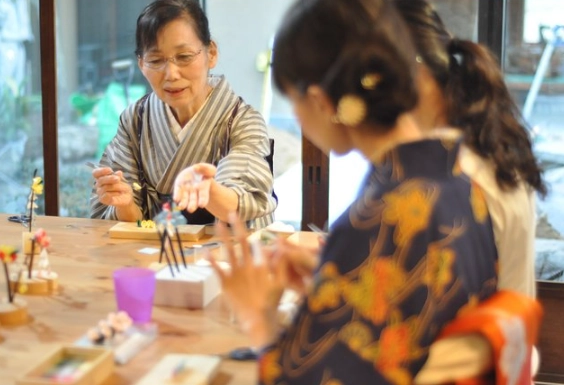
Why Bother with a Hands-On Workshop in Kyoto?
You could just buy a beautiful Kiyomizu-yaki teacup or a Nishijin-ori obi sash. So why spend two hours getting your hands dirty? The difference is in the memory. It's the tactile feel of the clay, the smell of the indigo dye, the quiet concentration in the room. You're not just learning a skill; you're participating in a lineage. Organizations like the Kyoto Museum of Traditional Crafts (Fureaikan) do a fantastic job of preserving and explaining these arts, but a workshop takes you from observer to participant.
For families, it's a brilliant way to engage kids. For solo travelers, it's a meditative break. And for anyone, it's a story you get to bring home, literally. Your souvenir has a context, a struggle, and a triumph baked into it.
The Kaleidoscope of Crafts: What Can You Actually Try?
Kyoto's traditional craft scene is incredibly diverse. It's not just pottery (though that's a huge part). Knowing what's out there helps you pick something that genuinely sparks your interest. Here’s a breakdown of the major categories you'll encounter when searching for traditional craft workshops in Kyoto.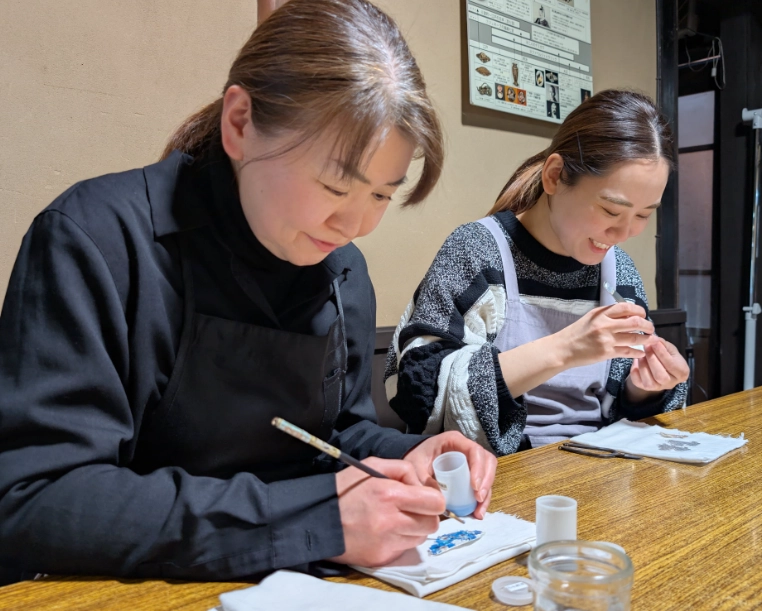
Pottery & Ceramics (Kiyomizu-yaki, Kyo-yaki)
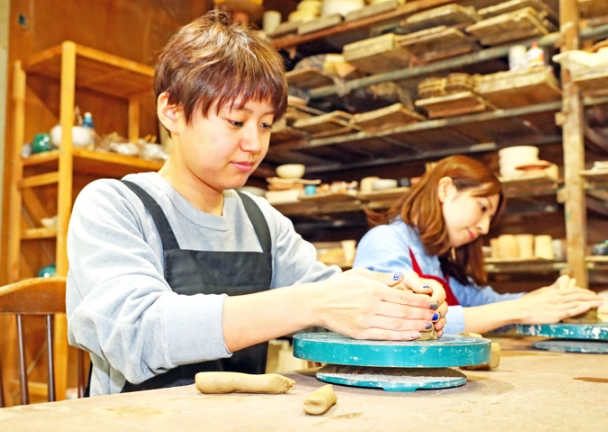
This is the classic, hands-down the most popular choice. You're working with Kyoto's famous ceramics. Workshops usually offer two main techniques: rokuro (potter's wheel) or tebineri (hand-building). The wheel is iconic but can be surprisingly difficult to master in one session. Hand-building – coiling or pinching clay – is often more accessible and allows for more creative shapes.
What they don't always tell you: Your creation needs to be fired, glazed, and fired again. This means you cannot take it home the same day. Shipping internationally can be expensive and nerve-wracking. Many studios offer a local pickup or domestic shipping option only. Always ask about the finishing and shipping process before you book.
Textile Arts (Kyo-yuzen, Kyo-kanoko Shibori, Weaving)
If you love color and pattern, this is your realm. Kyo-yuzen involves painting intricate designs on silk with rice-paste resist. It's detailed and stunning. Shibori (tie-dye) is more physical – you bind, stitch, or clamp fabric before dyeing it. It's incredibly satisfying to unwrap your piece and see the pattern emerge.
Metalwork & Lacquerware
These are less common but offer a deep dive into precision crafts. You might try mokume-gane (metal laminating) to create a unique ring pattern, or apply gold leaf (kinpaku) and maki-e (sprinkled metal powder) designs onto a lacquerware item like a chopstick rest or small box. These workshops often feel more like a masterclass and can be pricier, but the level of craftsmanship you witness is extraordinary.
Woodworking & Bamboo Craft
From making your own kumiko (delicate wooden lattice) coaster to weaving a small bamboo basket, these workshops connect you to Japan's profound wood culture. They require patience and a steady hand, but the organic materials are a joy to work with. The smell of cedar or bamboo in the workshop is part of the experience.
So, which one is for you? It depends on your patience, your desire for an instant result, and what you're drawn to. Don't just pick the first one you see on a travel blog.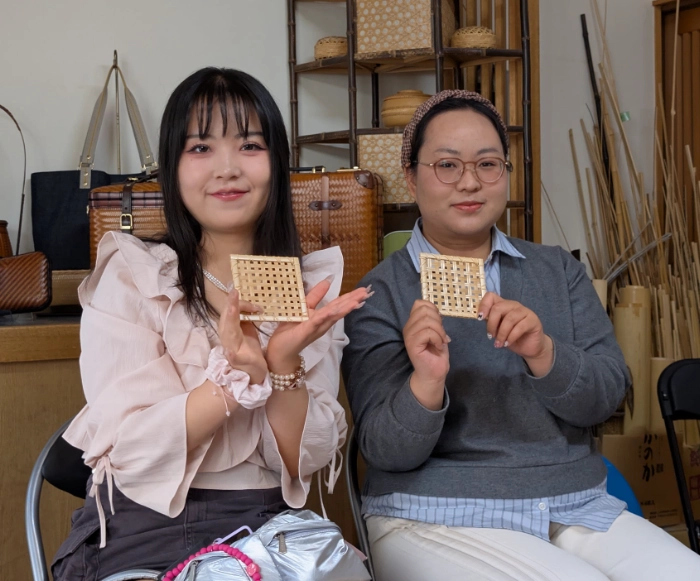
Navigating the Workshop Landscape: A Curated Look at Options
I'm wary of just giving a "top 5" list because your "best" depends entirely on what you value. Is it English support? A serene atmosphere? A location near major sights? A guaranteed same-day takeaway? Instead, let's categorize some well-regarded Kyoto traditional craft workshops by what they excel at. I've visited or known people who've had great experiences at these, but I'll also note potential drawbacks.
| Workshop Name / Focus | Best For... | What's Great | Points to Consider |
|---|---|---|---|
| Kagizen Yoshifusa (Gion) Kyo-kanoko Shibori |
Convenience & Authenticity | Located in the heart of Gion. Run by a historic tea house and sweets shop. The setting is beautiful and feels deeply connected to the geisha district's culture. You make a high-quality silk handkerchief. | Sessions can be short (about 60 mins). It's more of a refined taste of the craft than a deep dive. Booking essential. |
| Kyoto Pottery Center (Kiyomizu area) Pottery (Wheel & Hand-building) |
Beginners & Variety | Extremely foreigner-friendly with multiple English-speaking staff. Offers a wide range of pottery experiences at different price points. A reliable, no-surprises option, especially for first-timers looking for traditional craft workshops Kyoto. | Can feel a bit "touristy" and institutional compared to a smaller, private studio. The class size might be larger. |
| Asahi-do (Arashiyama) Bamboo Craft |
Serene, Nature-Inspired Experience | Tucked away in Arashiyama, the bamboo forest area. The workshop is peaceful, and crafting with bamboo here feels perfectly contextual. You make beautiful, functional items like tea whisks (chasen) or small baskets. | Requires a trip to Arashiyama. Instruction in Japanese primarily, but they are very patient and use visual demonstration. |
| Kobo Kiridoshi Metalwork (Mokume-gane Ring Making) |
A Unique, High-End Souvenir | An incredibly special experience making a real metal ring using ancient samurai sword-making techniques. The result is a stunning, one-of-a-kind piece of jewelry. The master craftsman is passionate and skilled. | One of the more expensive options. Requires advanced booking and a longer time commitment (half-day). |
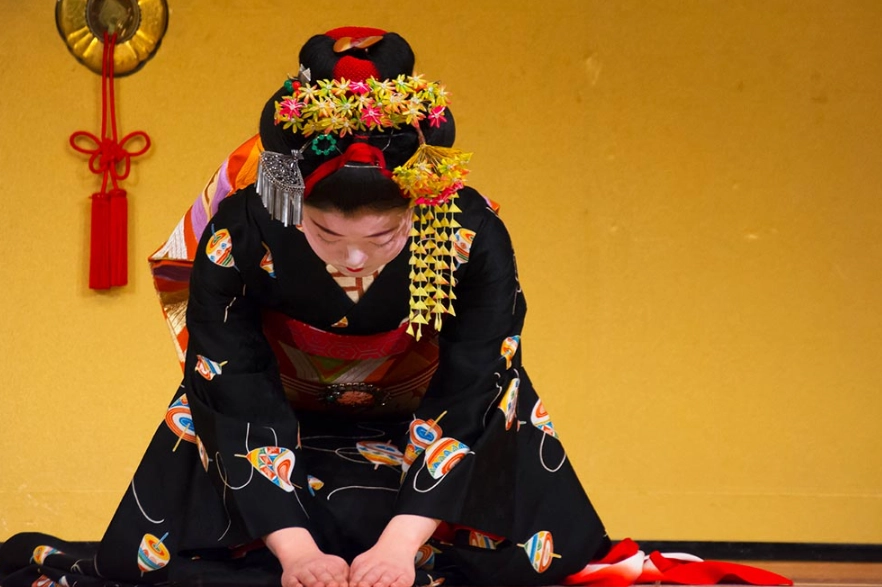
| Various Maiko Make-up & Kimono Dressing Experiences | Photogenic Fun & Dress-Up | While not a "craft" in the making sense, it's a hands-on cultural immersion into the arts of the geiko/maiko world. Incredibly popular for the photos and the transformative feeling. | It's a performance/application, not a skill you learn to do yourself repeatedly. Can be crowded. |
See what I mean? Your choice hinges on your priorities.
The Realistic Guide to Booking Your Kyoto Craft Workshop
This is where most guides gloss over the details. Booking a traditional craft workshop in Kyoto isn't like booking a museum ticket. It requires a bit of strategy.
Timing is Everything: How Far in Advance?
For popular workshops, especially during peak seasons (cherry blossom, autumn foliage, and Golden Week), you need to think months ahead. I'm talking 3 to 6 months for the most sought-after places like Kobo Kiridoshi or specific textile masters. For more general pottery classes, 1-2 months is a safer bet. Last-minute bookings are possible, but your options will be severely limited, often to larger studios with daily sessions.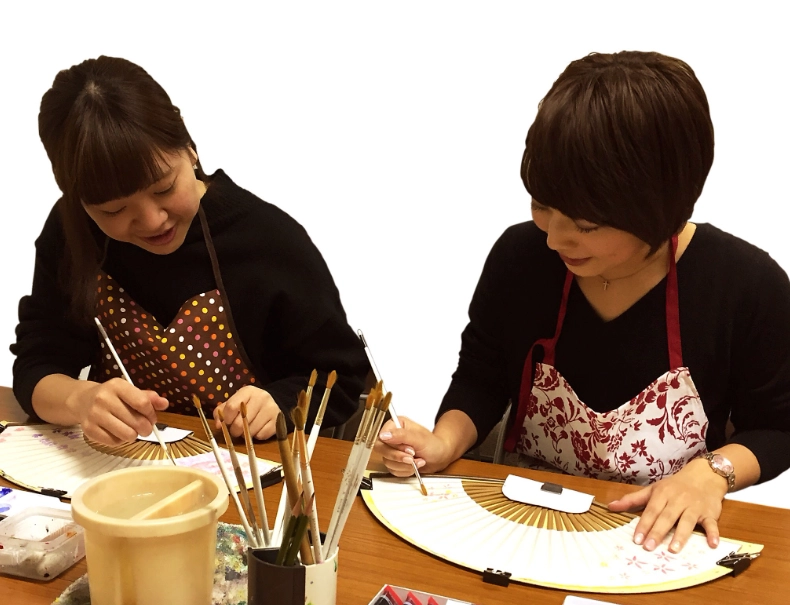
Where and How to Book
- Direct Website (Best): If the workshop has its own site with an English booking page, use it. You often get the most accurate schedule and pricing.
- Third-Party Platforms: Sites like Airbnb Experiences and Viator have become major hubs for Kyoto traditional craft workshops. The upside is integrated reviews, often in English, and a familiar booking process. The downside is they take a commission, so prices might be slightly higher.
- Email or Phone (For the Determined): Some smaller, traditional studios only accept bookings via email (sometimes in Japanese) or phone. This can be a hurdle, but using simple, polite English or getting help from your hotel concierge can unlock incredible hidden gems.
- Walk-in (The Gamble): A few larger centers, like the Kyoto Pottery Center, might accept walk-ins if there's space. Never rely on this as your plan A.
The Crucial Questions to Ask Before You Confirm
Don't just click "book." Get clarity. If the information isn't on the website, send a quick email.
- What's included in the price? (Materials, firing, glazing, shipping?)
- What is the exact process for finishing my item? Can I pick it up? How long does firing take (pottery can be 1-2 months!)? What are the shipping costs and options to my country?
- What is the language of instruction? If it's Japanese, is there any English guidance or visual aid?
- What is the cancellation policy? This is critical. Many have strict 48-72 hour policies.
- Is there an age limit for participants? Great for planning family trips.
Your Workshop Day: What to Expect & How to Prepare
Okay, you're booked. Now what? Showing up prepared makes the experience ten times better.
What to Wear: This isn't a fashion show. Wear comfortable, old clothes you don't mind getting dirty. For pottery, clay washes out but can be messy. For dyeing, wear something dark or that you wouldn't cry over if a speck of indigo lands on it. Avoid long, dangling sleeves and jewelry that can get in the way.
Mindset: Go in to enjoy the process, not to create a masterpiece. Embrace the imperfections. Listen closely, watch the teacher's hands, and don't be afraid to ask for help (even with gestures). The atmosphere in these traditional craft workshops in Kyoto is usually quiet and focused, almost meditative. Follow that lead.
Logistics: Be on time. Many workshops are in residential areas or small buildings. Use Google Maps and give yourself a buffer to find the place. It's often a discreet door or sign.
And please, put your phone away once the demo is over.
Immerse yourself. The constant clicking and checking breaks the flow for you and can be distracting for others. This is your time to be present.
Answering Your Burning Questions (The FAQ Nobody Puts Together)
Based on forums, travel groups, and my own puzzled moments, here are the real questions people have.
I don't speak Japanese. Is this a problem?
For workshops marketed internationally on platforms like Airbnb Experiences, it's usually not a problem at all. For more traditional studios, it can be a barrier, but not always a deal-breaker. Crafts are visual. A good teacher can demonstrate. I've had wonderful, wordless lessons. If you need verbal instruction, stick to places that explicitly advertise English support.
Are these workshops suitable for children?
Many are, but always check the age policy. Pottery wheels require strength and coordination often suited for teens and adults. Hand-building, simple shibori, or gold leaf application can be fantastic for younger kids (think 6+). Look for workshops labeled as family-friendly.
What if my creation turns out... bad?
It won't be "bad," it will be uniquely yours! Instructors are there to guide you to a successful finish. In pottery, they'll often recenter your clay or help smooth edges. The charm is in its handmade quality. Let go of perfectionism.
Can I really do a workshop in just 2 hours?
Absolutely. Most introductory workshops are designed to be completed in 60 to 120 minutes. They provide pre-prepared materials (e.g., a centered ball of clay for the wheel, a pre-sewn silk cloth) so you can jump into the core creative action. It's a satisfying taste, not a comprehensive course.
What's the deal with cancellations due to weather?
Almost all workshops run regardless of weather, as they're indoors. It's actually a brilliant rainy-day activity in Kyoto. Cancellation is only likely in extreme circumstances (typhoon warnings), and the studio will contact you.
Wrapping It Up: Your Path to a Deeper Kyoto
Searching for the perfect Kyoto traditional craft workshop is part of the adventure. It forces you to look beyond the guidebook top-ten lists and consider what kind of experience you truly want. Do you want the convenience of an English-speaking pottery class near Kiyomizu? Or the challenge and authenticity of a bamboo workshop in Arashiyama with minimal language?
My strongest advice is to book early, read the fine print about finishing your piece, and choose a craft that calls to you, not just the one with the best Instagram photos. The goal isn't to become a master in an afternoon. The goal is to sit in a quiet room in Kyoto, focus your mind on your hands, and for a little while, participate in a thread of history that's still vibrantly alive.
That lopsided bowl I made years ago? It sits on my desk holding paperclips. Every time I see it, I don't just see Kyoto; I remember the feel of the clay, the quiet hum of the wheel, and the calm that settled over me. That's the real souvenir. And that's something no mass-produced trinket can ever give you.
So go ahead, get your hands dirty. You'll bring home more than just an object.



Share Your Thoughts