Let's clear something up right away. When people search for "Art Island Tokyo," they're usually not looking for a literal island. They've heard whispers about a place where nature and massive contemporary art collide, somewhere on the Tokyo waterfront. That place has a name: Umi no Mori (Sea Forest), and it's the heart of what we call Tokyo's art island experience. It's a reclaimed land area in Tokyo Bay that hosts the incredible Umi no Mori Art Island Open-Air Gallery, a permanent exhibition of sculptures and installations you can wander through freely.
But here's the thing most quick guides miss. "Art Island Tokyo" isn't just one pin on a map. It's a vibe, a cluster of creative spaces around Tokyo Bay that reward the curious traveler. It's about the journey there—sometimes by a charming little ferry—and the surprise of finding world-class art without the hushed silence of a museum. You're outside, the wind is blowing, and that giant, colorful sculpture looks completely different from every angle.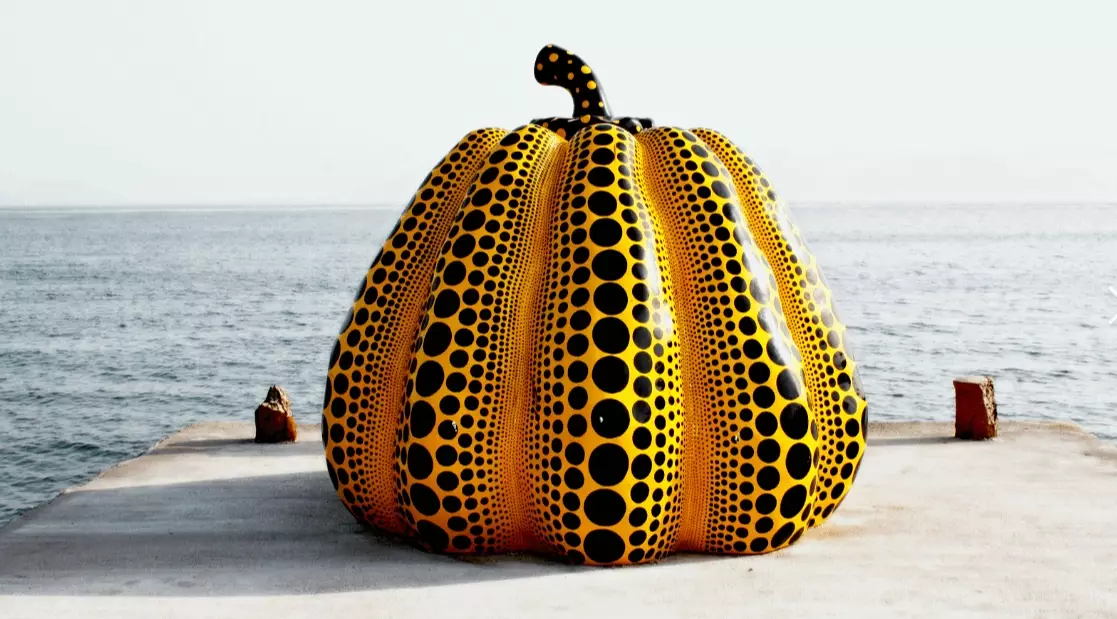
I've been out there half a dozen times, in different seasons, and I still find new details. This guide is for you if you're tired of the crowded temples and want to see Tokyo's modern, creative pulse. We'll cover exactly how to get there, what to see, crucial tips nobody tells you, and how to weave it into a perfect Tokyo day.
Your Quick Navigation Map
What Exactly Is "Art Island Tokyo"?
The core of the concept is Umi no Mori, a vast green space built on reclaimed waste disposal sites. It was developed as part of Tokyo's environmental greening projects. Within this park, the Umi no Mori Open-Air Gallery was established, featuring large-scale permanent installations by renowned Japanese and international artists. Think of it as a museum without walls or admission fees, spread across rolling hills with views of Tokyo Bay.
A common misconception is that it's remote. It's not. It's in Koto Ward, accessible from central Tokyo in under an hour. The term "island" can be confusing—it's not surrounded by water like Odaiba, but it feels isolated in the best way, a green sanctuary dotted with art.
The project has official backing from the Tokyo Metropolitan Government, aiming to blend environmental restoration with cultural enrichment. You can read about the broader vision on the Tokyo Metropolitan Government's official website under their urban development and park planning sections.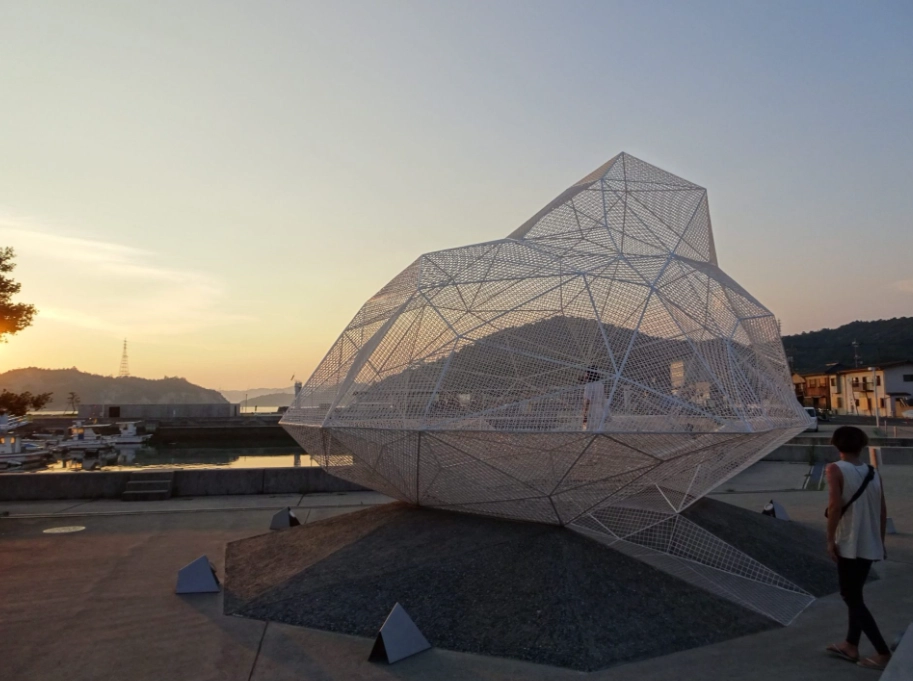
Planning Your Visit: Tickets, Hours & How to Get There
This is where we get practical. Getting the logistics wrong can eat up half your day.
The Essential Info Box
Official Name: Umi no Mori (Sea Forest) / Umi no Mori Open-Air Gallery
Address: 3-2 Uminomori, Koto-ku, Tokyo 136-0081
Admission: COMPLETELY FREE. No tickets required.
Opening Hours: The park is open 24 hours, but it's strongly recommended to visit during daylight hours (sunrise to sunset) for safety and to properly see the art. The surrounding facilities like restrooms have more limited hours.
Best Time to Visit: Weekday mornings. Weekends see more local families. Spring (cherry blossoms nearby) and autumn are stunning, but even a bright winter day has a stark, beautiful atmosphere.
Your Transportation Options, Ranked
How you get there changes the experience. Here’s my breakdown:
| Method | Route Details | Travel Time | The Vibe & My Take |
|---|---|---|---|
| Tokyo Water Bus (Ferry) | From Hinode Pier (near Hamamatsucho) to Heiwajima Pier, then a 25-min walk/bus. | ~50 min total | The most "island" feeling. Scenic bay views. The walk from Heiwajima is through an industrial area—not pretty, but an authentic slice of Tokyo. Perfect if you have time and want an adventure. |
| Train & Walk | JR Keiyo Line to Shin-Kiba Station, then a 30-minute walk through the park. | ~40 min from Tokyo Stn | The most direct. The walk is through the park itself, so you see art along the way. It's a pleasant, flat walk. My default choice for efficiency. |
| Rent a Bike | Rent a bike near Shin-Kiba Station and cycle in. | ~15 min cycle from station | Absolutely the best way to explore. The park has great paths. You cover more ground and feel the breeze. Highly recommended if you're comfortable cycling. |
| Bus | From Shin-Kiba Station, take the Toei Bus (Umi01 or Umi02) to "Umi no Mori Sanbashi" stop. | ~10 min bus ride | Good for those who can't walk far. Bus frequency isn't super high, so check schedules to avoid a long wait. |
One pro tip everyone misses: Don't rely on Google Maps for the walking route from Shin-Kiba. It often suggests a longer road route. Look for the pedestrian/bicycle entrance directly north of the station—it's a straight shot into the parkland.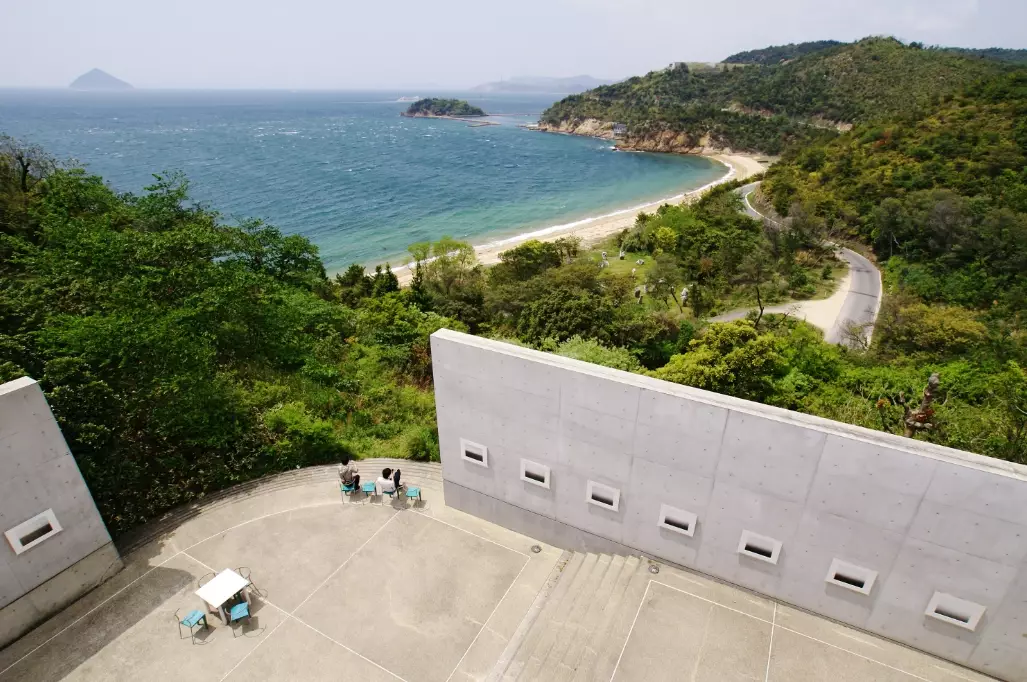
The Must-See Artworks at Umi no Mori
With over a dozen pieces, you could wander for hours. These are the ones that stopped me in my tracks.
1. "The Myth of Tomorrow" by Okamoto Taro
This isn't just art; it's a piece of history. A massive mural originally created for a Mexico City hotel, it was lost for decades before being rediscovered and installed here. It depicts the moment of the atomic bomb explosion. It's haunting, powerful, and the centerpiece of the entire gallery. You can't miss it.
2. "The Island of the Light" and "The Island of the Twilight" by Fujiko Nakaya
Fujiko Nakaya is famous for her fog sculptures. These two pieces are subtle—grassy mounds that periodically emit a fine mist. On a hot day, it's magical. On a still day, you might miss the activation. Check if there's a schedule posted nearby, or just get lucky. It transforms the landscape.
3. "Love" by Robert Indiana
Yes, the famous LOVE sculpture, but in Japanese! The characters 愛 (ai, meaning love) are stacked in the same iconic style. It's a fantastic cultural fusion and a great photo spot. It feels both familiar and uniquely Japanese.
4. "Rainbow House" by Kusama Yayoi
A smaller, permanent outdoor piece from the queen of polka dots. A charming, colorful house-shaped structure. It's not the overwhelming infinity room experience, but a sweet, signature touch from one of Japan's most famous artists.
The beauty is in the discovery. You'll round a corner and find a bizarre geometric structure, or a bench that's itself a sculpture. Bring water and snacks—while there are vending machines near the entrance, options inside are limited.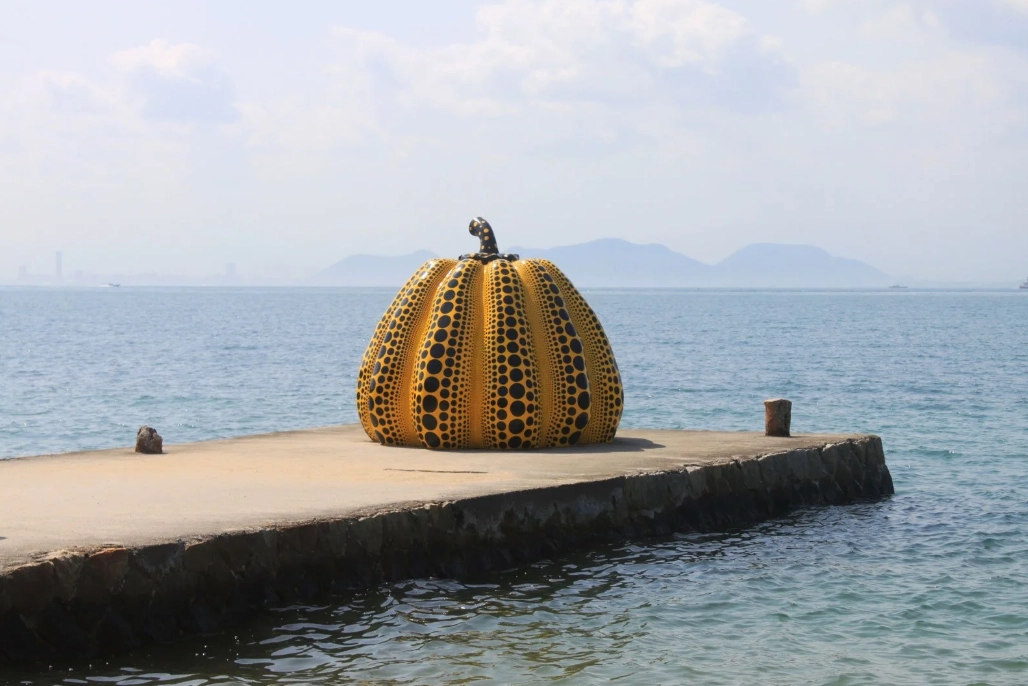
Crafting Your Perfect Art Island Day Itinerary
Umi no Mori alone can take 2-3 hours. To make a full, unforgettable day of it, combine it with nearby gems. Here are two sample itineraries based on your style.
Itinerary A: The Art & Nature Immersion (Full Day)
10:00 AM: Arrive at Shin-Kiba Station. Rent a bicycle if possible.
10:15 - 1:30 PM: Explore Umi no Mori Art Island at a leisurely pace. Find a quiet spot for a picnic lunch (bring your own).
1:30 PM: Cycle or walk north to Kiba Park, another lovely green space.
3:00 PM: Head to the Museum of Contemporary Art Tokyo (MOT) in Kiba. It's a stunning building with excellent rotating exhibitions. This bridges the outdoor and indoor art experience perfectly.
Evening: Have dinner in the Kiyosumi-Shirakawa area, known for its cool cafes and artisan coffee shops.
Itinerary B: The Tokyo Bay Scenic Route (Half-Day+)
1:00 PM: Take the scenic Tokyo Water Bus from Hinode Pier to Heiwajima Pier. Enjoy the views of Odaiba and the Rainbow Bridge.
2:00 - 4:30 PM: Explore Umi no Mori.
5:00 PM: Take a short train from Shin-Kiba to Odaiba. Watch the sunset behind the Statue of Liberty replica and explore teamLab Borderless or Palette Town. The contrast between the natural art island and the digital, futuristic Odaiba is mind-bending.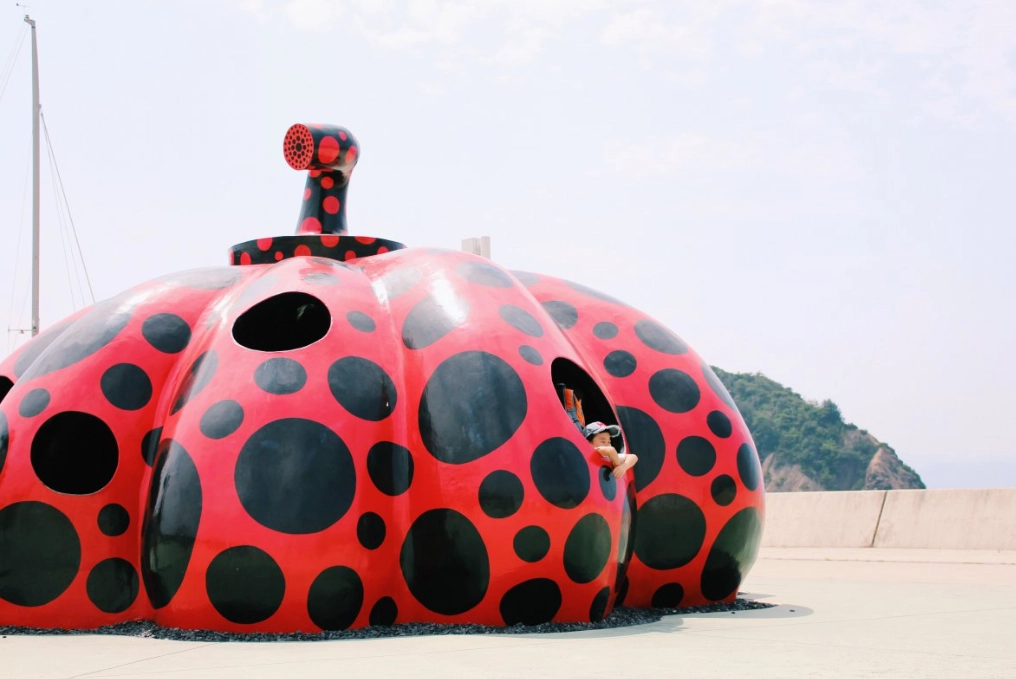
Beyond Umi no Mori: Tokyo's Wider "Art Island" Sphere
If you love the concept, these nearby spots extend the theme.
Yumenoshima (Dream Island) Park: Just south of Umi no Mori, another reclaimed island park with a tropical greenhouse dome and more open space. Less concentrated art, but a similar peaceful, off-the-beaten-path feel.
Odaiba Seaside Park: While Odaiba itself is a tourist hub, the seaside park features several permanent public sculptures and offers that classic "island" view back towards Tokyo's skyline.
The "Art Island" Vibe in the City: For a similar sense of discovery, seek out Tokyo's shotengai(shopping arcade) art projects or the small sculpture gardens tucked away on university campuses (like Tokyo University of the Arts in Ueno). The spirit of finding art in unexpected places is what the "Art Island" search is really about.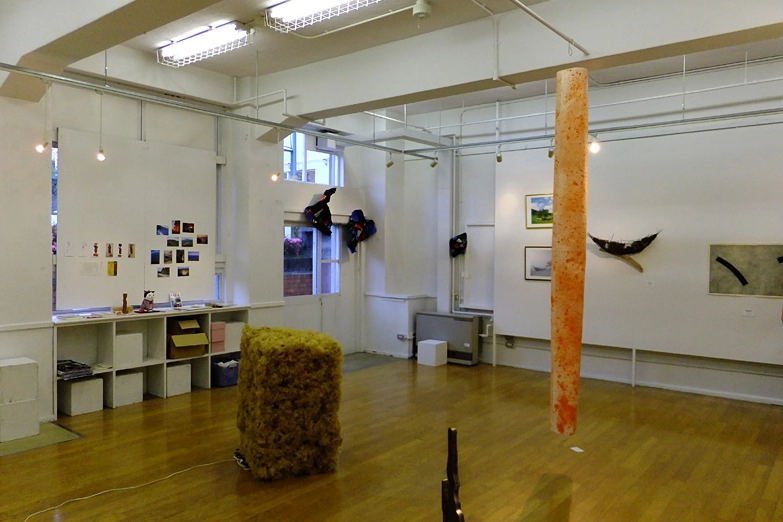
Your Art Island Questions, Answered

Share Your Thoughts