Tokyo in winter is a different beast. The crowds thin out a bit, the air gets crisp, and the city transforms into a canvas for some of the world's most spectacular light displays. But it's also cold, and daylight is short. A great winter trip needs a plan that balances outdoor magic with cozy indoor retreats. This 4-day Tokyo winter itinerary is built from years of December and January visits, designed to maximize warmth, wonder, and efficiency.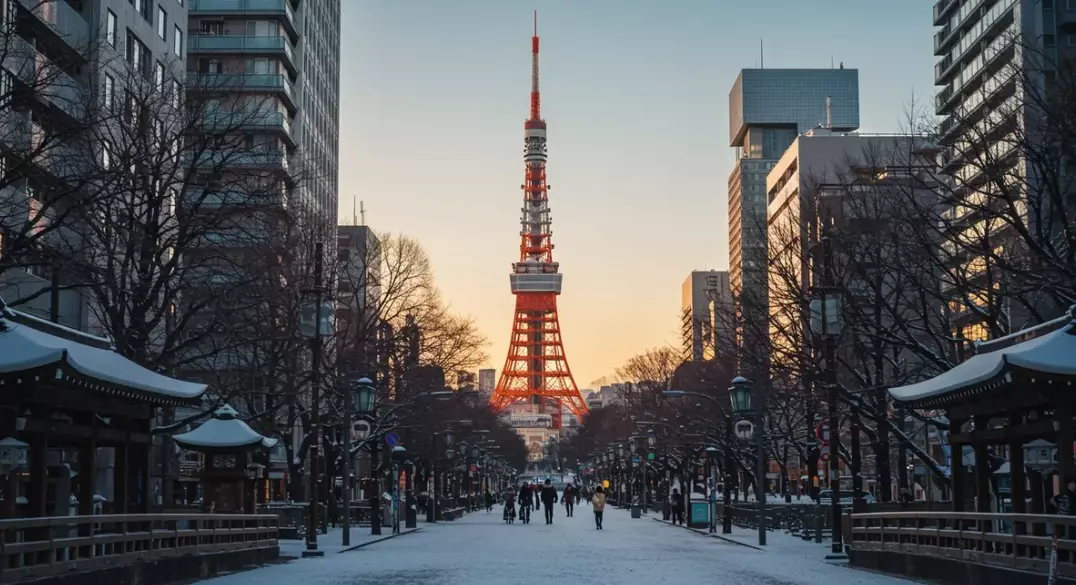
Your Winter Tokyo Trip at a Glance
Before You Start: The Winter Mindset
Forget the packed summer schedule. Winter travel here is about strategic pacing. You'll want to start early to use the daylight, plan indoor activities for the late afternoon chill, and always have a warm cafe or izakaya (pub) in mind nearby. Pack layers—thermals, a good coat, gloves, and a scarf are non-negotiable. Comfortable, waterproof boots are your best friend.
Day 1: Arrival and Shinjuku's Winter Lights
Land, settle in, and dive straight into Tokyo's neon heart. Shinjuku is overwhelming in the best way, and in winter, it's amplified by illuminations.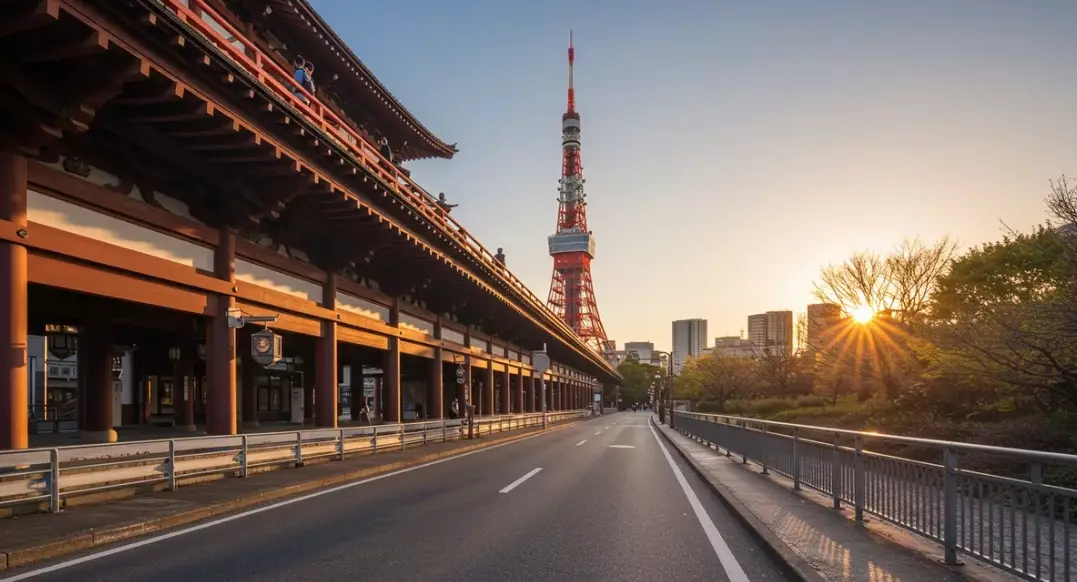
Afternoon: Check-in & Shinjuku Gyoen National Garden (Optional)
If you arrive early and have energy, Shinjuku Gyoen (11 Naitomachi, Shinjuku City) is stunning in winter. While the famous cherry blossoms are gone, the Japanese garden is serene under a crisp sky. It closes early (around 4:00 PM), so this is a daylight-only activity. Admission is 500 JPY. From Shinjuku Station's South Exit, it's a 10-minute walk.
Evening: Omoide Yokocho & Tokyo Metropolitan Government Building
As dusk falls, head to Omoide Yokocho ("Memory Lane") near Shinjuku Station's West Exit. These narrow alleys packed with tiny yakitori (grilled chicken skewer) stalls are incredibly atmospheric in the cold. The steam, the sizzle, the chatter—it's pure Tokyo. Grab a beer and a few sticks. It's cramped and smoky, but that's the point.
Then, walk 10 minutes to the Tokyo Metropolitan Government Building (2-8-1 Nishishinjuku). Its twin towers offer free observation decks on the 45th floor. The view at night is breathtaking, especially with the winter illuminations twinkling below. It's open until 11:00 PM. This beats paying for many other observatories.
Night: Seasonal Illumination Spot - Caretta Shiodome
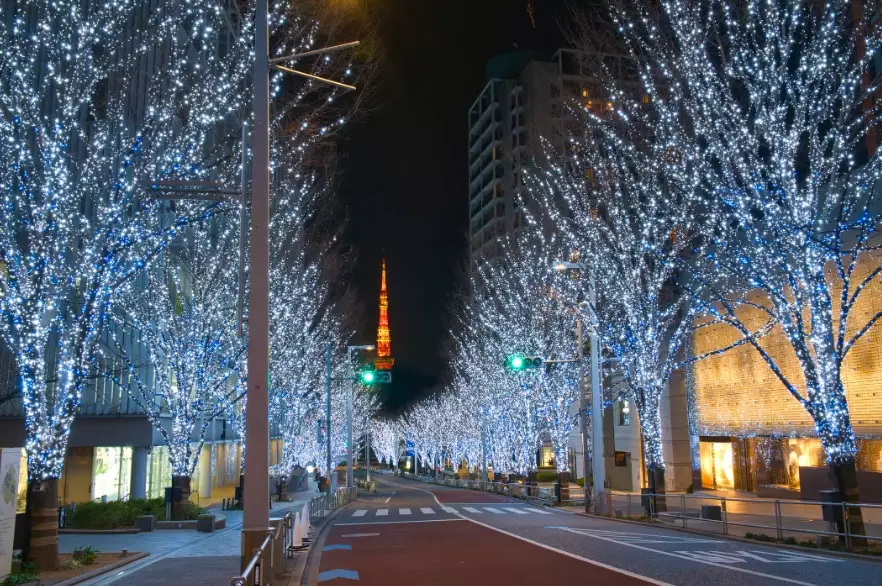
Take the Toei Oedo Line from Tochomae Station (near the Gov. Building) to Shiodome Station (about 15 mins). The Caretta Shiodome area (1-8-2 Higashishinbashi, Minato City) hosts one of Tokyo's most famous winter illuminations, typically from mid-November to mid-February. The theme changes yearly (like a crystal canyon or ocean of light), and it's synchronized to music. It's free, romantic, and perfectly captures the winter magic. Check the Caretta Shiodome official website for the current year's theme and times.
Day 2: Asakusa Tradition & SkyTree Views
A classic Tokyo day, pairing old and new, with plenty of opportunities to warm up.
Morning: Senso-ji Temple and Nakamise-dori
Get to Senso-ji (2-3-1 Asakusa, Taito City) early, before the tour buses arrive. The approach via Nakamise-dori is lined with stalls selling souvenirs and snacks. In winter, try ningyo-yaki (hot, cake-like treats) or grab a warm amezaiku (handcrafted candy). The temple grounds are beautiful year-round. It's free to enter, open 24/7 for the outer grounds, with the main hall open from 6:00 AM.
Lunch: Warm Up with Tempura or Unagi
Asakusa is famous for two hearty dishes perfect for winter: tempura and unagi (eel). For a memorable, if slightly touristy, experience, Daikokuya (1-38-10 Asakusa) serves a robust tempura tendon (rice bowl). Expect a line. For unagi, Unazen (2-7-8 Asakusa) is a reliable choice. A good unagi don will cost 2,500-4,000 JPY but is incredibly rich and satisfying.
Afternoon: Tokyo Skytree & Sumida Aquarium
A 20-minute walk or short train ride brings you to Tokyo Skytree (1-1-2 Oshiage, Sumida City). Book your Tembo Deck (350m) ticket online to skip queues. The view is immense. On a clear winter day, you might even see Mount Fuji. The Tembo Galleria (450m) costs extra. If heights aren't your thing, or you're traveling with family, the Sumida Aquarium inside the Solamachi complex at its base is fantastic. It's warm, immersive, and features a brilliant penguin exhibit that feels right for the season. Skytree observation decks cost around 2,100-3,100 JPY. The aquarium is 2,300 JPY.
Evening: Relax at an Onsen Theme Park - Oedo Onsen Monogatari
This is the winter itinerary secret weapon. Oedo Onsen Monogatari (2-6-3 Aomi, Koto City) is a short train ride from Tokyo Skytree. It's an onsen (hot spring) theme park where you can soak in various indoor and outdoor baths (gender-separated), wear a yukata, play games, and eat. The outdoor baths are sublime in the cold night air. Entry is around 2,700-3,200 JPY depending on the day and time, including yukata rental. It's the ultimate way to thaw out. Check their official site for details.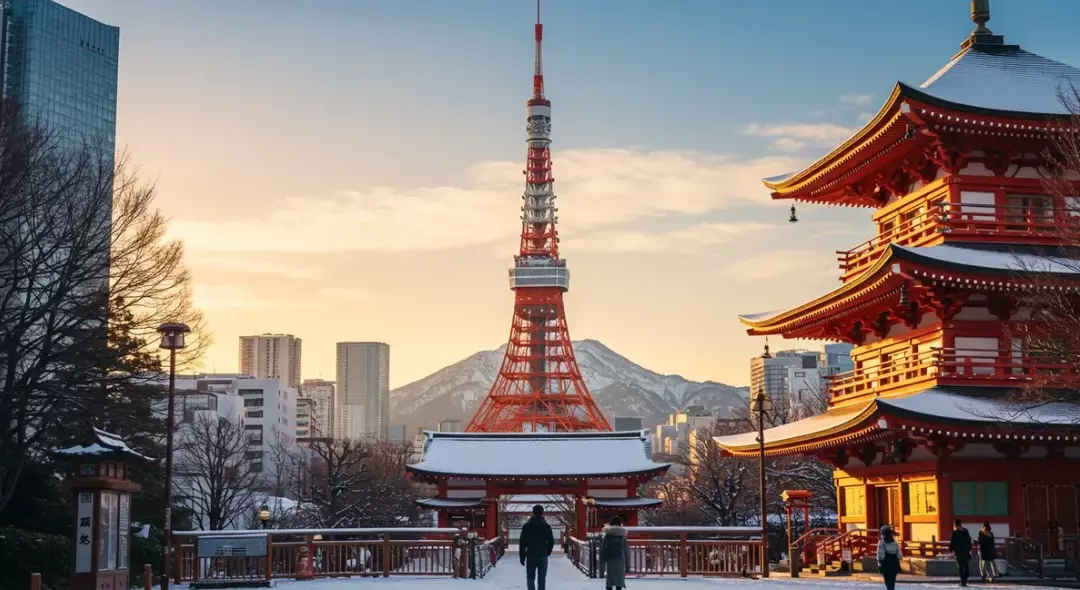
Day 3: Shibuya Scramble, Harajuku & Roppongi Nightscapes
A day of contrasts, from teenage fashion to high-art city views.
Morning: Shibuya Crossing and Hachiko
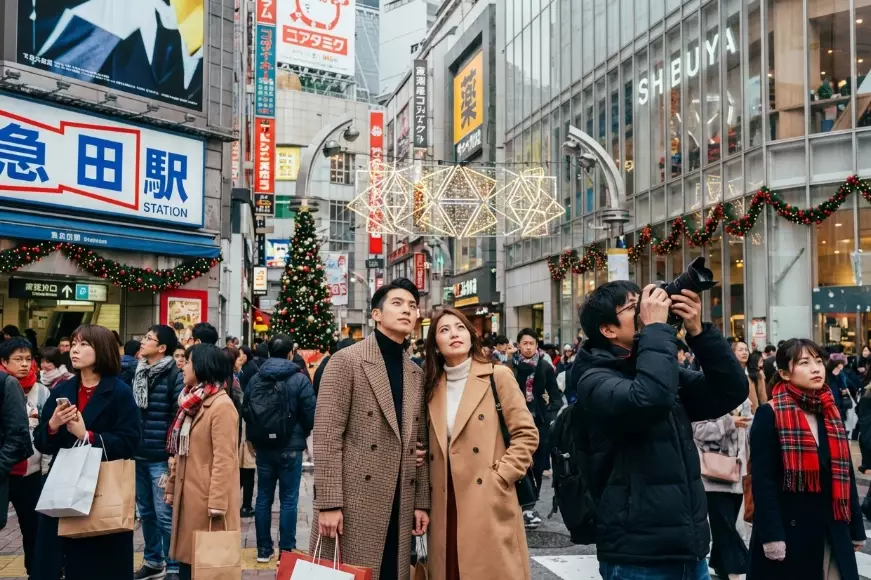
Experience the iconic Shibuya Scramble Crossing from street level, then head to the Shibuya Sky observatory (opened in 2019). It's arguably Tokyo's best open-air observation deck. You need a timed ticket booked in advance online. The view of the scramble from above is unique. Tickets are 1,800 JPY if booked online. Opens at 10:00 AM.
Lunch & Afternoon: Harajuku's Takeshita Street and Omotesando
Walk from Shibuya to Harajuku (15 mins). Dive into the sensory overload of Takeshita Street. In winter, crepe shops and rainbow cotton candy still thrive. For lunch, escape the crush on a side street. Gyukatsu Motomura (1-19-16 Jingumae) serves amazing beef cutlet you grill yourself—hot and hearty.
Then, walk down the elegant Omotesando boulevard, Tokyo's Champs-Élysées. The tree illuminations here in winter are simple and classy.
Evening: Roppongi Hills and Tokyo City View
Take the train to Roppongi. Your destination is Tokyo City View at Roppongi Hills Mori Tower (6-10-1 Roppongi, Minato City). This indoor observation deck on the 52nd floor has massive floor-to-ceiling windows. For an extra 500 JPY, you can access the Sky Deck (rooftop, weather permitting). Wrapped up, the open-air view of Tokyo's nightscape is unforgettable. It's open until 11:00 PM (Sky Deck until 10:00 PM). Admission is 1,800 JPY.
Day 4: Ginza Refinement and Departure
A quieter, more refined final day, perfect for last-minute gifts and a great meal before you fly.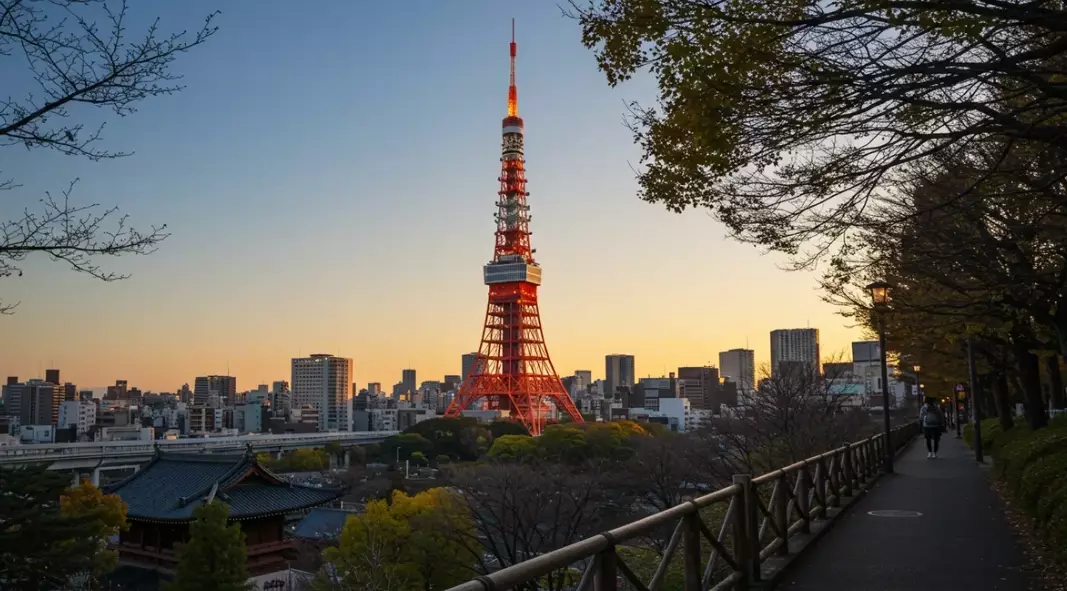
Morning: Tsukiji Outer Market & Ginza Stroll
Start at Tsukiji Outer Market (4-16-2 Tsukiji, Chuo City). It's bustling with fresh seafood stalls and small restaurants. Have a breakfast of incredibly fresh sushi or a steaming bowl of seafood donburi. It's a sensory feast. Most shops open from 5:00 AM, with peak activity around 9:00 AM.
Then, stroll into the upscale Ginza district. Window-shop at flagship stores like Uniqlo (12 floors) or Itoya, the incredible stationery haven. On weekends, the main street, Chuo-dori, is closed to traffic, making for a pleasant walk.
Lunch: A Memorable Final Meal
Ginza has endless options. For a classic, upscale tonkatsu (pork cutlet) experience, try Ginza Bairin (7-8-1 Ginza). For superb sushi without the stratospheric price of a Michelin-starred counter, Sushi Kyubey (8-7-6 Ginza) is an institution. Reserve ahead for both.
Afternoon: Last-Minute Souvenirs & Departure
Pick up any last-minute omiyage (souvenirs) from department store basements (depachika) like Mitsukoshi or Matsuya. They are foodie paradises with beautifully packaged treats. Then, head to the airport via the convenient Airport Limousine Bus (picks up from major hotels) or the Narita Express/Skyliner from nearby stations.
Essential Tokyo Winter Travel Tips
- Transport: Get a Suica or Pasmo IC card immediately. It works on almost all trains, buses, and even in convenience stores.
- Warmth Strategy: Layer with heat-tech underwear. Every department store, subway station, and mall is aggressively heated. You'll be constantly putting on and taking off your coat.
- Footwear: Waterproof, insulated boots with good grip. You'll be walking on cold pavement for hours.
- Illumination Timing: Most major winter illuminations start lighting up around 5:00 PM and run until 10:00 or 11:00 PM.
- Budget Food: Conveyor belt sushi (kaiten-zushi) and ramen shops are your affordable, warm, and delicious allies.
Your Tokyo Winter Trip Questions Answered
 Can I see Mount Fuji from Tokyo in winter?
Tokyo in winter isn't just a colder version of summer. It's a specific, magical experience defined by sparkling lights, steaming food, and a cozy atmosphere. This 4-day plan leverages that, ensuring you see the icons while staying warm, fed, and utterly captivated. Just remember to pack those gloves.

Share Your Thoughts