Quick Navigation
- Where and When Can You Eat? It's Not All the Same
- The Ultimate Shinkansen Food List: What to Bring (and What to Avoid)
- The Unwritten Rulebook: Shinkansen Dining Etiquette
- Your Step-by-Step Guide to a Perfect Shinkansen Meal
- FAQs: Answering Your Burning Questions
- Beyond the Basics: Pro-Tips and Insider Knowledge
- Wrapping It Up: The Final Answer
Let me start by painting a picture. You're gliding past Mount Fuji at 300 km/h, your stomach lets out a gentle rumble, and you glance nervously at the pristine, quiet carriage. That beautiful ekiben (station lunch box) you just bought at Tokyo Station is calling your name. But a voice in your head whispers: "Is eating ok on Shinkansen? Will everyone stare?"
The short, direct answer is a resounding yes. Eating on the Shinkansen is not just okay; it's a deeply ingrained cultural experience. The symphony of unwrapping foil and the gentle clatter of chopsticks is part of the bullet train's soundtrack. But—and this is a big but—there's an entire universe of unspoken rules, etiquette, and practical know-how that separates a respectful diner from That Person. You know, the one who brings a whole durian on board (please don't).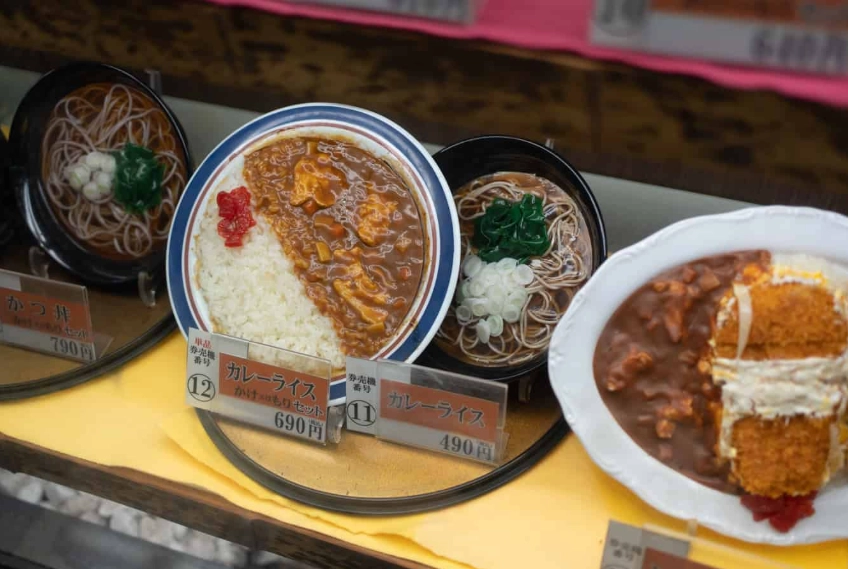
I've spent more hours on Shinkansen than I care to admit, from quick hops between Tokyo and Kyoto to marathon rides up to Hokkaido. I've made my own faux pas, like once bringing a overly fragrant curry bread that earned me a few subtle side-eyes. I've also witnessed the full spectrum, from the perfect, quiet bento eater to the… less considerate traveler. This guide is everything I wish I'd known, distilled into one place.
The Core Principle: Eating is expected and accepted, but discretion, cleanliness, and consideration for fellow passengers are paramount. It's less about permission and more about how you do it.
Where and When Can You Eat? It's Not All the Same
This is where it gets interesting. The blanket "yes" to eating on Shinkansen has some important caveats depending on where you are sitting.
The General Rule: Ordinary Cars (Ordinary Cars) vs. Green Cars
In your standard Ordinary Car (what most travelers book), eating and drinking are completely standard practice. The tray table on the back of the seat is literally designed for it. The train staff will wheel the snack cart right past you, selling drinks, snacks, and sometimes even ice cream.
Green Cars (first-class equivalent) are a slightly different story. While eating is still permitted, the expectation leans towards a more subdued, upscale experience. You might feel more conspicuous unwrapping a loud, crinkly bag of chips here. Opting for a refined ekiben or a simple sandwich feels more in keeping with the ambiance. The staff in the Green Car are also more proactive about clearing trash.
Then there's GranClass, on certain Tohoku and Hokkaido Shinkansen lines. Here, dining is part of the luxury service, often with a complimentary meal and drink service. In these premium settings, the question of "is eating ok" is answered by the staff presenting you with food.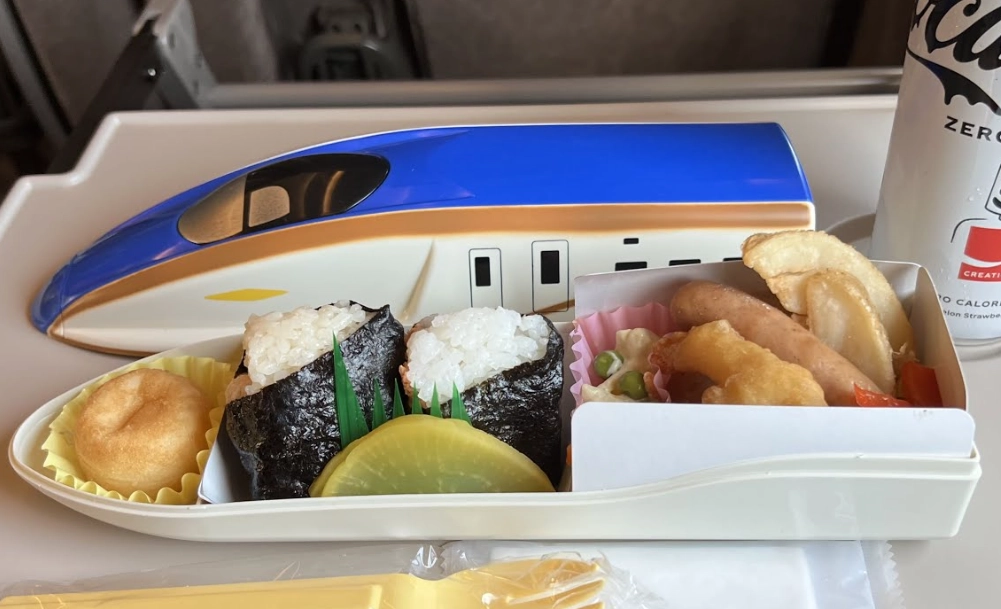
| Car Type | Eating Generally Allowed? | The Vibe & Best Food Choices |
|---|---|---|
| Ordinary Car | Yes, absolutely. | The most common and relaxed. Everything from full ekiben to snacks is fine. Just be tidy. |
| Green Car | Yes, but more subdued. | Quieter, more refined. Opt for less messy, quieter-to-eat foods. Avoid strong odors. |
| GranClass | Yes, often part of service. | Premium dining experience. Food is often provided. Personal snacks are fine but may feel out of place. |
See? Not so complicated.
The Ultimate Shinkansen Food List: What to Bring (and What to Avoid)
Okay, so eating is fine. But what should you actually eat? This is the fun part. Japan's station culture revolves around the ekiben, a masterpiece of portable cuisine. But it's not the only option.
The Champions: Best Foods for the Shinkansen
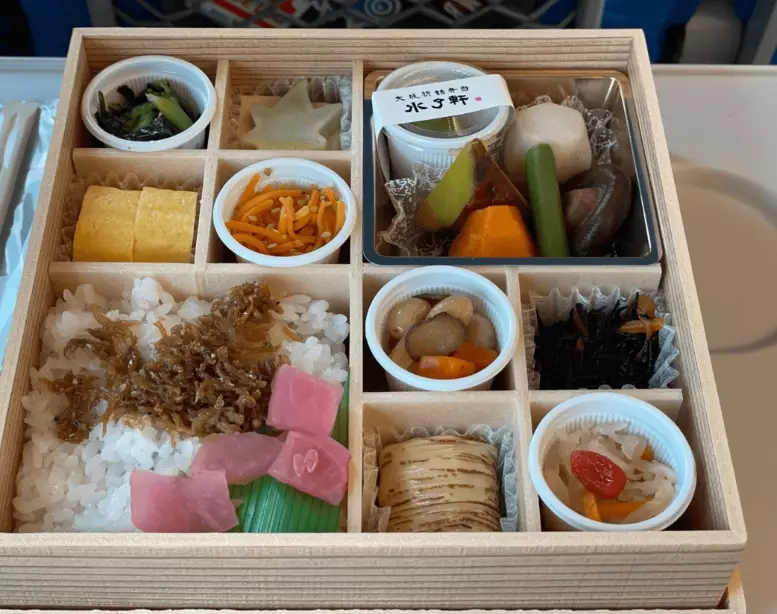
- The Classic Ekiben: This is the gold standard. They are designed to be eaten cold, are usually not too messy, and come with everything you need. Look for regional specialties! A Hokkaido trip? Get a salmon and ikura (salmon roe) bento. Heading to Kyushu? Try a beef meshi (rice dish).
- Onigiri (Rice Balls): The ultimate convenient food. Wrapped in plastic or nori (seaweed), they are neat, filling, and have minimal odor. Pro tip: Get the ones where the nori is packaged separately to keep it crisp.
- Sandwiches & Wraps: Convenience store (konbini) sandwiches in Japan are shockingly good. Egg salad, chicken cutlet, or fruit sandwiches are clean, quiet, and satisfying.
- Small Snacks: Things like small bags of chips (eat quietly!), cookies, chocolate, or dried fruit are perfectly acceptable for munching.
- Drinks: Everything from water and tea to coffee and even beer (yes, really) is common. Just use the cup holder.
The "Think Twice" List: Foods That Require Extra Caution
- Strong-Smelling Foods: This is the number one rule. Avoid anything with potent, lingering odors. I'm talking about certain types of fried chicken, strong cheese, some types of fish, and obviously, anything with garlic or curry that's overly fragrant. It's just polite.
- Extremely Messy Foods: Anything that drips, splatters, or requires vigorous sauce-dipping. A little sauce is fine, but a bowl of ramen or a juicy burger that drips everywhere will stress you out and annoy your neighbors.
- Noisy Foods: Super crunchy snacks eaten directly from a loud bag. If you want chips, pour some into the bento box lid or a napkin first.
- Hot Foods from Outside: Most Shinkansen don't have microwaves for public use. Your hot kare pan (curry bread) will be cold by the time you eat it anyway.
So, is eating ok on Shinkansen? With the right food choices, it's more than okay—it's a highlight.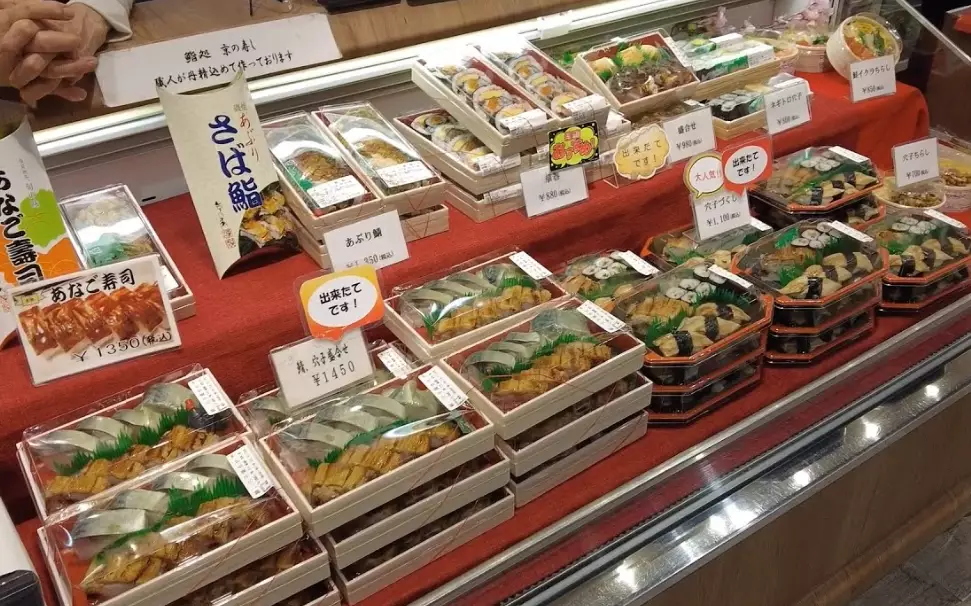
The Unwritten Rulebook: Shinkansen Dining Etiquette
This is the section that will make you a pro. Knowing you can eat is one thing, but eating with grace is what truly answers the deeper question behind "is eating ok on Shinkansen?" It's about respect.
The Golden Rules of Shinkansen Eating
- Minimize Odors: This cannot be overstated. Your food's aroma should not travel beyond your immediate seat.
- Contain Your Mess: Use the tray table, the provided wrappers, or a napkin as a crumb-catcher. The person sitting there after you will be grateful.
- Manage Your Noise: Unwrap packages slowly to avoid loud crinkling. Chew with your mouth closed. Keep conversation at a low, conversational volume.
- Dispose of Trash Properly: This is huge. Take all your trash with you when you leave. The Shinkansen is not your trash can. There are small bags in the seat-back pocket—use one to collect your wrappers, boxes, and bottles. Dispose of it in the station bins later.
- Be Mindful of Reclining: If you recline your seat, do a quick check to ensure you're not squashing the meal of the person behind you. A slight turn of the head is enough.
A quick story. I once saw a tourist loudly eating a bag of chips while having a phone conversation, crumbs flying everywhere. When they got up to leave, they left the empty bag and a used tissue on their seat. The cleaning staff who came on at the next station (they have mere minutes to clean the entire train!) gave a weary sigh. Don't be that person. A little consideration goes an incredibly long way.
The etiquette around drinking alcohol is also worth noting. Drinking beer, sake, or chuhai (a canned cocktail) is socially acceptable, even in the morning (for better or worse!). However, getting visibly drunk and loud is absolutely frowned upon. Enjoy your drink, don't overdo it.
Your Step-by-Step Guide to a Perfect Shinkansen Meal
Let's walk through the ideal scenario, from planning to cleanup.
Step 1: The Procurement (The Best Part)
Don't wait until you're on the platform. The major stations (Tokyo, Shin-Osaka, Kyoto, etc.) have incredible ekiben shops (Ekibenya or Ekiben Matsuri). Arrive 20-30 minutes early to browse. The convenience stores (7-Eleven, Lawson, FamilyMart) inside the station are also fantastic, reliable backups. Grab your food and a drink there.
Step 2: Boarding and Setup
Find your seat. Stow your luggage. Before you start eating, I recommend getting your little "dining station" ready. Take the small plastic bag from the seat pocket. Have your napkins or wet wipes handy (bring your own—the ones provided with ekiben are often tiny). Unwrap your ekiben carefully, placing all packaging immediately into your trash bag. This prevents a pile-up on your tiny tray.
Step 3: During the Meal
Enjoy! Look out the window. Savor the fact that you're eating a delicious meal while flying across the Japanese countryside. Keep your movements contained. If you need to use the restroom mid-meal, it's fine to leave your food on the tray, but maybe cover it with a napkin.
Step 4: The All-Important Cleanup
This is non-negotiable. Once finished, immediately place all waste—the bento box, chopsticks, wrappers, bottles—into your plastic bag. Tie it off. Place this bag in your own backpack, tote, or handbag. Do not leave it on the floor, in the seat pocket, or on the tray. The train staff are not your cleaners. When you disembark, look for the segregated trash and recycling bins on the platform (usually near pillars or exits).
Following these steps means you've fully understood that the answer to "is eating ok on Shinkansen" is a responsible yes.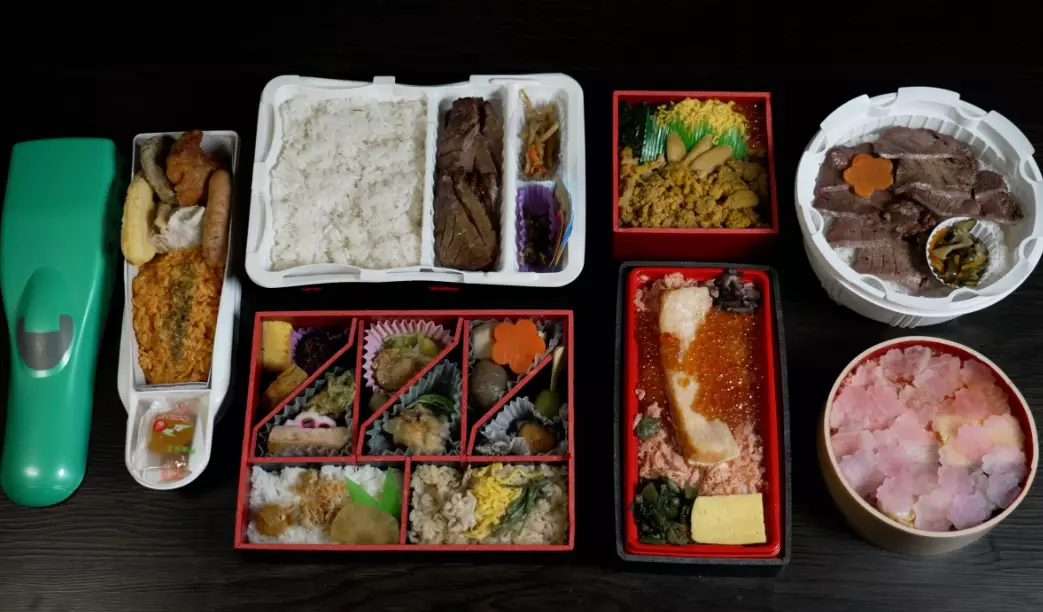
FAQs: Answering Your Burning Questions
Beyond the Basics: Pro-Tips and Insider Knowledge
You've got the fundamentals down. But let's get into the nitty-gritty—the stuff that separates the novice from the seasoned traveler.
Timing Your Meal
Think about your journey length. A 2-hour trip from Tokyo to Sendai? One ekiben or a couple of onigiri is perfect. The 8-hour journey from Tokyo to Hakata (Fukuoka)? That's a two-meal affair. Plan a lunch and a lighter dinner. The rhythm of eating helps pass the time beautifully.
Dealing with Trash: The Official Word
To emphasize how important this is, let's look at the official stance. While the train operating companies (JR groups) don't explicitly outlaw eating, they heavily emphasize passenger responsibility. The JR East website, for instance, in its general passenger guidelines, stresses keeping the train clean for the next users. The JR West site similarly highlights manners and cleanliness. Taking your trash with you is the ultimate act of following these guidelines.
What if you see someone being really disruptive? It's tough. Direct confrontation is rare in Japan. Your best option is to subtly catch the eye of a train conductor or attendant when they pass through the carriage. A quiet word from staff is usually all it takes.
The Verdict on Different Shinkansen Lines
The culture is largely consistent across all lines—Tokkaido, Sanyo, Tohoku, Joetsu, Hokuriku, etc. The main difference is the regional ekiben you'll find at the stations they serve. The etiquette remains the golden constant.
Wrapping It Up: The Final Answer
So, let's return to the core question one last time: Is eating ok on Shinkansen?
The definitive answer is yes, it is not only allowed but is a cherished part of the travel experience. However, the true spirit of the question is answered by understanding that this "yes" comes with a shared social contract. It's a contract built on consideration, cleanliness, and quiet enjoyment.
Embrace the ritual. Pick out a beautiful ekiben that tells a story of the region you're traveling through. Savor it while watching the world blur past your window. Just remember to pack out every last bit of your trash, keep the smells to yourself, and let the gentle hum of the train be the loudest sound at your seat.
Do that, and you'll not only be eating okay on the Shinkansen—you'll be doing it right. You'll be participating in a modern Japanese travel tradition exactly as it's meant to be enjoyed. Now go forth, book that ticket, and don't forget to visit the Ekibenya before you board. Your taste buds (and your peaceful journey) will thank you.


Share Your Thoughts