Ask anyone who's been to Osaka, "What's the famous street?" and you'll get the same answer every time: Dotonbori. But calling it just a street sells it short. It's an experience, a sensory overload in the best possible way, a neon-drenched canal-side strip that perfectly captures Osaka's motto, "Kuidaore" (eat 'til you drop). This isn't a quiet historical lane; it's the city's vibrant, pulsing entertainment and culinary core.
I've lost count of how many times I've walked along the Ebisu Bridge, watching the giant mechanical crab's claws wave and the Glico Running Man flex. Each visit reveals something new—a tucked-away takoyaki stand with a secret sauce, a tiny bar in a back alley, a viewpoint I'd missed before. This guide isn't just a list of sights; it's a deep dive into how to navigate, enjoy, and truly understand this iconic place.
Your Quick Dotonbori Navigation
- Why Dotonbori is Osaka's Most Famous Street
- Your Detailed Dotonbori Guide: Getting There & Key Info
- The Iconic Sights You Can't Miss (The Neon Giants)
- The Real Star: Dotonbori's Street Food & Where to Find It
- Beyond the Food: Shopping & Hidden Alleys
- A Perfect One-Day Dotonbori Itinerary
- Common First-Timer Mistakes & How to Avoid Them
- Your Dotonbori Questions Answered
Why Dotonbori is Osaka's Most Famous Street
Its fame boils down to a perfect storm of history, culture, and sheer spectacle. Centuries ago, it was a theater district. That legacy of entertainment never left—it just evolved. Today, the theaters are complemented by extravagant restaurants competing for attention with outrageous, three-dimensional storefront signs. The Kani Doraku crab, the giant pufferfish, the towering dragon—they're not just ads; they're landmarks. It's a place where eating is treated as a form of entertainment, a philosophy deeply ingrained in Osaka's identity. You come to Dotonbori to see, to be seen, and most importantly, to eat.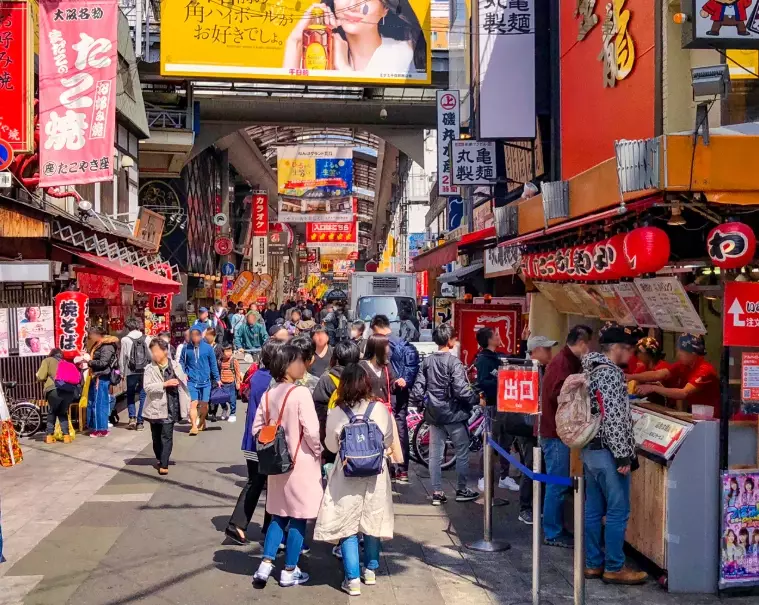
Your Detailed Dotonbori Guide: Getting There & Key Info
The Essential Details at a Glance
Location: Namba, Osaka. It runs parallel to the Dotonbori canal, centered around the Ebisu Bridge.
Best Access Point: Take the Midosuji Subway Line to Namba Station (Exit 14). Follow the signs for "Dotonbori"—you'll likely be funneled through the Shinsaibashi shopping arcade, which spills right out onto the action. Alternatively, Nippombashi Station (Exit 10) on the Sakaisuji Line puts you at the southern, slightly less chaotic end.
Operating Hours: This is tricky. The street itself is always open. However, the massive neon signs usually light up from dusk until around 11 PM or midnight. Individual shops and restaurants have their own hours, but the area is most "alive" from late afternoon until late at night. Many restaurants stay open past midnight.
Cost: Free to walk and gawk. Your budget will be determined by how much you want to eat and buy. You can have a fantastic time sampling street food for under 2000 yen.
How to Get to Dotonbori: The Simple Route
From Osaka Station (Umeda), the simplest way is the Midosuji Line (red line). It's a direct, 15-minute subway ride to Namba Station. Don't overcomplicate it with buses unless you're right next to a stop. The subway is fast, efficient, and air-conditioned. Once you're in the labyrinth of Namba Station, just look for the signs with the Dotonbori canal icon or ask station staff for "Dotonbori-gawa." They hear it a thousand times a day.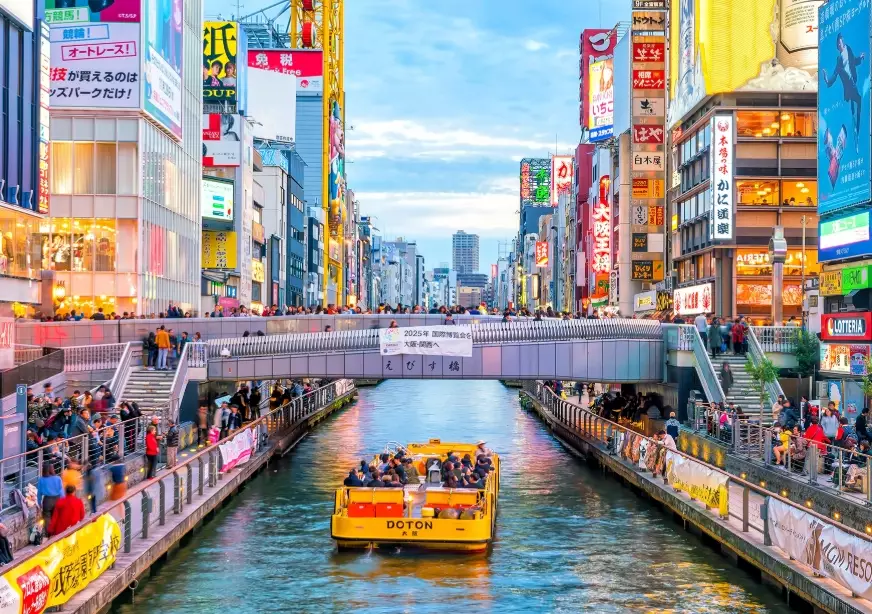
The Iconic Sights You Can't Miss (The Neon Giants)
Walking down Dotonbori is like a treasure hunt for giant signs. Here are the non-negotiable stops:
- The Glico Running Man (at Ebisu Bridge): This is the symbol. Get your photo on the bridge, but for a better shot with fewer people, try the stairs leading down to the canal walkway on either side. The view from water level is unique.
- Kani Doraku (The Giant Moving Crab): At the restaurant's main location, the crab's claws and legs slowly move. It's hypnotic. You don't have to eat here (it's pricey), but you must see it.
- Kuidaore Taro: The drumming clown mascot of a now-closed restaurant, this mechanical figure still performs regularly. It's a piece of Osaka nostalgia.
- The Tsubaraya Noodle Shop Ogre & The Giant Pufferfish: Look up. These classic, slightly retro signs have been watching over the street for decades and have a charm the newer LED displays lack.
My personal tip? See them twice—once in the late afternoon daylight to appreciate the craftsmanship, and again after dark when the entire street transforms into an electric river of light. The difference is staggering.
The Real Star: Dotonbori's Street Food & Where to Find It
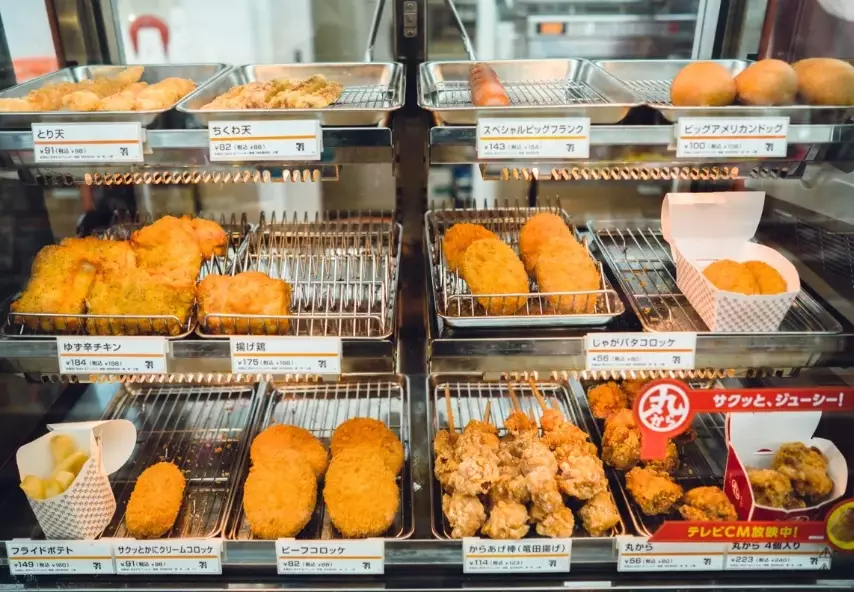
This is why you're here. Dotonbori is a living buffet. You'll find sit-down restaurants, but the magic is in the street food stalls and small takeaway windows.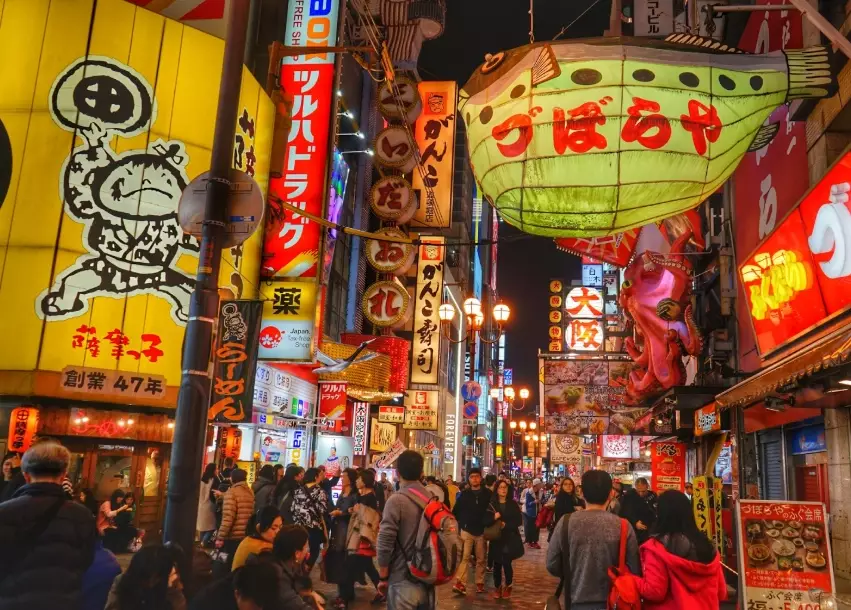
| Must-Try Food | What It Is | Top Spot to Try It (Approx. Price) | Pro Tip |
|---|---|---|---|
| Takoyaki | Savory batter balls with a piece of octopus inside, slathered in sauce, mayo, and bonito flakes. | Takoyaki Juhachiban (multiple branches). A classic. (~600 yen for 8) | Let them cool for a minute! The molten center is infamous for burning tongues. |
| Okonomiyaki | Osaka's savory "as-you-like-it" cabbage pancake, often with pork, seafood, and noodles. | Chibo or Mizuno (sit-down restaurants). For a quicker bite, look for smaller stalls. (~1000-1500 yen) | Many first-timers go for the fancy versions. Start with the classic "Buta-tama" (pork & egg). |
| Kushikatsu | Deep-fried skewered meat, veggies, and cheese. The rule: no double-dipping in the shared sauce. | Head to Shinsekai area (short train ride) for the best, or try Yakitori stalls in Dotonbori's side lanes. (~100-300 yen per skewer) | This is the one food where locals will politely but firmly correct you if you break the sauce rule. |
| Melon Pan with Ice Cream | A sweet, crispy-crusted bread shaped like a melon, often stuffed with soft-serve ice cream. | Look for the stalls with the long lines, like Rikuro Ojisan no Mise (also famous for cheesecake). (~400 yen) | It's messy. Eat it quickly on a hot day, or find a spot by the canal to enjoy it. |
A common mistake is eating a full meal at one restaurant right away. Don't. The Dotonbori strategy is to graze. Buy one item, share it, walk a bit, try the next. The variety is the point.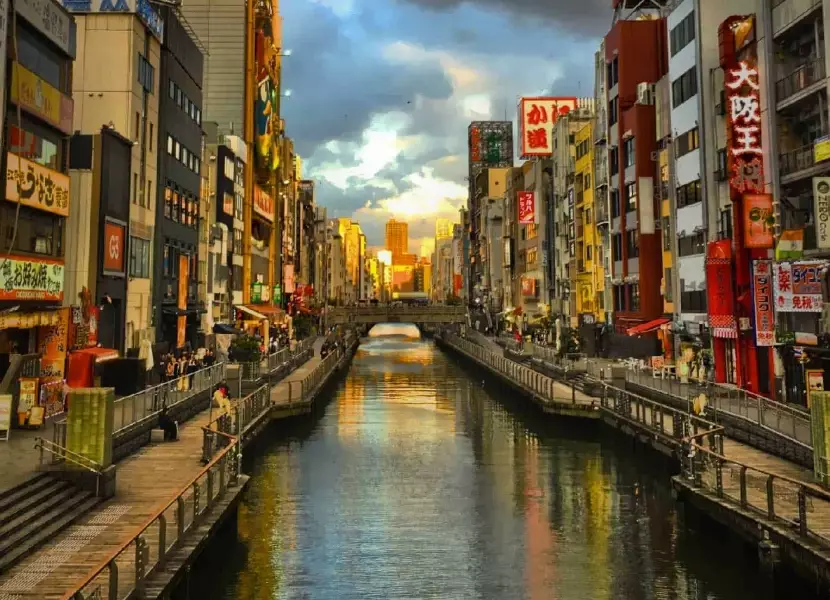
Beyond the Food: Shopping & Hidden Alleys
If the main strip is the show, the side streets are the backstage. Turn left or right off the canal, and you'll find a different world.
- Shinsaibashi-suji: The covered shopping arcade that leads directly to Dotonbori. It's a mile-long mix of international brands, pharmacies (great for souvenirs), and Japanese chains like Uniqlo.
- Hozenji Yokocho: A narrow, stone-paved alley frozen in time. Find the tiny Hozenji Temple with a moss-covered Fudo Myoo statue. People splash water on it for luck. The alley is lined with tiny, traditional restaurants (ryotei) and bars—atmosphere is thick here, but prices can be higher.
- Doguyasuji (Kitchenware Street): A paradise for foodies and home cooks. You'll find every kitchen tool imaginable, from professional-grade knives to plastic food samples. It's a fantastic place for unique, practical souvenirs.
A Perfect One-Day Dotonbori Itinerary
Here’s how to structure your visit to see it all without burnout.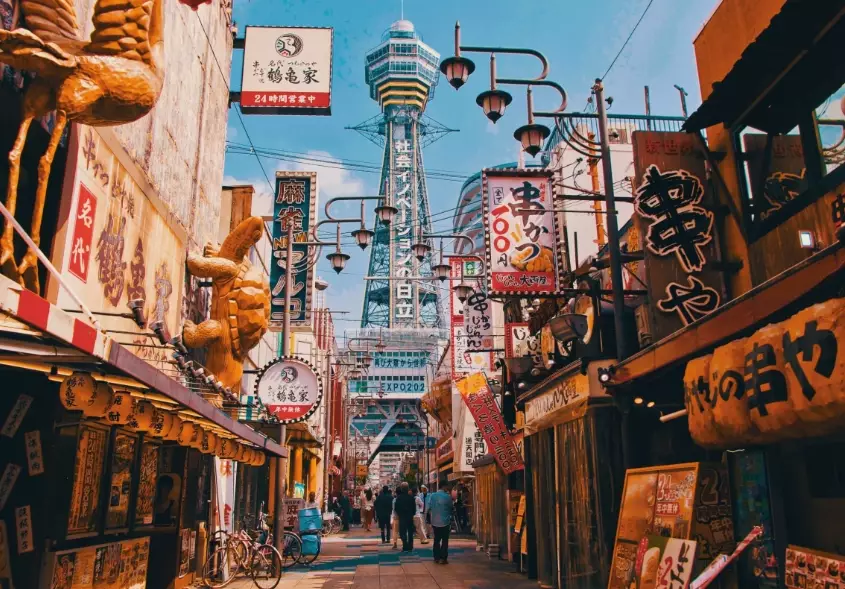
3:00 PM: Start at Namba Station, walk through Shinsaibashi-suji arcade. Do some window shopping, pick up any essentials.
4:00 PM: Emerge at Dotonbori. Walk the main strip in daylight. Get your photos with the Glico Man and giant crab. The crowds are manageable.
5:00 PM: First snack stop. Grab takoyaki from a stall. Explore the Doguyasuji street if you're interested.
6:30 PM: As dusk falls, the lights come on. Experience the transformation. Now, dive into Hozenji Yokocho. Soak in the atmosphere, maybe have a drink at a tiny bar.
8:00 PM: Dinner time. Either choose a sit-down okonomiyaki place or commit to the grazing strategy—kushikatsu, then maybe a ramen from one of the famous spots (like Kinryu Ramen, recognizable by its giant dragon).
9:30 PM: Final treat: melon pan ice cream or a slice of fluffy cheesecake from Rikuro's. Take a final, slower walk along the now-neon-brilliant canal before the crowds thin.
Common First-Timer Mistakes & How to Avoid Them
I've seen these happen again and again.
Mistake 1: Only walking the main canal front. Fix: Dedicate at least 30% of your time to the perpendicular side streets. That's where the character is.
Mistake 2: Eating at the first place you see with an English menu. Fix: Look for places with a line of locals (not just tourists). Or, use the plastic food displays outside restaurants—they're not tacky, they're a crucial menu.
Mistake 3: Trying to do Dotonbori in a rushed hour. Fix: Give it the time it deserves. Rushing through is like fast-forwarding a great movie.
Mistake 4: Carrying huge bags or shopping early. Fix: Store luggage in a station locker (coin locker). Shop at the end of your visit, so you're not lugging purchases all night.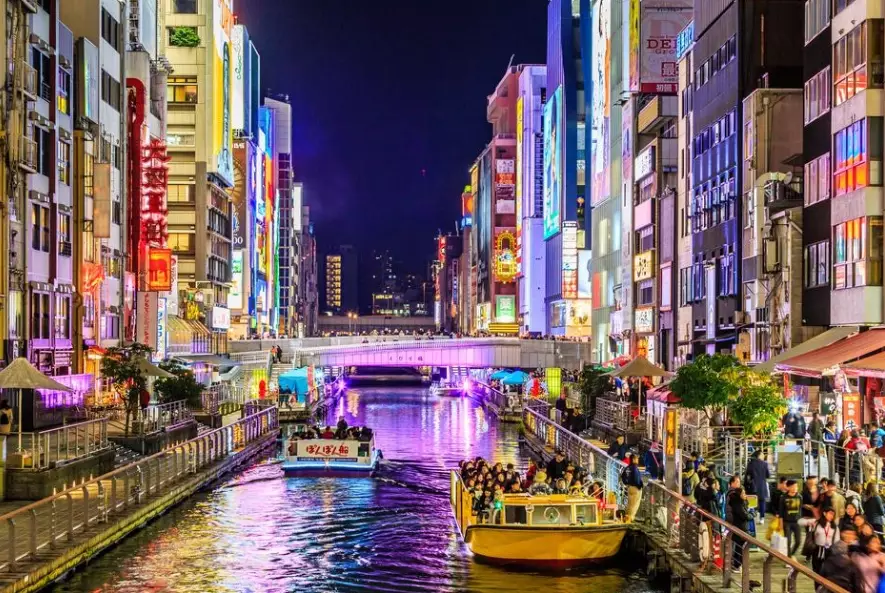
Your Dotonbori Questions Answered
So, what is the famous street in Osaka? It's Dotonbori. But now you know it's not just a street—it's a culinary playground, a historical stage, and a neon-lit symbol of Osaka's boundless energy. Go with an empty stomach, comfortable shoes, and a willingness to get a little lost in the side alleys. That's where you'll find its true heart.
Share Your Thoughts