If you're searching for "where are the Japanese art islands," you're likely picturing those iconic photos of a giant polka-dotted pumpkin by the sea or minimalist concrete structures blending into hillsides. You're in the right place. The answer is the Seto Inland Sea (Setonaikai), specifically a cluster of islands in Kagawa and Okayama prefectures. The big three—Naoshima, Teshima, and Inujima—have transformed from sleepy fishing communities into global epicenters of contemporary art.
But knowing they're "in the Seto Inland Sea" is just the start. The real questions are: How do you actually get there? What should you see? And how do you avoid the classic rookie mistakes that can turn a dream art pilgrimage into a logistical headache?
Your Quick Guide to the Islands
What Exactly Are the Japanese Art Islands?
This isn't about a single island with one museum. It's a decades-long project, largely driven by the Benesse Corporation and the vision of billionaire Soichiro Fukutake. The core idea was "art in harmony with nature and history." The project kicked off on Naoshima in the 1990s and later expanded, culminating in the internationally renowned Setouchi Triennale art festival, which dots artworks across a dozen more islands.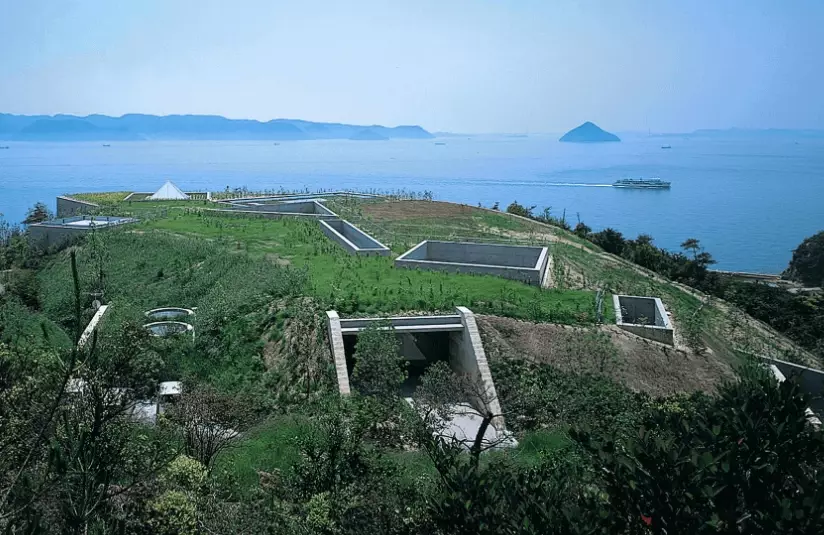
For a first-time visitor, focusing on the main three—Naoshima, Teshima, Inujima—is perfect. They're close enough to visit in a multi-day trip but offer distinct personalities.
Location Summary: All three islands are in the Seto Inland Sea, between Japan's main island of Honshu and the island of Shikoku. The main gateway cities are Takamatsu (on Shikoku) and Uno Port in Tamano City (on Honshu, near Okayama).
Naoshima: The Flagship Island of Art
Naoshima is the most developed and famous. It's where you'll find the iconic Yayoi Kusama pumpkins. The island has two main art areas: the Miyanoura Port area and the Honmura and Benesse House area on the southern coast.
Must-See Sites on Naoshima
Benesse House Museum & Art Sites: This is the heart. It's not just a museum; it's a hotel, museum, and outdoor sculpture park fused together. You need to take a Benesse shuttle bus or taxi from Miyanoura. The Benesse House Museum (Open 8 AM-9 PM, ¥1,050) houses works by artists like Bruce Nauman and David Hockney. The real magic is the outdoor pieces scattered along the coast.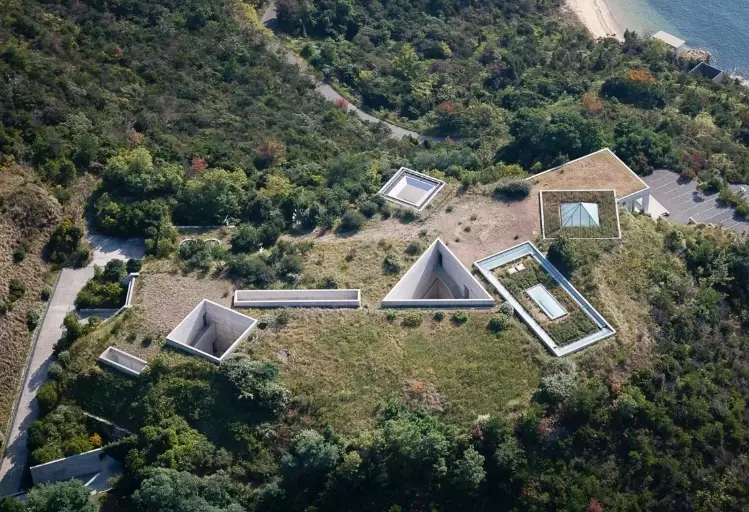
Chichu Art Museum: (Open 10 AM-6 PM, closed Mondays, ¥2,100. Reservations highly recommended). A Tadao Ando architectural masterpiece built underground to not disrupt the landscape. It houses a breathtaking Monet "Water Lilies" room, works by James Turrell, and Walter De Maria. The play of natural light in the concrete spaces is the artwork itself.
Art House Project (Honmura): (¥1,050 for a combined ticket to all 7 sites). This is my personal favorite. Abandoned old houses, a temple, and a workshop in the Honmura village have been converted into permanent art installations by different artists. It feels like a treasure hunt. The Minamidera house by James Turrell is an unforgettable experience in pure darkness and light—you have to queue separately for it.
Naoshima Pro Tip: Everyone rushes to the yellow pumpkin at the Benesse area. For a less crowded photo with the iconic red pumpkin, head to the one near Miyanoura Port. Also, rent an electric bicycle. The hills are no joke, and the electric assist is a lifesaver. Rentals are right outside Miyanoura Port (around ¥1,500 for the day).
Teshima: Nature and Emotion Combined
Teshima feels more rural and serene than Naoshima. The art here often integrates with the landscape in profound, emotional ways. The island is bigger, so planning your transport is crucial.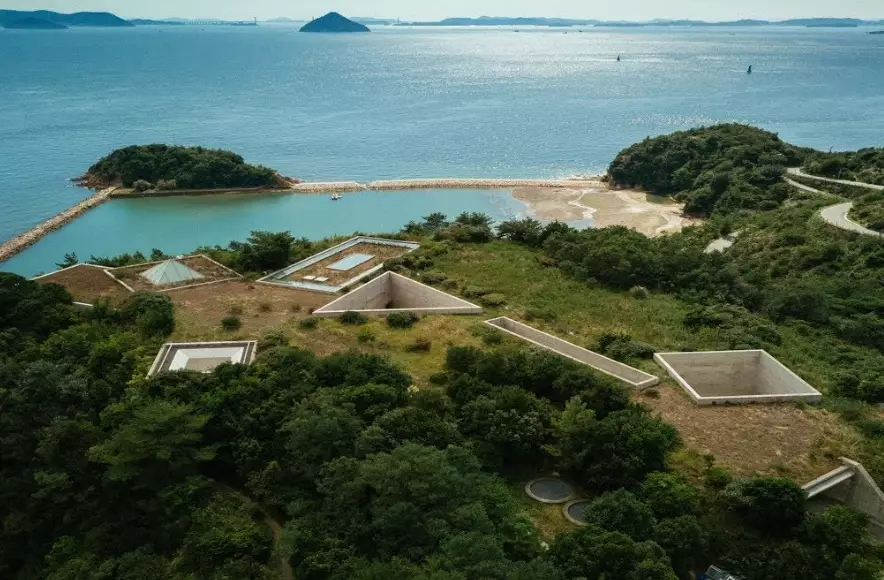
Teshima Art Museum: (Open 10 AM-5 PM, closed Tuesdays, ¥1,570). Don't expect paintings on walls. The museum is a stunning, fluid concrete shell with two open ovals looking to the sky. Inside, water droplets emerge from the floor, moving and merging. It's a meditative space about nature's cycles. You cannot take photos inside, which forces you to just be present. Book tickets online in advance, especially on weekends.
Les Archives du Coeur (Heart Archive): (Open 10 AM-5 PM, closed Tuesdays, ¥520). By Christian Boltanski, this archive in a wooden building records the heartbeats of thousands of people. You can listen to them and even record your own (extra fee). It's strangely moving.
Getting Around Teshima: Public buses are infrequent. Your best bets are renting an electric bicycle (available at Ieura or Karato ports, book ahead!) or using the sightseeing taxi service that runs a loop route. The hills are even more challenging than Naoshima—electric is non-negotiable for most.
Inujima: Industrial Ruins Reborn
The smallest of the three, Inujima offers a powerful contrast. It's centered around the repurposing of a former copper refinery.
Inujima Seirensho Art Museum: (Open 9:30 AM-4:30 PM, closed Mondays, ¥2,060). Built within the ruins of the refinery, this museum by artist Yukinori Yanagi and architect Hiroshi Sambuichi is a profound commentary on energy, industry, and renewal. You walk through crumbling brick structures housing modern art and solar-powered installations. The view from the top over the sea is stunning. A combined ticket with the "Art House Project" and "Seaside Gallery" on the island is good value.
You can walk across Inujima in about 20 minutes. It's quiet, less curated, and has a raw, poetic feel. Don't miss the small cafe near the port for a drink—they sometimes have a lovely local craft beer.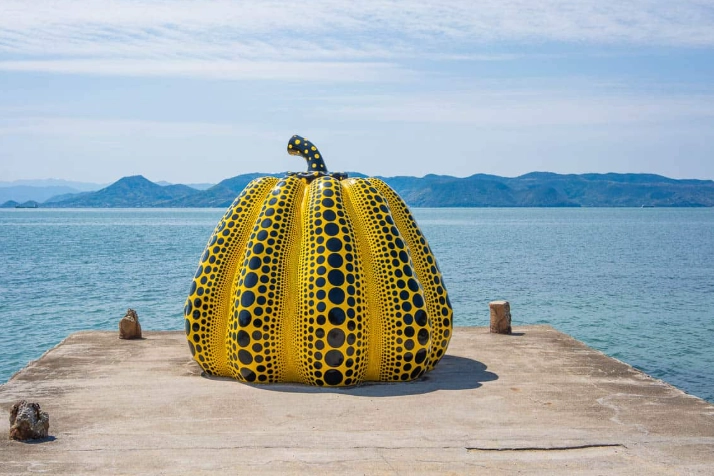
How to Plan Your Art Island Itinerary
This is where most guides are vague. Let's get specific. Trying to do more than one major island per day is a recipe for stress and missing the last ferry.
The 3-Day Core Itinerary (The Sweet Spot):
- Day 1: Arrive at Takamatsu or Uno Port. Ferry to Naoshima (Miyanoura). Check in (stay on Naoshima if possible). Explore Miyanoura area and the Art House Project in Honmura.
- Day 2: Naoshima deep dive. Take the shuttle to the Benesse area. Visit Chichu Art Museum (morning reservation), Benesse House Museum, and explore outdoor sculptures. Return to port via bus/bike.
- Day 3: Day trip to either Teshima or Inujima. I recommend Teshima for the museum experience or Inujima for a quieter, half-day trip. Ferry back to your gateway city in the evening.
If you have 4-5 days: Add the other third island. You could also consider a trip to the nearby Shodoshima (known for olives and the Angel Road) or visit more Setouchi Triennale sites.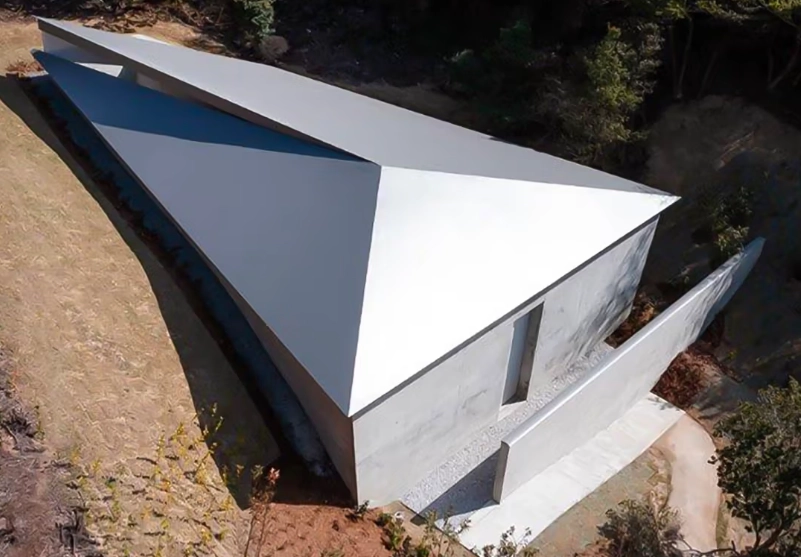
Where to Stay: Staying on the islands immerses you. On Naoshima, the Benesse House is the ultimate (but pricey) splurge. More affordable minshuku (guesthouses) are in Honmura or Miyanoura—book months ahead. Otherwise, base yourself in Takamatsu or Okayama. Takamatsu has great udon and the Ritsurin Garden, making it a pleasant base.
Practical Guide: Getting There and Around
Step 1: Get to a Gateway City.
- Takamatsu (Kagawa, Shikoku): Connected by Shinkansen (via Okayama) and direct flights from Tokyo Haneda.
- Okayama (Honshu): Major Shinkansen stop. From Okayama Station, take a local train to Uno Port (about 1 hour).
Step 2: Take the Ferry. Ferry terminals are Takamatsu Port and Uno Port. Schedules change seasonally. Always check the latest timetables from operators like JR Shikoku Ferry or Setouchi Art Fest website.
Sample routes (as of common planning):
- Takamatsu ↔ Naoshima (Miyanoura): About 50 minutes.
- Uno ↔ Naoshima (Miyanoura): About 20 minutes.
- Naoshima (Miyanoura) ↔ Teshima (Ieura): About 25-35 minutes.
- Naoshima (Honmura) ↔ Inujima: About 10-15 minutes (fewer departures).
Step 3: Island Transport. On Naoshima: Buses, rental bikes (electric recommended). On Teshima/Inujima: Rental electric bikes are king. Taxis/tour buses are available but plan ahead.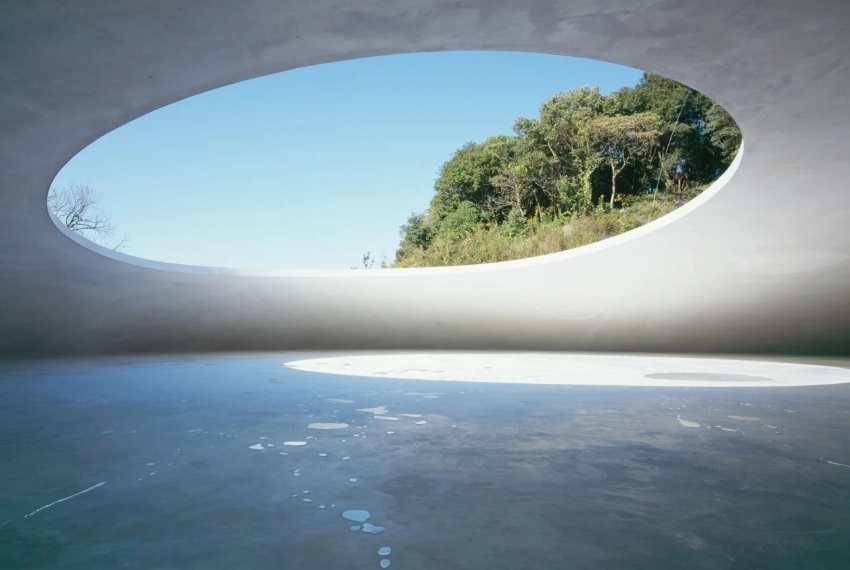
Frequently Asked Questions (Your Trip Planner Answered)
Is it possible to visit all three art islands in one day?
Realistically, no. It's the most common planning mistake. Ferry connections aren't a perfect loop, and you'd spend 80% of your day rushing to ports and maybe 20% actually seeing art. You'd see the outside of buildings, not experience them. Pick one island per day for a meaningful visit.
What is the best time of year to visit the Setouchi art islands?
Spring (April-May) and Autumn (October-November) are ideal. The weather is mild. Summer (July-Sept) is brutally hot and humid, though it coincides with some Setouchi Triennale years. Winter is quiet and cool, but some facilities have shorter hours or close on more weekdays. Avoid Japanese national holiday weeks (Golden Week in early May, Obon in mid-August) unless you enjoy crowds.
Do I need to book museum tickets in advance?
For the major sites, absolutely yes. This isn't a suggestion—it's a requirement to avoid disappointment. The Chichu Art Museum (Naoshima) and Teshima Art Museum have strict capacity limits and often sell out days in advance, especially on weekends. Book online as soon as your travel dates are fixed. The Benesse House Museum and Art House Project tickets can usually be bought on-site.
Are the art islands suitable for children?
It depends. Older kids and teens interested in art or architecture might find it fascinating. For young children, the experience can be challenging. There's a lot of walking/cycling, waiting, and many spaces require quiet contemplation (like the Teshima Art Museum). The outdoor sculptures on Naoshima are more child-friendly. I'd think carefully before bringing toddlers.
Can I visit during the Setouchi Triennale, and is it better?
Yes, and it's a different experience. The Triennale (next in 2025) adds dozens of temporary artworks, performances, and events across many more islands. It's vibrant and exciting. However, it also means significantly more crowds, higher accommodation prices, and the need to book everything (ferries, hotels, museum slots) many months in advance. For a first visit focused on the permanent sites, an off-year might be more relaxed.
What's one thing most visitors miss?
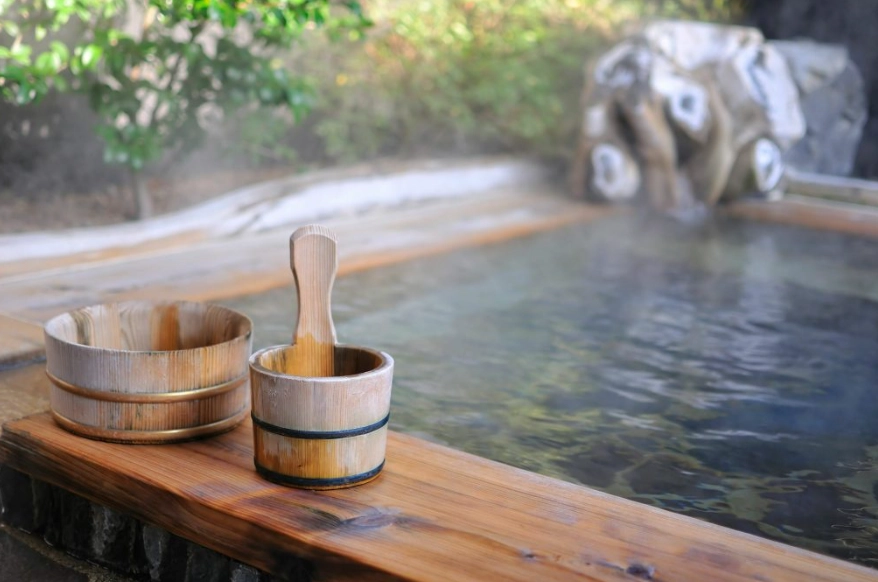
The Naoshima Bath "I♥湯" (I Love Yu) in Miyanoura. It's a functional public bathhouse designed by artist Shinro Ohtake. You can actually take a bath surrounded by wild collages and installations. It's affordable, quirky, and a perfect way to end a day of walking. Bring a small towel or buy one there.
Share Your Thoughts