My first Tokyo winter, I made the classic rookie mistake. I saw a photo of the Shibuya Blue Cave online, thought "that's the one," and joined a river of people shuffling slowly through a tunnel of blue lights. It was pretty, sure. But it felt more like a crowded commute than magic. It took me a few seasons of exploring—getting lost in side streets, arriving at the wrong times, and discovering hidden gems—to realize Tokyo's winter light displays are a nuanced art form. They're not just about brightness; they're about atmosphere, storytelling, and finding your own moment of wonder amidst the urban winter. Let's cut past the generic lists and talk about how to really experience them.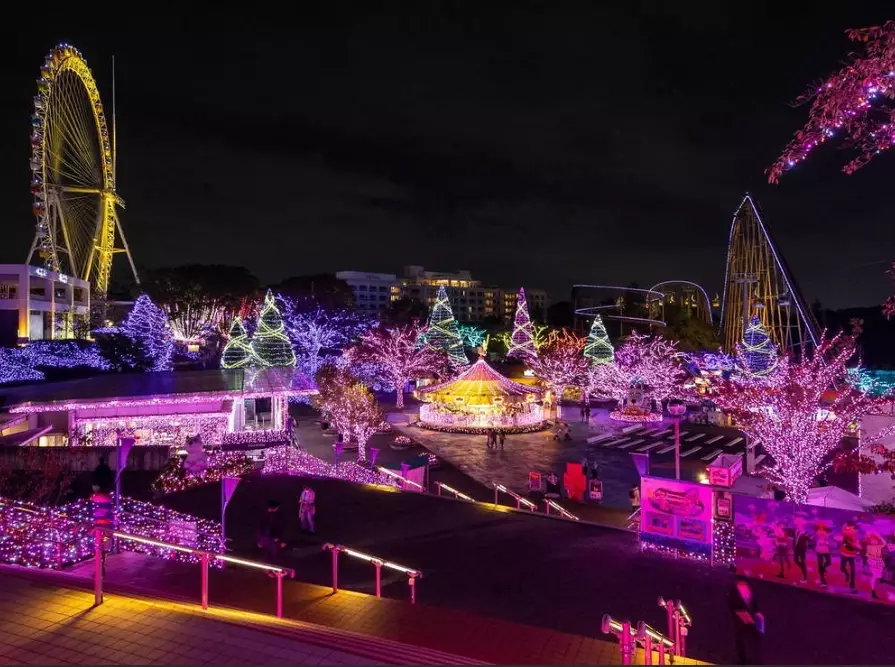
Your Quick Guide to Tokyo's Winter Lights
The Must-See Iconic Spots (And How to Survive Them)
You'll see these names everywhere. They're famous for a reason—their scale and creativity are unmatched. But visiting them wrong can be miserable. Here’s the real deal on Tokyo's headline acts.
Shibuya Blue Cave & Shibuya Scramble Square
The Blue Cave (along Koen-dori and Yoyogi Park) is the poster child. From mid-November to late December, it transforms a walking path into a dense, glowing blue tunnel. The effect is immersive, but the crowd density is insane. My advice? See it from the edges. Walk on the parallel streets first, get a full view of the tunnel from a distance—it's actually more impressive. Then, if you must walk through, go after 9 PM on a weekday.
The newer star is the Shibuya Scramble Square rooftop observation deck, "SHIBUYA SKY." Their winter illumination is a sophisticated, wind-swept display 229 meters up. You need a timed ticket (around ¥2,200), but it offers a breathtaking, panoramic view of Tokyo's glittering skyline and an artistic light show at your feet. It's cold up there, but less crowded than the streets below.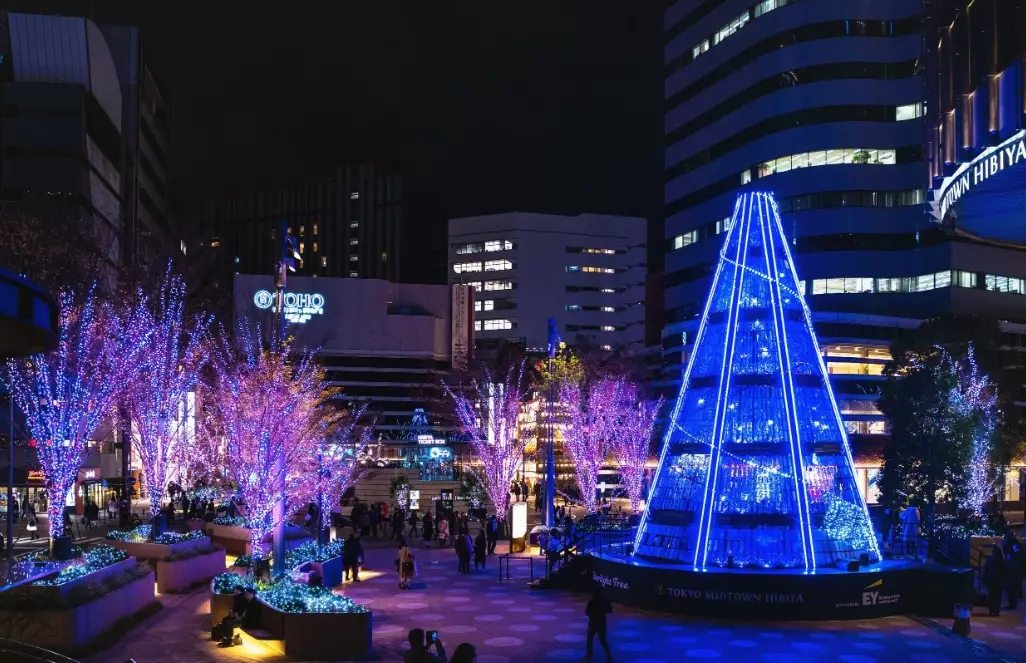
Shibuya Blue Cave Fast Facts
Period: Typically late Nov – late Dec. Time: 5 PM – 10 PM. Cost: Free. Nearest Station: Shibuya Station (multiple lines). Biggest Mistake: Going on a Saturday at 7 PM. Just don't.
Tokyo Midtown & Roppongi Hills: The Power Duo
These two complexes in Roppongi are often lumped together. They're close, but offer different vibes.
Tokyo Midtown's "Starlight Garden" is elegance personified. Think thousands of champagne-gold LEDs in the garden, often synchronized with gentle music. It feels romantic, refined. The best part is the alley of trees leading to the plaza—it's a perfect photo spot that feels less chaotic.
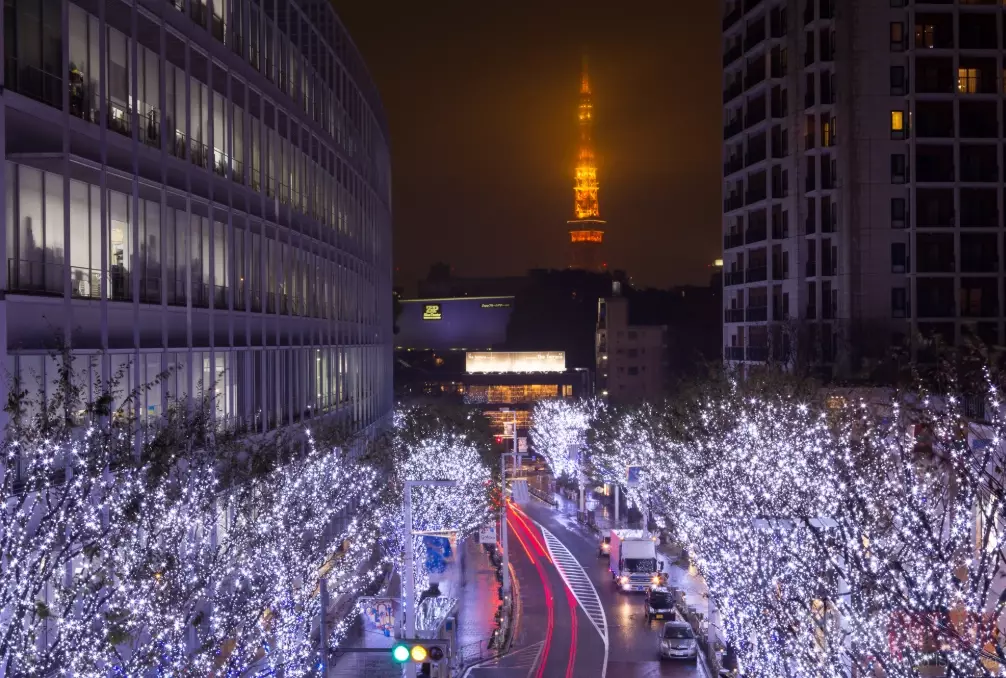
Across the street, Roppongi Hills goes for grandeur. The Keyakizaka slope becomes a cascade of lights, and the iconic Mori Tower is part of the canvas. It's more sprawling and commercial-feeling than Midtown, but undeniably impressive. You can often find Christmas markets here too.
Marunouchi & Caretta Shiodome
Marunouchi, the financial district, lines its upscale streets with over a million chandelier-like lights. It's less of a "show" and more of a luxurious, consistent glow along the wide boulevards near Tokyo Station. Great for a stroll after dinner in the area. It's surprisingly peaceful on weeknights.
Caretta Shiodome is the wildcard. It's an indoor, thematic projection mapping show in the Shiodome area. Each year has a different theme (past ones have included Studio Ghibli and Disney collaborations). It's free, mind-blowingly creative, and a lifesaver on a rainy or bitterly cold night. Check the Tokyo Odaiba & Waterfront official information site for the current year's theme and showtimes.
Underrated Gems Most Tourists Miss
This is where you find the magic. These spots have less international fame but are often loved by locals.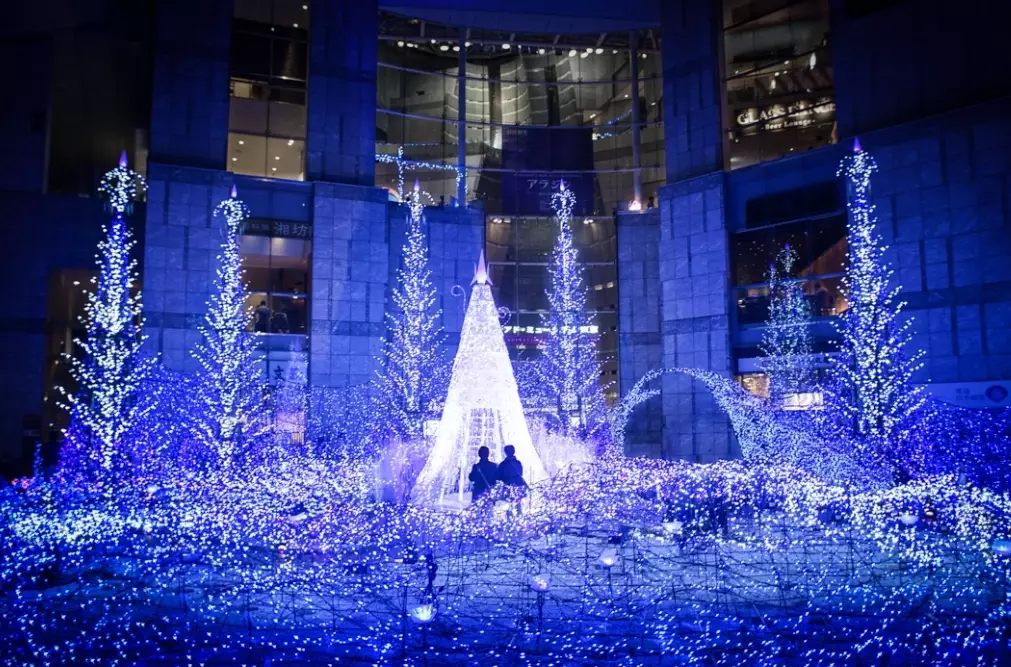
My personal favorite: The illumination at Yomiuriland (an amusement park a short train from central Tokyo). People think "amusement park lights" and imagine tacky. Yomiuriland's "Jewellumination" is an award-winning, hillside-wide spectacle using millions of LEDs to create breathtaking patterns and scenes. You take a slow gondola up the hill, floating over a sea of light. It's a paid entry (around ¥2,800-¥3,000), but it's an entire evening's experience, not just a 15-minute walk. The crowd is more local, the vibe is festive, and the scale is insane.
Naka-Meguro: The trendy canal district takes its famous cherry blossom path and strings it with delicate, warm white lights. It's subtle, romantic, and lined with cozy cafes. Perfect for a date night away from the frenzy.
Tokyo Dome City: The "LaQua" illumination near Korakuen Station is fun and dynamic, with light shows synchronized to music. It's family-friendly and feels more playful than the sophisticated downtown displays.
How to Plan Your Illumination Route Like a Pro
Trying to see more than two major displays in one night is a recipe for exhaustion and subway frustration. Tokyo is big.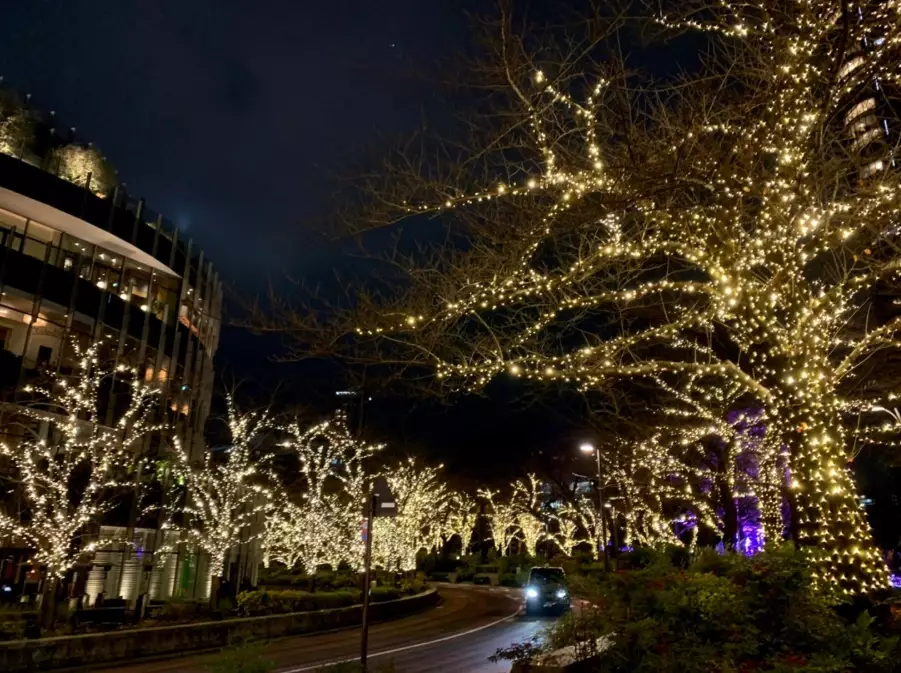
The Cluster Strategy: Group nearby illuminations. For example:
- Roppongi Cluster: Tokyo Midtown + Roppongi Hills (they're across the street).
- Shimbashi/Shiodome Cluster: Caretta Shiodome (indoor show) + a stroll through nearby Hamarikyu Gardens or towards Ginza.
- Shibuya Cluster: Shibuya Blue Cave + a view from Shibuya Sky or Miyashita Park.
Timing is Everything: Sunset in Tokyo winter is around 4:30 PM. The lights usually turn on then. The sweet spot for beating crowds is arriving at a location between 4:45 PM and 5:30 PM. You get the beautiful twilight transition into full darkness, and the after-work/school crowds haven't descended yet. If you miss that, aim for after 9 PM.
Dress for Success: This isn't a quick dash from a heated car. You'll be standing and walking outside for hours. Thermals, a warm hat, gloves, and heat packs are non-negotiable. Comfortable, warm boots will save your evening.
Getting That Perfect Shot (Tripod Rules & Workarounds)
You see the beautiful long-exposure shots with smooth light trails and wonder how they did it without a tripod in that crowd. Often, they didn't—they found a workaround.
As mentioned in the FAQ, tripods are largely prohibited at major outdoor sites during peak hours for safety. Security guards are vigilant.
So what do you do?
1. Embrace high ISO. Modern cameras handle high ISO noise much better. Don't be afraid to push it to 1600, 3200, or even 6400.
2. Find natural stabilizers. Railings, benches, trash bins, signposts—use them to brace your camera or phone. Tuck your elbows into your body, hold your breath, and shoot.
3. Shoot during twilight. The balance of ambient light and artificial lights means you can use faster shutter speeds.
4. Forget the crowd shots. Focus on details—a single beautifully lit tree, reflections in a puddle, light patterns on the ground. These often make more compelling images anyway.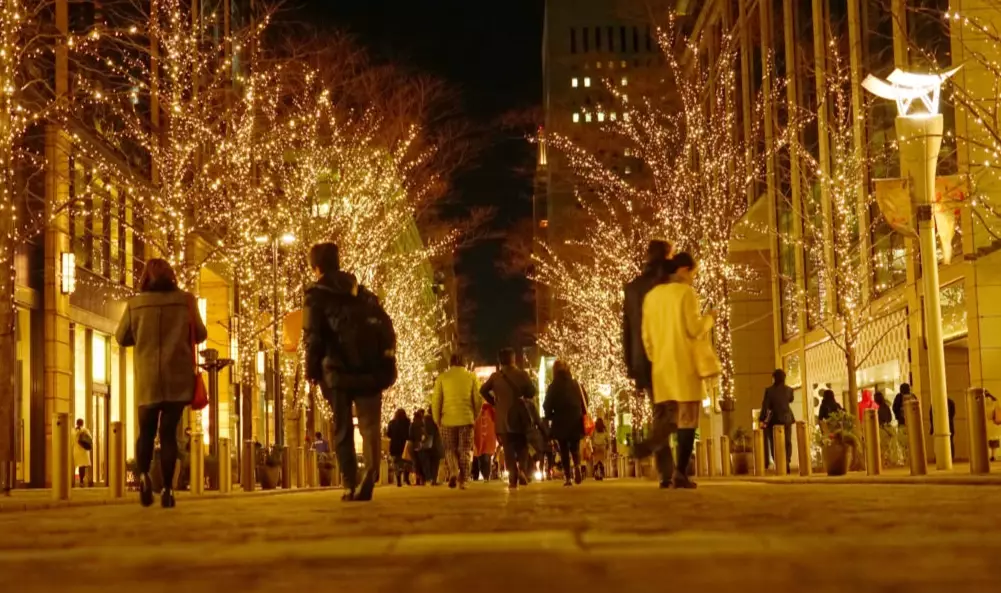
Your Burning Questions Answered
 The key to enjoying Tokyo's winter illuminations is to adjust your expectations. It's not a solitary, silent experience. It's a shared, communal celebration of light in the heart of a massive city. Pick one or two spots that genuinely appeal to you, plan your timing strategically, dress warmly, and be ready to be impressed not just by the lights, but by the entire atmosphere. Skip the frantic checklist tour, and you might just find your own perfect, glittering Tokyo winter moment.

Share Your Thoughts