Quick Guide
Let's be honest. When you think of Japan, "budget" isn't the first word that pops into your head. You're probably picturing expensive sushi, pricey bullet trains, and hotels that cost an arm and a leg. I thought the same thing before my first trip. I was convinced a budget travel Japan adventure was a fantasy reserved for backpacking legends.
I was completely wrong.
After multiple trips stretching my yen further than I thought possible, I'm here to tell you that Japan is one of the most rewarding countries to explore on a budget. It just requires a shift in strategy. Forget the luxury ryokans and multi-course kaiseki meals (for now). The real Japan—the bustling izakayas, serene temples, efficient chaos, and incredible food—is absolutely accessible without draining your savings. This guide is everything I wish I knew before I went.
Beating the Biggest Cost: Transportation
This is usually the budget-killer. But it's also where the biggest wins are. The famous Shinkansen (bullet train) is amazing, but it's a premium product with a premium price. For budget travel Japan pros, the rail pass calculation is sacred.
The Great Rail Pass Debate: Is a JR Pass Worth It?
The Japan Rail Pass used to be a no-brainer. After significant price hikes, you need to do the math. It's only worth it if you're planning several long-distance Shinkansen trips within a 7, 14, or 21-day period.
Use the official JR Pass calculator or a tool like Japan-Guide's fare calculator to compare point-to-point tickets vs. the pass cost. For a classic Tokyo-Kyoto-Osaka-Hiroshima loop, it often still pencils out. But if you're focusing on one region (like just Kansai), it's almost never worth it.
Here’s a quick comparison of regional passes that are often better value for focused itineraries:
| Pass Name | Best For Region | Approx. Cost (7 Days) | Why It's a Budget Win |
|---|---|---|---|
| JR Kansai Area Pass | Kyoto, Osaka, Nara, Kobe, Himeji | $150 | Covers all local JR trains, perfect for day trips. Beats buying individual tickets. |
| JR Hokkaido Rail Pass | All of Hokkaido (Sapporo, Otaru, Furano) | $240 | Hokkaido is vast. This pass makes exploring its natural beauty affordable. |
| JR Kyushu Rail Pass | Fukuoka, Nagasaki, Beppu, Kagoshima | $200 | Great for hopping between Kyushu's diverse cities and hot spring towns. |
| Tokyo Subway Ticket | Tokyo only (NOT a JR Pass) | $20 (72-hr) | Unlimited rides on Tokyo Metro & Toei lines. An absolute steal for city exploration. |
The Budget Champion: Overnight Buses
If you want to truly master Japan on a budget, meet your new best friend: the overnight highway bus. Companies like Willer Express and JR Bus offer comfortable, clean buses with reclining seats (sometimes even individual pods) that travel between major cities while you sleep.
You save a night's accommodation and transportation costs. A Tokyo to Kyoto bus might cost $50-$80, compared to a $130 Shinkansen ticket plus a $80 hotel night. Do the math—it's a huge saver. The catch? You won't get a perfect night's sleep. But for budget travelers, it's a rite of passage.
Where to Sleep Without Going Broke
Hotels in city centers are pricey. But Japan has innovated the budget accommodation scene in ways you have to experience.
Capsule Hotels: More Than a Novelty
Don't let the sci-fi movies fool you. Modern capsule hotels are clean, safe, and surprisingly comfortable. You get a private pod (just big enough to sit up in), often with a TV, charging ports, and a light. Bathrooms and lounges are shared.
They're perfect for solo travelers on a Japan cheap travel mission. You can find them for $25-$40 a night in major cities. Some are men-only, but many now have female-only floors. I was claustrophobic at first, but after a long day of walking, having a dark, quiet pod to crash in was amazing.
Business Hotels & Guesthouses
For a bit more space (like a real room with a private bathroom, albeit tiny), look for business hotel chains like Toyoko Inn, APA Hotel, or Dormy Inn. They're no-frills but spotless, and often include free breakfast (usually simple, like rice, miso soup, and coffee). Prices range from $50-$80/night.
For social vibes, guesthouses and hostels are everywhere. Japan's hostels are among the cleanest in the world. Look for ones with good common areas to meet other travelers—this is also a great way to get insider tips for budget travel Japan.
Eating Like a King on a Pauper's Budget
This is where Japan shines for the budget-conscious. You can eat incredibly well for very little money.
- Convenience Stores (Konbini): 7-Eleven, FamilyMart, Lawson. These are culinary goldmines. Fresh onigiri (rice balls) for $1.50, decent sandwiches, salads, and even hot items like fried chicken. Perfect for breakfast or a quick lunch. Their coffee is also surprisingly good and cheap.
- Department Store Basements (Depachika): Go to a big department store like Isetan or Takashimaya just before closing (around 7-8 PM). Their exquisite food halls mark down sushi, bento boxes, and prepared foods significantly. It's a gourmet feast for a fraction of the price.
- Ramen & Donburi Shops: A hearty, delicious bowl of ramen costs $7-$10. A bowl of gyudon (beef over rice) at chains like Yoshinoya or Sukiya is about $4-$6. These are filling, authentic meals.
- Standing Sushi Bars (Tachigui): Fancy sit-down sushi is expensive. But at a standing sushi bar, you get fresh, high-quality sushi pieces for $1-$3 each. It's fast, fun, and authentic.
Lunch is almost always cheaper than dinner at the same restaurant. Many places offer fantastic "teishoku" (set meal) lunch specials. Eat your main meal at lunch, then have a lighter konbini dinner.
And water—tap water in Japan is perfectly safe to drink. Carry a bottle and refill it. Don't waste money on bottled water.
Free & Cheap Attractions: The Soul of Japan
You don't need a fat wallet to experience Japan's culture. In fact, some of the best experiences are free.
Temples and Shrines: While a few famous ones charge a small entry fee (like Kyoto's Kinkaku-ji, worth the $4), thousands of beautiful, significant temples and shrines are completely free to enter and wander. The atmosphere in places like Kyoto's Fushimi Inari Shrine (free) or Tokyo's Senso-ji (free to enter the grounds) is priceless.
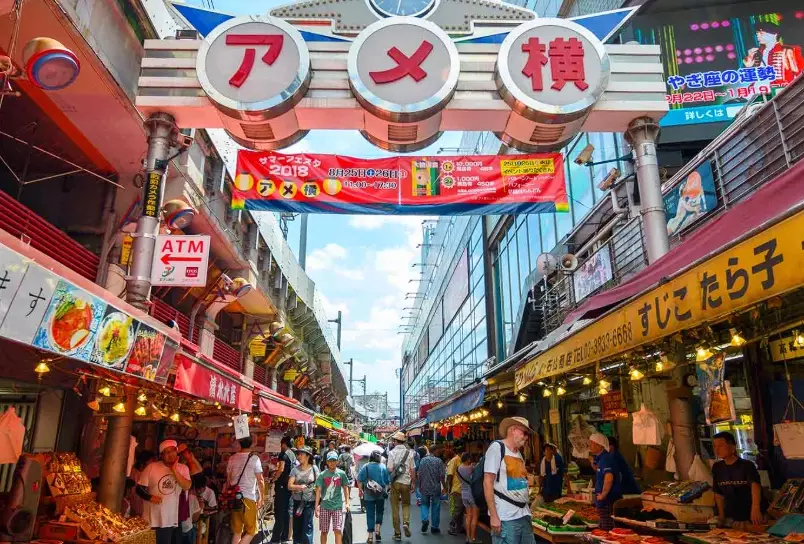
Urban Exploration: Just walking through different neighborhoods is a free activity. Get lost in the backstreets of Osaka's Shinsekai, explore the electronics wonderland of Tokyo's Akihabara, or wander the traditional merchant houses of Kanazawa. People-watching in Harajuku? Free entertainment for hours.
Hiking and Nature: Japan is mountainous. In cities like Kyoto or Kamakura, you can find free hiking trails leading to small temples with stunning views. Even in Tokyo, a hike up Mount Takao is a cheap day trip.
Free City Views: Skip the expensive Tokyo Skytree or Tokyo Tower. The Metropolitan Government Building in Shinjuku offers spectacular, completely free observatories. In Osaka, the Umeda Sky Building costs money, but the view from the top of the nearby Hep Five Ferris wheel (included with a subway pass discount sometimes) is great too.
Smart Itinerary for a 10-Day Budget Japan Trip
Here’s a sample skeleton to show how it all fits together. Adjust based on your interests.
Days 1-4: Tokyo
Stay in a capsule hotel or hostel in Asakusa or Ueno. Use the 72-hour Tokyo Subway Pass. Day 1: Asakusa (Senso-ji, free), Ueno Park (free museums & zoo). Day 2: Shinjuku (Met Gov Building view, free), Harajuku (people-watching, free), Shibuya Crossing. Day 3: Akihabara, Imperial Palace East Gardens (free). Day 4: Day trip to Kamakura (cheap local train, many free temples).
Food focus: Konbini breakfasts, ramen/gyudon lunches, depachika or standing sushi dinners.
Travel to Kyoto: Overnight bus (save on transport + a night's hotel).
Days 5-8: Kyoto/Osaka
Stay in a guesthouse in Kyoto. Consider a 2-day Kansai Thru Pass for non-JR transport. Day 5: Fushimi Inari (free), Gion district walk. Day 6: Arashiyama (free to walk the bamboo grove, paid for monkey park), Kinkaku-ji (small fee). Day 7: Train to Osaka (30 mins). Osaka Castle park (free exterior), Dotonbori street food scene. Day 8: Day trip to Nara (feed the deer, see Todai-ji - small fee for the hall).
Food focus: Kyoto's cheap tofu lunches, Osaka's takoyaki and okonomiyaki street food.
Days 9-10: Hiroshima/Miyajima (or alternative)
If you have a JR Pass, this is where it pays off. Morning train to Hiroshima. Visit the Peace Memorial Park & Museum (very small donation). Afternoon ferry to Miyajima (see the iconic floating torii gate, free from the shore). Stay in a Hiroshima business hotel. Next day, return to Osaka/Tokyo for your flight.
Alternative: If that's too rushed, spend two extra days exploring more of Kyoto or Osaka.
Your Burning Budget Japan Questions, Answered
Let's tackle the stuff you're actually searching for.
Frugal: $40-60/day Comfortable Budget: $70-90/day
This covers dorm/capsule, bus/subway travel, konbini/ramen meals, and a few paid attractions. It doesn't include intercity transport (passes or buses) or big splurges.
Final Checklist Before You Go
- Calculate your rail pass. Use the official JR Pass site and other calculators. Don't buy it blindly.
- Book your first night's accommodation. Especially if arriving late. Nothing is more stressful than looking for a cheap bed while jet-lagged.
- Download offline maps and translation. In Google Maps, download the Tokyo/Kyoto/Osaka areas.
- Get an IC Card upon arrival. At the airport station, buy a Suica or Pasmo card, load it with $30. It's your transit and konbini lifeline.
- Pack light. You'll be moving around a lot. Laundry in Japan is easy and cheap at coin laundries in most hostels/guesthouses.
- Learn a few phrases. "Arigatou gozaimasu" (thank you) goes a very long way.
Look, budget travel Japan isn't just about saving money. It's a mindset that pushes you deeper into the fabric of the country. You ride with commuters on local trains, you eat where the construction workers eat, you discover that the most memorable moments often have no price tag at all.
It's challenging, rewarding, and completely doable. Your dream trip is waiting, and it doesn't require a fortune—just a bit of smart planning and a willingness to embrace a different pace. Now go start plotting your route.



Share Your Thoughts