Quick Guide to Japanese Beaches
- The Crown Jewel: Okinawa and the Southwest Islands
- The Strong Contender: Kyushu
- The Kansai & Chugoku Coastline
- The Kanto & Izu Peninsula Getaway
- The Hidden Gems: The Japan Sea Coast & The North
- Beyond the Sand: What Makes a Beach "Nice" in Japan?
- Your Questions, Answered (The FAQ Bit)
- Wrapping It Up: Finding Your Perfect Japanese Beach
Let's be honest. When you think of Japan, beaches might not be the first thing that pops into your head. You're probably picturing neon-lit cities, ancient temples, and snowy mountains. But here's the thing—Japan is an archipelago made up of over 6,800 islands. There's a lot of coastline. And some of it is absolutely stunning.
The answer to "what part of Japan has the nicest beaches?" isn't a simple one. It depends entirely on what you're looking for. Are you dreaming of powder-white sand and turquoise water that looks like it's been photoshopped? Or maybe you want a rugged, volcanic black-sand beach with great surf? Perhaps you need a family-friendly spot close to major cities?
I've spent a good chunk of time traveling around Japan's coasts, from the subtropical south to the surprisingly swimmable (in summer!) north. I've had amazing days and a few disappointing ones. I'll give you the real picture, the good and the sometimes less-good, so you can figure out which part of Japan has the nicest beaches for you.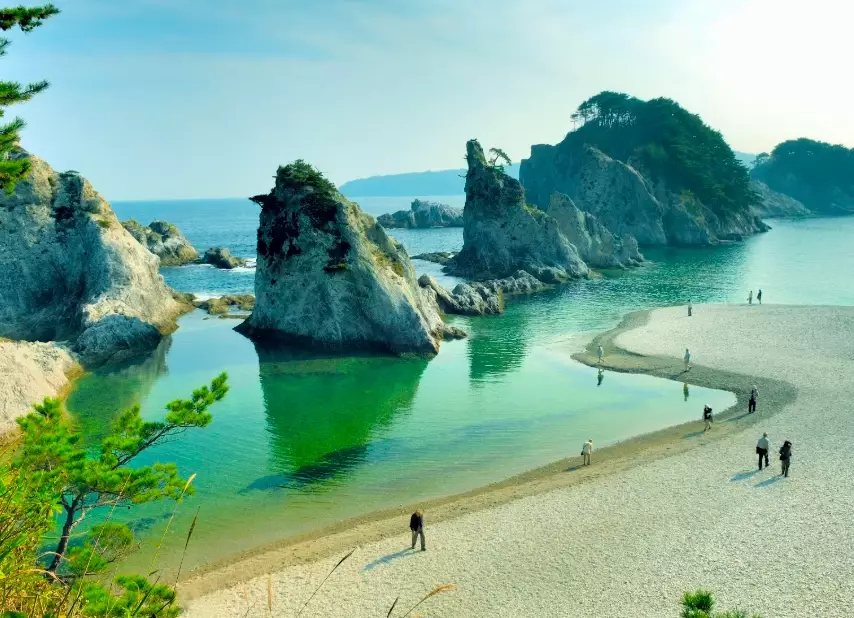
The Short Answer: For the classic, postcard-perfect tropical beach experience, Okinawa Prefecture is the undisputed winner. Its remote islands offer some of the best beaches in Japan, if not all of Asia. But other regions offer unique charms that might suit your trip better.
The Crown Jewel: Okinawa and the Southwest Islands
If your definition of "nicest" involves water so clear you can see your toes and sand so white it hurts your eyes, stop reading and just book a ticket to Okinawa. Seriously. This subtropical chain of islands is in a league of its own. The water is a warm, brilliant blue year-round (though swimming is best April-October), and the marine life is incredible for snorkeling and diving.
But even within Okinawa, there's variety.
The Main Island (Okinawa Honto)
The main island has some great, accessible beaches. Manza Beach is famous for its views of the iconic Hotel Nikko. Sunset Beach in Chatan is, unsurprisingly, perfect for evening views. They're convenient, often have facilities, and are great for a quick beach fix. But they can get crowded, especially on weekends and during Japanese school holidays.
My personal favorite on the main island is Mibaru Beach, down near Itoman. It's a bit more spread out, feels less developed, and has interesting coral formations.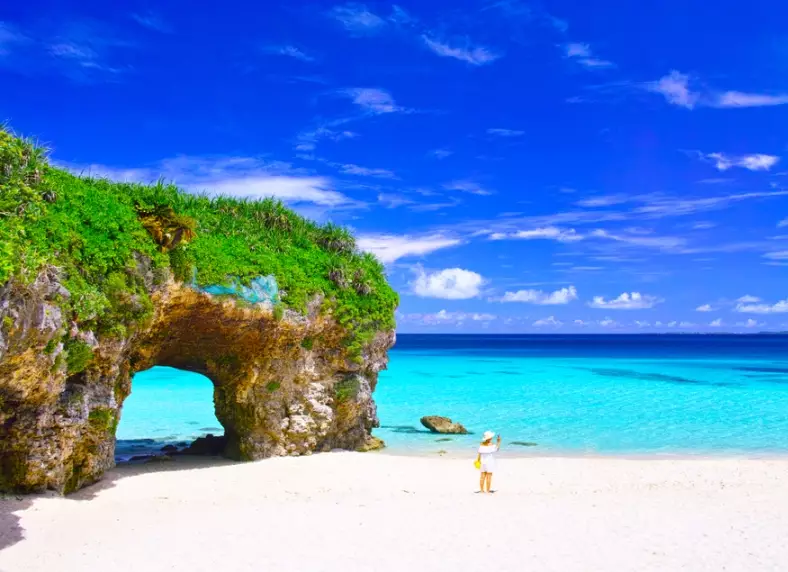
The Outer Islands (The Real Paradise)
This is where you find the answer to "what part of Japan has the nicest beaches?" in its purest form. You need to take a short flight or ferry, but it's 100% worth it.
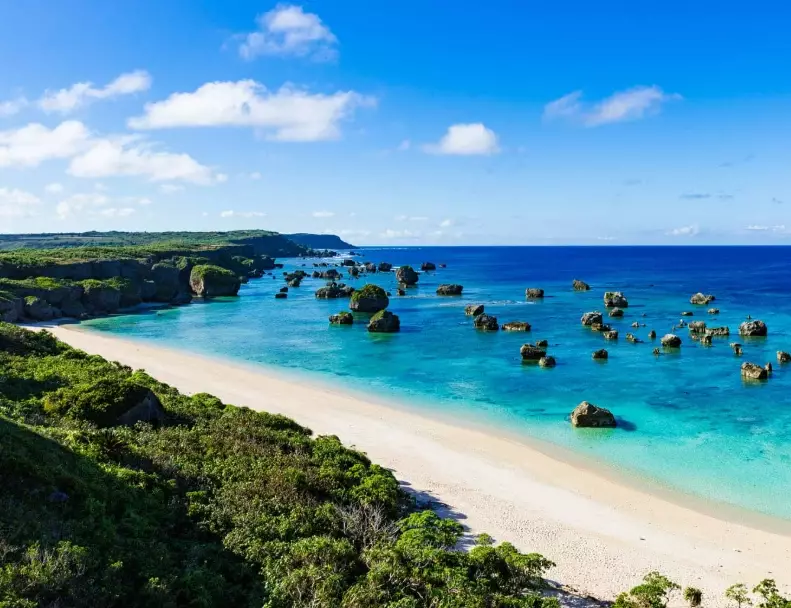
- Miyakojima: Known for Yonaha Maehama Beach, a stunning 7km stretch of white sand that regularly tops domestic "best beach" rankings. The sand is like fine powder. Sunayama Beach is a smaller, more dramatic cove with a cool arch rock formation. The driving here is easy, and the island vibe is relaxed.
- Ishigaki & Taketomi: Ishigaki's Kabira Bay is iconic—so beautiful that swimming isn't allowed to preserve the ecosystem (you take glass-bottom boat tours). For swimming, head to Fusaki Beach or the stunning Yonehara Beach for some of Japan's best snorkeling right off the shore. A short ferry ride takes you to Taketomi Island, where the star-shaped sand (Hoshizuna) at Kondoi Beach is a unique marvel.
- Kerama Islands (like Tokashiki and Zamami): A short ferry ride from Naha, these are the go-to for a quick paradise escape. Aharen Beach on Tokashiki is breathtaking. The water clarity here is insane, often exceeding 50 meters. It's a popular day-trip spot, so consider staying overnight to enjoy the beaches in the peaceful morning.
For official information on planning a trip to these islands, the Okinawa Tourist Information website is an excellent, authoritative resource for travel basics, and the Japanese Ministry of the Environment's site on National Parks details the protected marine areas, like Kerama Shoto National Park, which explains why the environment is so pristine.
The Strong Contender: Kyushu
Okay, maybe you don't want to fly all the way to the far south. Kyushu, the southwesternmost of Japan's main islands, offers a fantastic mix. The beaches here have more character, often backed by green hills and with a volcanic influence.
Kagoshima Prefecture is a powerhouse. The Satsuma Peninsula has spots like Furusato Beach—a long, sandy stretch with views of the active Sakurajima volcano puffing away in the distance. It's a surreal and uniquely Japanese beach experience. Further south, the islands of Yakushima (more famous for its forests) and Tanegashima (Japan's spaceport!) have secluded, beautiful coves.
Nagasaki Prefecture has the Goto Islands. These are off-the-beaten-path, with a rich history and gorgeous, often empty, beaches. Fukue Island's Tahara Beach is a local favorite.
In Miyazaki Prefecture, you'll find Aoshima, a tiny island connected by a bridge, surrounded by a beach and the weirdly beautiful "Devil's Washboard" rock formations. The surfing culture is strong in Miyazaki, so the vibe is casual and cool.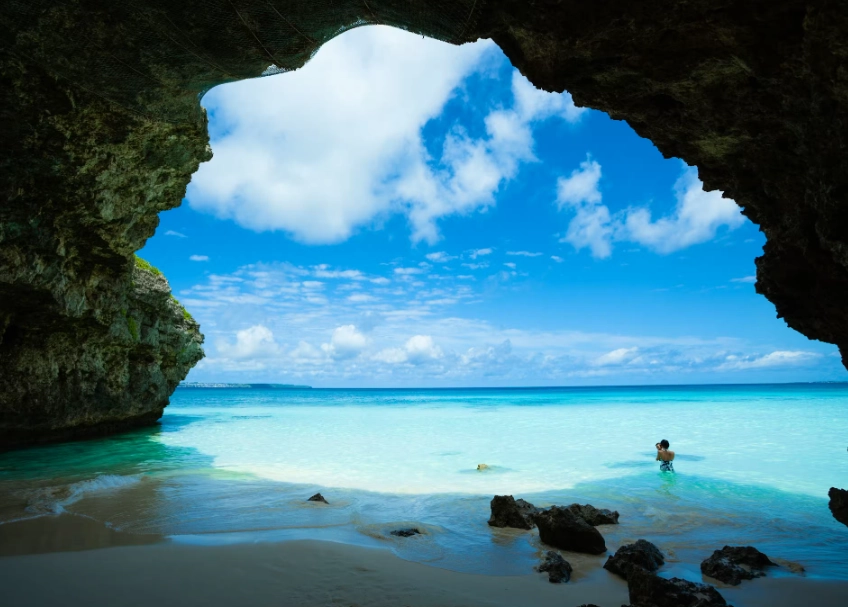
Local Tip: Kyushu is famous for its onsen (hot springs). Many coastal towns have onsens with ocean views. Imagine soaking in a rotenburo (outdoor bath) after a day at the beach. That's a perfect Japanese day right there.
The Kansai & Chugoku Coastline
This is for the traveler who wants to mix major cultural sights with some beach time. You can visit Kyoto's temples in the morning and be on a beach by the afternoon.
Wakayama Prefecture, south of Osaka, is the gem here. The Kumano Kodo pilgrimage trails end at sacred sites like Nachi Falls near the coast. Shirahama is a classic resort town with a white sand beach (some sand was imported, but it's pleasant). The real draw is Senjojiki, a vast, flat rock plateau by the sea, and the nearby Sandanbeki cliffs. Not a swimming beach, but breathtaking coastal scenery.
Further west, in Tottori Prefecture, you'll find the famous Tottori Sand Dunes. It's a desert-like landscape meeting the sea—utterly unique in Japan and worth a visit for the photos alone, though it's not a typical lounging beach.
In Shimane Prefecture, Kuniga Coast on the Oki Islands is about dramatic sea cliffs and rock formations, offering hiking with insane ocean views.
The Kanto & Izu Peninsula Getaway
Living in Tokyo and need a quick beach fix? The Izu Peninsula in Shizuoka Prefecture is your answer. It's a popular weekend destination, so it gets busy, but the scenery is beautiful—rugged coastlines, hot springs, and some nice sandy spots.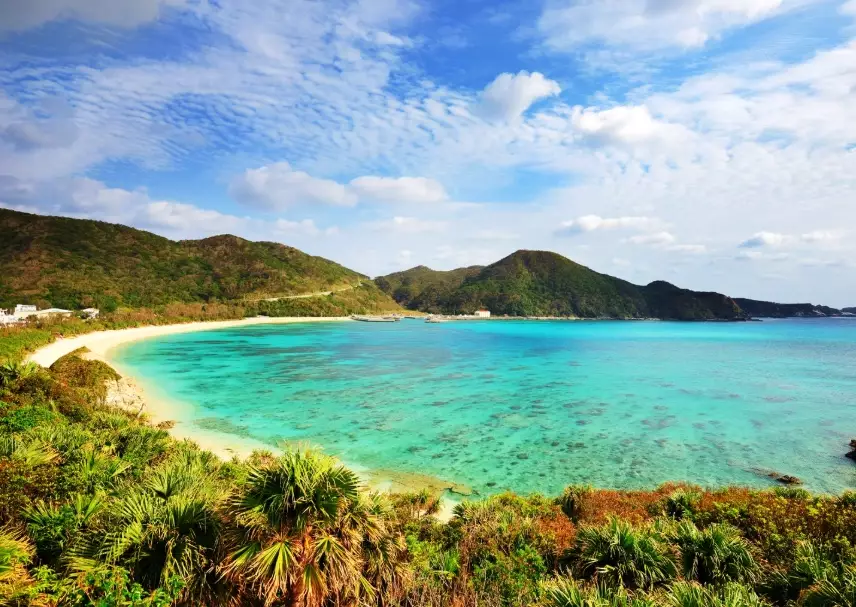
Shirahama Beach in Shimoda is historically significant (linked to the opening of Japan) and has a good stretch of sand. Atami and Ito are classic onsen towns with smaller beaches. The water on the Pacific side here can be rougher and cooler than in the south, but it's refreshing in the hot summer.
Honestly, the beaches here aren't going to win beauty contests against Okinawa. But for convenience, combined with fantastic seafood and onsens, they solve the "beach craving" for Tokyoites. To the east of Tokyo, Chiba Prefecture's Kujukuri Beach is a nearly 60km long, straight stretch of sand. It's popular with surfers and has a wide, open feel you don't get elsewhere near the capital.
The Hidden Gems: The Japan Sea Coast & The North
Most people overlook the western coast facing the Japan Sea. The water is a deeper blue, often calmer than the Pacific side, and the sunsets are phenomenal.
Ishikawa Prefecture's Noto Peninsula has stunning coastal drives and secluded spots like Chirihama Nagisa Driveway, where you can literally drive your car on the hard-packed sand for 8km. It's wild.
Up in Niigata, there are long, windswept beaches like Iwamuro Beach. The water is surprisingly swimmable in July and August, though the season is short. The appeal here is the lack of crowds and the dramatic scenery.
Even Hokkaido has beaches! Furano is for skiing, but the coastal town of Toya has swimmable lakeside beaches, and the Shakotan Peninsula offers some of the clearest, brightest blue water I've seen in Japan—it's just cold. It's more for scenic cruising and seafood than sunbathing.
| Region | Best For | Water Clarity & Sand | Best Season | Vibe & Notes |
|---|---|---|---|---|
| Okinawa (Outer Islands) | Pristine tropical paradise, snorkeling/diving, photography | Exceptional. White powder sand, turquoise water. | Late April - October (avoid rainy season June) | Relaxed, island time. Requires extra travel (ferry/flight). The top answer for "nicest" in the classic sense. |
| Okinawa (Main Island) | Convenience, family facilities, combining with cultural sites | Very Good to Excellent. Some beaches are man-made/maintained. | May - October | Resort-like, can be crowded. Great first taste of Okinawa. |
| Kyushu (Kagoshima/Miyazaki) | Dramatic scenery, surfing, combining with volcanoes/onsen | Good to Very Good. Often darker, volcanic sand. | June - September | Rustic, outdoorsy. Fantastic food and hot springs culture. |
| Kansai (Wakayama) | Combining beach with major cultural tourism (Kyoto/Osaka) | Fair to Good. Scenery often outshines the sand. | July - August | Historic, convenient. Beaches are a bonus, not the main event. |
| Izu Peninsula (Shizuoka) | Quick escape from Tokyo, onsen and seafood trips | Fair. Water can be cooler and rougher. | July - August only | Weekend getaway, busy. Perfect for a 2-day trip. |
| Japan Sea Coast (Ishikawa/Niigata) | Epic sunsets, avoiding crowds, unique coastal drives | Good. Deep blue, calmer sea. | July - August (short season) | Remote, serene. For the adventurous traveler who's "seen it all." |
Beyond the Sand: What Makes a Beach "Nice" in Japan?
It's not just about looks. When figuring out what part of Japan has the nicest beaches for your needs, consider these very practical, very Japanese factors.
Facilities and Amenities
Many managed beaches in Japan have great facilities: showers, changing rooms, lockers, and sometimes even rental shops for umbrellas and mats. This is huge. Okinawa's major beaches are excellent at this. A remote cove in Kyushu might have none. Check beforehand.
Lifeguards and Safety
During the official swimming season (usually July-August, longer in Okinawa), popular beaches will have lifeguards and designated swimming areas marked with ropes. Outside these times, you swim at your own risk. Pay attention to flags and signs—they're there for a reason.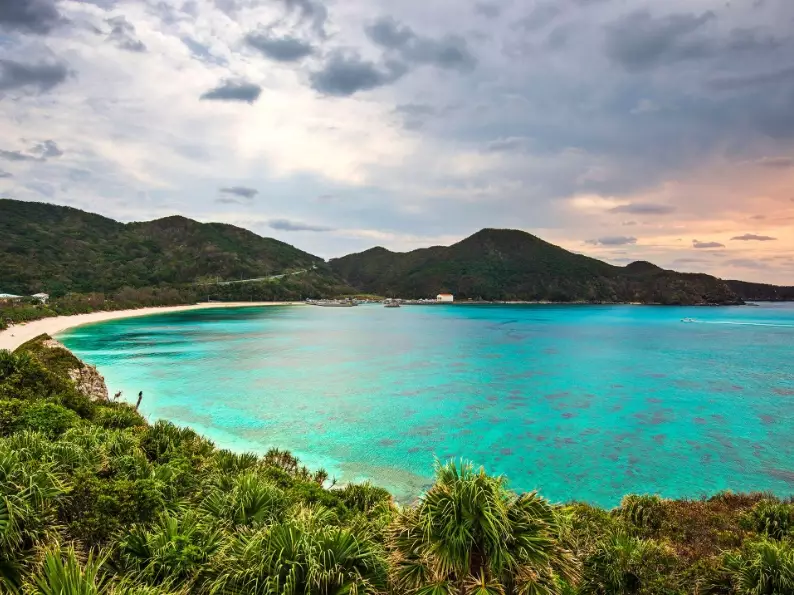
The Food Situation
This is where Japan shines. Many beaches have a nearby kaigan-tei (beachside house) or small stalls selling soft serve ice cream, kakigori (shaved ice), and simple meals. Sometimes, the best part is grabbing a bento box from a local supermarket and having a picnic.
Crowds
Any beach easily accessible by train or car will be packed on a sunny summer weekend. If you want peace, go on a weekday, or head to the more remote islands. The difference is night and day.
Your Questions, Answered (The FAQ Bit)
Wrapping It Up: Finding Your Perfect Japanese Beach
So, after all this, what part of Japan has the nicest beaches?
For the ultimate tropical escape, the answer is clear: Okinawa's outer islands (Miyakojima, Ishigaki, Keramas). They are in a class of their own and deliver exactly what you dream of when you hear "best beaches."
For the best all-around mix of great sand, unique culture, fantastic food, and other activities (onsen, hiking, volcanoes), look to Southern Kyushu, particularly Kagoshima and Miyazaki. You get a more well-rounded Japanese trip with stunning coastlines as a major highlight.
For the practical city escape, the Izu Peninsula serves Tokyo residents and visitors perfectly well for a short break.
The truth is, Japan's coastline is full of surprises. From the spiritual coasts of Wakayama to the volcanic vistas of Kagoshima and the remote serenity of the Japan Sea, there's a perfect beach for every type of traveler. You just have to know where to look—and now, hopefully, you do.
Final Piece of Advice: Don't just chase the "number one" ranked beach on some list. Think about what you want your whole trip to be like. The nicest beach is the one that fits perfectly into your adventure and leaves you with the best memories.
Share Your Thoughts