Quick Navigation
Let's be real. Planning a trip to Tokyo can feel overwhelming. There's just too much. You've got ancient temples next to neon-lit skyscrapers, serene gardens a stone's throw from the world's busiest crossing, and more food options than you could try in a lifetime. How on earth do you fit it into a short visit? That's where this guide comes in. I've put together a Tokyo itinerary for 3 days that's tried, tested, and refined from my own trips and plenty of mistakes. It's not just a list of places. It's a realistic plan that balances iconic sights with local flavor, considers travel time (Tokyo is huge!), and leaves room for you to breathe and discover your own favorite spots.
The goal here is simple: to give you a framework for an unforgettable three days in Tokyo. We'll hit the classics, sure, but we'll also weave in moments that give you a true feel for the city's rhythm. Is three days enough for Tokyo? Honestly, you could spend three months and not see it all. But three days is perfect for a powerful, concentrated dose of what makes this city one of the planet's most captivating destinations. You'll leave exhausted, inspired, and already planning your return.
Before You Go: The Non-Negotiables
A bit of prep makes everything smoother. Get a Suica or Pasmo card at the airport. It's a rechargeable IC card for trains, buses, and even convenience stores. Ditch the paper tickets. For internet, a pocket Wi-Fi or eSIM is essential for navigation and translations. Download Google Maps (it's shockingly accurate for train times) and a translation app like Google Translate. And finally, get comfortable walking shoes. My first day, I clocked 28,000 steps. You've been warned!
Your Tokyo 3-Day Itinerary: A Day-by-Day Breakdown
This itinerary is designed to be logical geographically, minimizing backtracking across this sprawling metropolis. Each day has a loose theme, mixing old and new, chaos and calm. Feel free to swap things based on your energy or the weather. Rainy day? Maybe swap a garden visit for a museum. It's your trip.
Day 1: Historic Heart & Electric Dreams (Asakusa, Skytree, Akihabara, Shinjuku)
We start in Old Tokyo. Asakusa is the district that gives you that classic, postcard-perfect image of Japan.
Morning (9:00 AM - 12:00 PM): Asakusa & Senso-ji Temple
Take the Ginza Line to Asakusa Station. Walk down Nakamise-dori, the approach to Senso-ji. It's a crowded, lively street food and souvenir alley. Try some ningyo-yaki (small cake filled with sweet bean paste) or age-manju (fried sweet bun). The temple itself, Senso-ji, is Tokyo's oldest. Go through the Kaminarimon (Thunder Gate), soak in the atmosphere, and if you're inclined, get an omikuji (fortune paper). For a quieter moment, duck into the Asakusa Shrine just to the left of the main hall.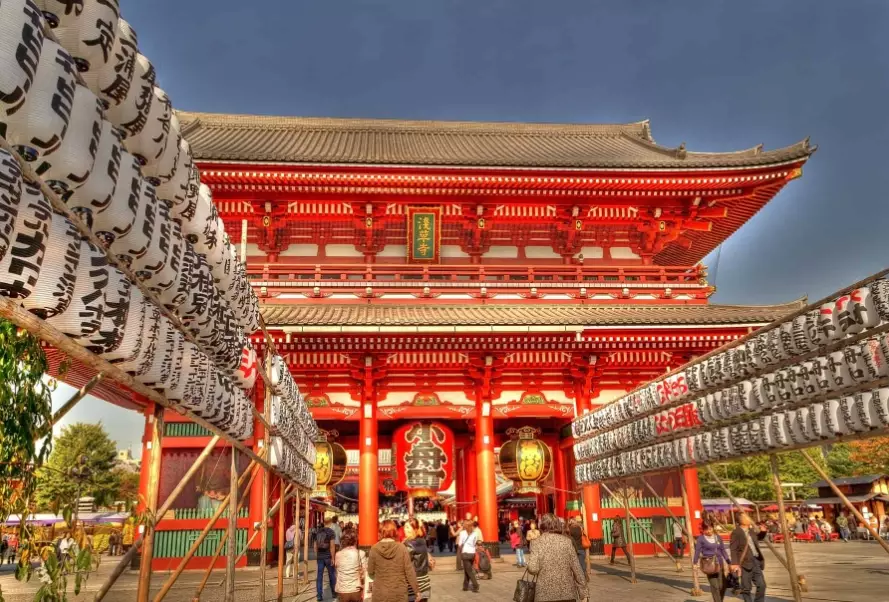
Afternoon (1:00 PM - 5:00 PM): Tokyo Skytree & Sumida River
From Asakusa, it's a pleasant 15-20 minute walk along the Sumida River to the Tokyo Skytree. You'll see it from the temple grounds. The Skytree is the world's tallest tower. The views are, predictably, insane. But here's my take: the tickets are pricey, and on a hazy day, it's not worth it. A fantastic (and free) alternative is the Tokyo Metropolitan Government Building in Shinjuku later. If you do go up, book tickets online to skip the long lines. The area around its base, Tokyo Solamachi, is a massive mall great for lunch options and character shops.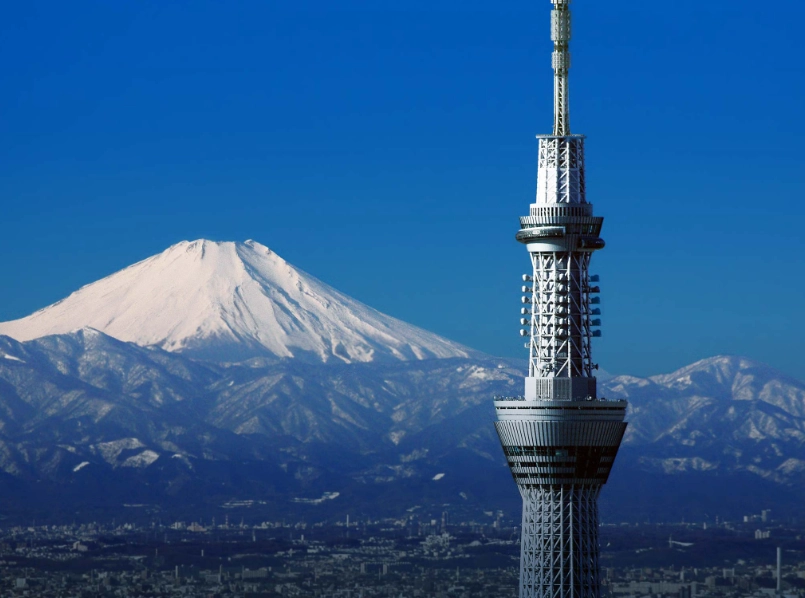
Evening (6:00 PM onward): Akihabara & Shinjuku Nightlife
Hop on the train to Akihabara, the electric town. This is anime, manga, and gaming heaven. The main strip, Chuo Dori, is pedestrian-only on weekends, which is fantastic. Explore multi-story arcades, electronic shops like Yodobashi Camera, and quirky themed cafes. Don't feel pressured to buy anything; just walking around is an experience.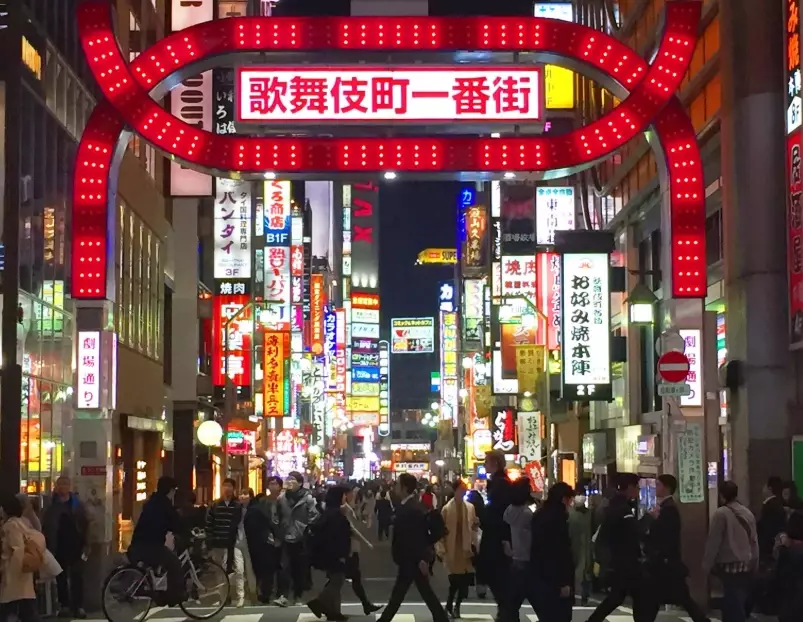
Then, head to Shinjuku for dinner and the iconic nightscape. Get off at Shinjuku Station (brace yourself, it's a labyrinth) and head to the East Exit. Your mission: find Omoide Yokocho ("Memory Lane") or Golden Gai. Omoide Yokocho is a tight network of tiny, smoky yakitori (grilled skewer) stalls under the railway tracks. It's cramped, authentic, and unforgettable. Golden Gai is a block of even tinier, unique bars, each seating maybe 5-8 people. Some are for regulars only, but many welcome tourists—look for English signs or a friendly nod from the owner.
Day 2: Spiritual Calm & Pop Culture Frenzy (Meiji Shrine, Harajuku, Shibuya, Roppongi)
Today contrasts deep tranquility with the epicenter of youth culture and modern art.
Morning (9:00 AM - 11:30 AM): Meiji Jingu Shrine
Take the JR Yamanote Line to Harajuku Station. Right next to the chaotic Takeshita Street is the serene forest leading to Meiji Jingu, a Shinto shrine dedicated to Emperor Meiji and Empress Shoken. The walking path through the dense, donated forest is a sudden and wonderful quiet. It feels miles away from the city. Observe the ritual at the main shrine: bow twice, clap twice, bow once. If you're lucky, you might witness a traditional Shinto wedding procession—it's a beautiful sight.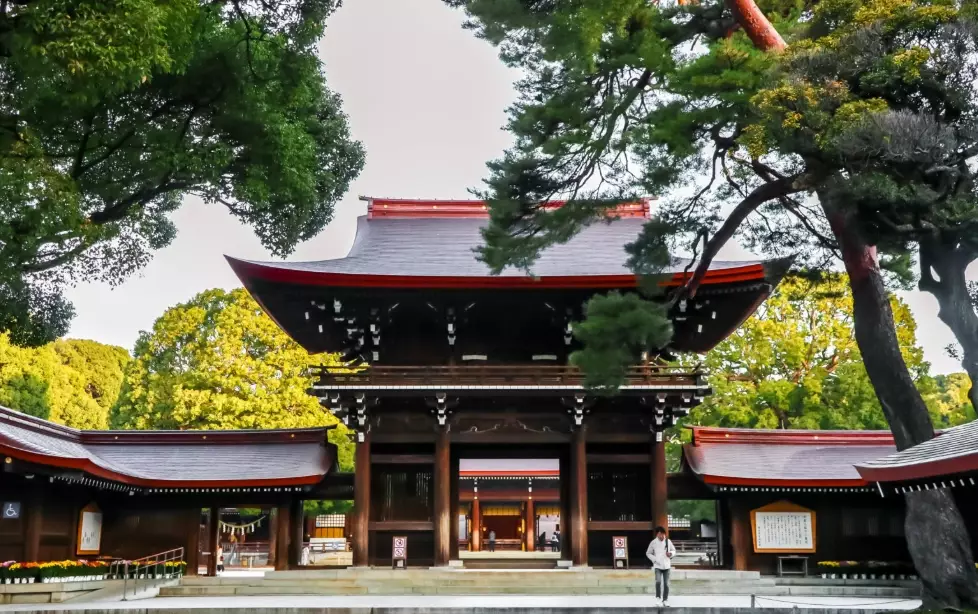
Late Morning to Afternoon (11:30 AM - 4:00 PM): Harajuku & Shibuya
Exit Meiji Jingu and dive into the polar opposite: Takeshita Street in Harajuku. On weekends, it's a slow-moving river of people. This is where Japanese youth fashion trends are born. Try a famous crepe (like Marion Crepes) or browse the eclectic shops. For a slightly more mature vibe, explore the backstreets of Ura-Harajuku.
Then, walk or take a short train ride to Shibuya. Your first stop: the Shibuya Scramble Crossing. Watch the chaos from the second-floor Starbucks in the Tsutaya building (always crowded) or, better yet, from the new Shibuya Sky observation deck for a breathtaking aerial view. After crossing yourself (it's fun!), pay your respects to the loyal dog Hachiko's statue, the classic meeting spot.
Evening (5:00 PM onward): Art & City Views in Roppongi
Head to Roppongi on the Hibiya Line. This area is known for its nightlife, but we're here for art and views. The Mori Art Museum, located on the 53rd floor of the Roppongi Hills Mori Tower, consistently hosts fantastic contemporary art exhibitions. The ticket usually includes access to the Tokyo City View indoor observation deck. For an extra fee, you can go to the open-air Sky Deck (weather permitting). Watching the sunset and the city lights come on from here is, in my opinion, a superior experience to the Skytree. You see the dense urban jungle, Tokyo Tower, and if it's clear, Mount Fuji in the distance.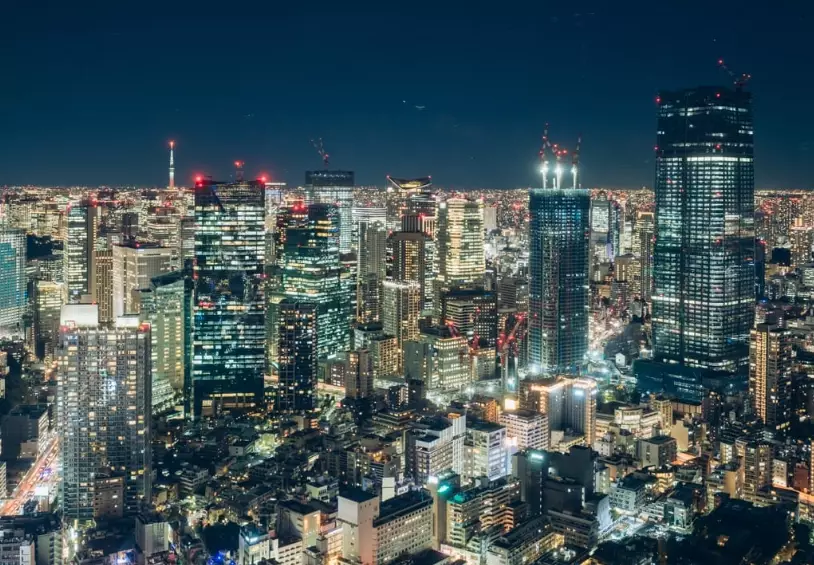
Day 3: Tsukiji Flavors, Imperial Grounds & Elegant Ginza
Our final day focuses on gourmet experiences, green spaces, and upscale vibes before you potentially head to the airport (which is often in the evening for international flights).
Early Morning (7:00 AM - 9:30 AM): Tsukiji Outer Market
Yes, the famous tuna auction and inner wholesale market moved to Toyosu. But the Tsukiji Outer Market is very much alive and is a food lover's paradise. Go early to beat the tour groups. This is where you have breakfast by grazing. Follow your nose: have a piece of tamagoyaki (sweet rolled omelette) from a stall, fresh oysters, a bowl of rich seafood donburi (rice bowl), and impossibly sweet strawberries. It's crowded, messy, and utterly delicious.
Late Morning (10:30 AM - 12:30 PM): Hamarikyu Gardens
A short walk from Tsukiji, these traditional Japanese gardens offer a stunning contrast. What's unique is the seawater moat that changes with the tides. There's a beautiful teahouse on a small island where you can enjoy matcha and a traditional sweet while overlooking the pond. It's a moment of peace and a great photo op with the Shiodome skyscrapers in the background—a perfect "old meets new" shot.
Afternoon (1:30 PM - 4:00 PM): Ginza & Imperial Palace East Gardens
Walk or take a quick train to Ginza, Tokyo's upscale shopping district. Even if you're not buying a $10,000 handbag, window-shopping is an event. Check out the iconic Wako building with its clock tower at the Ginza crossing. For lunch, explore the basement food halls (depachika) of department stores like Mitsukoshi or Ginza Six—they are culinary wonderlands with ready-to-eat exquisite meals.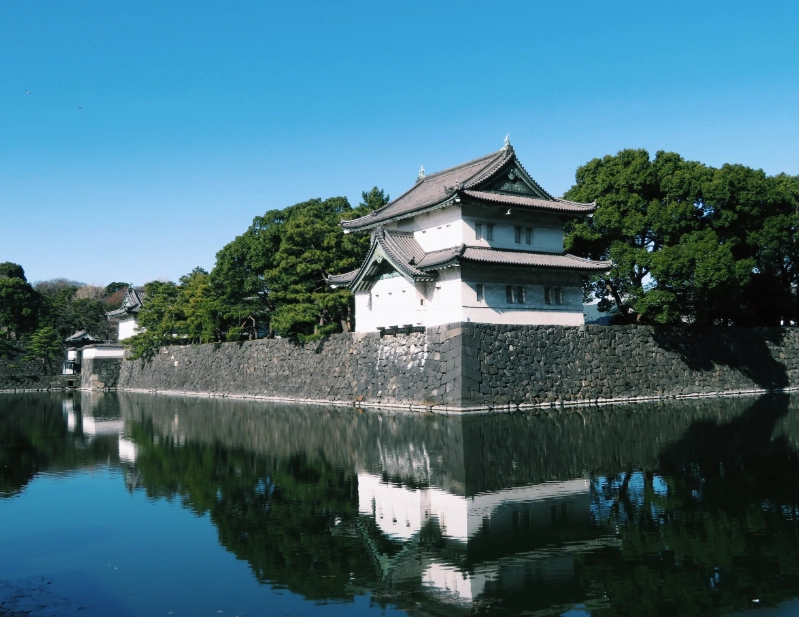
Then, head to Tokyo Station (a historic red-brick building worth seeing) and walk to the Imperial Palace East Gardens. They are free to enter and offer a glimpse of the moats, stone walls, and peaceful gardens of the Imperial grounds. You can't enter the main palace itself without a special appointment, but the gardens are a lovely green escape. It's a quiet way to reflect on your whirlwind Tokyo itinerary 3 days.
Tailoring Your 3-Day Tokyo Itinerary: Options for Every Traveler
Maybe the classic loop above isn't quite your speed. That's fine. Tokyo has layers. Here are some solid swaps based on your interests. Think of the core 3 day Tokyo itinerary as a template you can customize.
| If You Love... | Swap This (From Day 2/3) | For This Alternative | Why It's Great |
|---|---|---|---|
| Anime & Tech | Meiji Shrine/Harajuku morning | Ghibli Museum (Mitaka) - Book MONTHS in advance! | A magical, whimsical dive into Studio Ghibli's world. A must for fans. |
| History & Museums | Roppongi evening | Edo-Tokyo Museum (Ryogoku) or National Museum (Ueno) | The Edo Museum is phenomenal, with full-scale replicas of old Tokyo buildings and bridges. |
| Family with Kids | Akihabara evening | teamLab Planets (Toyosu) or Tokyo Disneyland (Full day swap) | teamLab is an immersive, interactive digital art experience where you walk through water. Kids (and adults) adore it. |
| Off-the-Beaten-Path | Ginza afternoon | Yanaka Ginza or Kichijoji | Yanaka is an old shitamachi (downtown) area with a retro, slow-paced vibe and cute artisan shops. |
Navigating Tokyo: Transport Tips That Actually Help
Tokyo's train system is a marvel of efficiency but can be intimidating. Here's the simple version.
Suica/Pasmo is Your Best Friend: Tap in, tap out. Works on almost all trains, subways, and buses in Tokyo (and many other cities). You can even use it at convenience stores (7-Eleven, Lawson) and many vending machines. Load it with maybe ¥3000 to start.
Google Maps is Shockingly Good: It tells you which platform to go to, the exact train time, the cost, and even which car is best for your exit at the destination. Follow it religiously.
JR Pass for a 3-Day Tokyo Trip? Almost certainly no. The Japan Rail Pass is for long-distance Shinkansen travel between cities. For staying within Tokyo, your Suica card or a Tokyo Metro 72-hour Ticket (if you plan to use the subway a lot) is more cost-effective. Check the official JR East website for the latest passes if you're considering a day trip.
Avoid Rush Hour (7:30-9:30 AM): Just trust me on this. The famed "passenger pushers" are real during peak times on certain lines. It's an experience, but not a pleasant one if you're lugging luggage.
Answering Your Tokyo Trip Questions (FAQ)
Wrapping Up Your Tokyo Adventure
So there you have it—a full, actionable, and human-tested plan for an amazing three days in Tokyo. This Tokyo itinerary for 3 days is designed to show you the city's many faces: its respectful tradition, its chaotic innovation, its culinary depth, and its sheer, overwhelming energy. You won't see everything. But you'll feel it.
The most important tip I can give you? Leave space in your schedule to get lost. Some of my best Tokyo memories are from wrong turns: stumbling upon a tiny standing sushi bar where the chef just served me what was fresh, finding a quiet shrine tucked between office buildings, or seeing a local neighborhood festival by pure chance. Use this guide as your map, but let Tokyo surprise you too. Have an incredible trip. It's a city that stays with you long after you've left.

Share Your Thoughts