What You’ll Find in This Article
- The Simple Math: Your Personal Japan Rail Pass Calculator
- Who is the Japan Rail Pass PERFECT For? (The Sweet Spot)
- Who Should Think Twice (or Skip It Altogether)?
- The Secret Weapon: Regional JR Passes (The Often-Better Alternative)
- Buying and Using the Pass: The Nitty-Gritty Details
- Answers to the Questions You're Actually Searching For
Let's cut right to the chase. You're planning a trip to Japan, and everyone's talking about the JR Pass. Travel blogs, forums, your friend who went last year – it's hailed as the ultimate key to exploring the country. But here's the thing they often gloss over: the Japan Rail Pass price tag is significant. We're talking hundreds of dollars per person. So the single biggest question burning in every traveler's mind is this: is the Japan Rail Pass worth it for my specific trip?
I've been there. Staring at the official Japan Rail Pass website, map of Japan open, trying to pencil out an itinerary that makes the cost make sense. Sometimes it was a slam dunk. Other times, I realized I'd be throwing money away. The answer isn't a simple yes or no. It's a spreadsheet. It's a map. It's understanding your own travel style.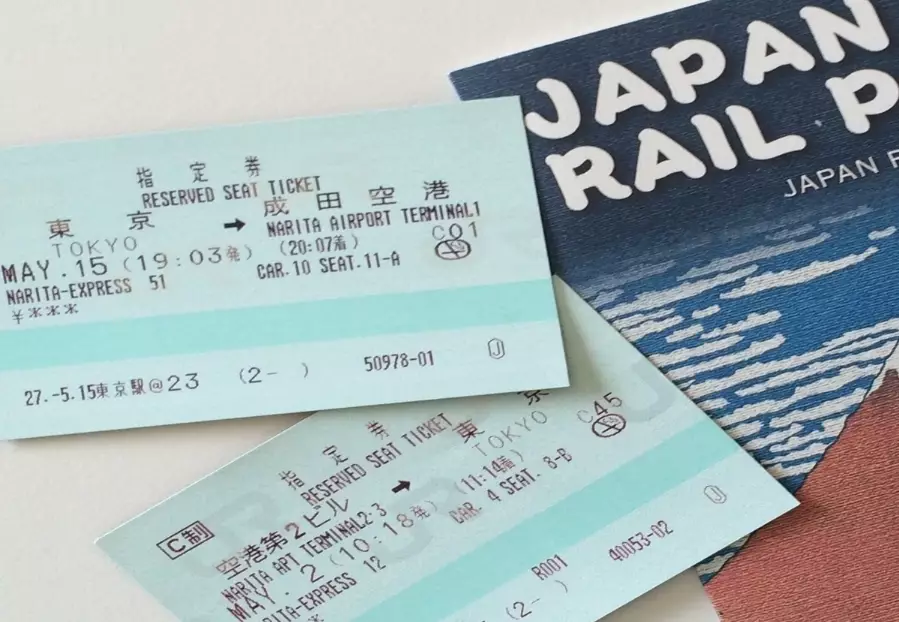
This guide won't just give you a generic answer. We're going to build a mental calculator together. By the end, you'll know exactly how to run the numbers for your own plans. We'll look at real ticket prices, break down who the pass is a godsend for, and who should skip it entirely. We'll also dive into the alternatives that most guides forget to mention – because sometimes, a regional pass or even just paying as you go is the smarter play.
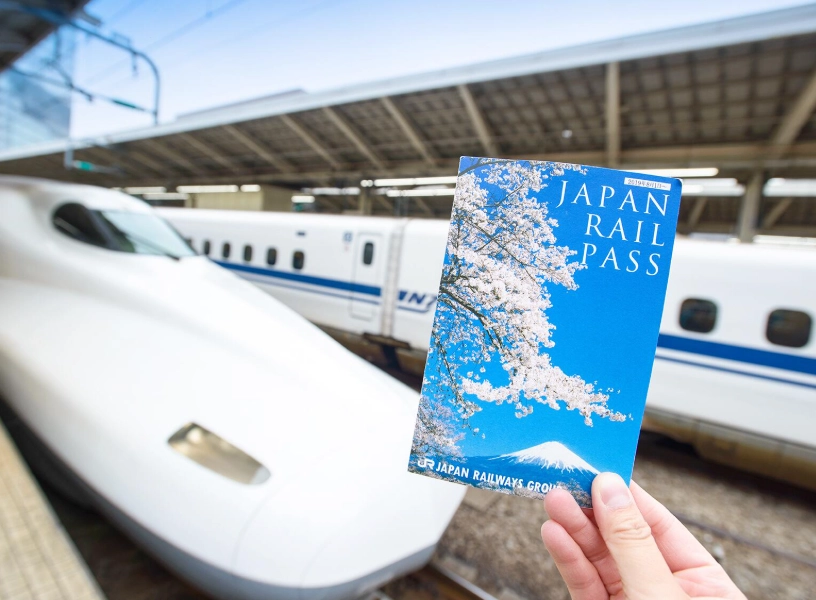
The Core Question: The Japan Rail Pass is a flat-fee, unlimited travel ticket for most trains operated by Japan Railways (JR) nationwide, including the famous Shinkansen (bullet trains). It's sold exclusively to foreign tourists on a temporary visitor visa. Its value hinges entirely on one factor: the cost of the individual train journeys you would take without it.
The Simple Math: Your Personal Japan Rail Pass Calculator
Forget complex formulas. Determining if the Japan Rail Pass is worth it boils down to a basic comparison.
Is (Cost of JR Pass)
If yes, you win. If no, you lose money. The trick is accurately estimating the right side of that equation.
Let's get concrete. As of my latest check (and always verify on the official site for the absolute latest), a 7-day Ordinary (standard class) Japan Rail Pass costs around 50,000 yen. The Green Car (first class) version is more. The 14-day and 21-day passes have different per-day costs.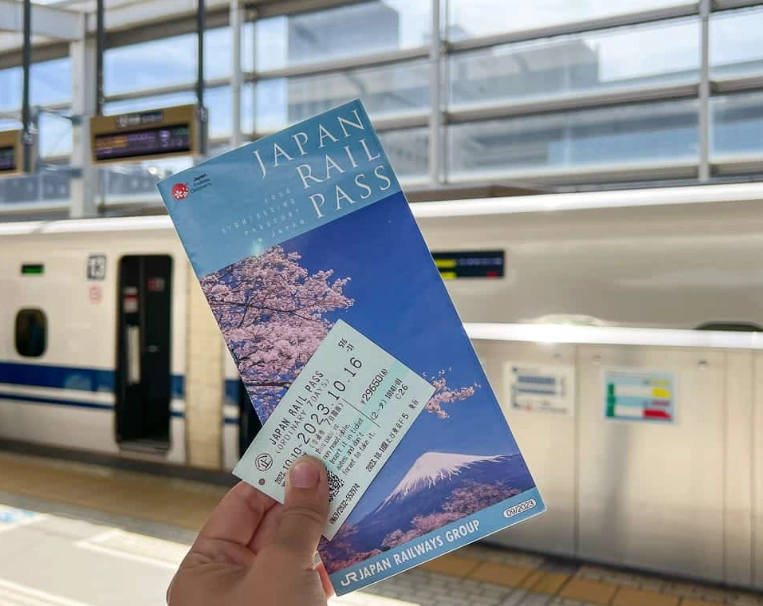
Now, what does that buy you in real journeys? One of the most classic tourist routes is the Tokyo-Kyoto round trip on the Nozomi or Hikari Shinkansen.
Quick Value Test: The Golden Route
A one-way Shinkansen ticket from Tokyo to Kyoto costs approximately 14,000 yen for a non-reserved seat. A round trip is therefore 28,000 yen.
If your 7-day Japan Rail Pass costs 50,000 yen, you've already covered 28,000 yen of value with just that one round trip. You now have 5 more days to use the pass on local JR trains in Tokyo, Kyoto, Osaka, day trips to Nara, Hiroshima, etc., to make up the remaining 22,000 yen. That is very often doable.
See how that works? The long-distance Shinkansen trips are the heavy lifters. The local trains fill in the gap.
To make this even clearer, let's look at a few sample itineraries and do the rough math. This table isn't exhaustive, but it shows you the thought process.
| Sample 7-Day Itinerary | Key JR Train Journeys | Estimated Individual Ticket Cost (Yen) | Vs. 7-Day JR Pass (~50,000Y) |
|---|---|---|---|
| The Classic First-Timer Tokyo -> Kyoto -> Osaka -> Nara -> (back to Tokyo) |
Tokyo-Kyoto Shinkansen, Kyoto-Osaka local, Osaka-Nara local, Osaka-Hiroshima Shinkansen (day trip), Osaka-Tokyo Shinkansen. | 14,000 + 600 + 500 + 20,000 + 15,000 = ~50,100 + local Tokyo trains. | WORTH IT (Just Breaks Even). The pass adds convenience and allows for spontaneous side trips. |
| Deep Dive Kansai Flying into Osaka, staying in Kyoto/Osaka/Nara the whole week. |
Airport to Kyoto (Haruka Express), local trains between Kyoto, Osaka, Nara, Himeji. | 2,800 + maybe 5,000 in local travel = ~7,800. | NOT WORTH IT. A Kansai Area Pass or just an IC card (Suica/Pasmo) is far cheaper. |
| The Hokkaido Explorer Tokyo -> Hakodate -> Sapporo -> (fly out of CTS). |
Tokyo-Hakodate Shinkansen, local trains in Hokkaido. | 23,000 + ~5,000 = ~28,000. | NOT WORTH IT. A Japan Rail Pass for this is overkill. Consider a JR East-South Hokkaido Pass. |
My own rule of thumb? If your itinerary involves two or more long-distance Shinkansen trips within a 7-day period, the Japan Rail Pass starts looking very attractive. One long trip? You need to cram in a lot of local travel to justify it.
"The pass isn't a travel essential; it's a financial calculation. The romance of unlimited travel fades fast if you're paying a premium for it."
Who is the Japan Rail Pass PERFECT For? (The Sweet Spot)
Based on watching countless travelers and my own hits and misses, the Japan Rail Pass is an absolute no-brainer for these types of trips:
The Whirlwind National Tour
You have 7, 14, or 21 days and you want to see the major highlights spread across the islands. Think Tokyo, Kyoto, Hiroshima, maybe even Fukuoka or Kanazawa. You're comfortable moving hotels every few nights. The pass turns what would be astronomically expensive individual Shinkansen tickets into a predictable, pre-paid cost. The peace of mind and flexibility are huge bonuses here. You can hop on a train to Himeji Castle on a whim because your pass covers it.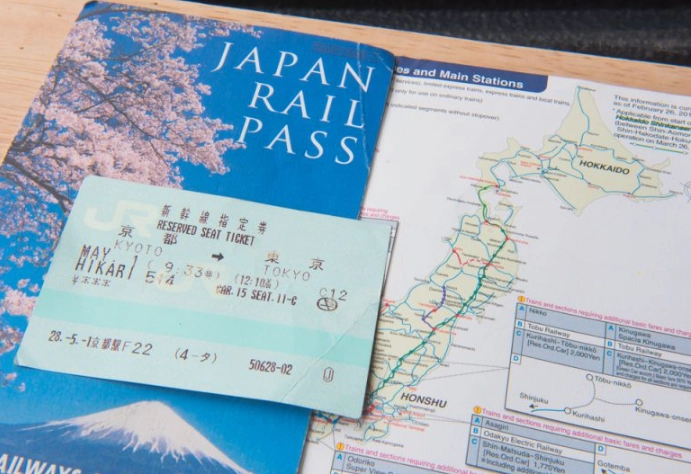
The Spontaneous Traveler
If you hate being locked into a rigid schedule, the JR Pass offers incredible freedom. Missed a train? No stress, just catch the next one. Heard about a great festival in a nearby city? Go for it. Decided you liked Osaka more than Kyoto and want to stay longer? Change your plans without worrying about train ticket sunk costs. This intangible benefit is massive for some people. For me, the ability to change my mind is worth a slight premium.
But let's be honest.
That spontaneity can also be a trap. You might feel pressured to "use the pass" every single day to get your money's worth, turning a vacation into a marathon. I've done this. Rushed to Nikko because it was "free," only to be too tired to enjoy it. Not my finest travel moment.
The First-Timer on the Classic Route
If your dream is the classic Tokyo-Kyoto/Osaka-Hiroshima circuit, the 7-day pass is almost mathematically guaranteed to be worth it. The Shinkansen legs alone will cover a huge chunk of the cost. It's simple, it works, and it lets you focus on the sights, not the ticket machines.
Pro Tip: Activate your 7-day pass on the morning you take your first long Shinkansen trip out of Tokyo. Use a prepaid Suica/Pasmo card for all your local Tokyo travel in the days before activation. This stretches your value.
Who Should Think Twice (or Skip It Altogether)?
This is where many blogs drop the ball. They're so focused on selling the idea of the pass that they ignore the many scenarios where it's a poor fit.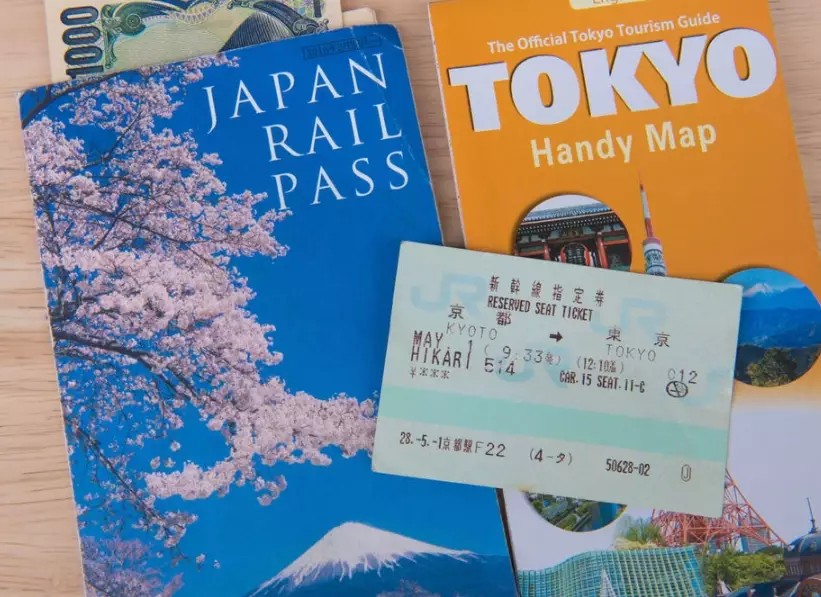
The Single-City or Regional Explorer
If you're spending a week just in Tokyo, or just in the Kansai area (Kyoto, Osaka, Nara, Kobe), a nationwide Japan Rail Pass is financial overkill. The math will never work. You'd be using it for local subways and commuter trains where a single ride costs 200 yen. You'd need to ride 250 times in a week to break even. It's absurd.
The Budget Backpacker on a Tight Schedule
If your budget is razor-thin and you have plenty of time, overnight buses or budget airlines (like Peach or Jetstar) between major cities can be drastically cheaper than the Shinkansen, and thus cheaper than the JR Pass. The pass locks you into JR trains, which are often the premium (and fastest) option. If cost matters more than time or comfort, the pass isn't for you.
The Big Caveat: The Japan Rail Pass does NOT cover the fastest Shinkansen on the Tokaido line: the Nozomi and Mizuho trains. You have to take the slightly slower Hikari or Sakura trains. For most people, the time difference is negligible (a few minutes between major stations), but it's a limitation to know. You can't just jump on any bullet train.
The Traveler with Complex Airport Logistics
Flying into one city and out of another (e.g., Tokyo in, Osaka out) can complicate the pass calculation. You might not have a return Shinkansen trip. You need to be extra diligent with your math in this case.
The Secret Weapon: Regional JR Passes (The Often-Better Alternative)
This is the biggest content gap I see. Everyone obsesses over the national pass, but JR Group companies offer fantastic regional rail passes that are cheaper and better targeted. Asking if the Japan Rail Pass is worth it is the wrong first question. The right first question is: "Which part of Japan am I actually visiting?"
Let me give you some stellar alternatives that can save you a bundle:
- JR East Pass (Tohoku area): Perfect for exploring north of Tokyo (Sendai, Yamadera, Akita). Covers the JR East network.
- JR West Kansai Area Pass: If you're just in Kyoto, Osaka, Nara, Kobe, this 1-4 day pass is incredibly cheap and efficient.
- JR West Sanyo-San'in Area Pass: Covers the area from Osaka to Hiroshima and Fukuoka. Ideal if you're doing Kansai + Hiroshima but not Tokyo.
- Hokkaido Rail Pass: For explorers of the northern island. Much better value than the national pass for a Hokkaido-only trip.
The official JR East and JR West websites are the best sources for these. Their coverage maps and prices are clear.
I once planned a trip focusing on the Japanese Alps and Kanazawa. I almost bought a national pass out of habit. Then I found the JR Takayama-Hokuriku Area Pass. It covered my exact route (Nagoya to Takayama to Kanazawa to Osaka via Thunderbird) for less than half the price of a 7-day national pass. It was a revelation.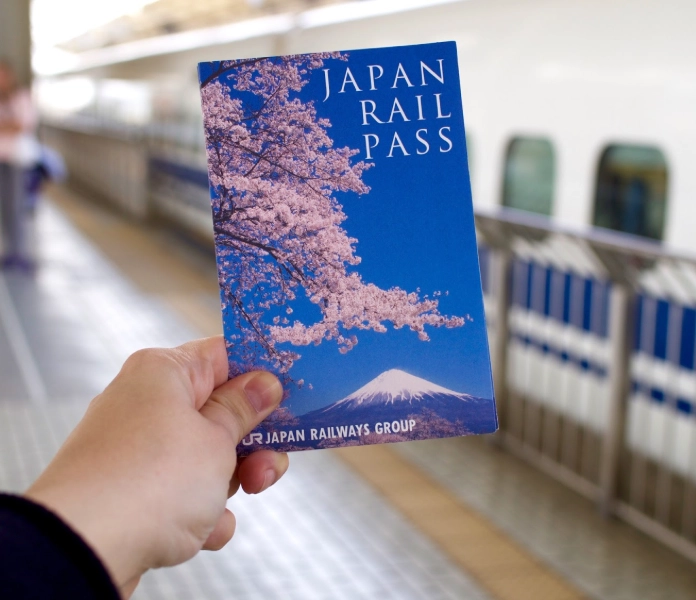
Always check for a regional pass before defaulting to the national one. It's the single best way to ensure your Japan Rail Pass is worth it – by not buying it and getting a better deal instead.
Buying and Using the Pass: The Nitty-Gritty Details
Okay, let's say you've run the numbers and a Japan Rail Pass is worth it for your trip. Here's the real-world process, with the gotchas.
You cannot buy the pass inside Japan. You must purchase an Exchange Order from an authorized agent online or at a travel agency outside Japan. You then bring this paper voucher to a JR Exchange Office in Japan (found at major airports and stations) to swap it for the actual pass. You choose your start date at this exchange. Plan for this extra step upon arrival – there can be lines.
The pass itself is a paper ticket. You show it at the manned gate, not the automated ticket gates. Keep it handy. Losing it is a disaster with no refund.
For Shinkansen, you have two options: grab a non-reserved seat car (first come, first served) or go to the ticket office (Midori-no-madoguchi) to get a free reserved seat ticket. During busy seasons (golden week, obon, cherry blossom), reserving is smart. For local trains, just flash the pass and walk through.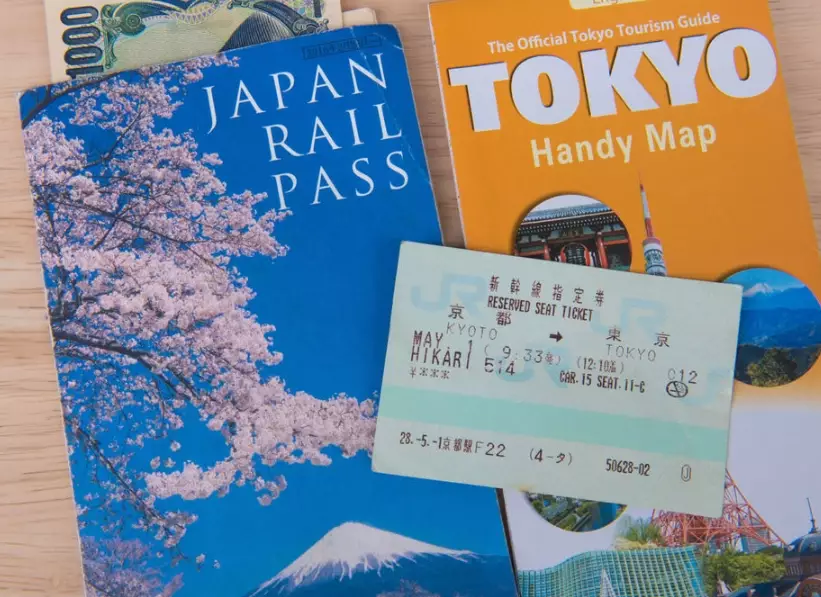
Answers to the Questions You're Actually Searching For
So, what's the final verdict? Is the Japan Rail Pass worth it?
It depends. Annoying answer, I know. But it's the truth. For the fast-paced, multi-city traveler covering long distances, it can be an invaluable tool that simplifies logistics and saves money. For the slow, regional explorer or the ultra-budget traveler, it's often an expensive paperweight.
Don't buy it because it's famous. Buy it because the math works. Map your must-do journeys on Hyperdia (a superb train schedule and fare site) or Google Maps, add up the individual JR fares, and compare that total to the pass price. Then, and only then, will you know for sure.
For my next trip, a focused week in Kyushu? I'm skipping the national pass and getting a JR Kyushu Rail Pass instead. The math is just better. And that's the whole point.


Share Your Thoughts