What You’ll Find in This Guide
- Why the Big Deal About Quiet? It's More Than Just Politeness
- Breaking It Down: The "Quietness Spectrum" by Carriage Type
- The Unwritten Rulebook: A Practical Guide to Specific Behaviors
- What Happens If You're Too Loud?
- Your Quick-Check Pre-Boarding List
- Common Questions & Gray Areas (The Stuff You're Still Worried About)
- The Flip Side: What the Japanese Wish Foreigners Knew
You're planning your Japan trip, tickets are booked, and then it hits you—a wave of anxiety about those famous bullet trains. Everyone says they're super quiet, but what does that actually mean? Can you talk at all? What if your phone rings? Is it really like a library on wheels? Let's cut through the myths and get to the heart of Shinkansen etiquette, because the answer to "Should you be quiet on the Shinkansen?" isn't a simple yes or no. It's a spectrum, and understanding it will make your journey ten times more comfortable.
I remember my first time. I was so nervous I barely whispered to my travel partner, only to notice a Japanese salaryman a few rows ahead having a full, albeit hushed, conversation. I'd gotten it all wrong by being too extreme. The goal isn't monastic silence for everyone; it's about avoiding meiwaku—causing a nuisance to others. That's the golden rule here.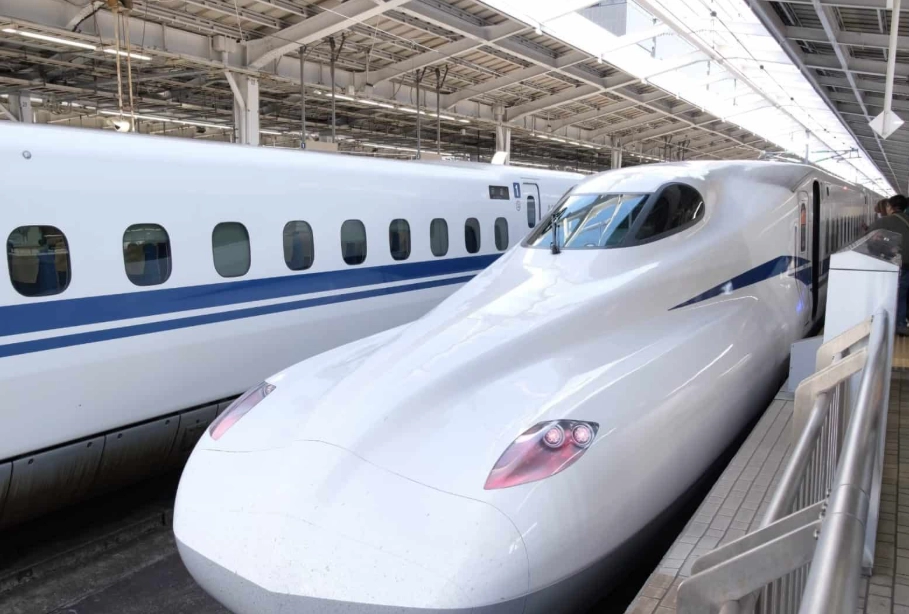
Why the Big Deal About Quiet? It's More Than Just Politeness
To really get it, you need to see the Shinkansen not just as transport, but as a shared, temporary communal space. For many Japanese commuters and travelers, it's a rare pocket of time between a hectic work life and home. It's time to nap, read, work, or just stare out the window at Mount Fuji. Your loud conversation isn't just noise; it's an invasion of that precious, peaceful bubble.
There's also a practical side. These trains are engineering marvels that glide at 320 km/h (200 mph). They're naturally quiet inside—no loud engine roars or clacking tracks. In that environment, human voices carry. A chat that feels normal on a noisy commuter train suddenly becomes the center of attention in a Shinkansen carriage.
And culturally, it ties directly into the concept of public harmony and avoiding meiwaku. It's less about a posted rule and more about a social contract. You can find the official stance on considerate travel from operators like JR East, which emphasizes comfort for all passengers.
Breaking It Down: The "Quietness Spectrum" by Carriage Type
Not all Shinkansen cars are created equal. Your freedom to make noise depends heavily on where you sit. This is the part most guides gloss over.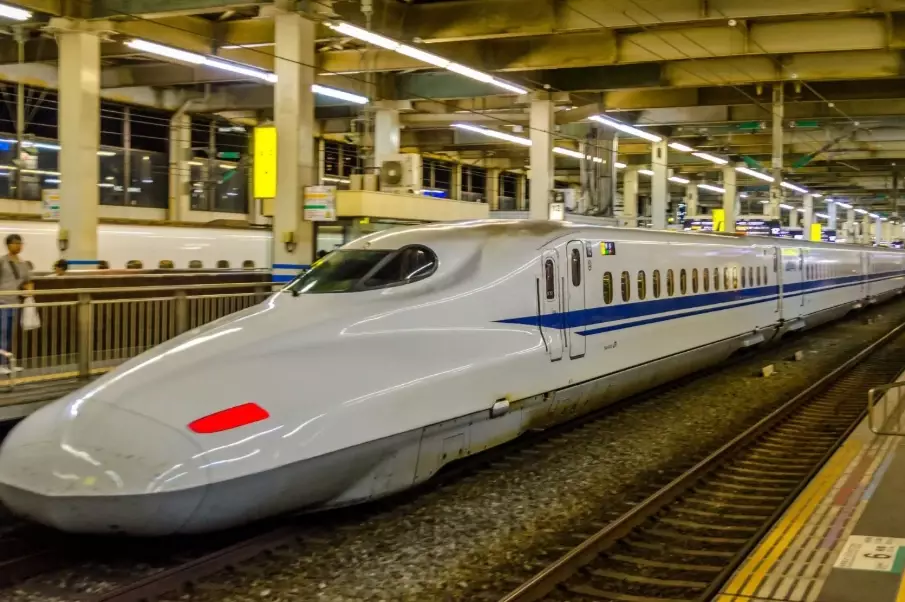
| Carriage Type | Noise Level Expectation | Typical Behaviors | Best For... |
|---|---|---|---|
| Green Car (First Class) | Very Quiet to Silent | Almost no talking, sleeping, quiet reading/work. Phone calls are a major faux pas. | Business travelers, those seeking guaranteed peace, luxury travelers. |
| Ordinary Reserved/Non-Reserved | Quiet (The "Standard" Expectation) | Hushed, short conversations are okay. Long, animated chats are not. Phone use is for silent tapping only. | Most tourists, families with calm kids, small groups. |
| "Silent Cars" (e.g., Car 3 on some Hikari/Kodama) | Absolutely Silent | No talking. At all. Headphones must be leak-free. Even snack packaging is frowned upon. | Anyone who needs dead silence. Check signage carefully! |
| Multi-Purpose/"Family" Areas | Relaxed Quiet | More tolerance for child noise, low conversation. Still not a playground. | Families with young children (though expectations are rising). |
See? Asking "Should you be quiet on the Shinkansen?" needs this context. If you're in a Green Car, the answer leans heavily toward yes. In a standard car, it's "be considerately quiet."
The Unwritten Rulebook: A Practical Guide to Specific Behaviors
Let's get concrete. What can and can't you do? Here's my breakdown from observation and, frankly, a few mistakes I've made along the way.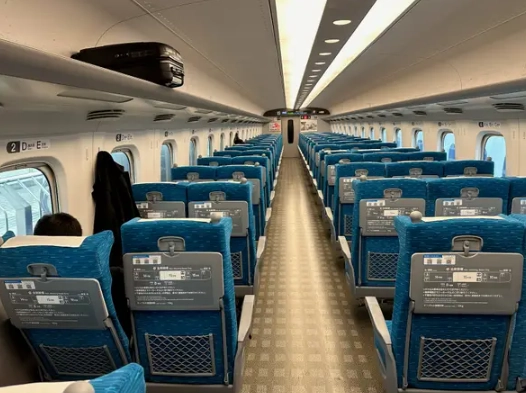
Talking and Conversation
This is the big one. You can talk. Please, talk to your travel companion! But do it like you're in a cozy café, not a sports bar. Keep your voice low, your tone measured. Long, drawn-out stories or debates? Save them for the hotel lobby. The vibe should be brief, necessary exchanges. "Look, there's Fuji!" in a whisper is fine. A 20-minute recap of your Osaka night out is not.
Phone Use (The Biggest Minefield)
Oh, phones. This is where people slip up constantly. The rule is simple: No voice calls in your seat. Full stop. Not even a quick "I'm on the train." If you must take a call, you walk to the vestibule areas between cars or the deck areas at the ends of the train. It's the #1 piece of Shinkansen etiquette. Your phone should be on silent mode (not vibrate—the buzzing on a tray table is annoying). Texting, browsing, watching videos with headphones is perfectly fine.
Food and Drink (The Fun Part)
Eating your ekiben (station lunchbox) is a beloved Shinkansen ritual! Noise here is about packaging. Try to open crackly wrappers and plastic before the train departs. Eat quietly—avoid overly crunchy snacks. And for heaven's sake, don't bring smelly food. That tuna onion sandwich might be a meiwaku masterpiece.
Children on Board
This is a touchy subject. Japanese parents are masters at keeping kids occupied with quiet toys, books, and screens. The expectation is that you manage your child's noise. A little fussing is understood, but prolonged crying or tantrums? It's expected you'll take them to the vestibule to calm them down. It's tough, and I feel for parents, but that's the social pressure. Choosing a non-reserved seat near the multi-purpose space can give you more flexibility.
Other Noise Makers
Laptop keyboards? The quiet ones are usually fine. Loud mechanical gaming keyboards? Please, no. Snoring? Well, you can't help it, but if you're a known snorer, maybe skip the nap. Zippers and bags? Be mindful when getting stuff from the overhead rack.
So, circling back, should you be quiet on the Shinkansen? You should be mindful. Your quiet is a gift to your fellow passengers, and in return, you get a uniquely calm, serene travel experience. It's actually quite wonderful once you relax into it.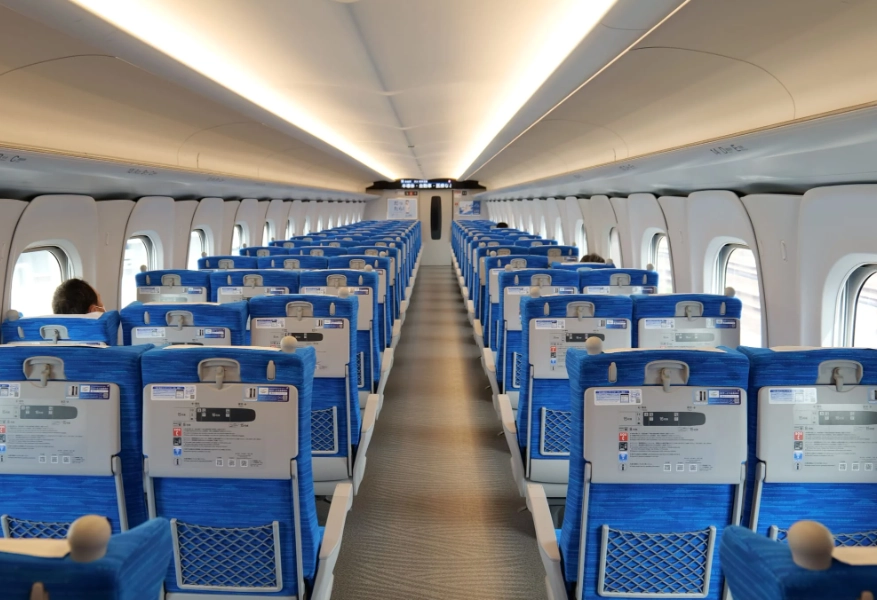
What Happens If You're Too Loud?
You won't get a fine. The famous "train etiquette" videos from JR companies are about persuasion, not punishment. The most likely scenario is dirty looks (jikoshōkai... just kidding, but the stares can feel like it). In extreme cases, a fellow passenger might ask you politely to be quiet, or a conductor might gently remind you of the rules if it's a designated quiet car. The enforcement is social, and that can be more powerful than any law.
Your Quick-Check Pre-Boarding List
- Phone: Silent mode ON. Plan to take zero calls from your seat.
- Headphones: Packed, tested for sound leak.
- Conversation Plan: Brief, hushed chats only. Save the big discussions.
- Snacks: Pre-opened if noisy. Choose quiet foods.
- Kids' Gear: Load up on silent entertainment (tablets with headphones, coloring, books).
- Mindset: Ready to enjoy the peace, not fight against it.
Honestly, after a long day of sightseeing, the quiet of the Shinkansen can be a blessing. You get to zone out, watch the landscape blur by, and arrive feeling refreshed, not frazzled from a noisy journey.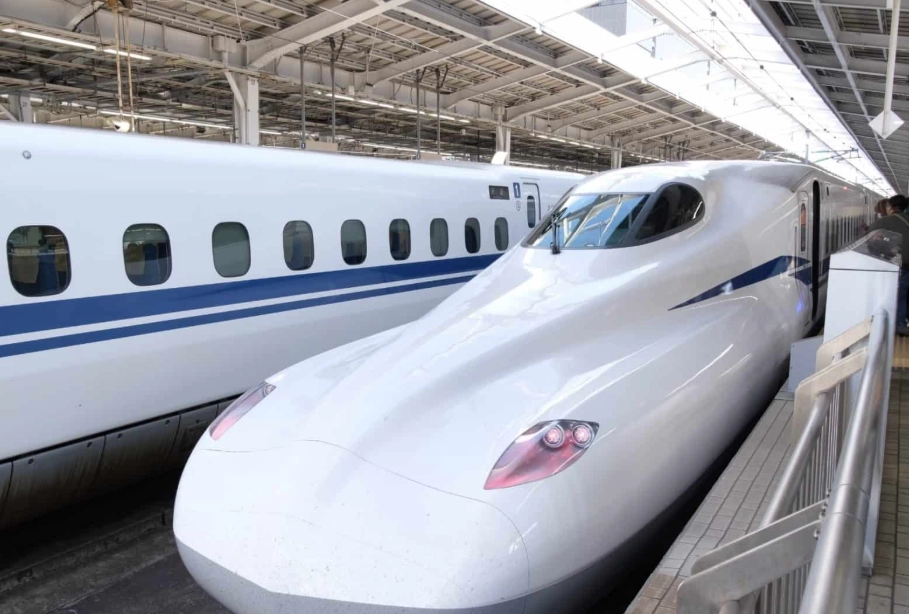
Common Questions & Gray Areas (The Stuff You're Still Worried About)
Look, the fact that you're even researching this by asking "Should you be quiet on the Shinkansen?" puts you ahead of 90% of travelers. You care, and that's the most important part.
The Flip Side: What the Japanese Wish Foreigners Knew
I've talked to Japanese friends about this. Their frustration isn't with noise itself, but with the perception that some foreign tourists treat the train like a tour bus—a place for loud, excited, ongoing commentary. They wish visitors saw it as a shared respite. A recent survey reported by NHK World highlighted that train manners remain a top concern among the public. It's not about you being foreign; it's about the behavior.
When you embrace the quiet, you're not just following a rule. You're participating in a cultural practice that makes the Shinkansen one of the most pleasant rail systems in the world. The collective sigh of relief when a loud group gets off and calm returns is palpable. You can be part of the calm.
Yes. But with nuance. Be quiet enough that the person across the aisle can't follow your conversation. Be quiet enough that your entertainment stays in your own head. Be quiet enough to let the gentle hum of the train and the stunning views be the main event. It's a specific kind of quiet—a considerate, shared quiet that is the true magic of Shinkansen travel. Once you try it, you might just find you prefer it that way.
Now go enjoy that ride. And keep it down, will you?

Share Your Thoughts