You know the feeling. You see a stunning vintage kimono or a perfect Mid-Century Modern vase on Instagram, tagged #TokyoFleaMarket. You search for "Tokyo flea market schedule," and you're met with a confusing mess of outdated blogs, conflicting dates, and vague mentions of "usually on weekends." You can't plan a trip around "usually." I've been there, standing in the rain outside a temple on a Sunday morning, only to find a sign saying the market was last week. Let's fix that.
What You'll Find Inside
Why a Precise Schedule is Your #1 Tool (More Than Your Budget)
Most guides talk about bargaining or what to buy. They miss the foundational step. Tokyo's best flea markets are not daily affairs. They are events, often tied to shrine festivals, seasonal cycles, or specific organizer calendars. The Oedo Antique Fair, arguably Japan's largest, happens only about 6-8 times a year. The legendary Setagaya Boro-Ichi is a twice-a-year centuries-old tradition. Miss the date, and you wait months. A generic "weekend market" might be a fantastic local event or a disappointing handful of stalls selling socks and phone cases. Knowing the exact Tokyo flea market schedule transforms you from a hopeful tourist into a strategic hunter.
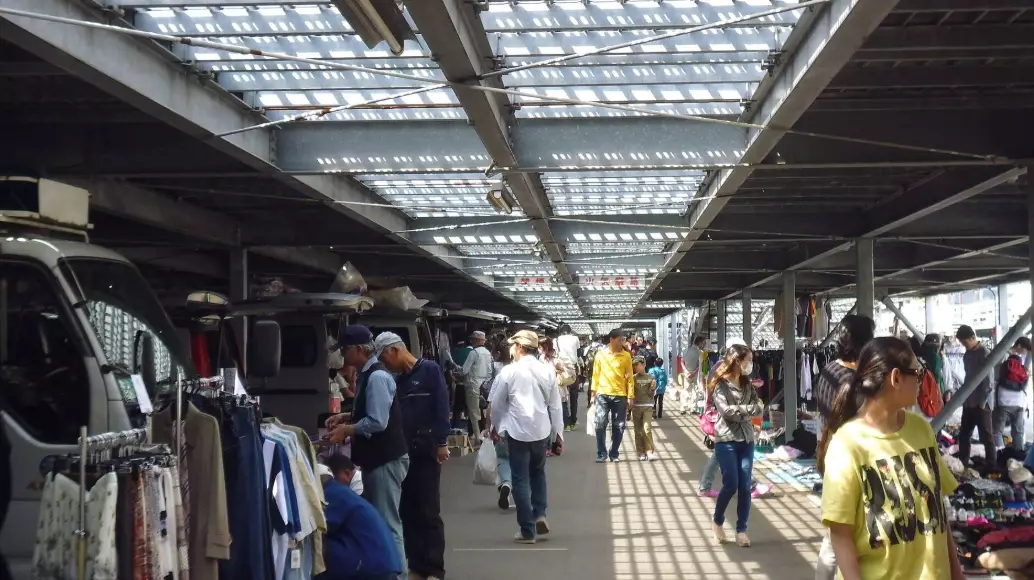
How to Find the Real, Updated Schedule
Forget static lists. Here's the method I've used for a decade.
Primary Sources: Go Straight to the Source
Bookmark these. They are the most reliable.
- Organizer Websites: For markets run by professional companies like Recycle Culture (which runs Oedo and several others), their website is the bible. They post dates months in advance.
- Shrine/Temple Official Sites: For markets held at places like Nogi Shrine or Hanazono Shrine, check the shrine's "event" (イベント) page. It's often in Japanese, but dates are universal.
- City Ward Office Sites: For massive, traditional markets like Setagaya's Boroichi, the Setagaya City official website has accurate, official information in English.
Secondary & Aggregator Sources: For the Big Picture
These are great for discovery but require verification.
- Tokyo Cheapo's Event Page: They do a decent job of compiling a monthly list of markets. It's a good starting point to see what's on during your visit.
- Japan Travel by NAVITIME: Another reliable aggregator for tourist-friendly event information.
- Instagram & Twitter: Follow hashtags like #東京フリマ (Tokyo Furima) or the handles of specific markets. Vendors often post "see you this weekend!" stories a few days before.
Pro Tip: Always, always cross-reference. I once saw a major travel site list a market for the wrong weekend. A two-minute check on the shrine's site saved me a wasted journey.
The Rhythm of Tokyo's Major Markets: A Seasonal Guide
While dates shift, patterns emerge. Here's the annual cadence of the heavy hitters. Think of this as the skeleton of your Tokyo antique market year.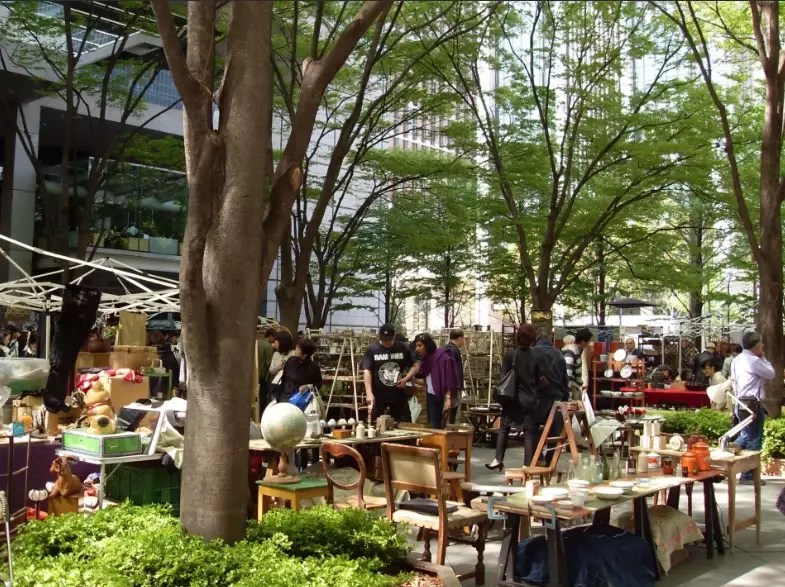
| Market Name | Typical Frequency & Timing | Key Dates / Seasonality | Vibe & Specialty |
|---|---|---|---|
| Oedo Antique Fair (Tokyo International Forum) |
6-8 times a year. Usually the 1st Saturday & Sunday of the month. |
Pivotal months: Jan, Mar, May, Jul, Sep, Nov. Often skips Feb, Aug, Dec. | The granddaddy. High-end antiques, ceramics, ukiyo-e, jewelry. Prices reflect quality. Serious collectors. |
| Setagaya Boro-Ichi | Twice a year. 2-day events. |
Dec 15-16 and Jan 15-16 (or the nearest weekend). Fixed by tradition. | A sprawling street festival. Less "antique," more rustic, folk tools, boro (patched) textiles, plants, street food. |
| Nogi Shrine Flea Market | Monthly. Usually the 2nd Sunday. |
Held year-round, rain or shine. Can be smaller in winter. | My personal favorite for eclectic finds. Good mix of vintage clothes, records, pottery, and oddities. Friendly vendors. |
| Hanazono Shrine Flea Market (Shinjuku) |
Every Sunday. | Weekly! The most reliable for a Sunday fix. | Convenient, right in the city center. Heavy on vintage Americana, denim, military gear, and some antiques. Can feel touristy. |
| Togo Shrine Flea Market (Harajuku) |
Monthly. Usually the 4th Sunday. |
Another reliable monthly. Check for changes around New Year. | Smaller, curated feel. Great for vintage kimonos, obi sashes, and accessories. Popular with young locals. |
See the pattern? The first weekend often belongs to Oedo. The second Sunday is Nogi Shrine's territory. The fourth Sunday is Togo Shrine's. Hanazono fills in every other Sunday. This framework helps you mentally map the month.
Planning Your Day: From Early Birds to Sunset Deals
You've got the date. Now, master the clock.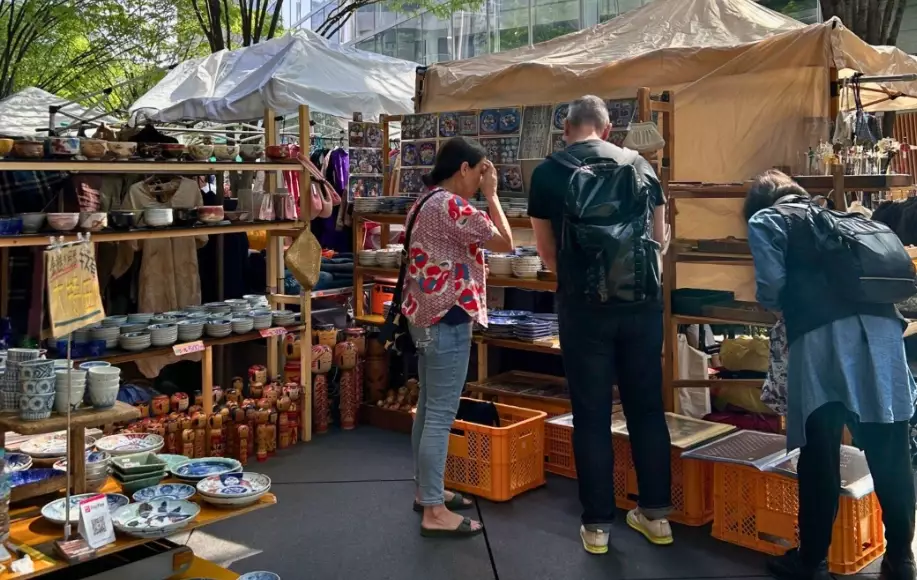
The Early Bird Strategy (8:00 AM - 10:30 AM)
This is for the serious hunter. Markets often open at 9:00 AM. Be in line by 8:30. Why? The best, most unique items sell fast. I watched a pristine 1960s Seiko watch get snapped up five minutes after opening at Oedo. The light is perfect for inspecting ceramics for cracks. The downside? Crowds peak around 10:30-11:00 AM. If you hate elbows, go early.
The Prime Browsing Window (10:30 AM - 2:00 PM)
The market is in full swing. All stalls are open, food vendors are serving, and the energy is high. This is the best time for people-watching and getting a feel for everything. Selection is still good, but the rarest pieces are gone. It's social, sometimes chaotic.
The Sunset Deal Hour (After 3:00 PM)
This is a controversial tactic. Many swear by it for bargains. Vendors packing up heavy ceramics or large furniture are more open to a steep discount. But let's be real—you're not getting a discount on a signed piece of Kutani ware. This strategy works best for bulky items, common glassware, or clothes. The selection, however, is picked over. You're shopping the leftovers. I've found some great, cheap plant pots this way, but never a treasure.
Beyond the Big Names: Hidden Gems & Neighborhood Markets
The markets above are on every list. But some of my best finds came from smaller, local Tokyo weekend markets. They have less predictable schedules but are worth hunting down.
- Komazawa Olympic Park Flea Market: Happens a few times a month, often on Saturdays. Sprawling across the park, it's heavy on household goods, kids' clothes, and sports equipment. Feels very local. Check the park's event calendar.
- Yoyogi Park Events: Not a traditional flea market, but the various events and festivals in Yoyogi Park often have vendor areas selling vintage and handmade goods. The schedule is erratic; check the Yoyogi Park official website.
- Evening Markets (Yoruichi): A growing trend. Some organizers host evening markets in summer or autumn, often in collaboration with food trucks. A completely different, more relaxed vibe. Follow organizers like "Rinkan Market" on social media for announcements.
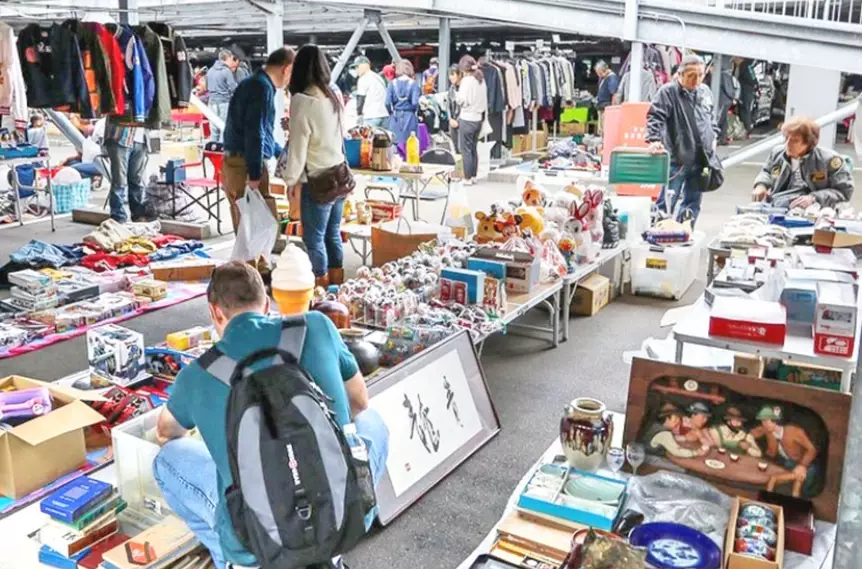
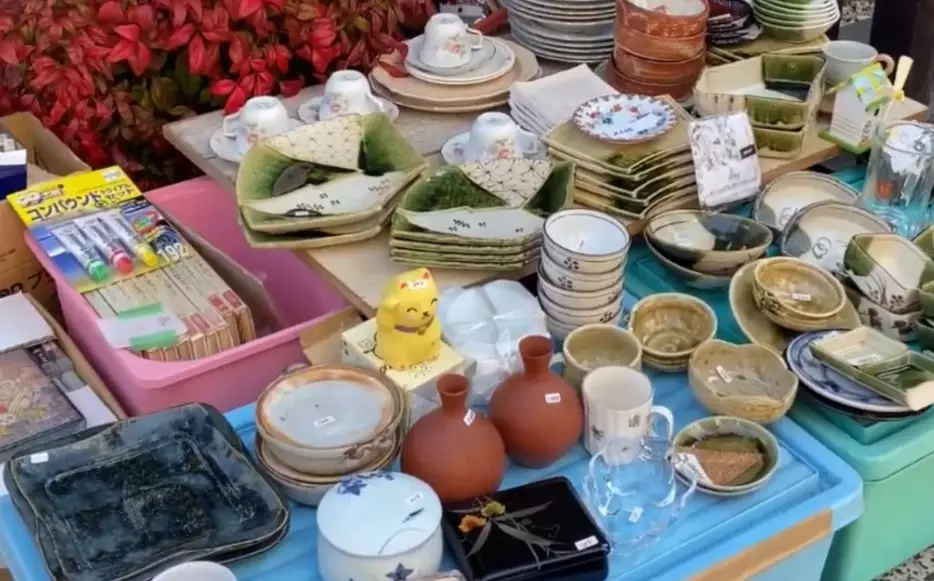
A Reality Check: Not every market is a goldmine. Some, especially smaller ones in train station plazas, are primarily for locals to clear out closets—think used paperback books and old dishware. Manage your expectations. The thrill is in the hunt, not just the find.
Your Burning Questions, Answered
The Tokyo flea market schedule isn't a mystery. It's a puzzle with moving pieces, but the pieces have a pattern. Use primary sources, understand the seasonal rhythms, and plan your day with intent. Your perfect find—that quirky vintage lamp, that piece of Edo-period lacquerware, that soft vintage band t-shirt—is waiting on a specific date, at a specific time. Now you know how to be there.
Share Your Thoughts