Your Ekiben Adventure Starts Here
If you're heading to Tokyo Station, you're in for a treat—beyond the trains, it's a paradise for food lovers, especially when it comes to ekiben. These are bento boxes sold at train stations, and Tokyo Station is arguably the best place to try them. I've spent years exploring Japan's rail food scene, and let me tell you, Tokyo Station has some gems that most tourists miss. Forget the generic convenience store snacks; here, you'll find artistry in a box, with flavors that tell stories of regions across Japan.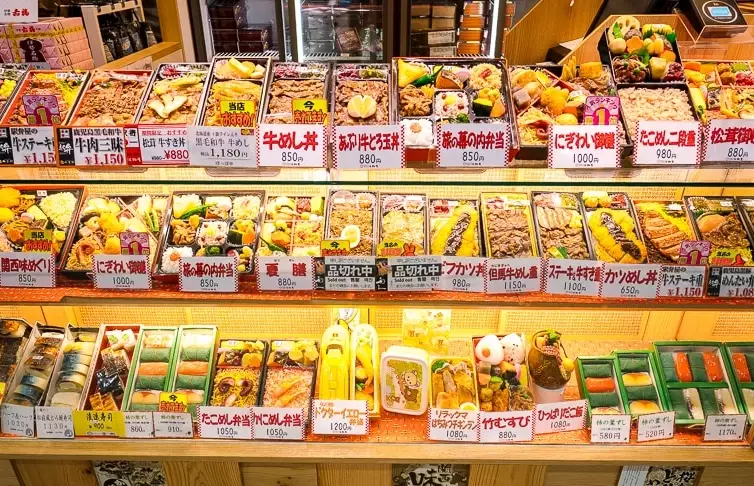
My first time at Tokyo Station, I was overwhelmed. Signs everywhere, crowds rushing, and I almost settled for a pre-packaged sandwich. But then I stumbled upon a small kiosk tucked away near the Yaesu exit. The vendor handed me a warm ekiben with grilled fish and pickled vegetables. One bite, and I was hooked. Since then, I've made it a mission to uncover the best spots, and I'm sharing everything here.
What Makes Tokyo Station the Ekiben Capital?
Tokyo Station isn't just a transit hub; it's a cultural landmark. With over 400,000 passengers daily, it's a melting pot of culinary traditions. Ekiben here are more than just meals—they're curated experiences. According to the Japan National Tourism Organization, ekiben originated in the late 19th century as a way to serve travelers, and Tokyo Station became a central hub due to its Shinkansen connections.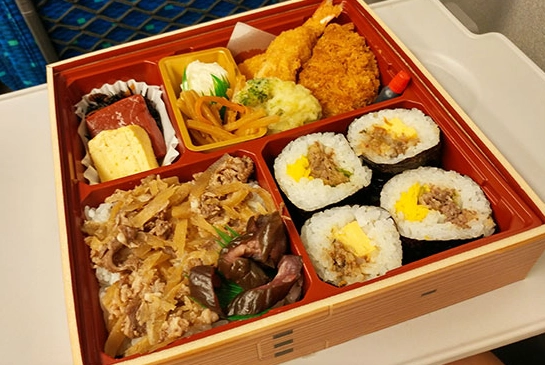
A Brief History of Ekiben
Ekiben started simple: rice balls and pickles. But over time, they evolved into elaborate boxes showcasing local specialties. At Tokyo Station, you'll find ekiben from Hokkaido to Kyushu, all under one roof. It's like a food tour of Japan without leaving the station.
Why Tokyo Station Stands Out
What sets Tokyo Station apart is the variety and quality. Unlike smaller stations, vendors here compete fiercely, leading to innovation. I once tried an ekiben with black pork from Kagoshima—it was tender, flavorful, and cost around ¥1,800. You won't find that level of detail elsewhere unless you travel to the region itself.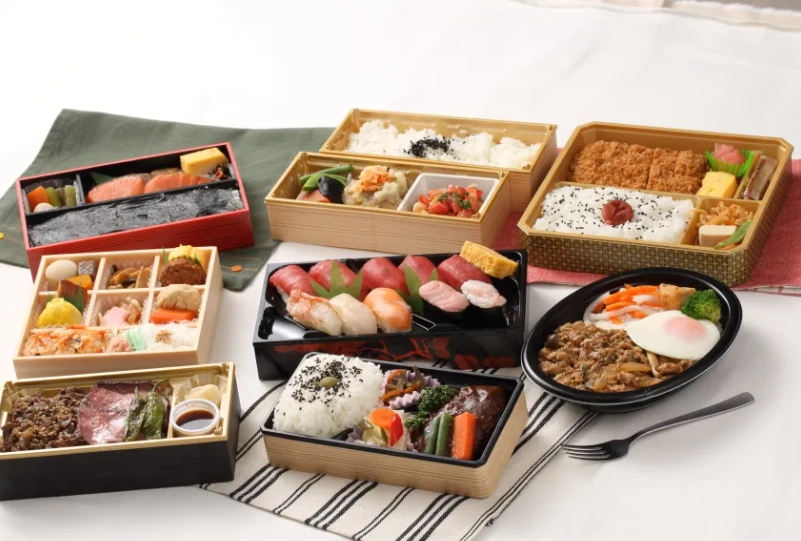
Pro tip: Many ekiben shops offer seasonal specials. In autumn, look for matsutake mushroom boxes; in summer, chilled somen noodles. These limited editions sell out fast, so arrive early.
Top Ekiben Shops at Tokyo Station: A Curated List
Based on my visits, here are the shops that deserve your attention. I've included addresses, specialties, and prices to help you plan. Note that prices are approximate and can vary.
| Shop Name | Location in Station | Specialty Ekiben | Price Range (¥) | Operating Hours | My Take |
|---|---|---|---|---|---|
| Ekibenya Matsuri | GranSta Dining Area, B1 Floor | Kaisen Don (seafood bowl) | 1,500 - 2,000 | 7:00 - 22:00 | Fresh, generous portions, but can get crowded. Worth the wait. |
| Depachika Bento Corner | Daimaru Department Store, 1F | Yasai Itame (vegetable stir-fry) | 1,200 - 1,800 | 10:00 - 20:00 | Great for vegetarians, though options are limited. Quality is consistent. |
| Shinkansen Ekiben Kiosk | Near Shinkansen Gates, Central Exit | Kurobuta Pork Bento | 1,800 - 2,500 | 6:00 - 23:00 | Convenient for last-minute buys, but pricey. I've had better value elsewhere. |
| Tokyo Ekiben Museum | First Street Shopping Area, 1F | Assorted Regional Boxes | 1,000 - 3,000 | 9:00 - 21:00 | A fun spot to sample multiple regions. Perfect for beginners, but some boxes lack authenticity. |
Ekibenya Matsuri is my go-to. The Kaisen Don comes with fresh tuna, salmon, and sea urchin—it's a steal at ¥1,800. But I'll be honest: the Depachika Bento Corner can be hit or miss. Once, I bought a vegetable box that was soggy, likely because it sat out too long. Always check for freshness by looking at the production time stamp, usually on the label.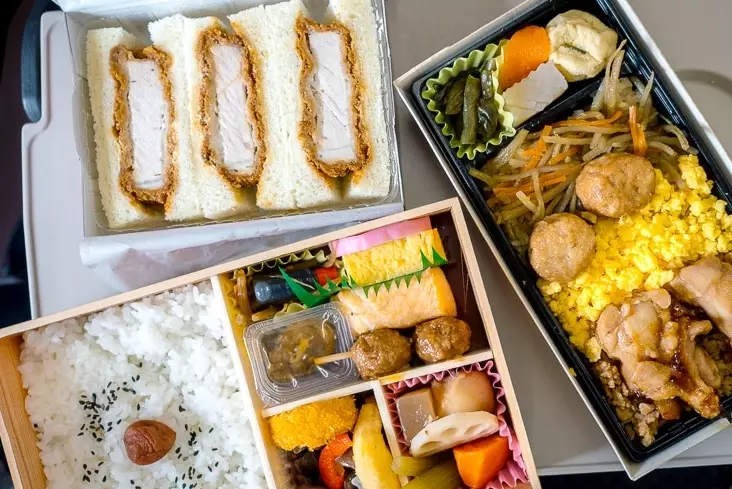
For a more local experience, venture to the smaller kiosks near the Yaesu exit. They're less advertised but often have unique offerings like ekiben from Tohoku region. I found a delicious salmon roe box there for ¥1,300, and the vendor shared stories about the fishery it came from. That personal touch made the meal memorable.
How to Buy and Enjoy Ekiben at Tokyo Station: A Step-by-Step Guide
Buying ekiben shouldn't be stressful. Follow these steps to make the most of it.
Step 1: Plan Your Time. Arrive at least 30 minutes before your train if you want to browse. Peak hours are 7-9 AM and 5-7 PM, when commuters swarm the shops. I made the mistake of coming at 8 AM once—the lines were insane, and I ended up grabbing a mediocre box just to catch my train.
Step 2: Navigate the Station. Tokyo Station is massive, with multiple exits and levels. Use station maps or apps like Google Maps to locate ekiben areas. GranSta (B1) and the First Street area are hotspots. If you're lost, ask station staff—they're usually helpful, though language barriers can exist.
Step 3: Choose Your Ekiben. Don't just pick the prettiest box. Read the descriptions: look for keywords like "jikasei" (homemade) or "shun" (in-season). I recommend trying a regional specialty, like Hokkaido crab or Kyoto tofu. If you're unsure, ask for samples; some vendors offer small tastes, especially during quieter times.
Step 4: Pay and Pack. Most shops accept cash and IC cards like Suica. Credit cards are less common at kiosks. After buying, pack the ekiben securely—they often come with disposable chopsticks and a wet towel. If you're taking it on a train, consider buying a drink from a vending machine nearby; ekiben can be salty.
Step 5: Enjoy It Fresh. Ekiben are meant to be eaten soon after purchase. On the Shinkansen, find your seat, unwrap, and savor. I love watching the scenery roll by while digging into a warm bento. But here's a secret: some ekiben, like chilled soba boxes, taste better after sitting for a bit, allowing flavors to meld.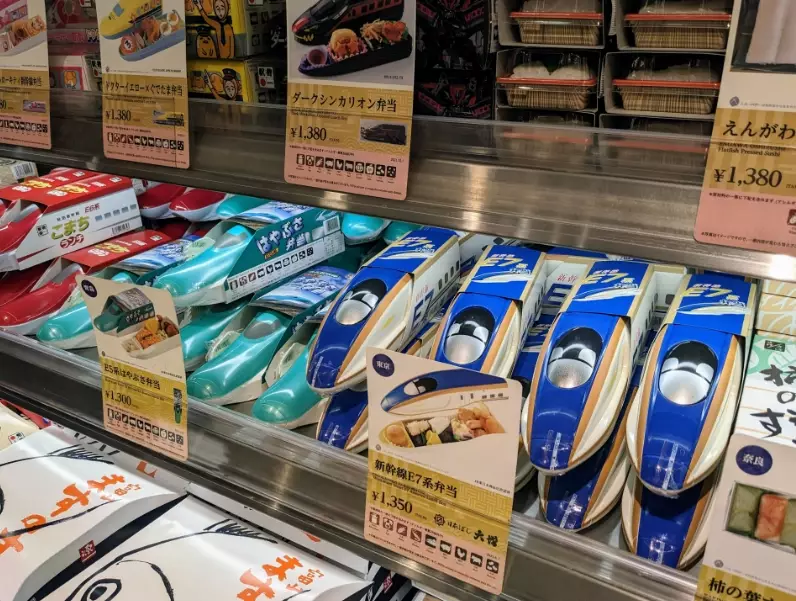
Insider insight: Many tourists overlook the ekiben shops in the station's underground passages. These are less crowded and often have exclusive items. I once found a limited-edition ekiben collaboration with a famous chef there—it cost ¥2,500 but was worth every yen for the unique taste.
Common Mistakes to Avoid When Buying Ekiben
After years of trial and error, I've seen people make the same blunders. Avoid these to elevate your experience.
Mistake 1: Buying Based on Appearance Alone. Some ekiben look stunning with intricate designs, but taste bland. I fell for a beautifully arranged flower-shaped bento once—it was mostly rice and decoration, with minimal protein. Instead, focus on the ingredient list; prioritize boxes with local, high-quality components.
Mistake 2: Ignoring Temperature. Ekiben are either served warm ("attakai") or cold ("tsumetai"). Warm ones are often grilled or steamed and should be eaten within an hour. Cold ones, like sushi boxes, can last longer but lose freshness. Check the label for recommended consumption time. I've made the error of buying a warm ekiben and saving it for later—it turned rubbery and unappetizing.
Mistake 3: Overlooking Smaller Vendors. The big-name shops attract crowds, but smaller stalls can offer better value and authenticity. For example, a family-run kiosk near the Marunouchi exit sells ekiben from Niigata for ¥1,000, using rice from their own farm. It's a hidden gem I discovered by chatting with a local commuter.
Mistake 4: Not Considering Dietary Needs. Ekiben are heavy on seafood and meat. If you have allergies or preferences, speak up. Many shops have English menus or pictures to point at. I'm not vegetarian, but a friend with dietary restrictions struggled until we found the Depachika corner. Planning ahead saves hassle.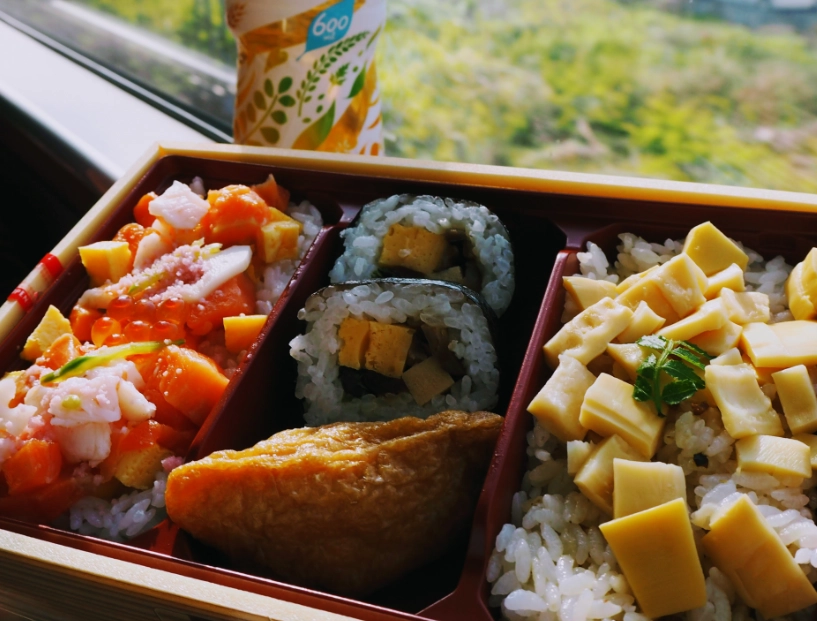
FAQ: Your Ekiben Questions Answered
Exploring Tokyo Station's ekiben scene is more than just eating; it's a journey into Japan's culinary heart. From the bustling GranSta to quiet corners, each box tells a story. I hope this guide helps you navigate it all with confidence. Remember, the best ekiben isn't always the most expensive—it's the one that surprises you with flavor and memory. Happy travels, and don't forget to share your finds!

Share Your Thoughts