Let's cut to the chase. Based on my own experiences traveling solo across Japan for months, and backed by hard data, Japan is one of the safest countries in the world for a woman traveling alone. The 2023 Global Peace Index consistently ranks Japan highly, and the crime rate is low. You can walk down a quiet street at night and feel a sense of calm that's rare in most major cities. But—and this is a big but—"safe" doesn't mean "perfectly risk-free" or "exactly like home." Your safety hinges on understanding the subtle cultural rules and knowing where the rare trouble spots might be. This guide won't just tell you it's safe; it'll show you how to navigate Japan confidently, from crowded Shibuya to a quiet ryokan.
Quick Navigation: What You'll Find Here
The Overall Safety Picture: Data vs. Daily Reality
Japan's safety stats are impressive. The World Bank's data shows violent crime is exceptionally low. You're highly unlikely to encounter random street violence or armed robbery. Petty theft like pickpocketing happens, but it's less common than in European tourist hubs. The real safety win is in the infrastructure and social order.
Trains run on time, streets are clean and well-lit, and there's a pervasive sense of civic responsibility. I've left my wallet on a cafe table and returned an hour later to find it untouched. That's the norm, not the exception.
Safety in Specific Situations: Day, Night, Transport & More
Safety feels different depending on where you are and what you're doing. Let's break it down.
Walking Around Cities During the Day
Extremely safe. Neighborhoods like Kyoto's Arashiyama, Tokyo's Shimokitazawa, or Osaka's Shinsekai are fine to explore alone. You'll see other solo female travelers and locals going about their day. Just use standard city awareness.
Nightlife and Evening Streets
This is where you need to dial up your awareness. Major entertainment districts like Tokyo's Kabukicho, Osaka's Dotonbori, or Sapporo's Susukino are vibrant but can have a different vibe at night.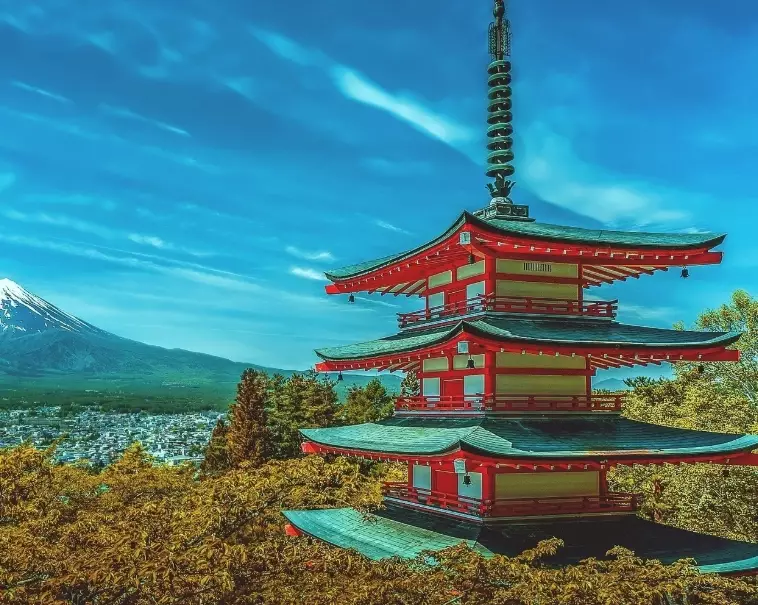
Public Transportation: Trains, Subways, and Buses
Japan's public transport is a masterclass in safety and efficiency. Almost all major train and subway lines have "Women Only" cars during peak morning rush hours (usually marked in pink). Use them if you want absolute peace of mind, though regular cars are also very safe.
Long-distance night buses are a popular budget option. Reputable companies like Willer Express are safe. Book a female-only seat or row if available. On overnight buses, I always keep my valuables in a small bag I can hug while sleeping.
Accommodation: Hotels, Hostels & Ryokans
From capsule hotels to luxury ryokans, Japan caters to solo travelers. Security is generally excellent.
- Capsule Hotels: Many have female-only floors with enhanced security keycards. I stayed at Anshin Oyado Premier Tokyo Shinjuku (1-2-9 Kabukicho, Shinjuku) and felt completely secure. The floor was quiet, the capsules were clean pods, and the shared baths were immaculate. Prices range from ¥4,000 to ¥7,000 per night.
- Business Hotels: Chains like APA, Dormy Inn, or Toyoko Inn are reliable, clean, and everywhere. Rooms are small but have private bathrooms and good locks.
- Ryokans (Traditional Inns): A solo stay can be a deeply peaceful experience. The staff are incredibly respectful. Try Gion Hatanaka in Kyoto for an authentic, high-end experience, though it's pricey.
Cultural Nuances That Impact Your Safety
Understanding these unwritten rules is your best defense.
Non-Confronational Culture: Direct harassment is rare. But this also means if you are harassed (e.g., a chikan, or groper, on a crowded train), people might not intervene. You need to be prepared to make a scene—yell "yameru!" (stop!) or move. It's effective because it breaks the social silence.
The Alcohol Factor: Salarymen drinking after work are usually harmless, just loud. The risk in izakayas (pubs) isn't violence; it's getting drawn into a conversation you can't escape because of politeness. It's okay to smile, nod, and say you need to leave.
Onsen (Hot Springs) Etiquette: Bathing nude in gender-segregated communal baths is safe and normal. The etiquette is strict: wash thoroughly at the shower stations before entering the bath. Everyone is focused on relaxing, not looking. If you're self-conscious, many places now have "kashikiri" (private rental) baths.
My Practical Safety Tips & Toolkit
Beyond "be aware," here are actionable steps.
| Tool/Item | Why It's Useful | Specific Recommendation |
|---|---|---|
| Portable WiFi / SIM Card | Never get lost. Use Google Maps for real-time train schedules and safe walking routes. | Rent a pocket WiFi from Ninja WiFi or get a Ubigi eSIM before you arrive. |
| Suica/Pasmo Card | Avoid fumbling with cash at ticket gates, especially late at night. Also works in convenience stores. | Charge it at any station. You can now get a digital Suica on your iPhone. |
| Hotel Business Card | If you get lost or need a taxi, show the card with the address in Japanese. | Grab one from the front desk the moment you check in. |
| Cash in Separate Places | Japan is still a cash society for smaller places. Don't keep all your yen in one spot. | Keep a day's worth in your wallet, the rest in a money belt or locked in your hotel safe. |
| Translation App | For medical situations or complex issues where Google Translate fails. | Download Japan Official Travel App (by JNTO). It has an offline voice translation feature. |
Also, share your itinerary with someone back home. Japanese police are helpful but having a contact trail is smart. Know the emergency number: 110 for police, 119 for fire/ambulance.
Where to Stay: Hotel Picks for Solo Women
Location is everything. Here are three types of safe, convenient bases.
- For First-Timers & Nightlife (With Caution): APA Hotel Shinjuku-Kabukicho (1-20-2 Kabukicho, Shinjuku). It's right in the thick of things but inside a secure hotel tower. You're steps from Shinjuku Station, giving you maximum transport options to escape anywhere. Rooms from ¥8,000/night. It's a classic business hotel—no frills, but reliable.
- For a Quieter, Local Vibe: Hotel Graphy Nezu (4-5-10 Nezu, Bunkyo-ku, Tokyo). This is a share-house style hotel in a beautiful, residential area. It has a communal kitchen and lounge, perfect for meeting other travelers. The neighborhood feels miles away from the chaos, yet it's a short train ride to Ueno and Akihabara. From ¥5,500/night for a dorm bed; private rooms available.
- For Culture & History (Kyoto): Piece Hostel Sanjo (531 Nakanocho, Nakagyo-ku, Kyoto). This modern, stylish hostel is in a fantastic location near the Kamo River and Nishiki Market. Female-only dorms have privacy curtains and secure lockers. The staff are incredibly knowledgeable. Dorm beds from ¥3,500, privates from ¥12,000.
Your Solo Travel Questions, Answered
Is it safe to go to an izakaya (Japanese pub) alone as a woman?
Generally, yes. Look for places with counter seating—it's less intimidating than a table. Smaller, local izakayas in neighborhoods like Ebisu (Tokyo) or Tenjin (Fukuoka) are welcoming. A common mistake is sitting down without checking if there's a table charge (otoshi). You'll be served a small appetizer you didn't order and be charged for it (¥300-¥500). It's normal, not a scam. If you want to avoid it, some chain izakayas like "Torikizoku" don't have it.
What should I do if I feel I'm being followed?
Don't go straight to your hotel. Walk into the nearest open convenience store (Lawson, FamilyMart, 7-Eleven). They are everywhere, brightly lit, and have staff 24/7. Browse the aisles for a few minutes. If the person leaves, you're clear. If not, tell the staff "tsukareteru kanji ga shimasu" (I feel like I'm being followed). They will help. You can also duck into a large train station and head for the stationmaster's office (eki-in shitsu).
Are taxis safe at night for a solo female traveler?
Extremely safe. Japanese taxi drivers are professional and regulated. The doors open and close automatically—don't touch them. The potential issue is communication. Have your destination address written in Japanese or pulled up on Google Maps to show the driver. Use the meter; there's no need to negotiate fares. A pro tip: If you're in Tokyo, using the taxi-hailing function in the JapanTaxi or DiDi app can eliminate any address confusion.
I'm worried about eating alone. Is it socially acceptable?
Not only acceptable, it's completely normal. Ramen shops, curry houses, and conveyor belt sushi restaurants are designed for solo diners. You'll often see salarymen and students eating alone. For a quieter meal, look for restaurants with counter seats or small booths. Don't feel pressured to make conversation; it's perfectly fine to just eat and look at your phone.
What's one subtle safety mistake you see solo female travelers make?
Overlooking bag placement on trains. In crowded cars, wear your backpack on your front or hold it at your feet. It's not just about theft—it's about space and courtesy. A large backpack on your back in a packed train is a major nuisance and makes you a bigger target for accidental contact. Keeping your bag in front of you gives you control and makes you more aware of your immediate space.
So, is Japan safe for solo female travel? The resounding answer is yes, provided you travel with a blend of common sense and cultural curiosity. The peace of mind you'll experience wandering through ancient temples, efficient cities, and friendly countryside is what makes Japan a top-tier destination for women exploring on their own. Pack your bags, do your research, and get ready for an incredibly rewarding adventure. Your solo journey awaits.

Share Your Thoughts