In This Guide
- The Big Question: Can You Even Get a Visa?
- Money Talk: What Does Living in Japan Actually Cost?
- Where to Plant Your Laptop: A City Ranking for Digital Nomads
- The Nitty-Gritty: Internet, SIMs, and Daily Logistics
- Finding Your Tribe: Community & Social Life
- Taxes and Legal Bits (The Boring But Essential Part)
- Japan Digital Nomad Guide: Your Burning Questions Answered
So you're thinking about packing your laptop and heading to Japan. Good choice. The food is incredible, the trains run on time (seriously, it's unnerving), and there's a mix of hyper-modern and deeply traditional that you won't find anywhere else. But let's be real—working remotely from Japan isn't all cherry blossoms and serene temples. The visa situation is famously tricky, Tokyo can swallow your budget whole, and finding a long-term apartment as a foreigner? That's its own special adventure.
I've spent months there as a remote worker, figuring things out the hard way. This Japan digital nomad guide is the one I wish I'd had before I landed. We're going to cut through the Instagram glamour and talk about the real stuff: visas that might actually work for you, what you'll really spend each month, which cities won't drive you crazy after four weeks, and how to find a community when you don't speak a word of Japanese.
Forget the surface-level lists. This is about the details that make or break a digital nomad experience.
The Big Question: Can You Even Get a Visa?
This is the number one headache for anyone trying to create a Japan digital nomad guide. Japan, as of my last update, doesn't have a specific "Digital Nomad Visa" like Portugal or Croatia does. It's a huge gap, and it trips everyone up. The government has been talking about it for years, but concrete, easy-to-get options for location-independent workers are still not a reality.
So what do you do? You get creative with existing pathways. None are perfect, and all require some legwork.
The most common backdoor routes I've seen other nomads use (and have researched extensively) boil down to a couple of options.
The Tourist Waiver & The "Visa Run" Gambit
Many nationals from countries like the US, UK, Canada, Australia, and most of the EU can enter visa-free for tourism for 90 days. This is the easiest way to test the waters. You're technically not allowed to work for a Japanese company, but if you're working online for clients or a company back home, it's a gray area that many navigate quietly.
The classic move was the "visa run"—popping over to South Korea or Taiwan for a few days and coming back for another 90 days. Here's my personal take: this is getting riskier. Immigration officers are wise to it. I've heard more stories of people being questioned closely on their second or third entry in a short period. They might still let you in, but they could grant a shorter stay, like 30 days, or in rare cases, deny entry if they suspect you're effectively living in Japan without the proper status.
It's a stressful way to live, always wondering if this will be the time you get turned away.
The Designated Activities (Specific Skills) Visa Route
This is a more legitimate, but more complex, path. Japan offers a "Designated Activities" visa for various purposes. Recently, they've created sub-categories for specific skills, including some tech and engineering fields. The key is that you need a sponsor in Japan. This could be:
- A Japanese Client: If you can secure a contract with a Japanese company for your remote services.
- A Specialized School: Enrolling in a long-term language school or a vocational course can grant you a student visa, which allows part-time work with permission. It's a commitment, but it's solid.
- A Japanese Subsidiary: If your overseas employer has a branch in Japan, they might be able to sponsor you for an intra-company transfer visa.
The process involves a lot of paperwork from the sponsor. It's not a quick fix, but it's the most stable option for a stay longer than 90 days. The Immigration Services Agency of Japan has detailed guides on certificate of eligibility applications, which are the first step for most long-term visas.
Money Talk: What Does Living in Japan Actually Cost?
Let's get down to brass tacks. Japan has a reputation for being expensive, and Tokyo certainly lives up to it. But outside the mega-cities, your money goes a lot further. A realistic Japan digital nomad guide has to break this down, because your budget will dictate everything.
Here’s a monthly cost breakdown for a single person, living a comfortable but not lavish nomad lifestyle. Think a small apartment (not a shoebox), eating out sometimes, cooking sometimes, and having a coffee shop budget.
| Expense Category | Tokyo (Central) | Kyoto / Osaka | Fukuoka / Sapporo | Smaller City (e.g., Kanazawa, Sendai) |
|---|---|---|---|---|
| Rent (1R/Apartment) | ¥120,000 - ¥180,000+ | ¥80,000 - ¥120,000 | ¥60,000 - ¥90,000 | ¥50,000 - ¥70,000 |
| Utilities (Elec, Gas, Water) | ¥15,000 - ¥20,000 | ¥12,000 - ¥18,000 | ¥10,000 - ¥15,000 | ¥9,000 - ¥13,000 |
| Mobile + High-Speed Internet | ¥10,000 - ¥15,000 | ¥10,000 - ¥15,000 | ¥9,000 - ¥13,000 | ¥8,000 - ¥12,000 |
| Groceries | ¥40,000 - ¥60,000 | ¥35,000 - ¥50,000 | ¥30,000 - ¥45,000 | ¥25,000 - ¥40,000 |
| Eating Out / Coffee | ¥50,000 - ¥80,000 | ¥40,000 - ¥65,000 | ¥35,000 - ¥55,000 | ¥30,000 - ¥45,000 |
| Transport (Local Passes) | ¥10,000 - ¥15,000 | ¥8,000 - ¥12,000 | ¥7,000 - ¥10,000 | ¥5,000 - ¥8,000 |
| Leisure / Travel | ¥30,000+ | ¥25,000+ | ¥20,000+ | ¥15,000+ |
| Estimated Monthly Total | ¥275,000 - ¥400,000+ (~$1,800 - $2,600+) |
¥210,000 - ¥300,000+ (~$1,370 - $1,950+) |
¥171,000 - ¥251,000+ (~$1,110 - $1,630+) |
¥142,000 - ₹233,000+ (~$920 - $1,510+) |
See the difference? Choosing Fukuoka over Tokyo could literally save you over $1,000 a month. That's a flight home, or several months somewhere else.
A few pain points no one tells you about:
- Key Money & Deposits: Renting an apartment often requires a massive upfront payment: first month's rent, a security deposit (shikikin), a non-refundable "gift" to the landlord (reikin), and an agent's fee. This can be 4-6 months' rent just to get the keys. Monthly serviced apartments or platforms like GaijinPot Housing (which caters to foreigners) often skip this, but at a higher monthly rate.
- Coffee Shop Work: It's not like in Bali. Many cafes have a "one drink per hour" policy or just don't want you camping with a laptop. Dedicated coworking spaces are your friend, but they add up (¥15,000-¥30,000/month).
Where to Plant Your Laptop: A City Ranking for Digital Nomads
Not all Japanese cities are created equal for the remote work life. Some are fantastic for a month, others you could settle into for a year. This ranking isn't just about prettiness; it's about practicality for a working nomad.
Top Picks for a Balanced Japan Digital Nomad Experience
Fukuoka
This is my top recommendation, and it's gaining a huge following for good reason. It's a major city with a compact, manageable feel. The food scene (especially ramen) is legendary. It's closer to other parts of Asia for quick trips. The local government is actively trying to attract startups and foreign talent, so there's a growing international community. Rent is reasonable, it's by the sea, and it has a more relaxed vibe than Tokyo. The Fukuoka Startup Cafe is a great hub. For exploring the region, the Japan National Tourism Organization's guide to Fukuoka is a great resource for planning weekend trips.
Kyoto
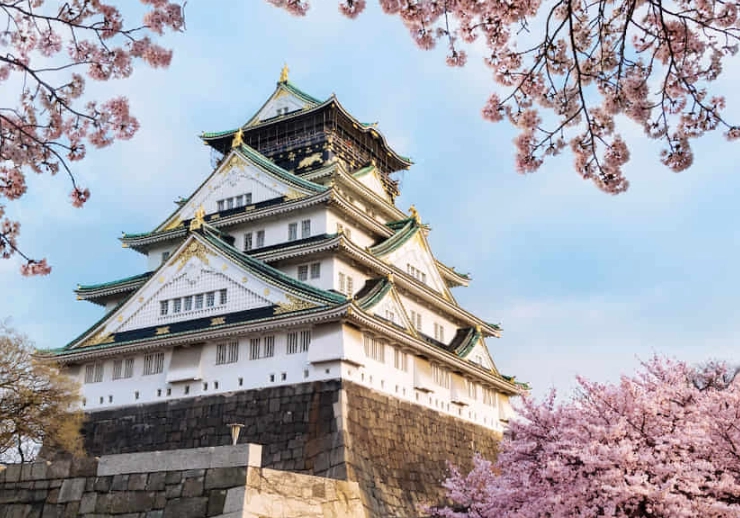
Yes, it's touristy. The crowds around Kiyomizu-dera can be insane. But live a bit away from the main drags, and you have access to unparalleled beauty and culture. It's quieter than Osaka, more traditional than Tokyo. There are lovely cafes tucked away in back streets perfect for working. The downside? It can feel a bit sleepy at night, and the expat community is more students and academics than digital nomads. Winters are colder than you might expect.
Osaka
Think of it as Tokyo's more down-to-earth, fun-loving sibling. The people are famously friendly (okini is the local "thank you"), the street food is incredible (Takoyaki!), and it's a major transportation hub. It's generally cheaper than Tokyo. The Amerikamura area has a youthful, international vibe. The work-life balance feels better here—people work hard, but they know how to play and eat well.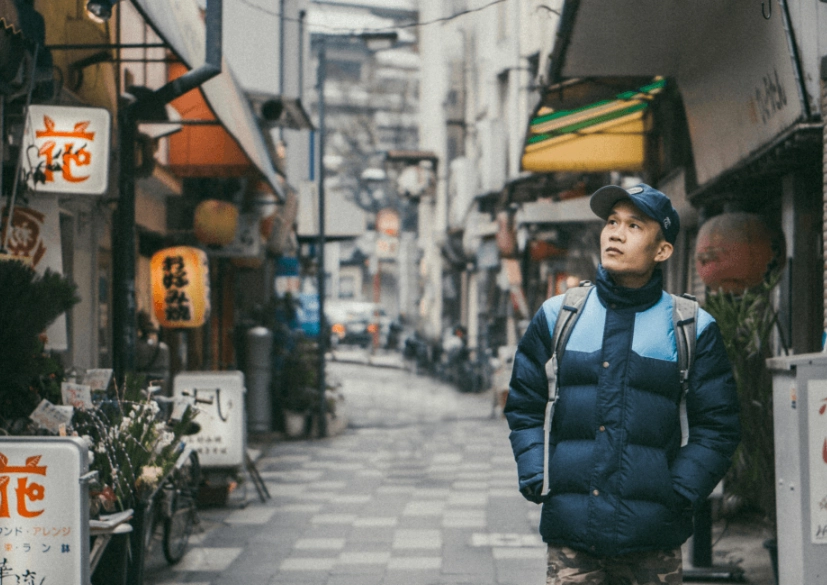
My Personal Experience: I tried Tokyo first. The energy was amazing for two weeks, then it just became exhausting. The constant crowds, the sheer scale of everything, the feeling of being a tiny cog in a vast machine—it wore me down for long-term work. I got more done, and felt more connected to a place, in Fukuoka and Kyoto.
Tokyo (with caveats)
You can't ignore it. The sheer density of everything—food, art, events, people—is unmatched. Neighborhoods like Shimokitazawa, Koenji, or even parts of Setagaya offer a slightly less intense vibe. The coworking scene is world-class. But it's a marathon, not a sprint. You need a bigger budget, and you have to actively seek out your niche to avoid feeling lost. It's best for those who thrive on relentless stimulus.
Hidden Gem: Kanazawa
On the Sea of Japan coast, this city is often called "Little Kyoto" but without the massive tourist hordes. It has a stunning preserved samurai district, a famous garden (Kenrokuen), and a fantastic modern art museum. The pace of life is slow, the seafood is fresh, and it's incredibly safe and clean. The digital nomad community is tiny, so you'd be a pioneer. Perfect for a focused, productive, and culturally immersive two-month stint.
The Nitty-Gritty: Internet, SIMs, and Daily Logistics
This is the engine room of any Japan digital nomad guide. If the internet fails, you're out of business.
Pocket Wi-Fi vs. SIM Card: For short stays (under 3 months), renting a Pocket Wi-Fi device from the airport is foolproof. Good speed, connects multiple devices. For longer, get a data SIM. Companies like Sakura Mobile or Mobal offer English support and plans without a lengthy contract. For your apartment, fiber (NURO, au Hikari) is best, but setup can take weeks. Many monthly apartments include decent broadband.
A word on addresses.
You need one for almost everything: a phone contract, a bank account (if you get one), even some loyalty cards. If your accommodation doesn't provide one you can use, it's a major hurdle. Some coworking spaces offer "virtual office" services that include a legal address for receiving mail, which can be a lifesaver.
Finding Your Tribe: Community & Social Life
Japan can be socially isolating if you don't speak Japanese. The famous politeness can sometimes be a wall. You have to make an effort.
- Coworking Spaces: The best way to meet other remote workers and English-speaking locals. WeWork is big in Tokyo/Osaka, but seek out indie spots like The Snug in Fukuoka or Coto in Tokyo.
- Meetup.com & Facebook Groups: Search for "Tokyo Digital Nomads," "Fukuoka International," etc. There are regular meetups for everything from hiking to tech talks.
- Language Exchange (Gokon/Nomi-kai): Apps like HelloTalk or events at international bars are great for meeting Japanese people who want to practice English.
Don't underestimate the value of just becoming a "regular" at a local coffee shop or izakaya. The familiarity breaks down barriers.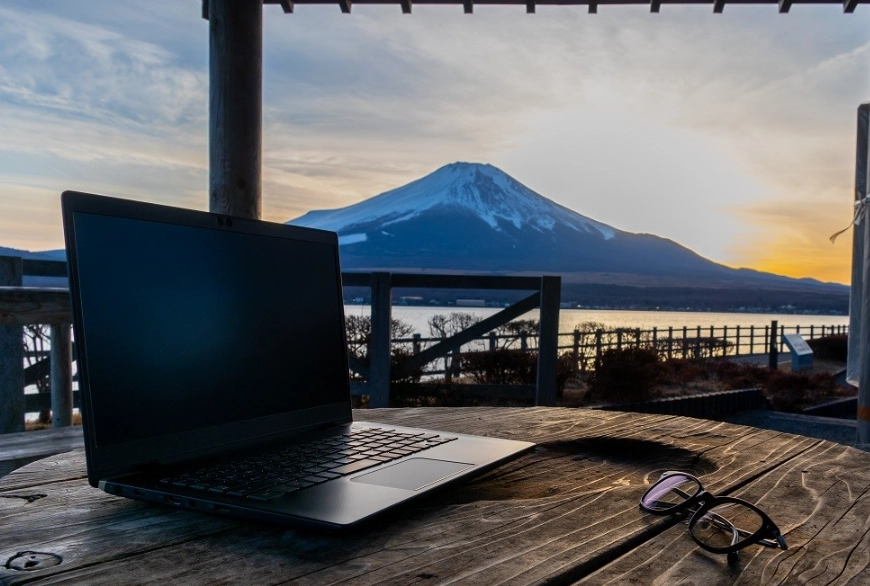
Taxes and Legal Bits (The Boring But Essential Part)
If you're in Japan for more than 183 days in a calendar year, you may become a tax resident, liable for Japanese income tax on your worldwide income. This is a complex area and depends heavily on your home country's tax treaty with Japan. The National Tax Agency of Japan has basic English guides. For any stay approaching six months, consulting a cross-border tax accountant is a very wise investment. It's not the place to cut corners.
Japan Digital Nomad Guide: Your Burning Questions Answered
Let's tackle some specific questions that pop up again and again.
Maybe I'll see you at a standing ramen bar, or quietly typing away in a corner of a coworking space in Fukuoka. Good luck, and ganbatte kudasai (do your best)!

Share Your Thoughts